Watering Your Lawn During Drought
How to Protect Your Grass Without Wasting Water
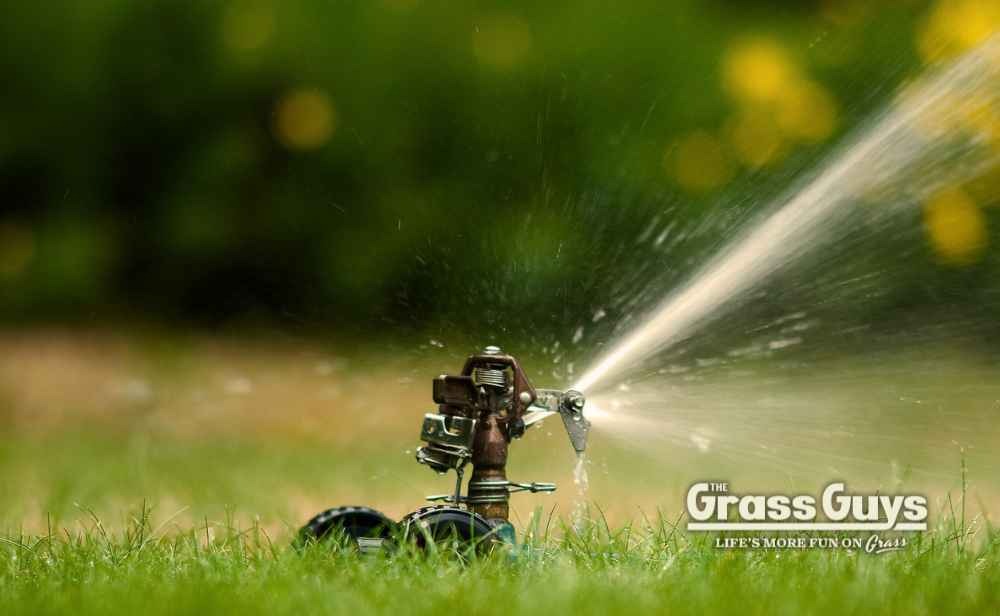
When drought hits, panic watering usually follows.
- Sprinklers run every day.
- Cycles get longer.
- Water bills spike.
- Lawns still struggle.
Here is the truth:
- During drought, your goal is not perfection.
- Your goal is survival and root protection.
Let’s walk through how to manage your lawn correctly during extended dry periods.
First: Understand What Drought Does to Cool-Season Grass
Cool-season grasses such as:
- Tall fescue
- Kentucky bluegrass
- Perennial ryegrass
naturally slow down in heat and drought.
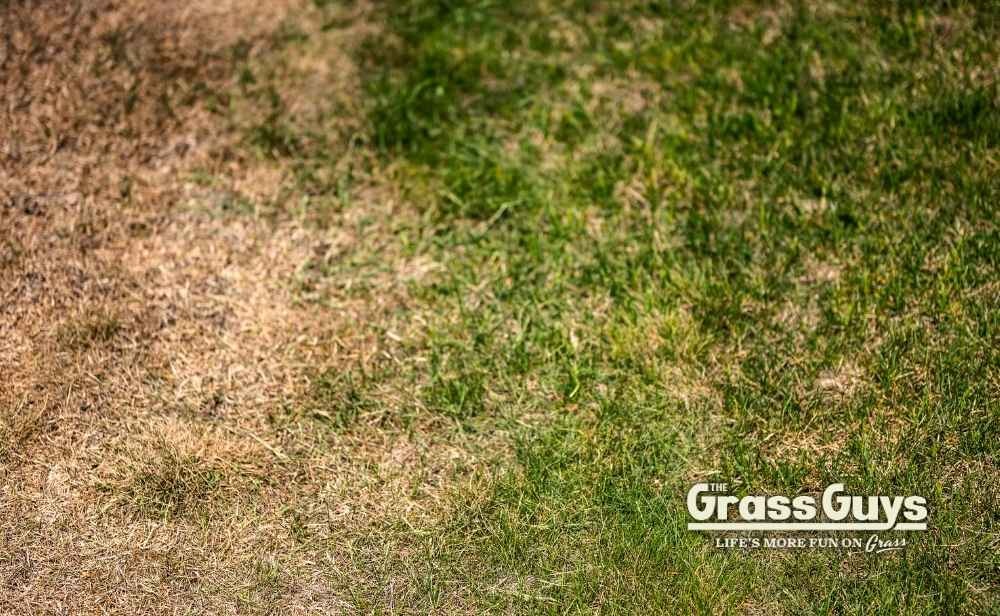
You may see:
- Dull color
- Slower growth
- Thinning
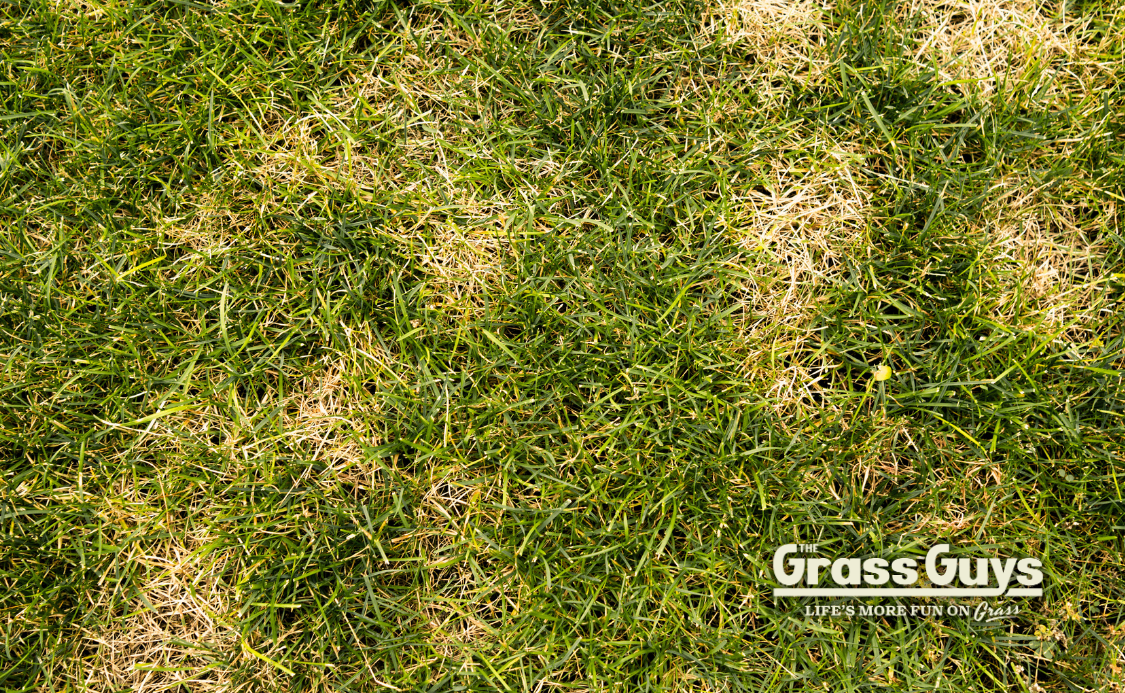
- Browning
This does not always mean the lawn is dying.
Often, it is entering dormancy.
Dormancy is a survival mechanism, not failure.
Option 1: Maintain a Green Lawn During Drought
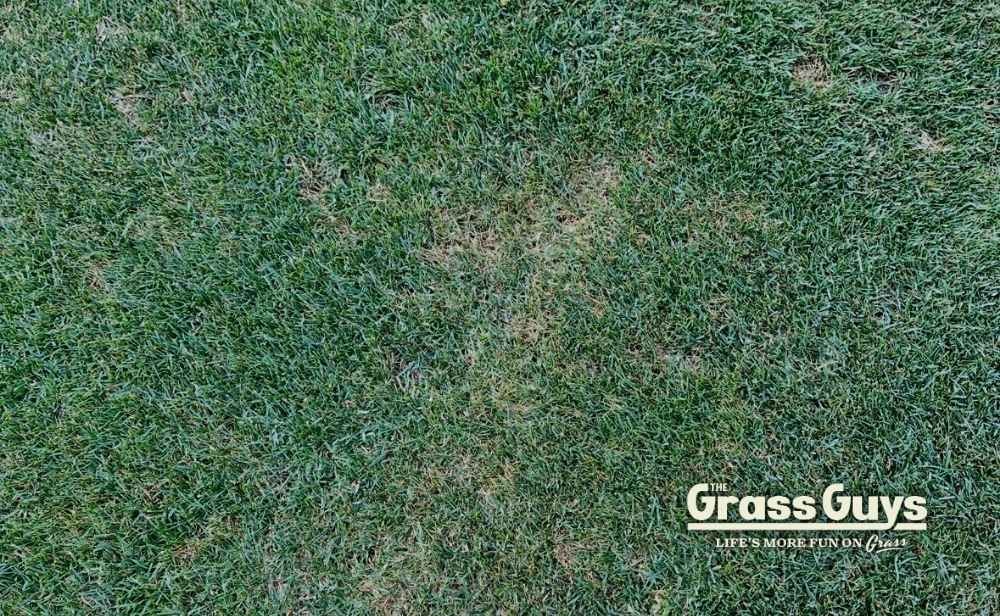
If you want to keep your lawn green, you must water strategically.
Apply 1 to 1.5 Inches Per Week
That includes rainfall. Water deeply 1 to 2 times per week.
Do not water daily.
Deep watering encourages deeper roots and reduces stress.
👉 See: How Much Water Does My Lawn Need?
Water Early in the Morning
Best window:
4 AM to 9 AM
This reduces evaporation and disease pressure.
Never water late at night during drought.
👉 See: Best Time to Water Your Lawn
Raise Your Mowing Height
Keep grass at 3.5 to 4 inches.
Taller grass:
- Shades soil
- Reduces evaporation
- Protects crowns
- Improves root depth
👉 See: Mowing in the Summer Heat
Option 2: Allow Dormancy and Protect the Crown
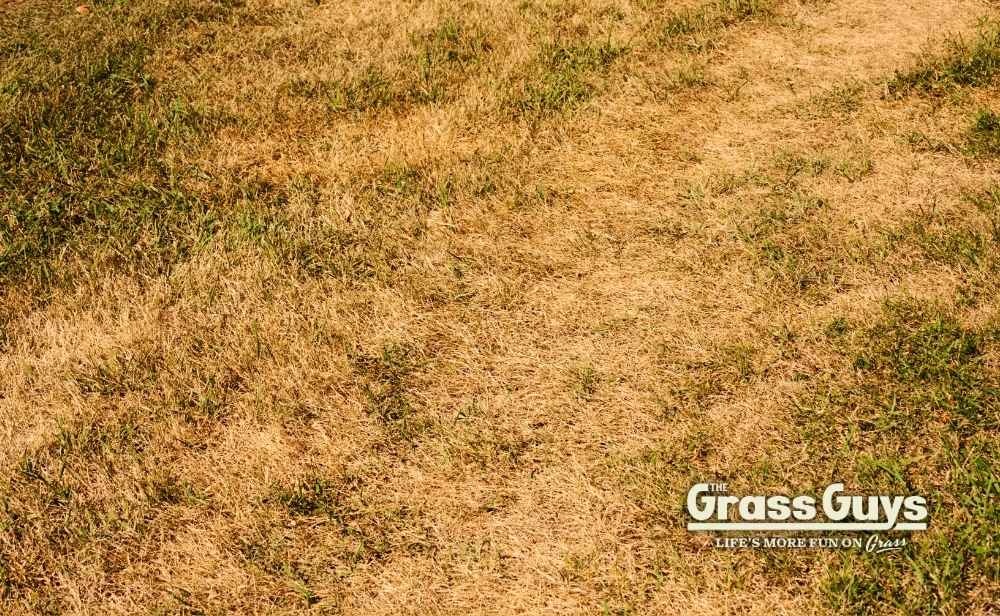
If water restrictions apply or irrigation is limited, you can let your lawn go dormant.
Dormant lawns:
- Turn brown
- Stop growing
- Conserve energy
This does not mean the lawn is dead.
To protect it:
Apply approximately 0.5 inch of water every 2 to 3 weeks.
This keeps the crown alive without trying to force growth.
When cooler weather returns, healthy dormant turf recovers.
What Not to Do During Drought
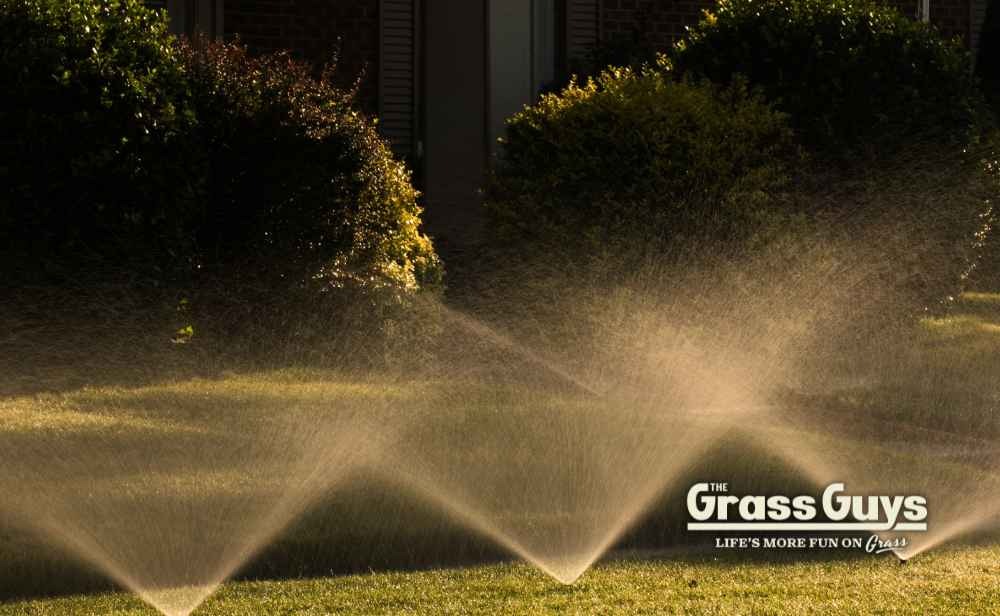
Avoid these common mistakes:
- Watering lightly every day
- Fertilizing heavily during heat
- Scalping the lawn
- Ignoring root depth
- Letting irrigation run during windy afternoons
Frequent shallow watering builds shallow roots.
Shallow roots fail quickly during drought.
Signs Your Lawn Is Truly in Trouble
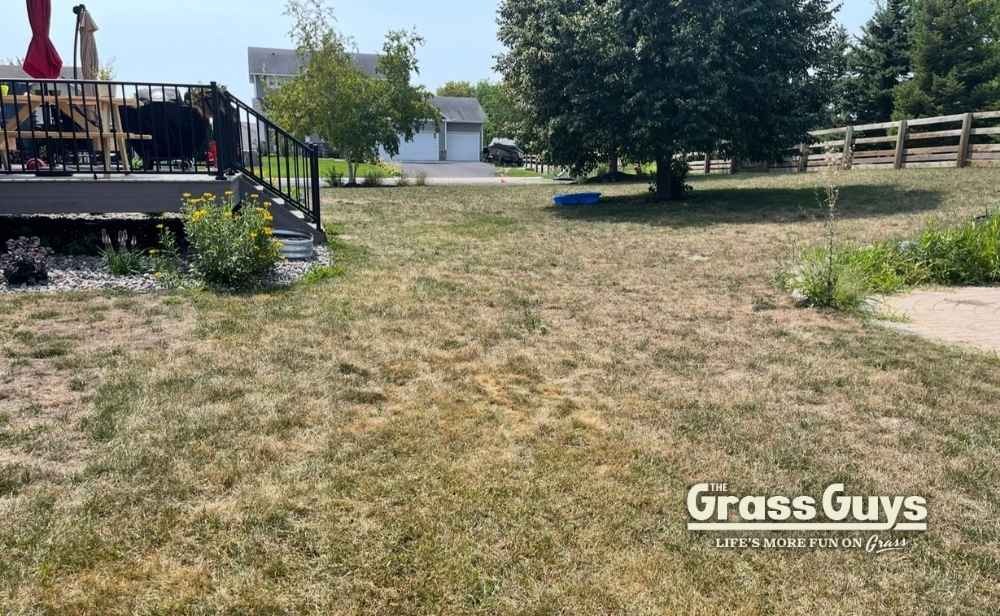
If you see:
- Grass pulling up easily from the soil
- Crown tissue turning brittle
- Extended dormancy beyond 6 to 8 weeks without irrigation
- Severe thinning
Then drought stress may be progressing toward damage.
Otherwise, temporary browning is often reversible.
Soil Type Matters During Drought
Clay soil holds moisture longer but may crack when dry.
Sandy soil dries quickly and may require slightly more frequent deep watering.
Knowing your soil helps you adjust without overcorrecting.
Irrigation Strategy During Restrictions

If local regulations limit watering:
- Water deeply on permitted days
- Focus on high-visibility or high-use areas
- Consider reducing irrigation on low-priority zones
Deep and intentional watering beats frequent shallow cycles.
The Long-Term Strategy
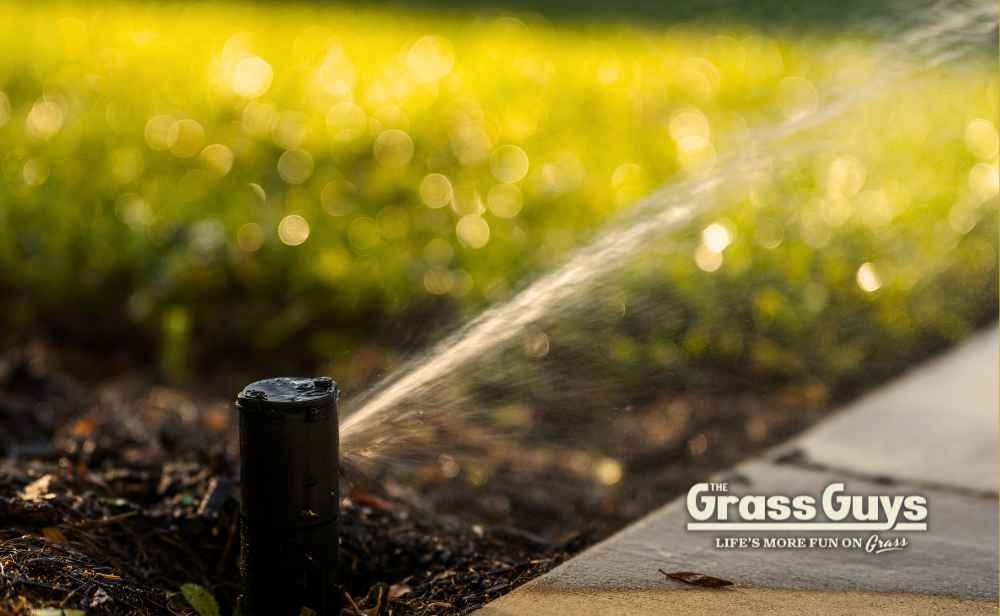
Lawns that survive drought best are built before drought begins.
That means:
- Deep, infrequent watering habits
- Proper mowing height
- Strong root development
- Smart fertilization timing
Fall is when you strengthen the lawn for next summer.
👉 See: Cool-Season Lawn Calendar
👉 See: Overseeding Guide
Will My Lawn Come Back After Drought?

In most cases, yes.
Cool-season lawns can tolerate several weeks of dormancy.
If the crown remains alive and you resume proper watering, recovery often begins within 1 to 3 weeks of cooler weather.
Patience matters.
Overreacting during drought often causes more damage than drought itself.
Final Thoughts
During drought, your mindset should shift.
You are not chasing perfection.
You are protecting root systems and crowns.
Water deeply if maintaining green.
Allow dormancy if necessary.
Raise mowing height.
Avoid stress triggers.
Healthy lawns are built through consistency, not panic.
Protect the roots now.
Strengthen in fall.
Prepare before next summer.