Mowing in the Summer Heat
How to Cut Your Lawn Without Stressing It Out
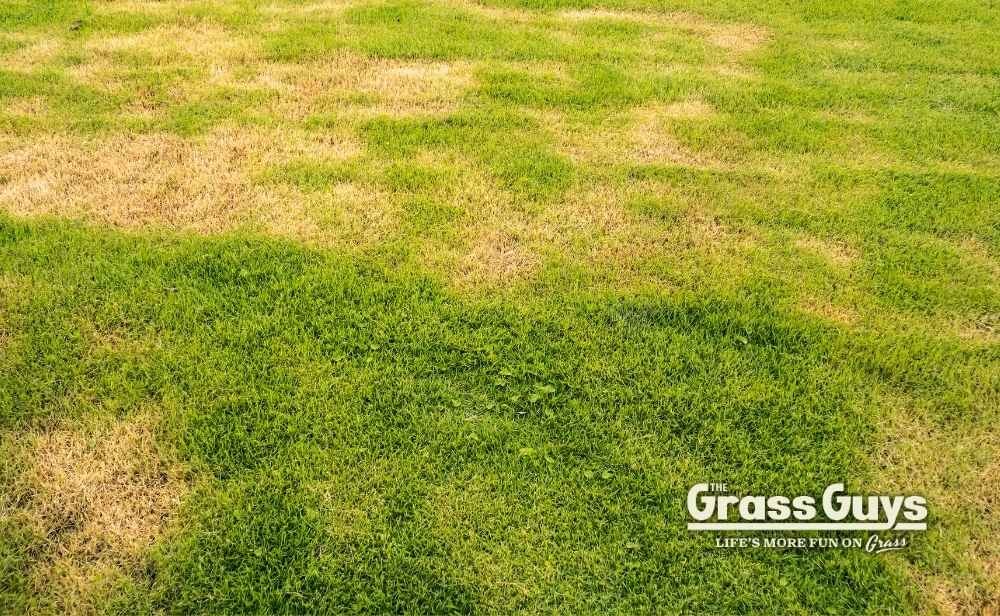
Summer is when most cool-season lawns struggle.
Heat.
Humidity.
Drought.
Traffic.
And then we throw mowing on top of it.
If you mow incorrectly during summer, you can push a stressed lawn over the edge.
But here is the key:
You do not stop mowing in summer.
You adjust how you mow.
Let’s walk through exactly how to handle mowing during heat.
Should You Mow During a Heat Wave?
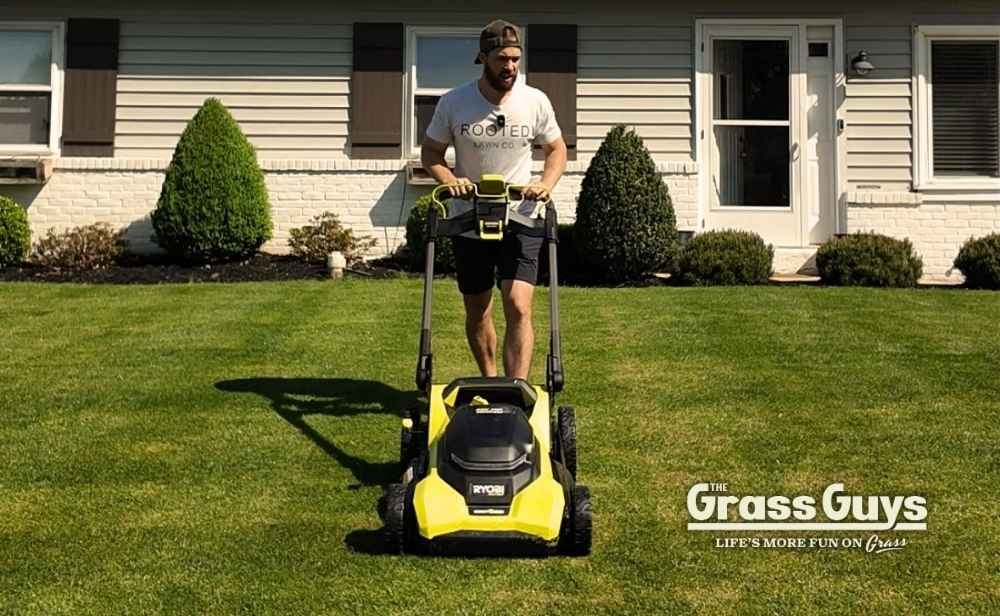
Yes, but carefully.
If grass is actively growing, it still needs mowing.
However, be careful on the following:
- Do not scalp
- Do not mow at peak heat
- Do not remove too much at once
Your goal in summer is preservation, not perfection.
Raise Your Mowing Height
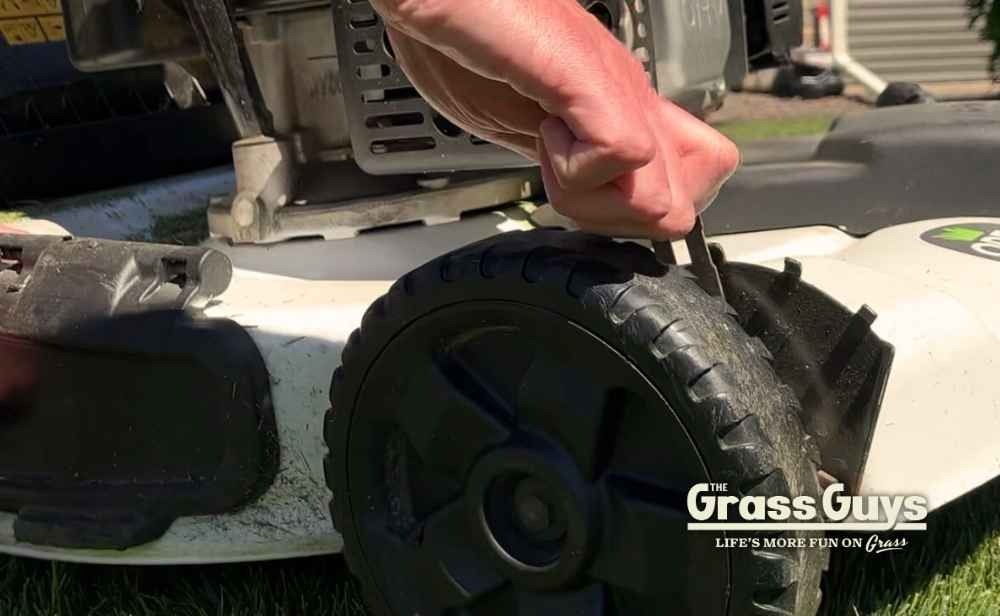
This is the most important adjustment.
For cool-season lawns in summer:
Mow at 3.5 to 4 inches.
Why slightly taller grass can help:
- Shades the soil
- Reduces moisture evaporation
- Encourages deeper roots
- Protects crown of the plant
- Reduces weed pressure
Short grass in summer can equal stressed grass, if not properly maintained.
If you change nothing else, raise your deck height.
👉 See: Best Mowing Height by Grass Type
Mow More Frequently, Not Shorter
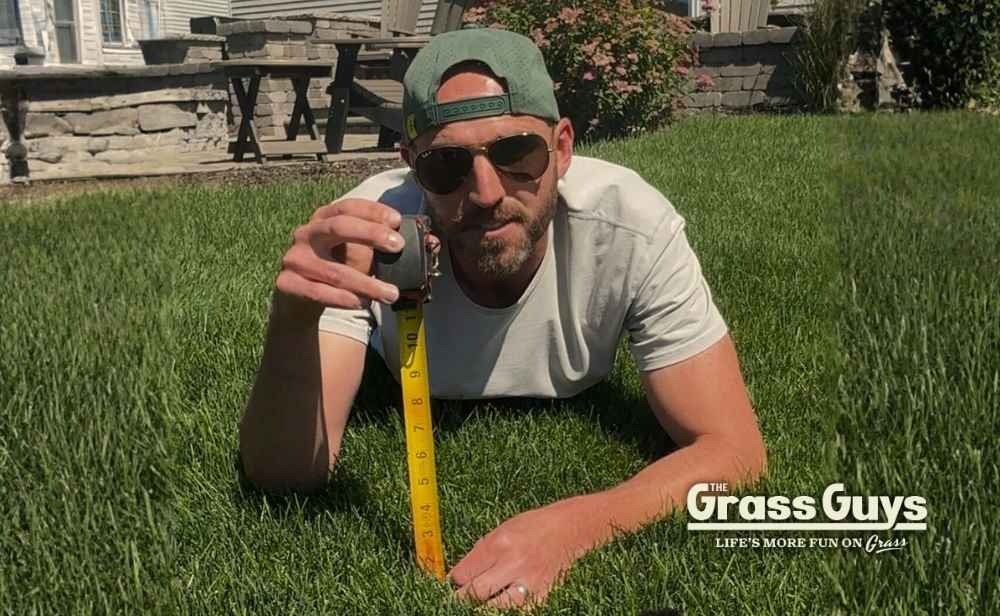
During summer, grass may slow down.
But when it grows after rain or irrigation, do not wait too long.
Follow the Golden Rule: The 1/3 Rule:
Never remove more than one third of the blade at one time.
If you let it get too tall and then cut it short, you shock the plant during peak stress.
Consistency will set you up to beat the heat.
Mow at the Right Time of Day
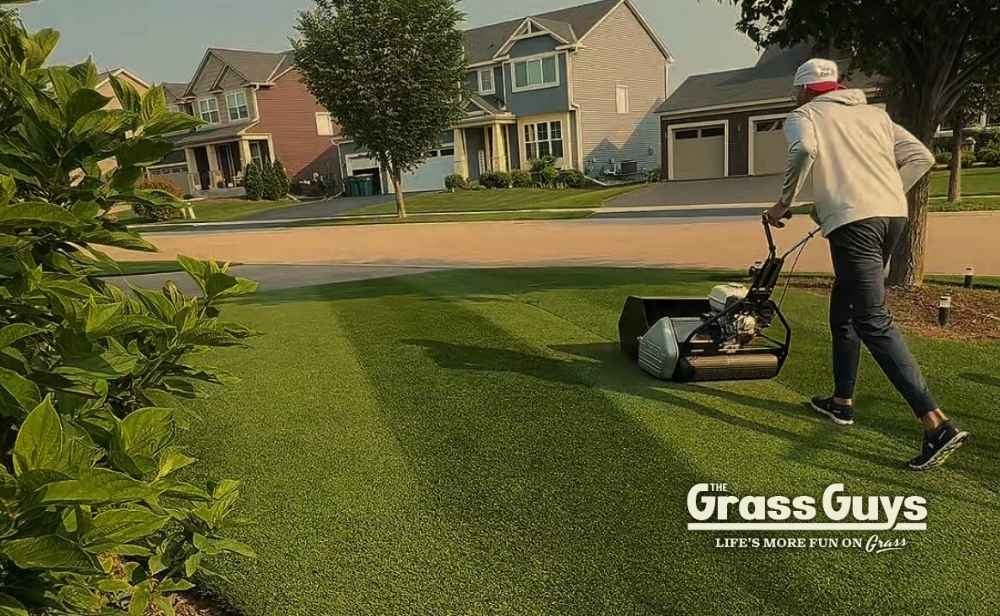
Avoid mowing during the hottest part of the day.
The best times to mow:
- Early morning after dew dries
- Early evening once temperatures drop
Times to avoid mowing:
- Midday mowing in extreme heat
- Mowing when turf is already wilted
If grass looks folded or dull blue-gray, it is heat stressed. Water first. Mow later.
Keep Your Blades Sharp
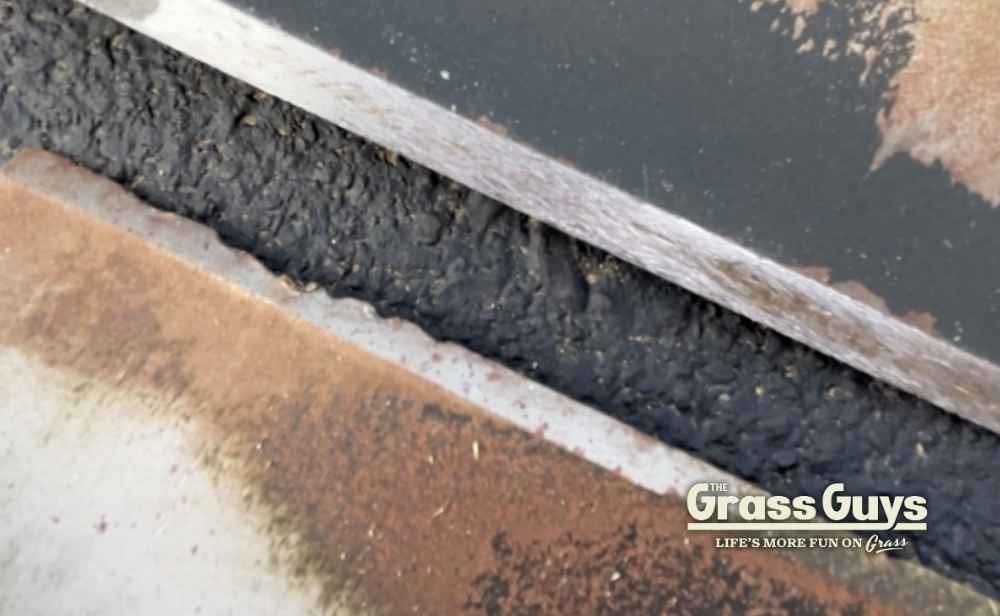
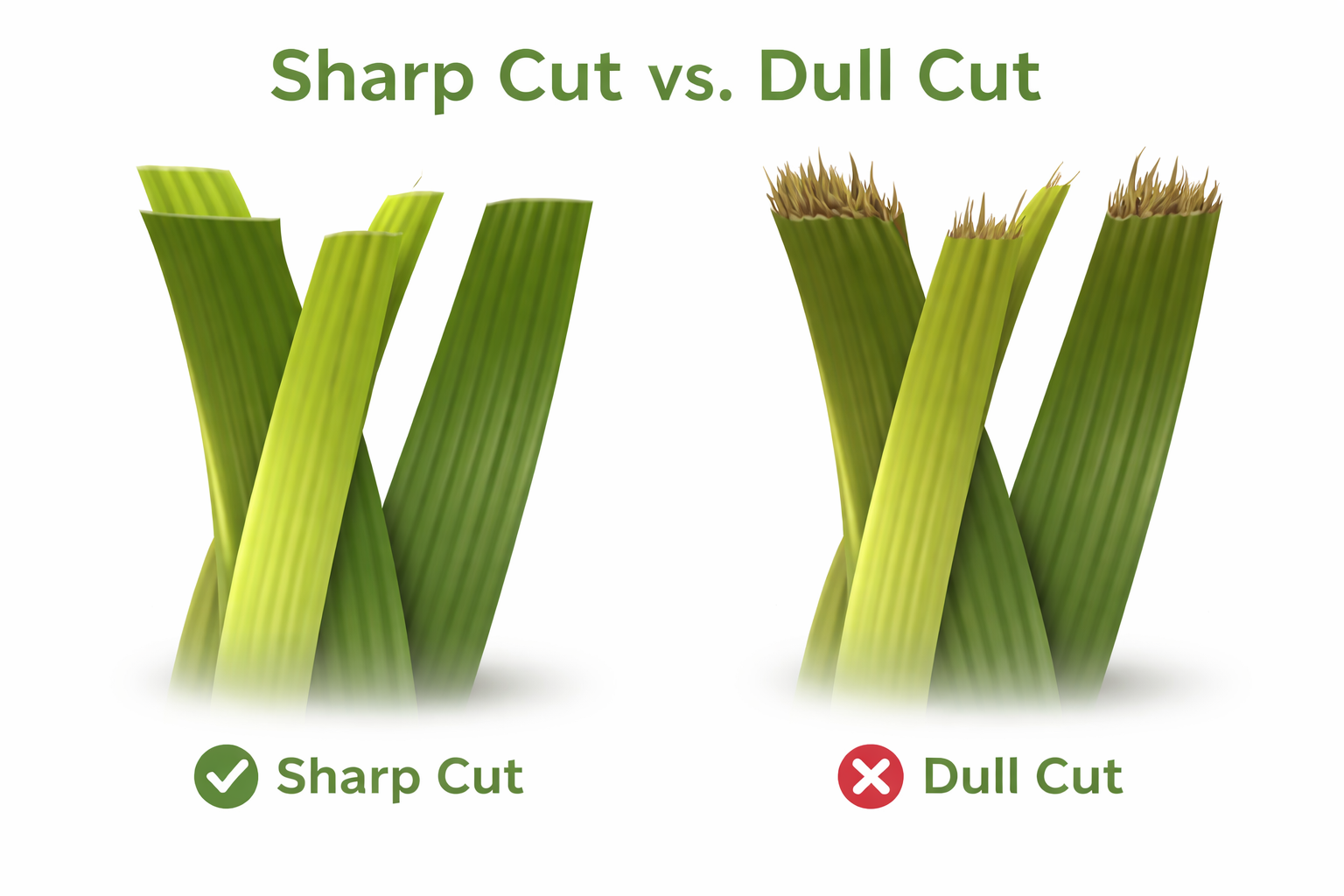
Summer is not the time for dull blades.
Clean cuts:
- Reduce moisture loss
- Lower disease risk
- Heal faster
- Improve appearance
Dull blades tear the leaf, increasing stress and browning.
👉 See: When to Sharpen Mower Blades
Should You Mulch, Bag, or Side Discharge in Summer?
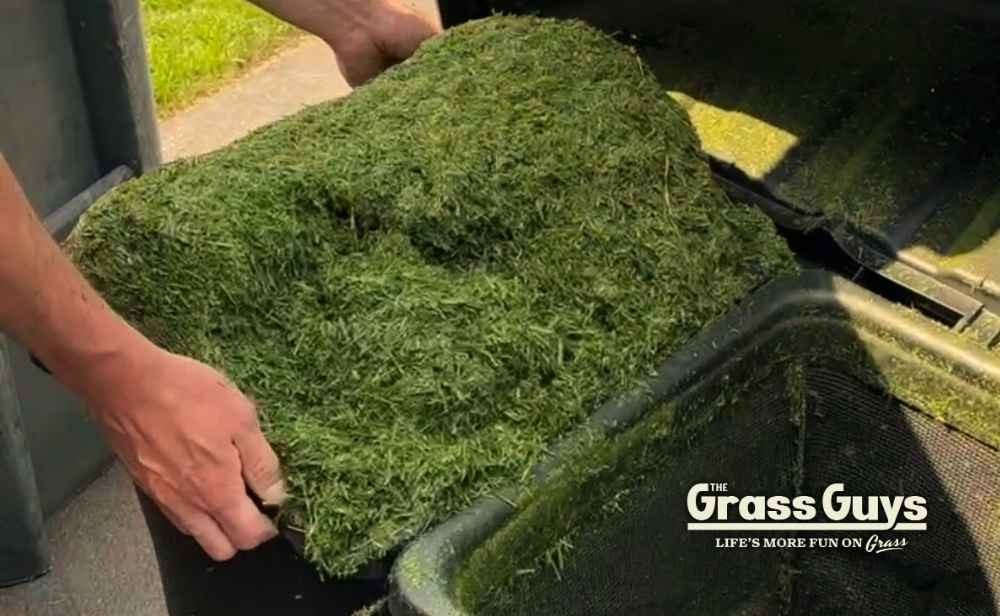
Mulching is usually best.
Mulching:
- Returns nitrogen
- Adds organic matter
- Improves soil health
Bag only when:
- Grass is excessively long
- Clumping is severe
- Lawn is diseased
Side discharge can help during heavy flush growth after rain.
👉 See: What Should You Do With Grass Clippings?
What If the Lawn Goes Dormant?
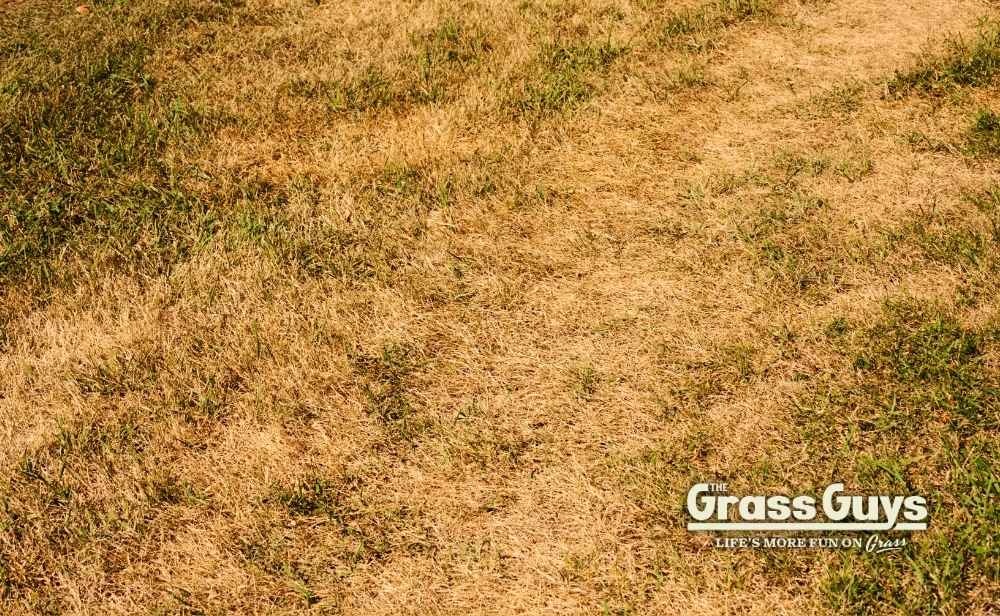
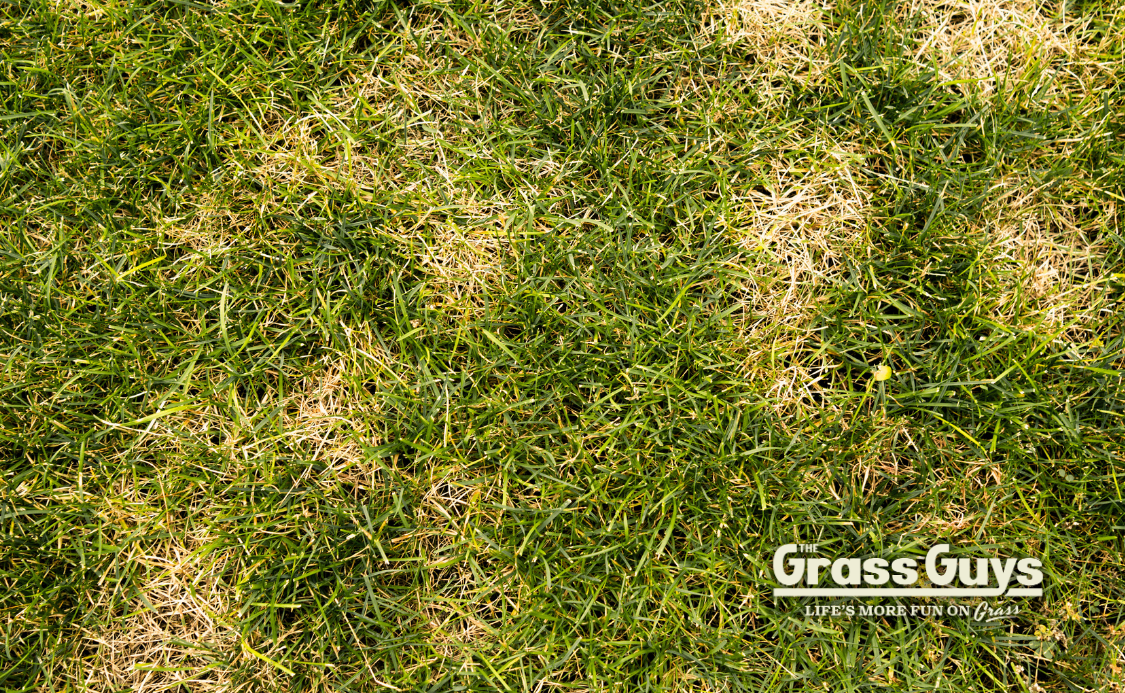
Cool-season lawns may go partially dormant in extreme heat.
Signs of dormancy:
- Brown color
- Slow growth
- Footprints remain visible
If lawn is dormant:
- Reduce mowing frequency
- Avoid heavy traffic
- Keep height high
- Water deeply if maintaining green
Do not try to force growth with heavy fertilizer during heat.
Should You Fertilize and Mow Aggressively in Summer?
No.
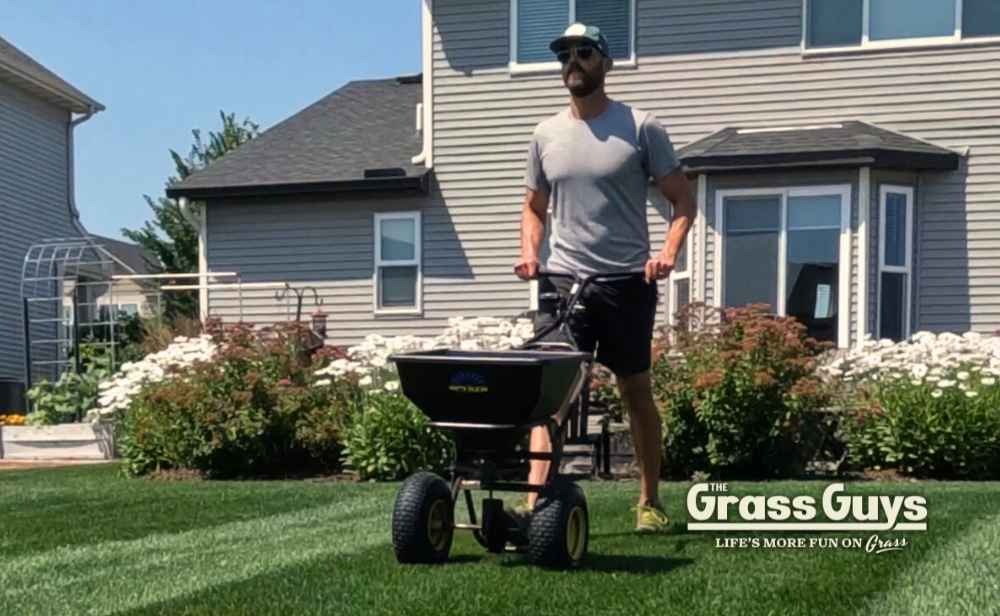
Summer is not the time for aggressive nitrogen pushes.
Excess nitrogen in heat:
- Encourages soft growth
- Increases disease risk
- Raises water demand
Focus on survival and consistency.
Fall is for heavy feeding.
👉 See: Cool-Season Lawn Calendar
Summer Mowing Mistakes to Avoid
Most homeowners can improve the appearance of their lawn during the summer by actively avoiding these common mistakes.
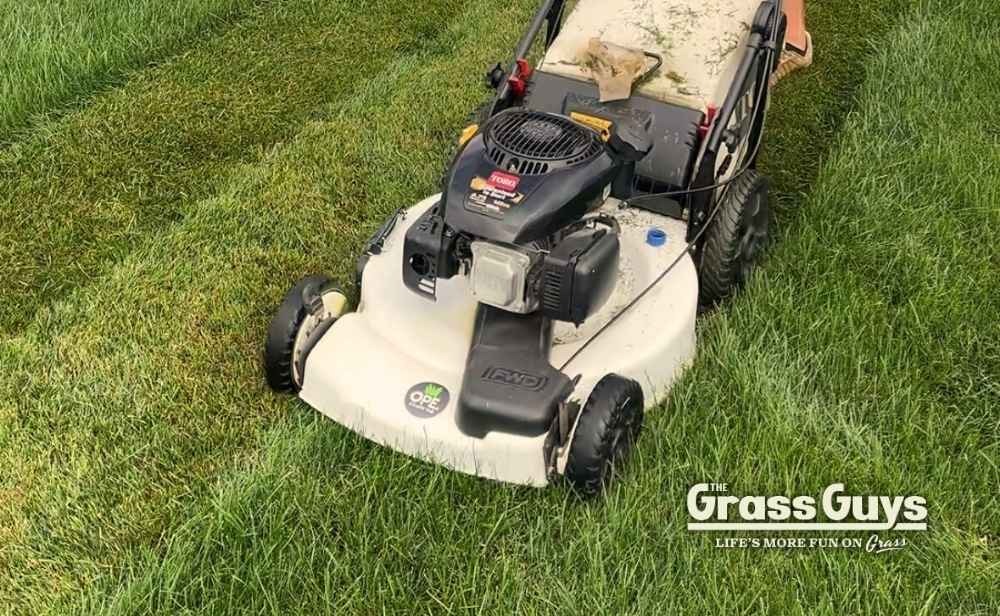
Common mistakes include:
Cutting too short
Mowing during peak heat
Using dull blades
Letting grass get too tall before cutting
Over-fertilizing during heat
Ignoring watering depth
Most summer lawn damage is self-inflicted.
The Summer Mowing Mindset
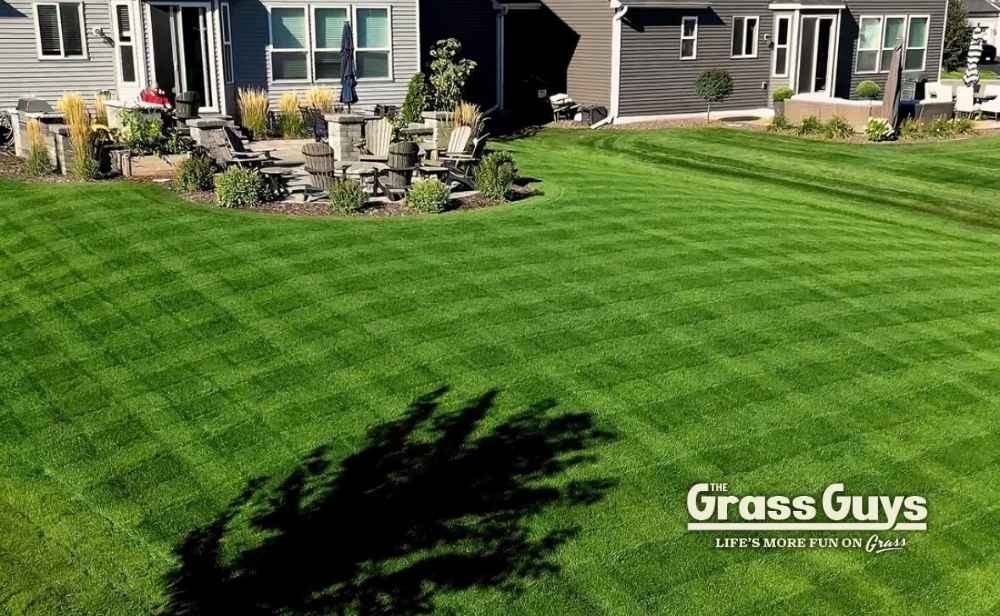
Think of summer as lawn preservation mode.
Your goal is:
- Protect roots
- Maintain density
- Reduce stress
- Keep turf healthy enough to rebound in fall
Fall is when cool-season lawns shine.
Summer is about survival.
Final Thoughts
Mowing in summer heat is not about chasing perfection.
It is about protecting your lawn from unnecessary stress.
Raise your height.
Keep blades sharp.
Mow during cooler parts of the day.
Stay consistent.
Protect your lawn now so it can thrive later.
When fall arrives, you will be glad you managed summer correctly.