Best Mowing Height by Grass Type
Cool-Season Grasses in Cool-Season and Transition Zone Lawns
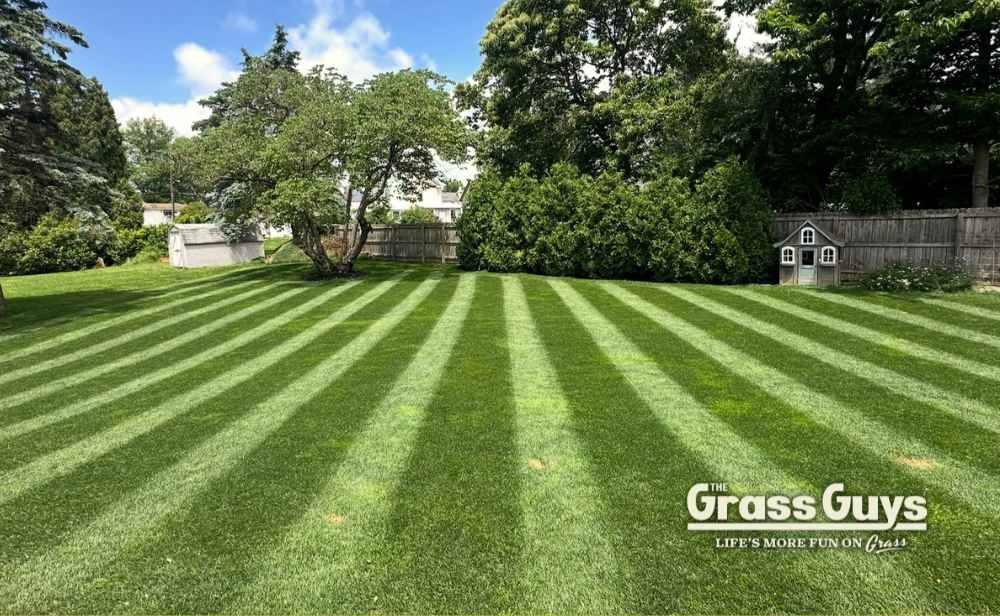
How High to Cut for a Thicker, Healthier Lawn
One of the fastest ways to improve your lawn?
Set your mower height correctly.
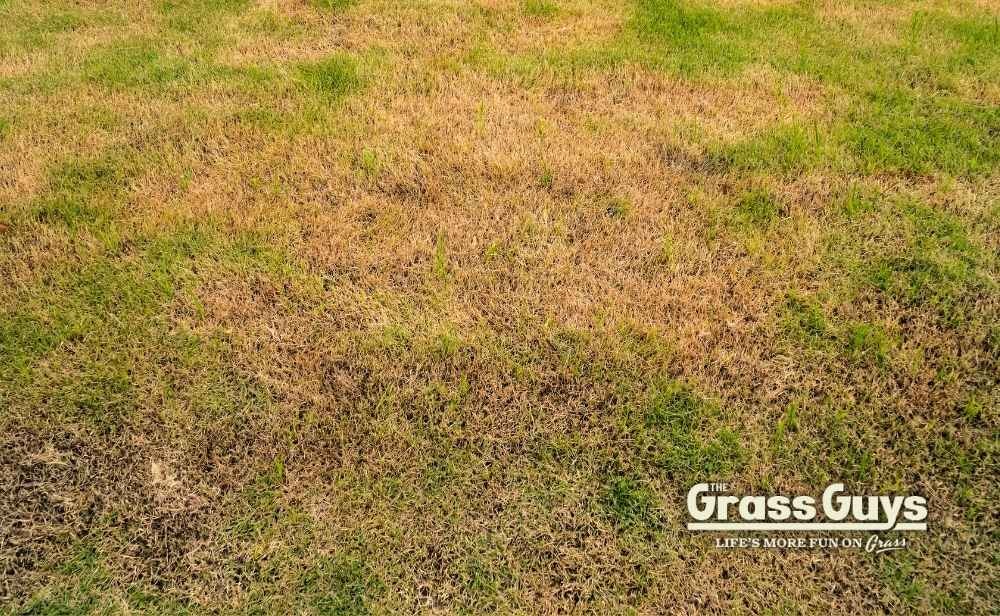
Cut too low and you:
- Weaken roots
- Invite weeds
- Increase drought stress
- Create browning
Cut at the proper height and you:
- Improve density
- Build deeper roots
- Retain moisture
- Reduce weed pressure
But here’s the key:
Different grass types perform best at different heights.
Let’s break it down.
Tall Fescue
Keep it tall, for most
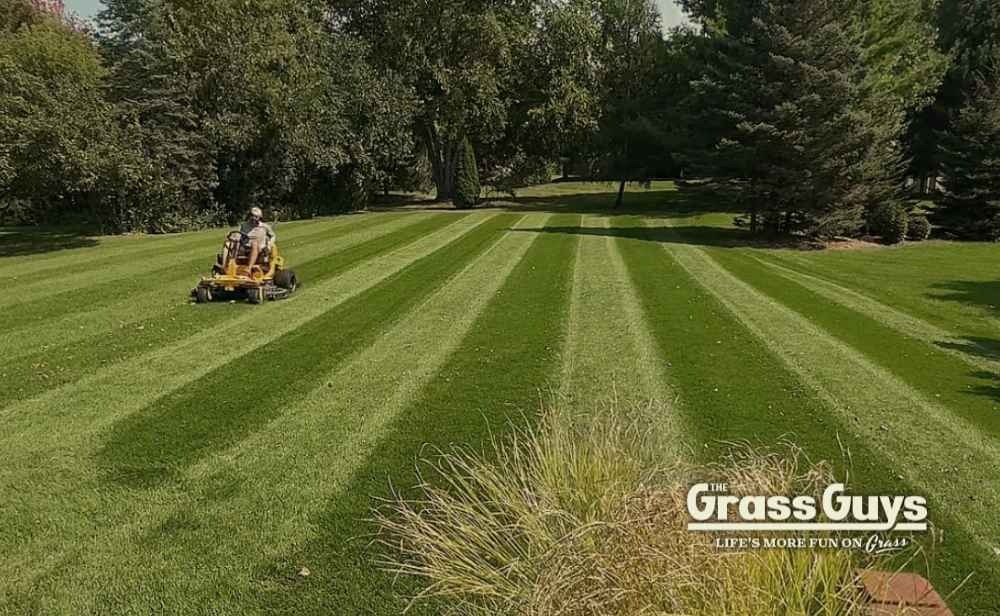
Ideal Height:
3–4 inches
Why Tall Fescue performs better if left taller:
- Deep root potential
- Better drought tolerance
- Improved heat resistance
- Stronger summer survival
Cutting tall fescue too short can:
- Reduce drought tolerance
- Cause thinning
- Increase stress during heat waves
If you live in a hotter cool-season region:
Stay near 3.5-4 inches in summer.
Kentucky Bluegrass:
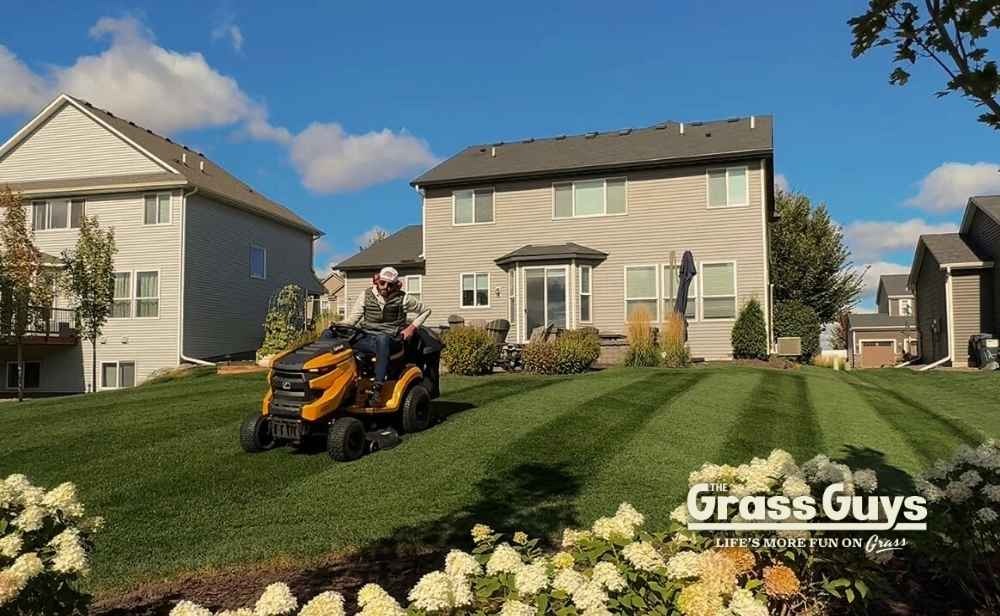
Ideal Height:
2.5–3.5 inches
Bluegrass is versatile.
At ~3 inches:
- Excellent density
- Strong color
- Great striping
In summer:
Bump it closer to 3.5 inches.
Kentucky Bluegrass spreads via rhizomes, so it can self-repair, but it still benefits from being kept taller during stress periods.
Perennial Ryegrass:
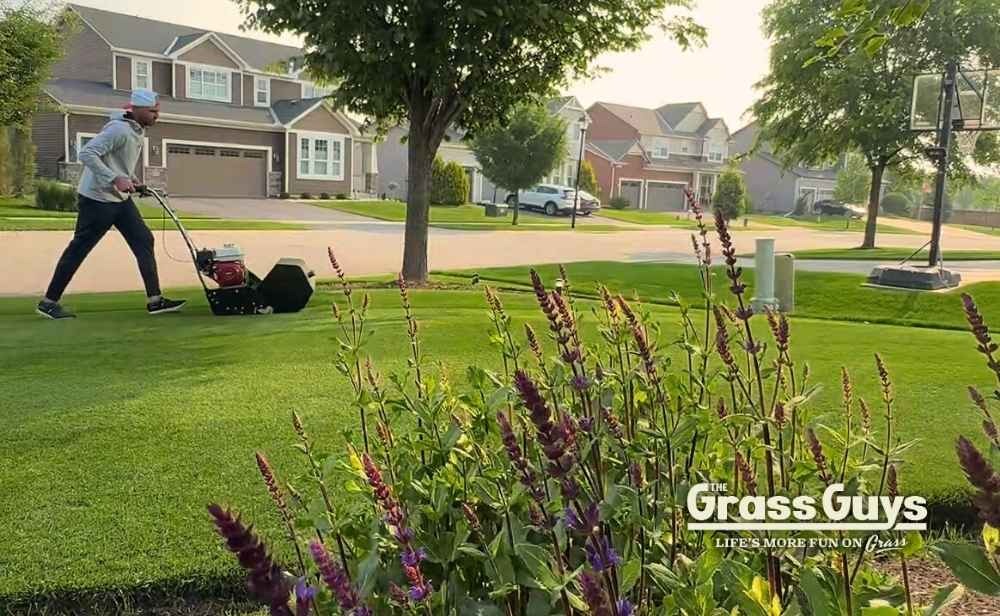
Ideal Height:
2.5–3.5 inches
Ryegrass responds very well to:
- Frequent mowing
- Sharp blades
- Moderate height
It doesn’t tolerate scalping well.
If used in blends, follow the dominant species height.
Fine Fescue:
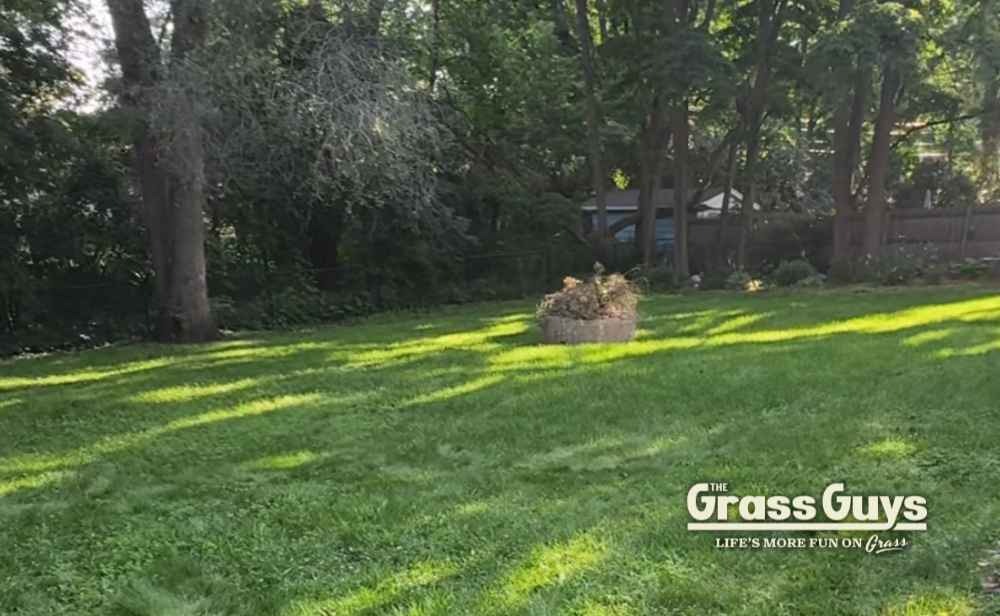
Ideal Height:
2.5–3.5 inches
Fine fescue:
- Performs well in shade
- Requires less fertility
- Benefits from moderate height
Avoid cutting too short in shady areas as it weakens the plant quickly.
Why Taller Grass Is Almost Always Better
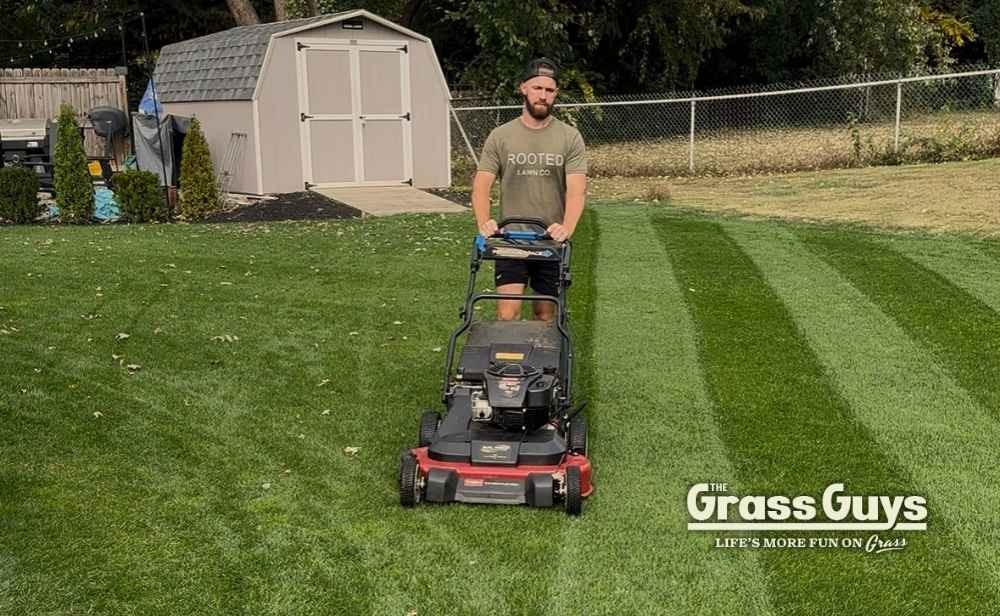
Regardless of grass type, taller grass, in most cases:
- Shades soil
- Reduces evaporation
- Suppresses weeds
- Encourages deeper rooting
- Improves stress tolerance
Short lawns look “clean” for a day.
Tall lawns perform all season.
The Golden Rule: "The 1/3 Rule"
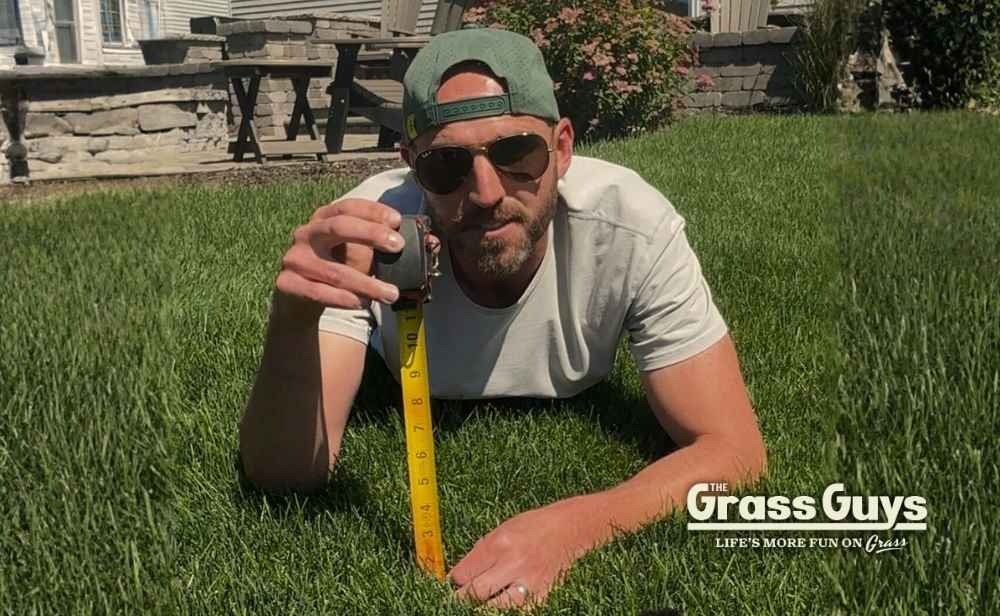
Never remove more than 1/3 of the blade at one time.
Example:
If grass is 4.5 inches tall, don’t cut below 3 inches.
Breaking this rule:
- Shocks the plant
- Reduces root mass
- Causes browning
Mow more frequently instead of cutting lower.
Seasonal Adjustments
Spring
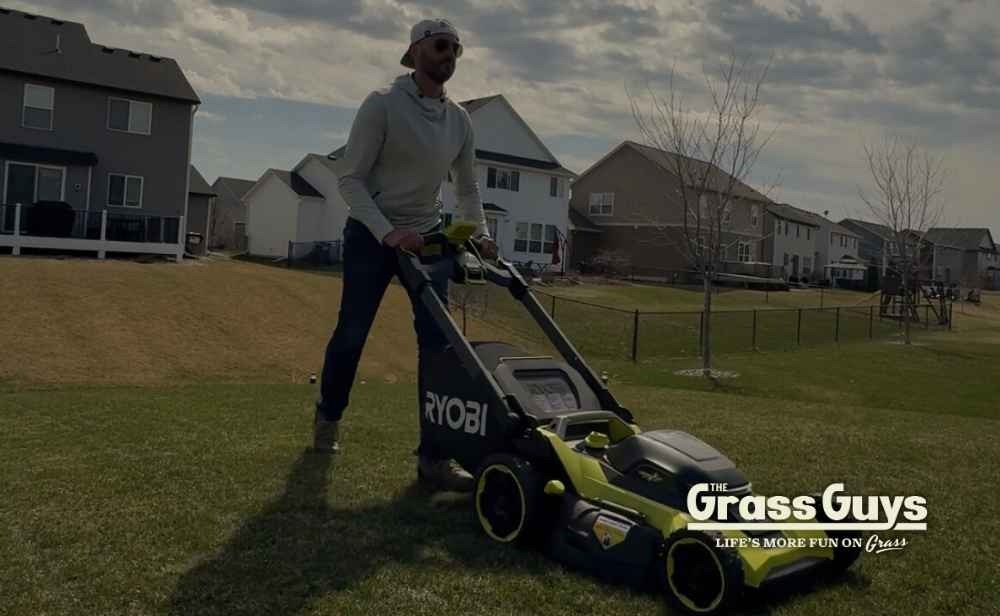
- Slightly lower end of range
- 2.5–3 inches works well
Summer
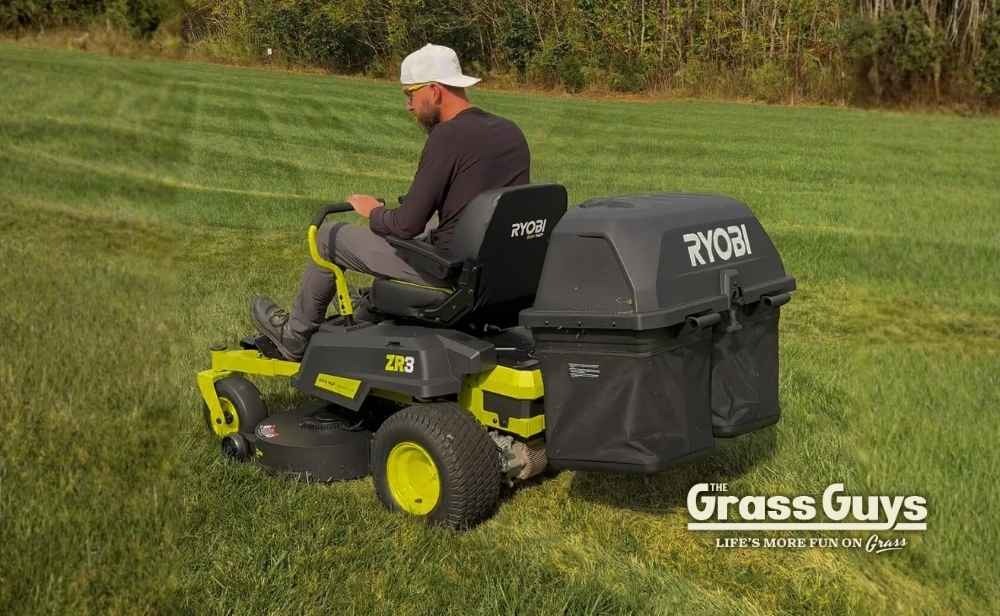
- Raise height 0.5–1 inch
- Protects against heat stress
Fall
- Maintain moderate height
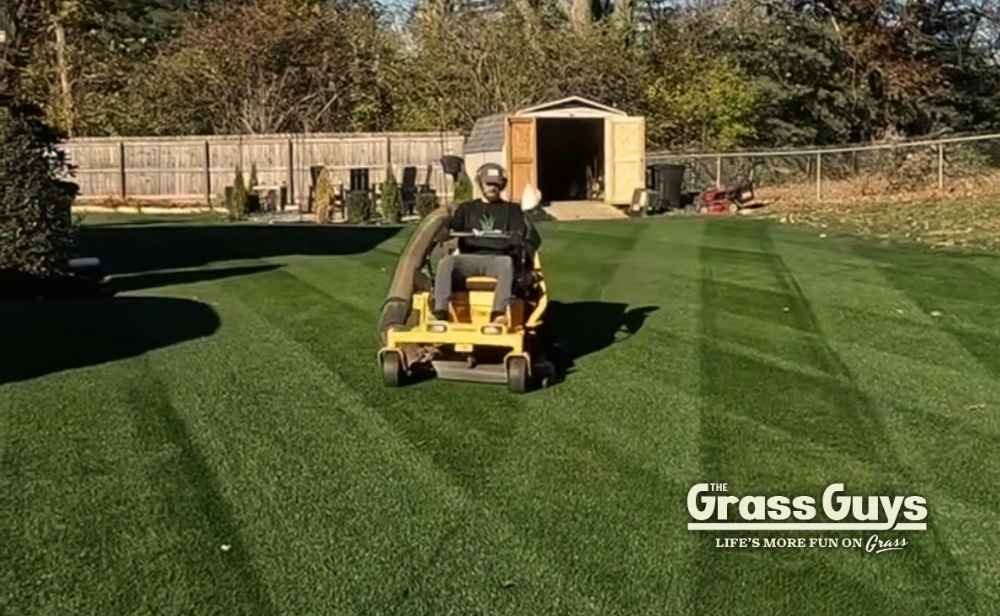
- Final mow slightly lower (~2.5–3 inches)
👉 See: Lawn Mowing Mastery
👉 See: Cool-Season Lawn Calendar
What Happens If You Cut Too Short?
Scalping causes:
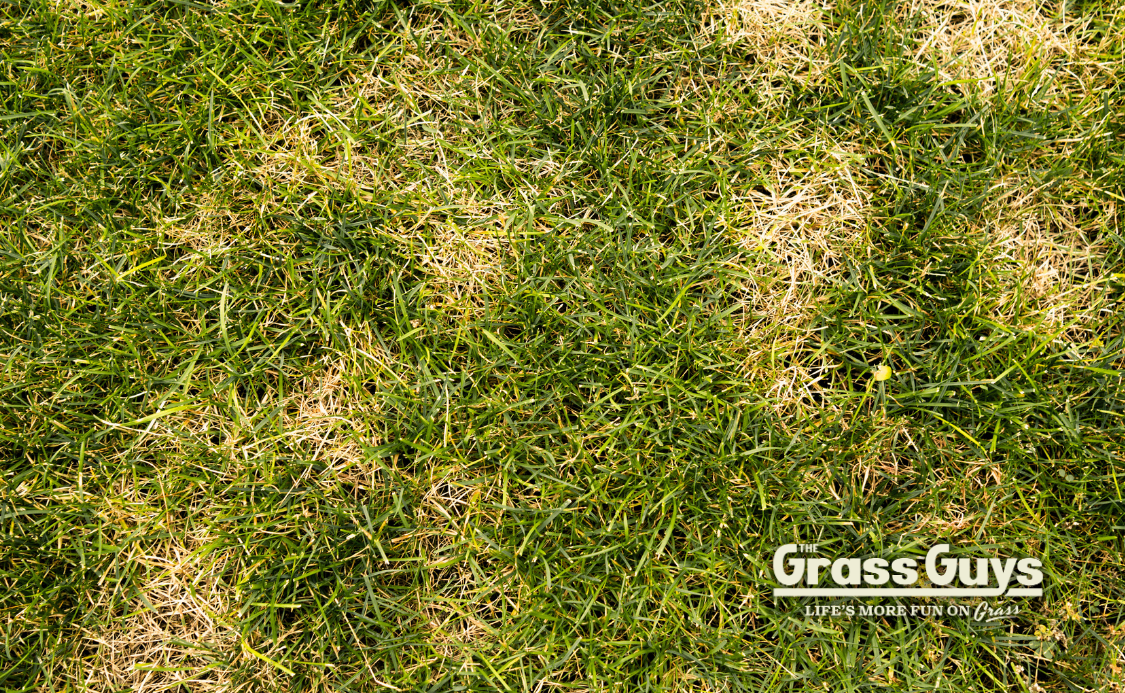
- Brown lawn appearance
- Reduced density
- Increased weed invasion
- Greater water demand
- Summer burnout
Many lawns struggle simply because they’re cut too low.
Raising your mower may be the easiest lawn upgrade you make this year.
What If You Have a Blend?
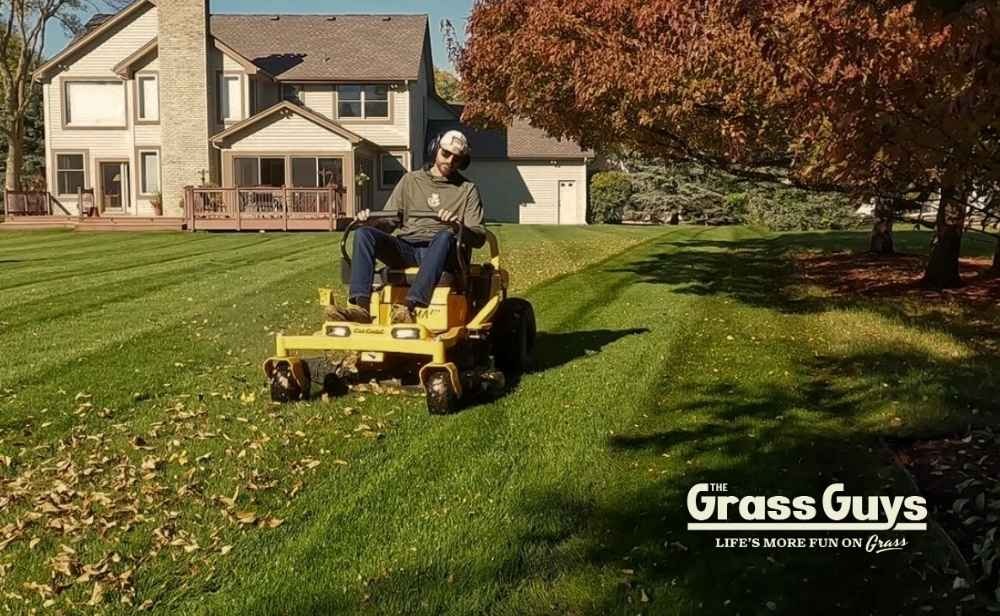
Most modern lawns are blends.
Follow the height of the dominant grass type.
If unsure:
3–3.5 inches is a safe universal range for cool-season lawns.
When to Lower Height
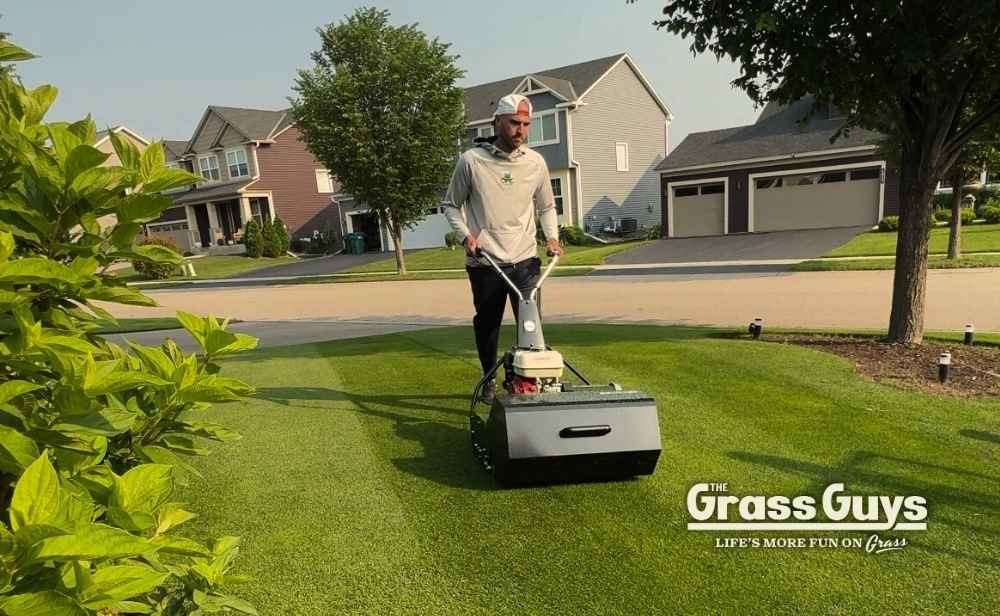
Only lower mowing height intentionally if:
- Preparing for overseeding
- Performing renovation prep
- Final mow before winter
Never lower just for appearance.
Want to Pair Height With the Right Grass?
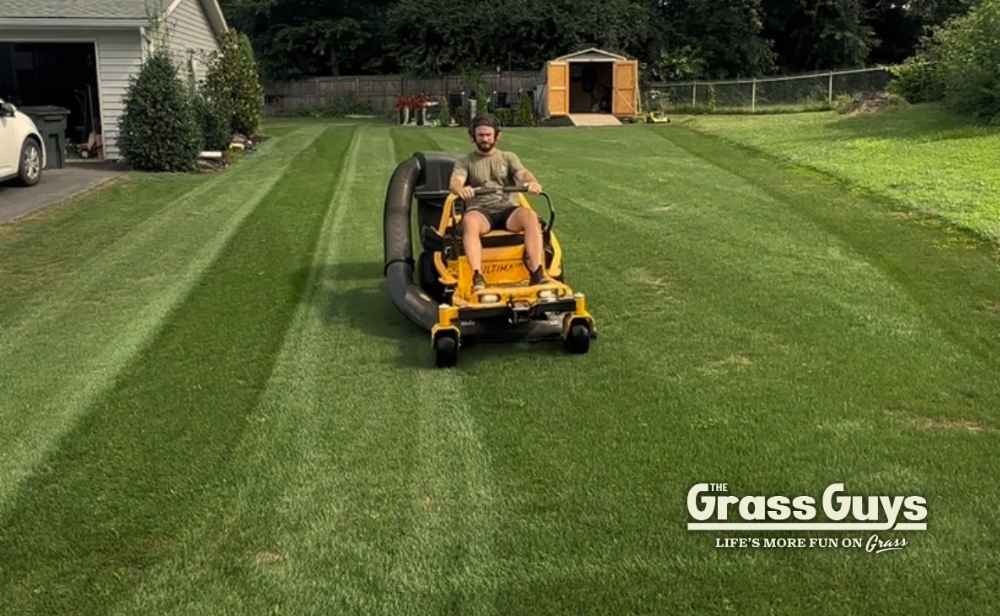
Height matters, but grass type matters more.
If you’re unsure whether your lawn is:
- Tall fescue dominant
- Bluegrass dominant
- Shade-heavy blend
- Drought-focused mix
Download our free guide: 👉 What Grass is Best for Me?
It includes:
- Our seed recommendations
- Sun vs shade picks
- Traffic vs drought breakdowns
- Maintenance comparisons
Plus seasonal reminders.
Final Thoughts
The best mowing height isn’t about what looks good today.
It’s about what builds strength for tomorrow.
For most cool-season lawns:
3–4 inches will be the name of the game.
Mow high.
Mow consistently.
Protect your roots.
Your lawn will separate itself.