Liquid vs Granular Fertilizer
Which One Is Better for Your Lawn?
If you walk down the fertilizer aisle, you will see two main formats:
Liquid fertilizers
Granular fertilizers
Both can grow a healthy lawn.
Both can be misused.
Neither is automatically better.
The real question is:
What are you trying to accomplish?
Let’s break it down clearly.
This article sets the foundation for a deeper understanding of:
What Is Granular Fertilizer?
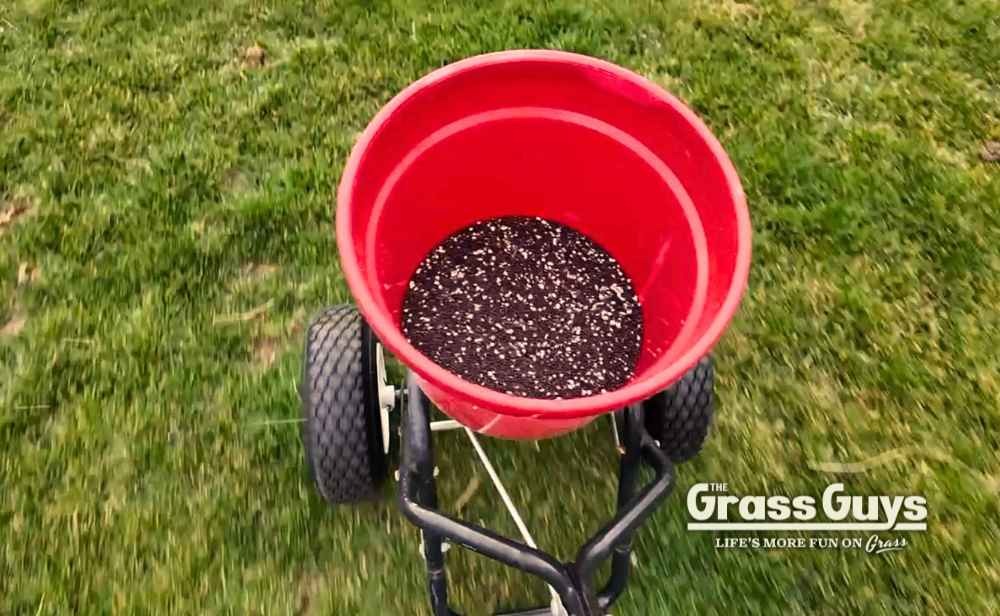
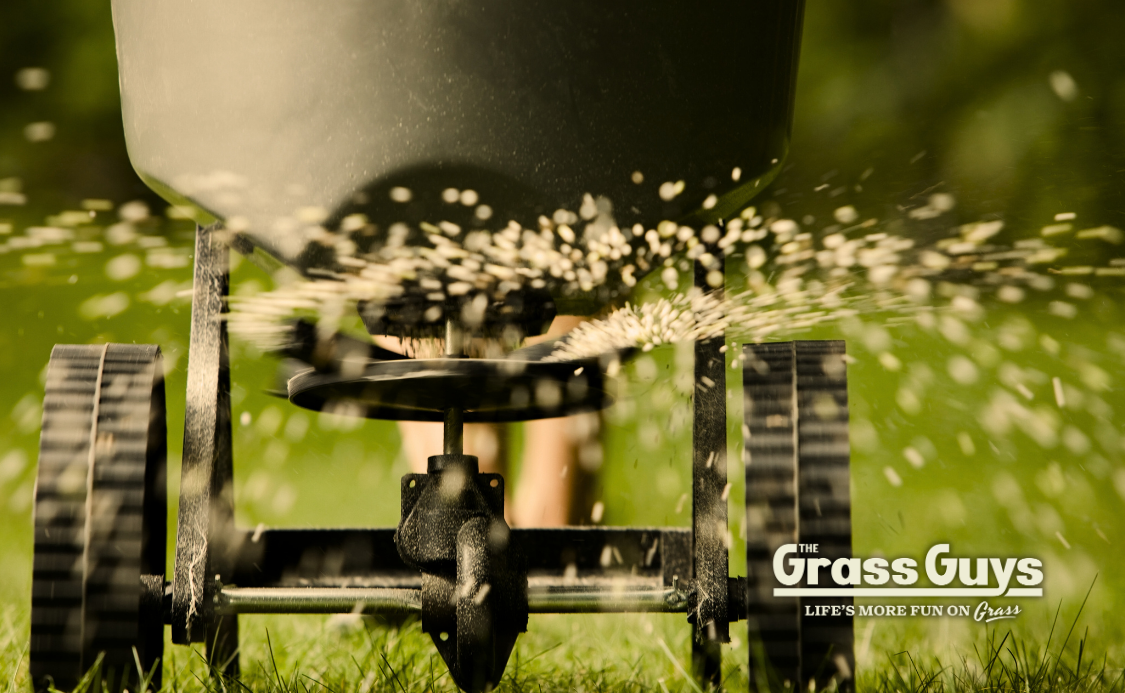
Granular fertilizer comes in dry pellet form and is applied using a broadcast or drop spreader.
It is the most common format for homeowners.
After application, nutrients are released through:
- Watering
- Rainfall
- Soil moisture
Granular products often contain slow-release components that feed over time.
Pros of Granular Fertilizer
- Easy to apply
- Long-lasting feeding
- Ideal for full-lawn coverage
- Often more cost-effective per pound of nitrogen
- Lower risk of uneven application when spread properly
For most homeowners, granular fertilizer is the simplest and most practical option.
Cons of Granular Fertilizer
- Slower visible results compared to liquid
- Requires watering in
- Can leave striping if spread unevenly
- Less precise for small corrective applications
Granular is excellent for base feeding but less ideal for quick adjustments.
What Is Liquid Fertilizer?
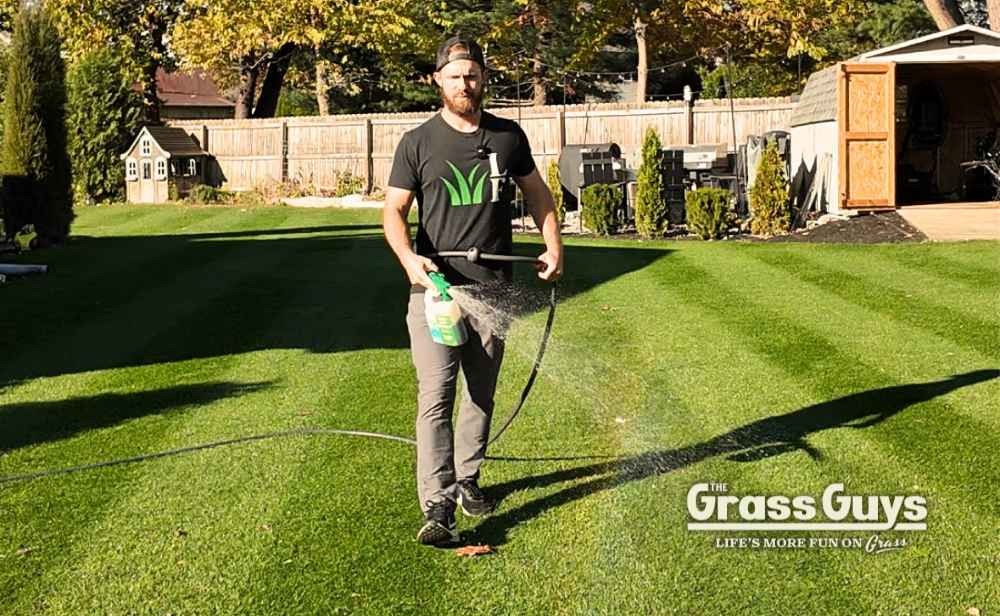
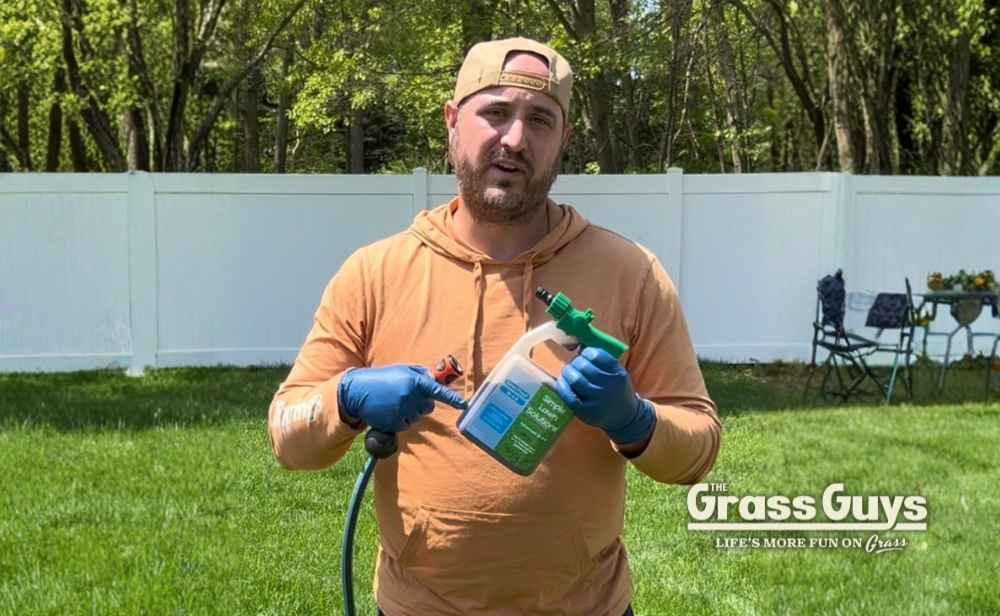
Liquid fertilizer is mixed with water and applied using a sprayer.
Nutrients are absorbed:
- Through roots
- And sometimes partially through leaf tissue
Liquid applications are often faster acting.
Pros of Liquid Fertilizer
- Faster visible green-up
- More uniform coverage when sprayed properly
- Excellent for spot treatments
- Precise nutrient control
- Ideal for micronutrient applications
Liquid is often used for fine-tuning or rapid correction.
Cons of Liquid Fertilizer
- Shorter feeding duration
- Requires spraying equipment
- Can be more time-consuming
- Typically higher cost per pound of nitrogen
- More frequent applications needed
Liquid works quickly, but it does not usually last as long.
Speed of Results
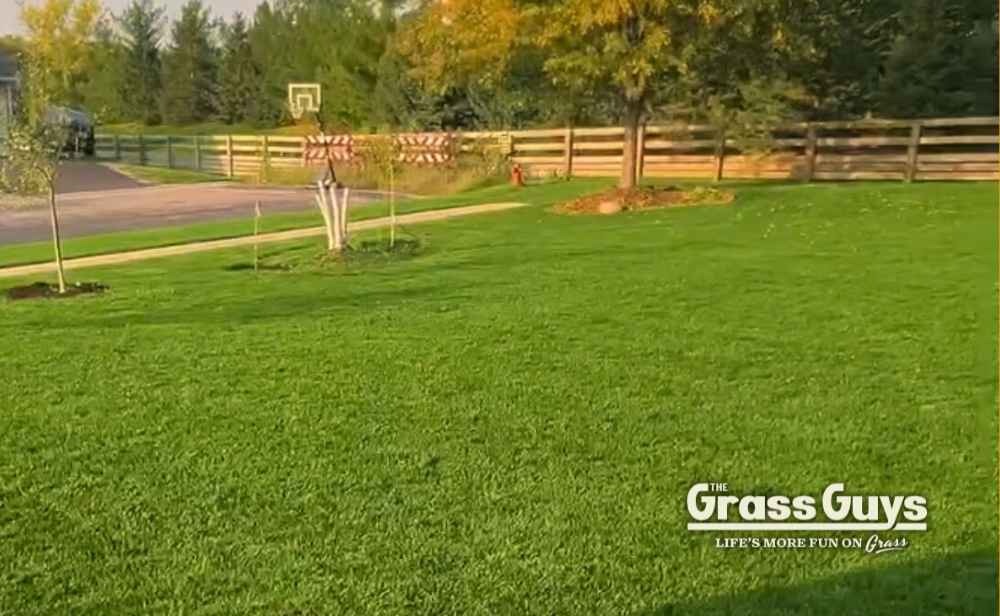
Liquid fertilizer typically shows color response within days.
Granular fertilizer may take a week or more depending on release type.
If you want rapid green-up before an event, liquid delivers faster results.
If you want steady, longer-term feeding, granular is often more efficient.
Longevity of Feeding
Granular fertilizers often include slow-release nitrogen.
That means nutrients are released gradually over weeks.
Liquid fertilizers generally feed quickly but for a shorter duration.
If you want fewer applications per season, granular often makes more sense.
Equipment Differences
Granular fertilizers require:
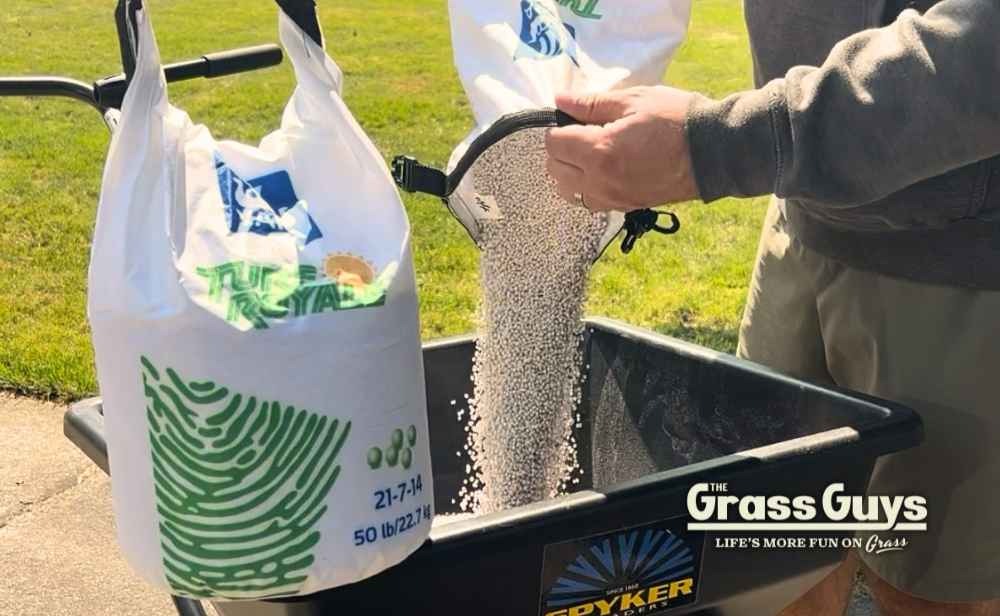
- A spreader
- Even walking pace
- Calibration awareness
Liquid fertilizers require:
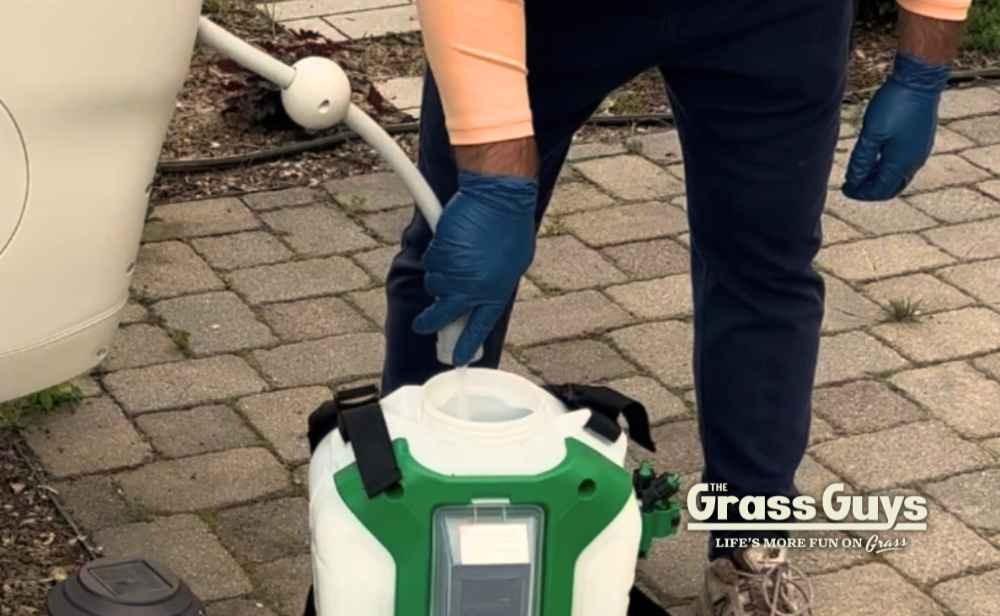
- A sprayer
- Mixing accuracy
- Consistent pressure and coverage
Both require attention to detail.
Improper application of either can cause striping or uneven growth.
Burn Risk
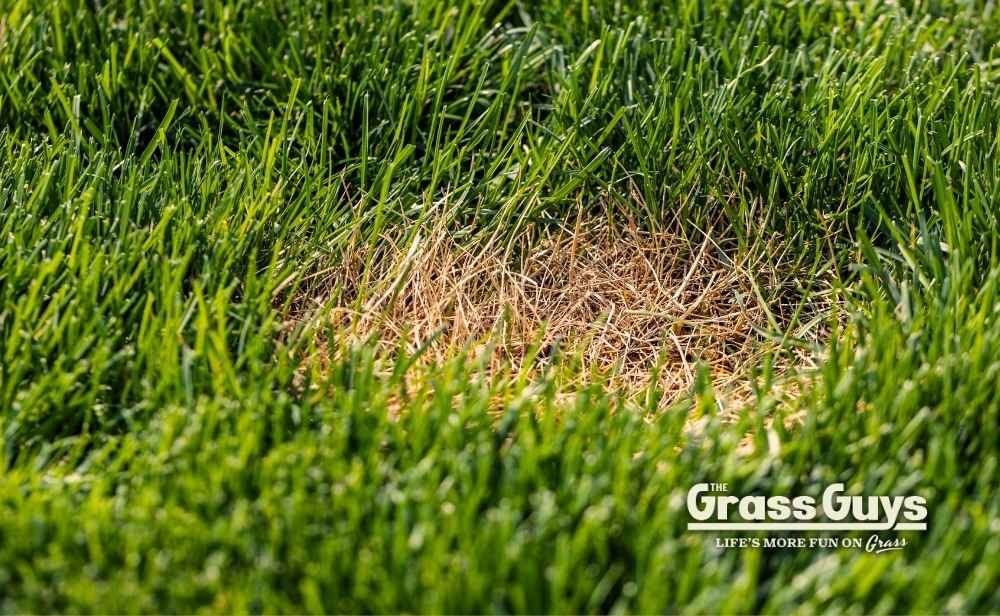
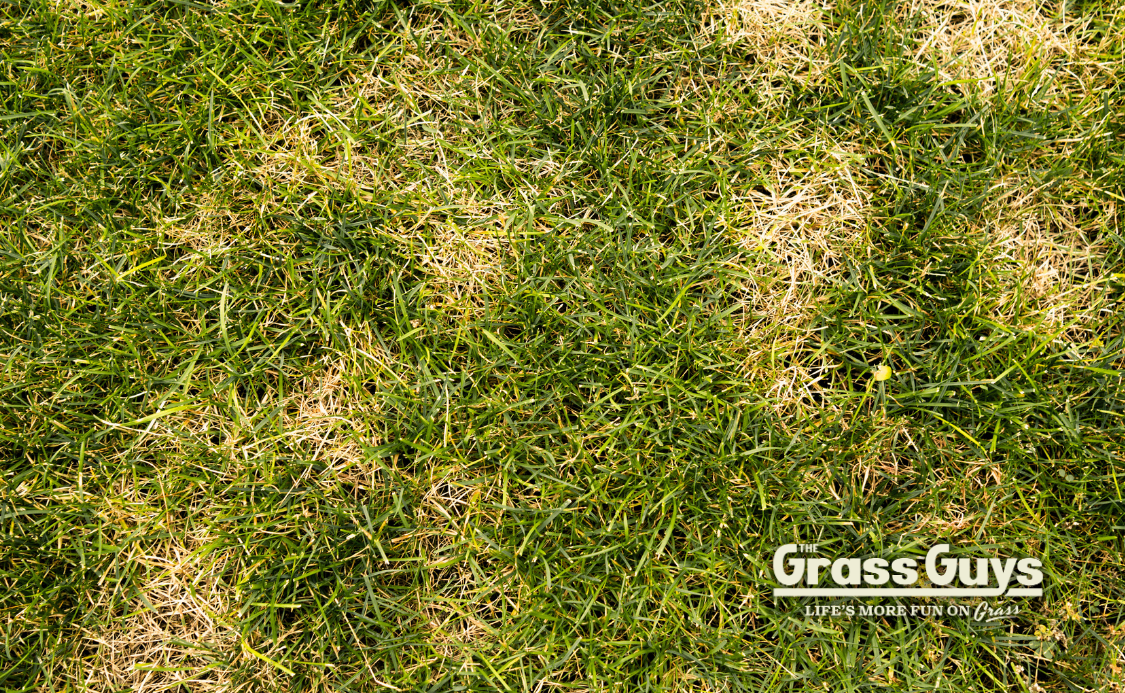
Both types can burn if misapplied.
Granular burn typically happens when:
- Overapplied
- Not watered in
- Applied during extreme heat
Liquid burn can happen when:
- Mixed too strong
- Applied during high heat
- Applied to drought-stressed turf
Application timing matters more than format.
When to Use Granular Fertilizer
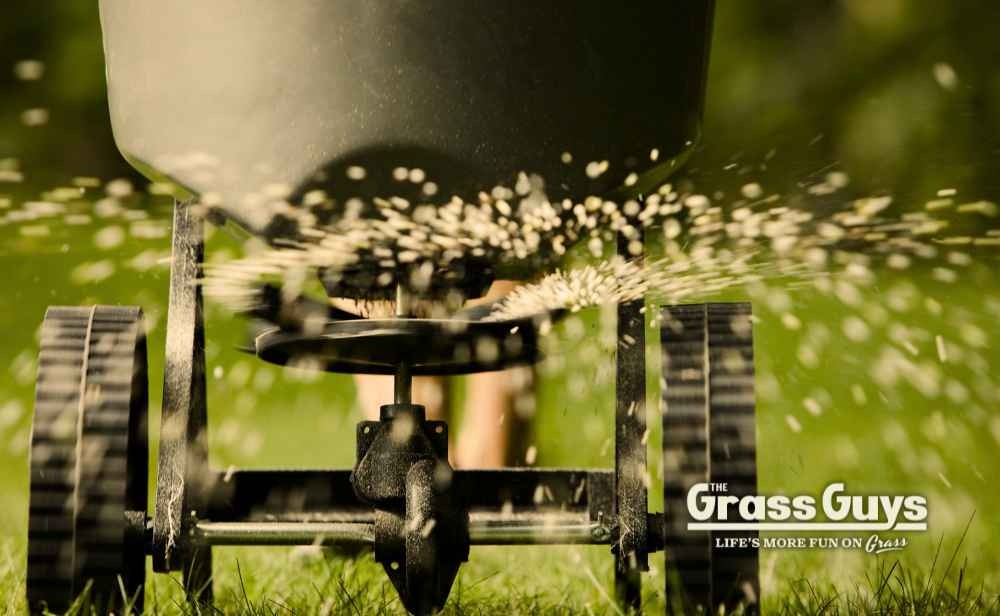
Granular works best for:
- Seasonal base feeding
- Fall nitrogen applications
- Large lawns
- Homeowners wanting simplicity
- Long-term nutrient delivery
Most cool-season lawn programs rely primarily on granular feeding.
When to Use Liquid Fertilizer
Liquid works best for:
- Spoon-feeding programs
- Quick color correction
- Micronutrient supplementation
- Spot treatments
- Fine-tuning growth
- Supplemental feeding between granular cycles
For most homeowners, liquid is often used as a complement, not a replacement.
Can You Use Both?
Yes.
Many effective lawn programs combine both formats.
Example:
Granular in spring and fall for base feeding.
Liquid in between for fine-tuning or micronutrients.
This hybrid approach gives both longevity and flexibility.
Cost Considerations
Granular typically provides:
- Lower cost per pound of nitrogen
- Fewer total applications
Liquid often requires:
- More frequent applications
- More time investment
- Can be more cost effective per appplication, depending on what is being applied
Budget and time commitment should influence your choice.
Which Is Better for Cool-Season Lawns?
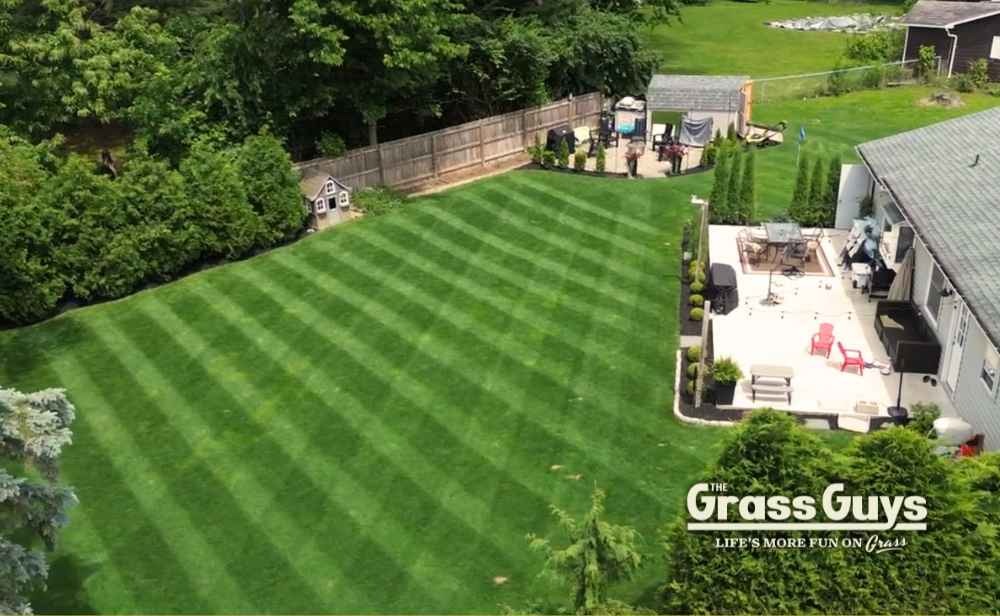
For most homeowners:
Granular fertilizer is the foundation.
Liquid fertilizer is the supplement.
If you are new to lawn care, start with granular.
If you enjoy dialing in performance and making adjustments, liquid adds precision.
The Bigger Picture
Format matters less than:
- Proper timing
- Correct application rate
- Seasonal strategy
- Soil health
Fertilizer works best when supported by:
- Proper mowing height
- Deep watering habits
- Soil testing
👉 See: Fertilizing & Soil Health Guide
👉 See: What Do NPK Numbers Mean?
Final Thoughts
Liquid vs granular is not about better or worse.
It is about speed versus longevity.
Precision versus simplicity.
Adjustment versus foundation.
Choose based on your goals, your schedule, and your comfort level.
Feed strategically.
Measure accurately.
Let timing guide you.
Strong lawns come from consistency, not format.
Where to Go Next