Slow Release vs Fast Release Nitrogen
Understanding the Difference and When to Use Each in Your Lawn
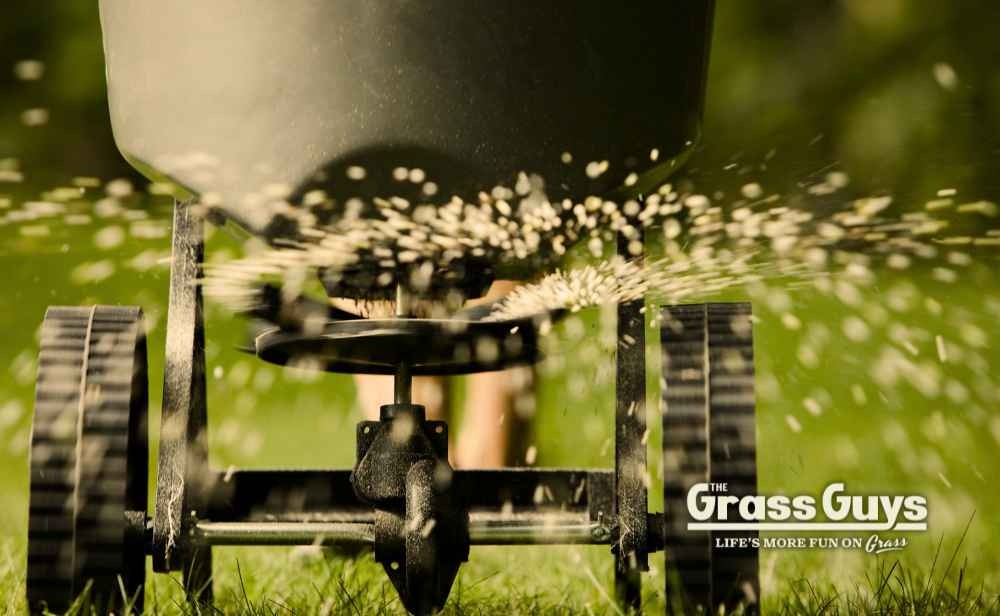
When you look at a fertilizer label, you will often see terms like slow-release nitrogen or quick-release nitrogen.
These terms describe how quickly nitrogen becomes available to your lawn after application.
Both types play an important role in lawn fertilization. The key is understanding how each works and when each is most useful.
Choosing the right type of nitrogen can influence:
• Growth rate
• Lawn color
• Mowing frequency
• Burn risk
• How long fertilizer lasts
This guide explains the differences, how homeowners can use both effectively, and set you up for a deeper understanding of:
Fertilizing & Soil Health Guide
What Do NPK Numbers Mean?
How to Calculate Fertilizer Applications
When to Fertilize Cool-Season Lawns
What Is Nitrogen and Why It Matters
Nitrogen is the nutrient most responsible for:
• Green color
• Leaf growth
• Turf density
• Recovery from stress
Because nitrogen drives growth, the way it is delivered to your lawn can significantly affect how the turf responds.
Some nitrogen sources release nutrients immediately, while others release them gradually over time.
Fast Release Nitrogen

Fast release nitrogen, sometimes called quick-release nitrogen, becomes available to grass shortly after application.
These nutrients dissolve quickly in soil moisture and are immediately available for plant uptake.
This often results in rapid green-up and faster growth.
Characteristics of Fast Release Nitrogen

Fast-release nitrogen typically provides:
• Quick color improvement
• Rapid growth response
• Shorter feeding duration
Because nutrients become available quickly, the effects are often noticeable within a few days.
However, the feeding period may only last a few weeks.
Advantages of Fast Release Nitrogen

Fast release nitrogen can be useful when a lawn needs quick improvement.
Benefits include:
• Rapid greening
• Quick correction of nutrient deficiencies
• Immediate response during active growth periods
For example, a lawn preparing for an event may benefit from a quick green-up.
Limitations of Fast Release Nitrogen

Because nutrients become available quickly, fast release nitrogen can also lead to problems if overapplied.
Potential drawbacks include:
• Higher burn risk if applied excessively
• Increased mowing frequency
• Shorter feeding duration
• Greater potential for nutrient loss during heavy rainfall
For these reasons, fast-release nitrogen is often applied in moderate amounts.
Slow Release Nitrogen

Slow release nitrogen is designed to supply nutrients gradually over time.
Instead of dissolving immediately, these nitrogen sources break down slowly through:
• Microbial activity
• Soil moisture
• Temperature changes
This gradual release provides a more consistent nutrient supply.
Characteristics of Slow Release Nitrogen

Slow release fertilizers typically provide:
• Extended feeding over several weeks or months
• More consistent growth
• Reduced risk of fertilizer burn
Because nutrients are released gradually, the lawn receives a steady supply rather than a sudden surge.
Advantages of Slow Release Nitrogen

Slow release nitrogen offers several benefits.
These include:
• Longer feeding duration
• Reduced mowing spikes
• Lower burn risk
• More consistent turf growth
Slow-release fertilizers are commonly used as the foundation of seasonal fertilization programs.
Limitations of Slow Release Nitrogen
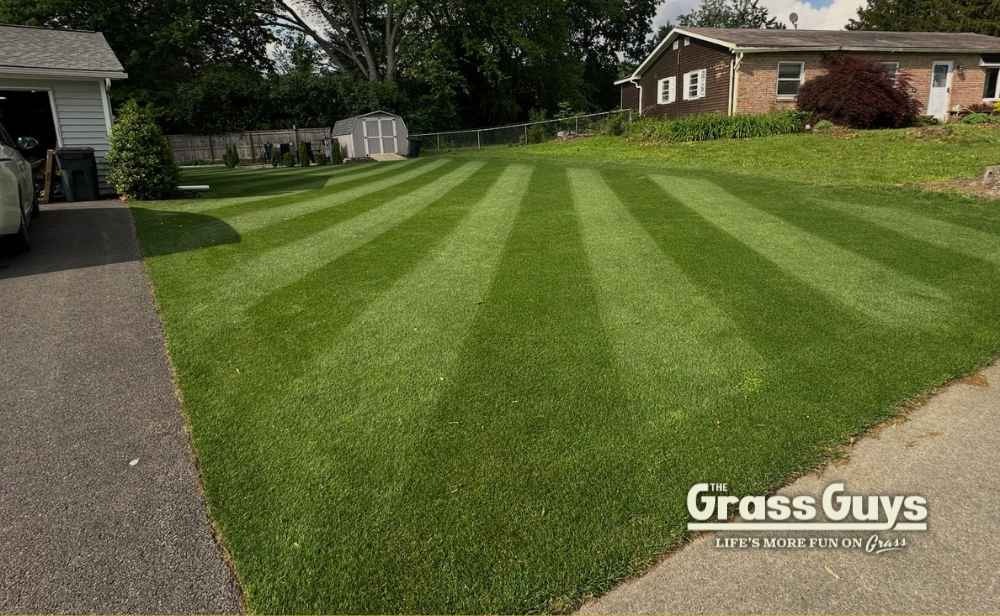
While slow-release nitrogen provides steady feeding, it does not produce the immediate color response that quick-release fertilizers can deliver.
Potential limitations include:
• Slower visible results
• Nutrient release depends on soil conditions
• Less useful for rapid color correction
In cooler temperatures, microbial activity slows, which may delay nutrient release.
Common Types of Slow Release Nitrogen
Several nitrogen sources are used to provide gradual feeding.
These include:
• Polymer-coated urea
• Sulfur-coated urea
• Urea formaldehyde
• Natural organic nitrogen sources
These products release nitrogen as coatings break down or as soil microbes convert nutrients into plant-available forms.
How Fertilizer Labels Show Slow Release Nitrogen
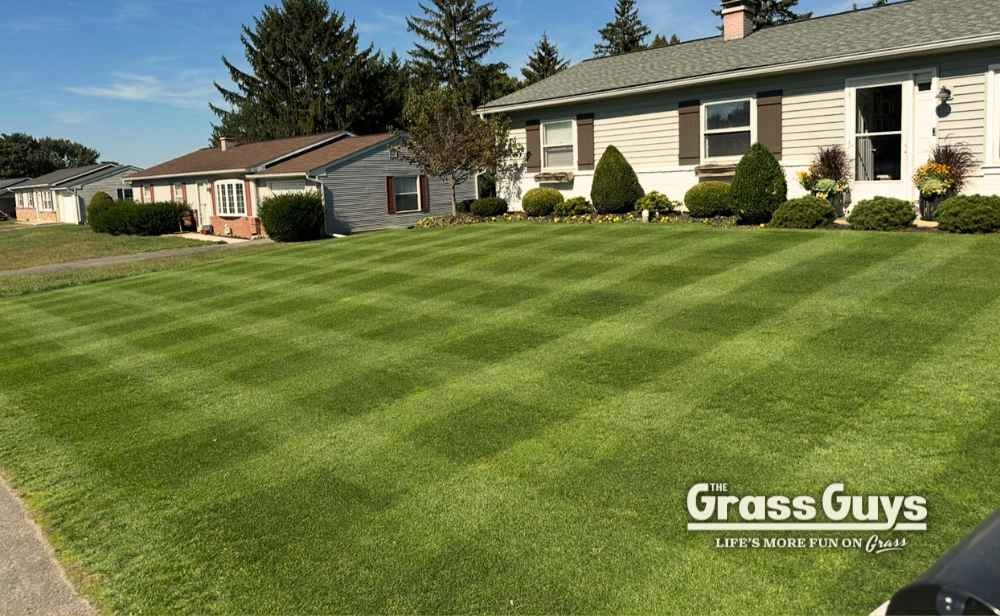
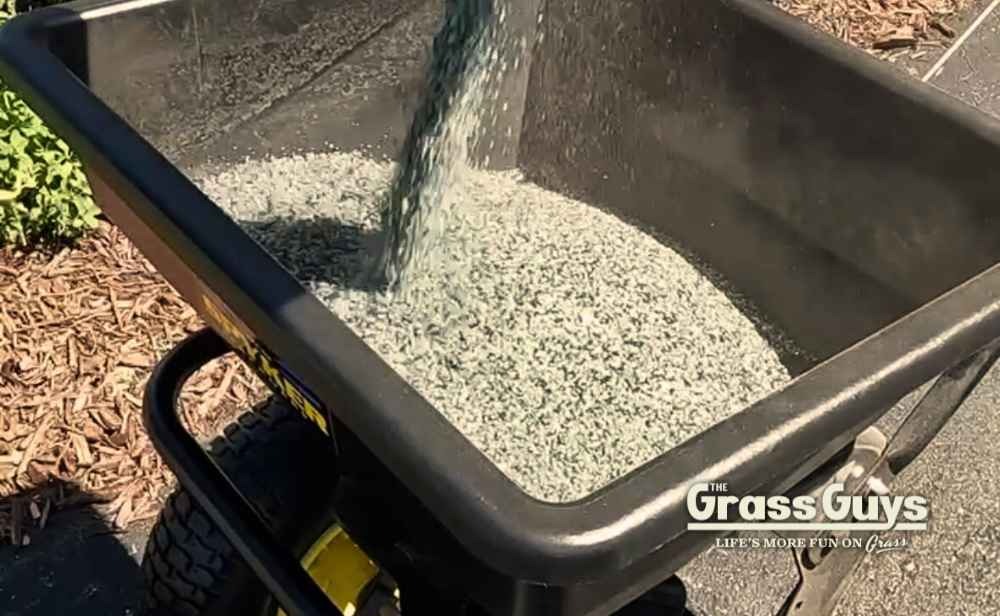
Most fertilizer bags include a section that lists slow-release nitrogen percentage.
For example, a fertilizer may contain:
“30% total nitrogen with 50% slow release nitrogen.”
This means half of the nitrogen will release gradually while the rest becomes available more quickly.
This blend provides both immediate response and longer-term feeding.
When to Use Fast Release Nitrogen
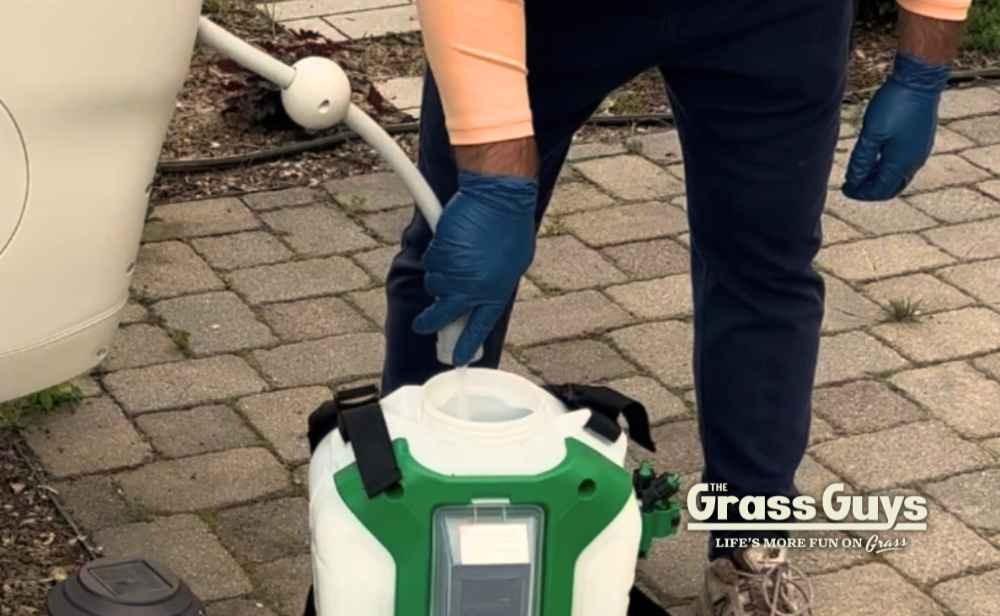
Fast release nitrogen works well when:
• Rapid green-up is desired
• Correcting visible nutrient deficiency
• Applying small supplemental feedings
These applications are often lighter and more targeted.
When to Use Slow Release Nitrogen
Slow release nitrogen is commonly used for:
• Seasonal fertilization programs
• Fall fertilization
• Maintaining consistent growth
• Reducing nutrient loss
Many homeowners rely on slow-release fertilizers for their primary lawn feeding.
Using Both Together

Many fertilizers combine both types of nitrogen.
This approach provides:
• Immediate response from quick-release nitrogen
• Extended feeding from slow-release nitrogen
Blended fertilizers often provide the most balanced performance for home lawns.
Cool Season Lawn Fertilization and Nitrogen Release

Cool-season lawns grow most actively during spring and fall.
During these seasons, nitrogen applications can be most effective.
Slow-release nitrogen often works well during fall fertilization because it supports steady growth and root development.
Fast-release nitrogen may be used in smaller spring applications when lawns begin active growth.
The Bigger Picture

Nitrogen release type is only one part of lawn nutrition.
Healthy turf also depends on:
• Soil health
• Proper mowing height
• Adequate watering
• Balanced fertilization
When these factors work together, lawns grow thicker and more resilient.
Final Thoughts
Slow-release and fast-release nitrogen both play useful roles in lawn care.
Fast-release nitrogen provides quick results and rapid green-up.
Slow-release nitrogen provides steady feeding and longer-lasting performance.
Many fertilizer programs use a combination of both to balance immediate improvement with long-term growth.
Understanding how nitrogen release works allows homeowners to choose fertilizers that match their lawn’s needs and seasonal growth patterns.
Where to Go Next
Fertilizing & Soil Health Guide
What Do NPK Numbers Mean?
How to Calculate Fertilizer Applications
When to Fertilize Cool-Season Lawns