Fertilizing & Soil Health
The Complete Guide to Feeding Your Lawn the Right Way

If mowing is how you manage growth and watering is how you build roots, fertilizing is how you fuel performance.
But here is the truth.
Fertilizer does not fix bad soil.
It enhances good soil.
Understanding the relationship between nutrients and soil health is what separates temporary green-up from long-term lawn strength.
This guide will walk you through:
- What fertilizer actually does
- The nutrients your lawn needs
- How soil health impacts everything
- When to fertilize
- Common mistakes to avoid
This article sets the foundation for a deeper understanding of:
- 👉 4 Core Fundamentals in Lawn Care
- 👉 Soil Testing
- 👉 Cool-Season Lawn Calendar
- 👉 How Much Fertilizer Should I Apply?
What Does Fertilizer Actually Do?

Fertilizer provides nutrients that grass uses for:
- Growth
- Color
- Root development
- Recovery
- Density
Think of fertilizer as food.
But just like with people, more food does not always mean better health.
Balance matters.
The Three Primary Nutrients
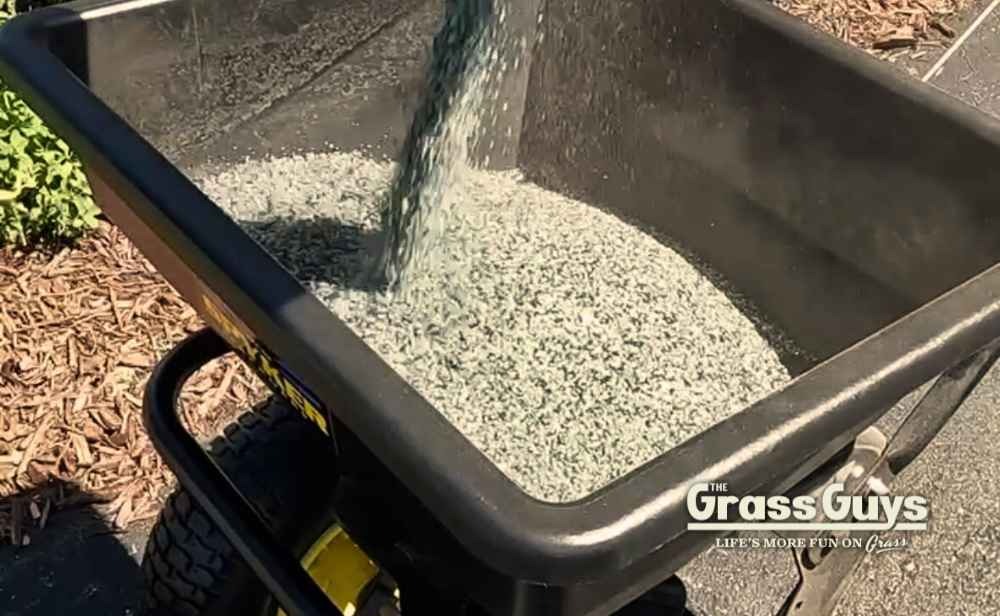
Every fertilizer label shows three numbers. This is called the N-P-K ratio.
Example: 24-0-10
Those numbers represent:
- Nitrogen (N)
- Phosphorus (P)
- Potassium (K)
Each one plays a different role.
Nitrogen (N)
Nitrogen drives:
- Leaf growth
- Green color
- Density
It is the most important nutrient for cool-season lawns.
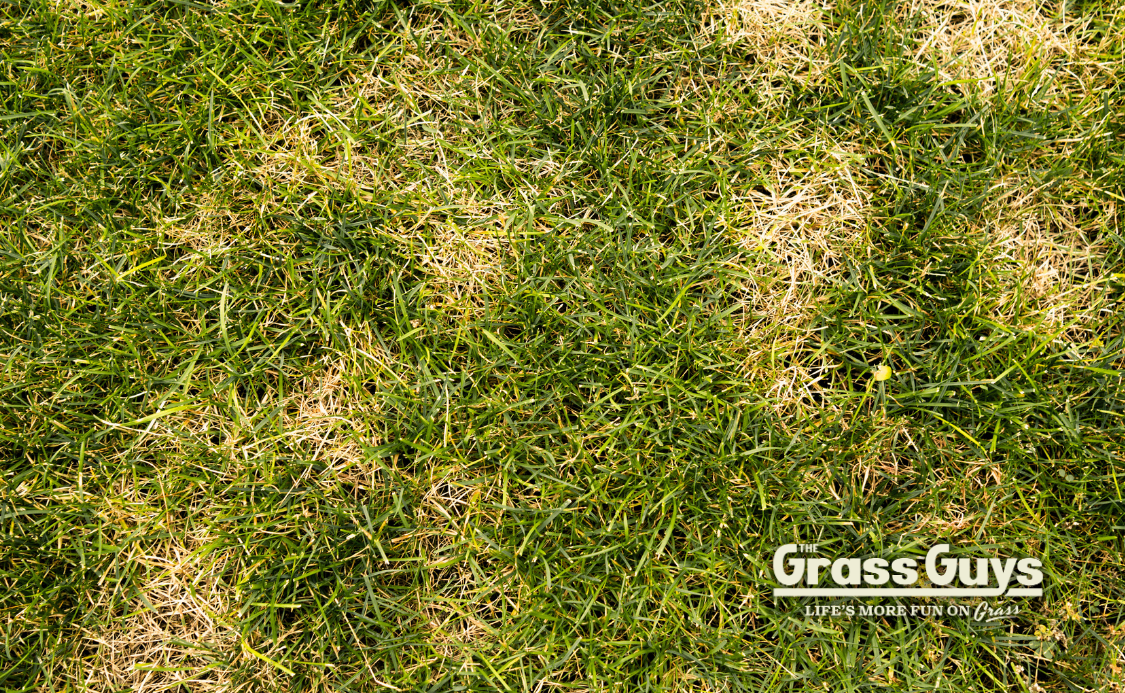
Too little nitrogen leads to pale, thin turf.
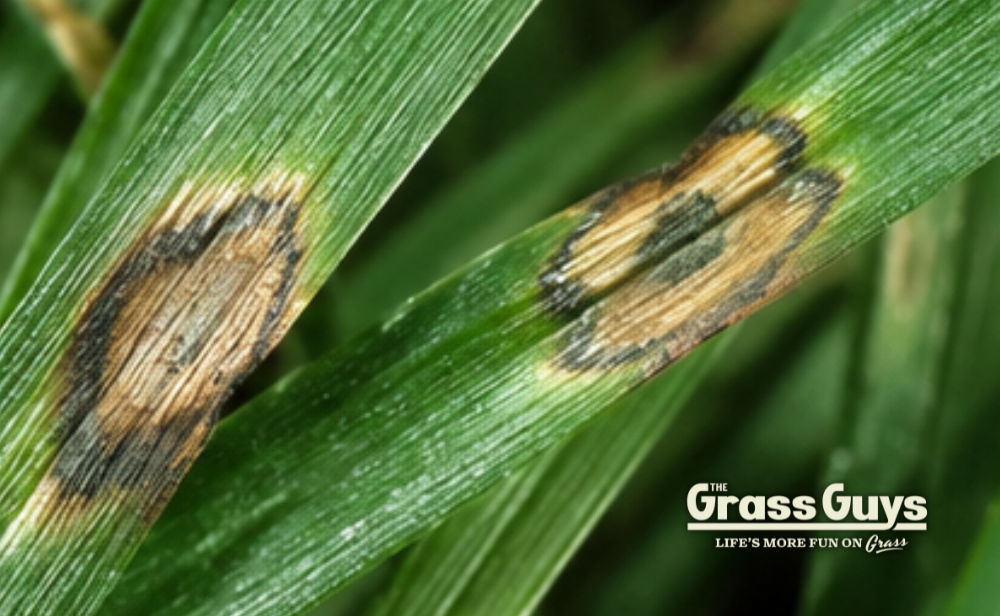
Too much nitrogen during heat increases stress and disease.
Phosphorus (P)
Phosphorus supports:
- Root development
- Early establishment
- Energy transfer
It is most important during:
- Seeding
- Renovation
- New lawn establishment
Established lawns often require little additional phosphorus unless a soil test shows deficiency.
Potassium (K)
Potassium improves:
- Stress tolerance
- Drought resistance
- Disease resistance
- Winter hardiness
It strengthens the plant without forcing excessive growth.
Why Soil Health Matters More Than Fertilizer Alone
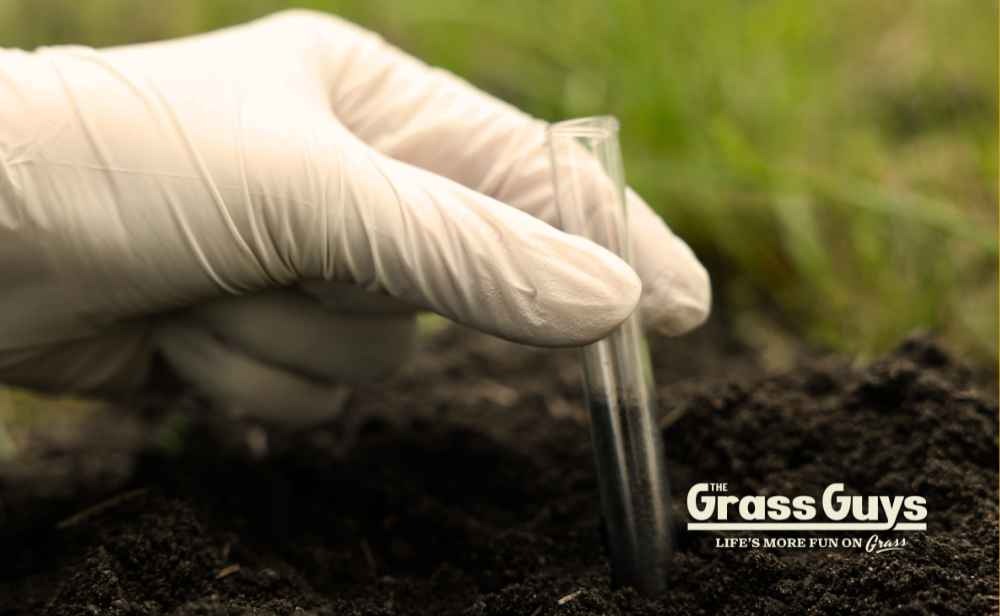
You can apply premium fertilizer, but if your soil is compacted, depleted, or lifeless, performance suffers.
Healthy soil:
- Contains organic matter
- Drains properly
- Retains moisture
- Supports microbial life
- Allows roots to breathe
Soil health determines how well nutrients are absorbed.
Fertilizer feeds the plant.
Soil health supports the system.
The Role of Organic Matter
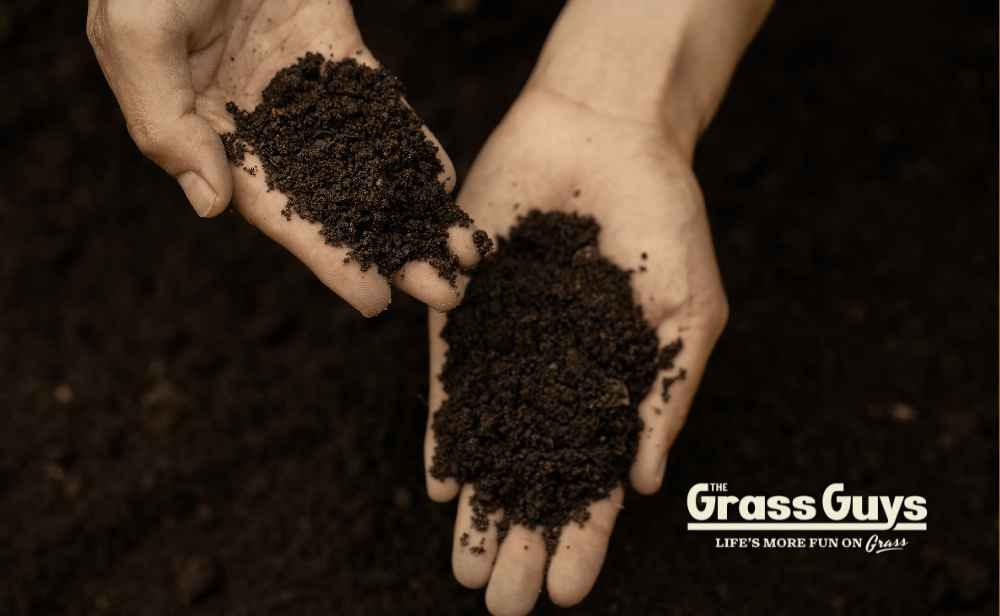
Organic matter improves:
- Water retention
- Soil structure
- Microbial activity
- Nutrient cycling
Sources include:
- Mulched clippings
- Compost
- Decomposed roots
- Natural breakdown of plant material
Mulching grass clippings contributes directly to soil improvement.
👉 See: What Should You Do With Grass Clippings?
How Often Should You Fertilize?
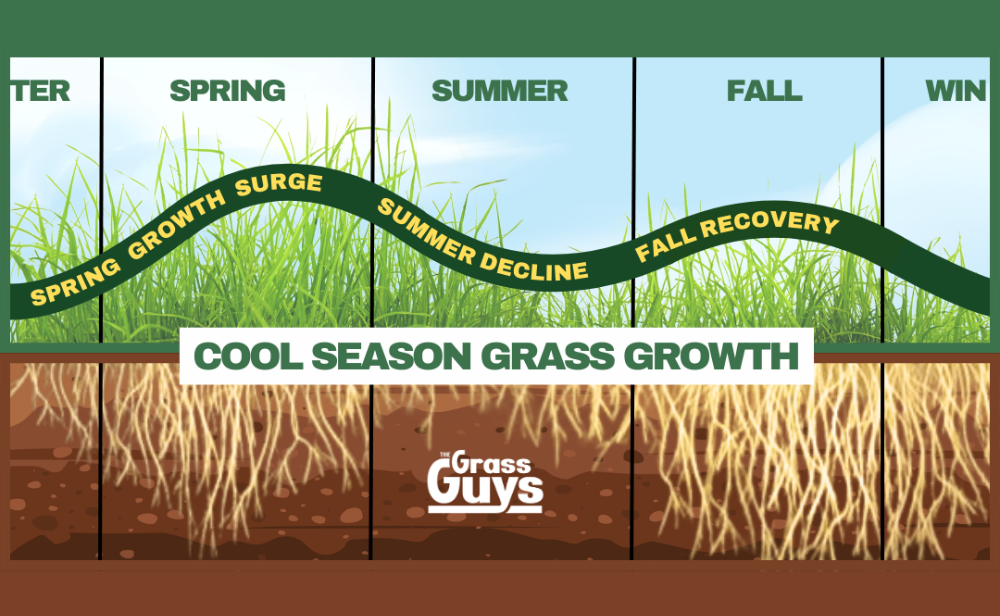
For cool-season lawns, most growth happens in:
- Spring
- Fall
A common annual plan includes:
- Light spring feeding
- Optional early summer support
- Stronger fall feeding
- Late fall winterizer application
Fall is the most important fertilizing window.
It builds roots and density for next year.
👉 See: Cool-Season Lawn Calendar
When Not to Fertilize

Avoid heavy nitrogen applications during:
- Extreme summer heat
- Severe drought
- Dormancy
Pushing growth during stress increases disease risk and weakens turf.
Summer is the preservation season.
Fall is building season.
Slow Release vs Fast Release Fertilizer
Fast Release
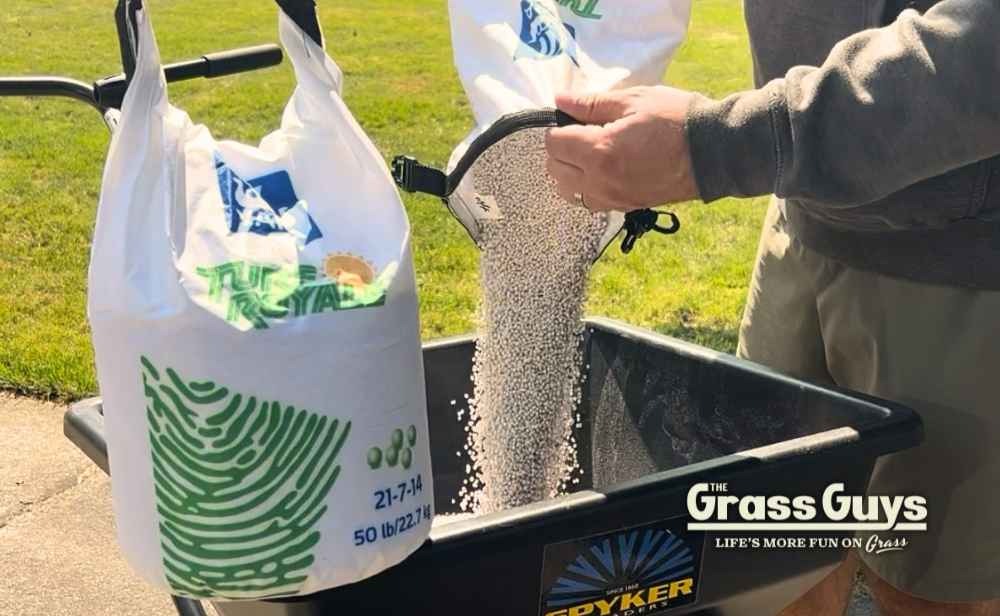
- Quick green-up
- Shorter duration
- Higher burn risk
Slow Release

- Gradual feeding
- Longer lasting
- More consistent growth
- Lower burn risk
Most homeowners benefit from products that contain a blend of both.
Steady feeding builds steady growth.
Granular vs Liquid Fertilizer
Granular Fertilizer:
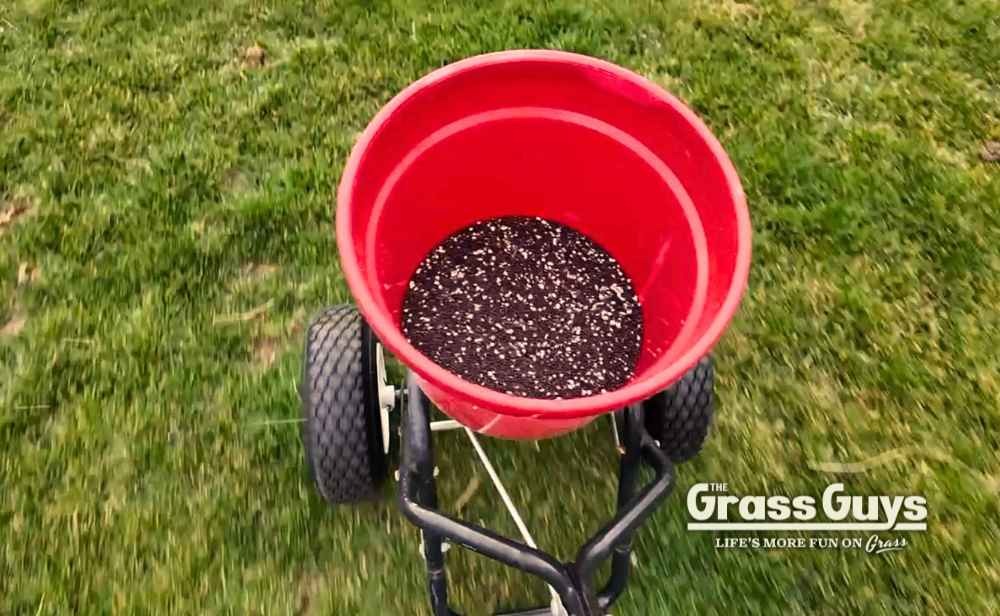
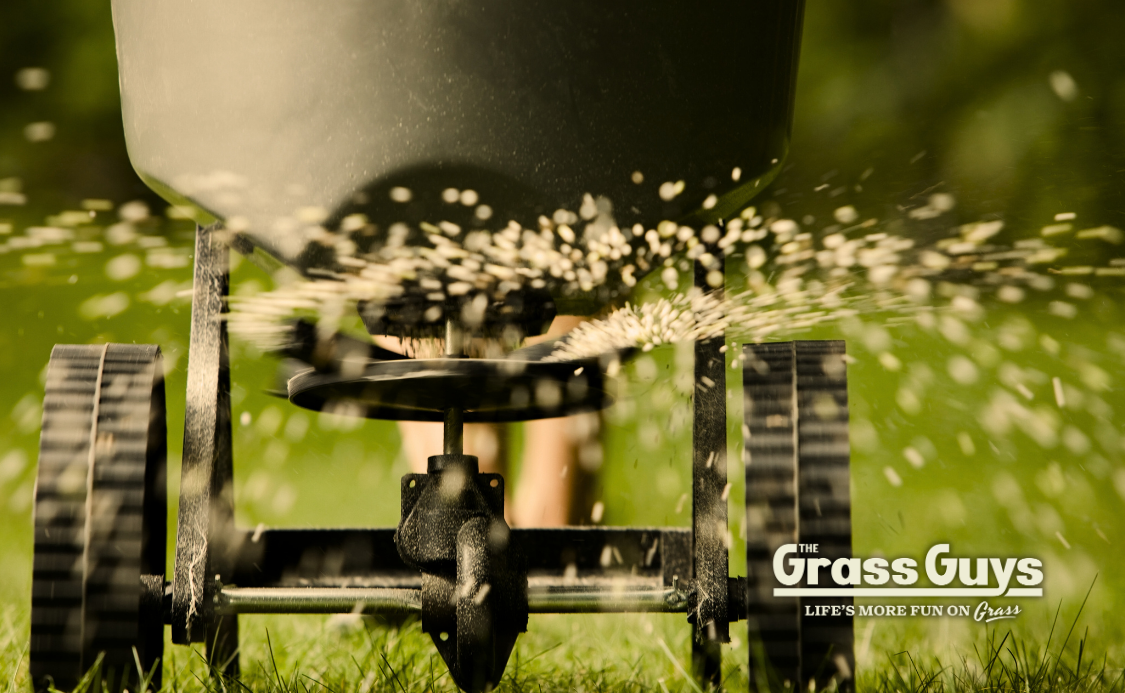
- Easy to apply
- Long-lasting
- Good for most homeowners
Liquid Fertilizer:
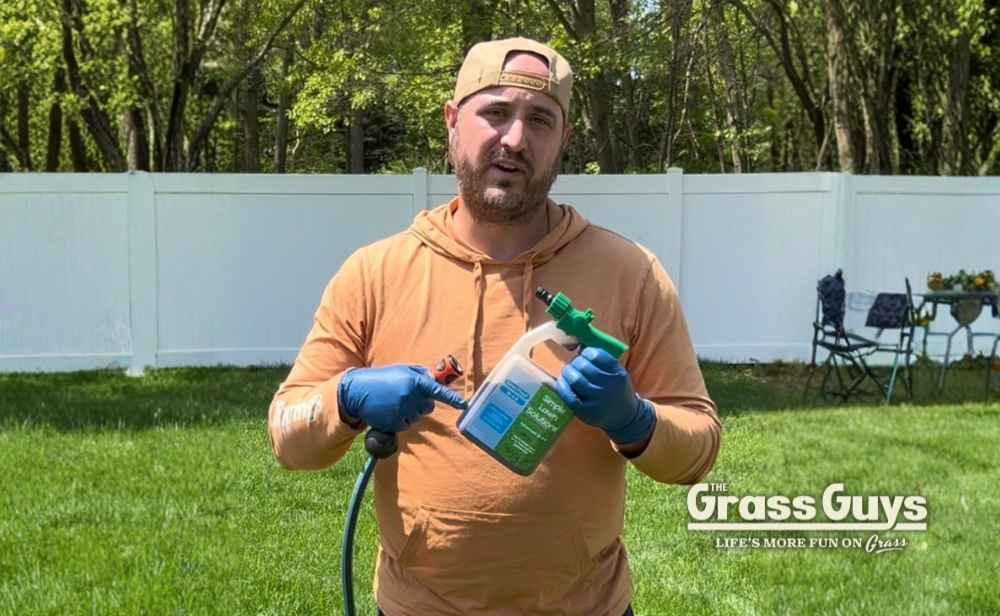
- Faster absorption
- More precise applications
- Often used for supplements
Both work. Consistency matters more than format.
Soil Testing
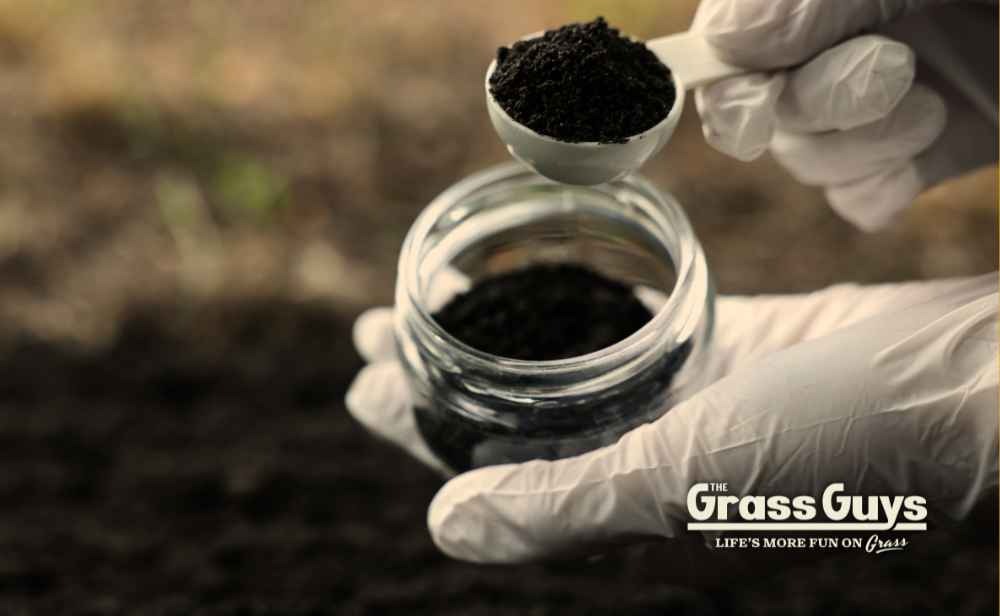
The Smart Approach
Before guessing what your lawn needs, test it.
A soil test reveals:
- Nutrient levels
- pH balance
- Organic matter percentage
Without testing, you are applying nutrients blindly.
Testing removes the guesswork.
How Soil pH Impacts Fertility

Ideal lawn soil pH for cool-season grasses:
6.0 to 7.0
If pH is too low or too high:
- Nutrient availability drops
- Grass struggles despite fertilizing
- Deficiencies appear
Sometimes correcting pH improves performance more than adding fertilizer.
Signs Your Lawn Needs Fertilizer
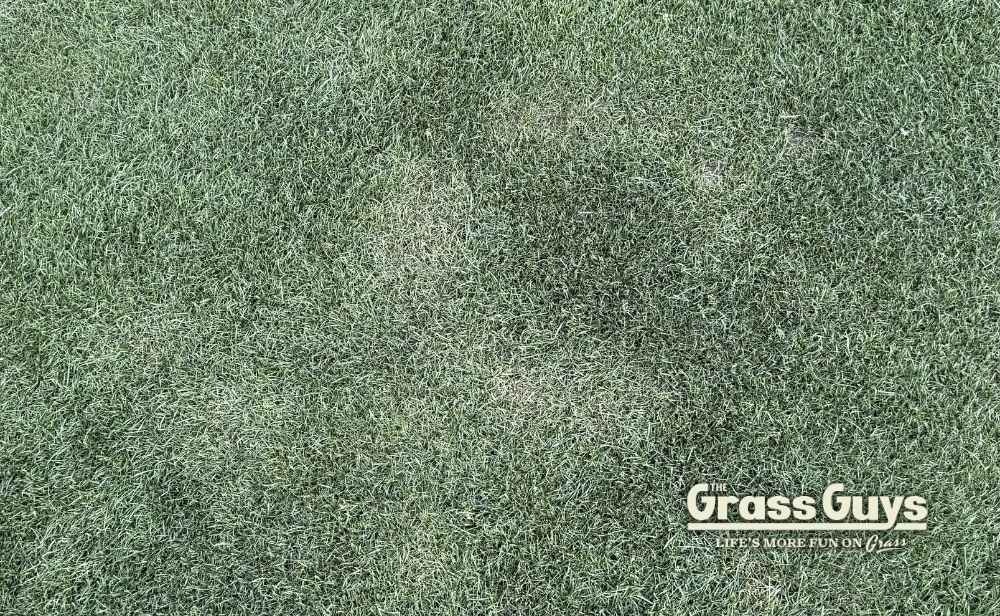
- Pale green color
- Slow growth during active season
- Reduced density
- Weak recovery after stress
If watering and mowing are correct but growth remains weak, nutrients may be lacking.
Signs You Are Over-Fertilizing
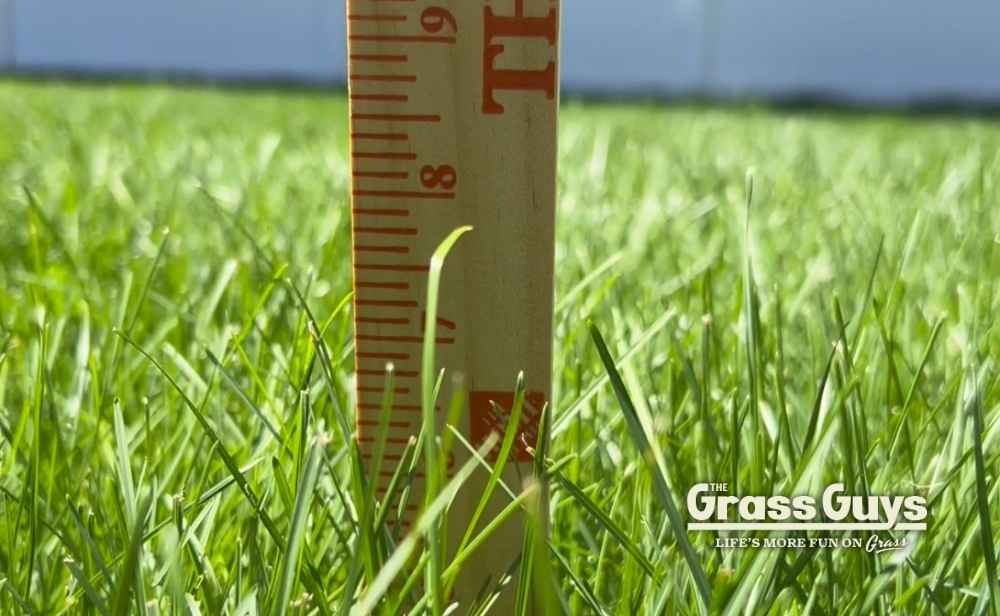
- Excessive top growth
- Increased mowing frequency
- Disease pressure
- Burning or striping
- Thatch buildup
More fertilizer does not equal better results.
Balanced feeding wins long term.
Fertilizer and Root Development

Deep, infrequent watering paired with balanced fertilizing produces:
- Stronger root systems
- Improved drought tolerance
- Better nutrient uptake
- Greater density
Water, mowing, and fertilizer all work together.
👉 See: 4 Lawn Care Fundamentals
The Bigger Picture
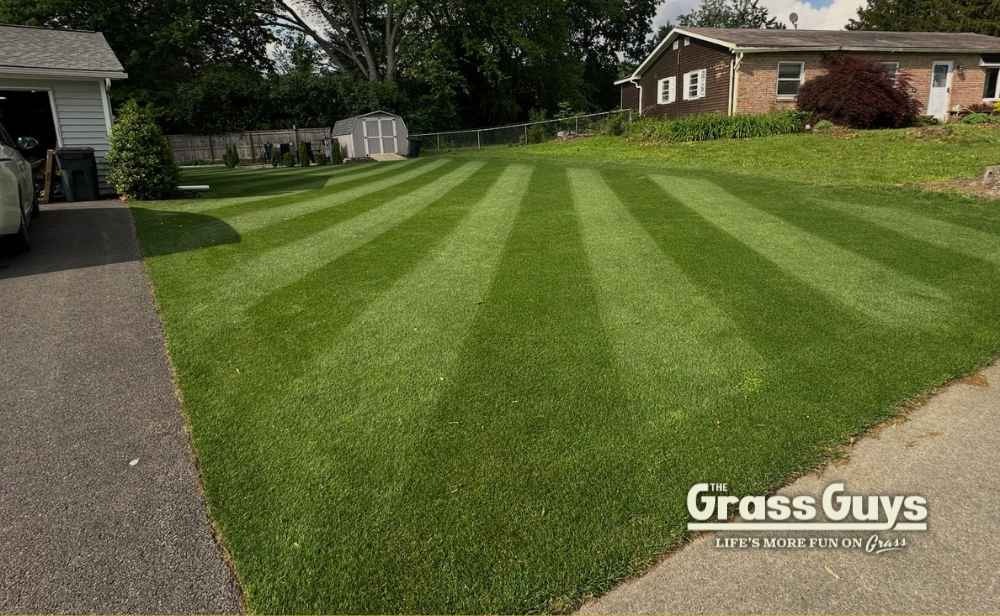
Healthy lawns are built through:
- Proper mowing height
- Deep watering habits
- Balanced fertilizing
- Strong soil biology
You cannot isolate one without affecting the others.
Fertilizer is powerful, but it works best inside a healthy system.
Final Thoughts
Fertilizing is not about chasing dark green color.
It is about fueling strength.
Feed strategically.
Prioritize fall.
Support soil health.
Test before guessing.
Avoid pushing growth during heat.
Strong soil builds strong roots.
Strong roots build resilient lawns.