Cool-Season Lawn Care Calendar
Month-by-Month Guide for Northern Lawns

If you’ve ever wondered:
- “What should I be doing to my lawn right now?”
- “When do I fertilize?”
- “Is it too late to seed?”
- “Did I miss my window?”
You’re not alone.
One of the biggest challenges for homeowners in the cool-season or transition zone climates is timing.
Lawn care isn’t just about what you do.
It’s about when you do it.
This guide walks you through a simple, month-by-month lawn care calendar so you always know what matters — and what doesn’t — throughout the year.
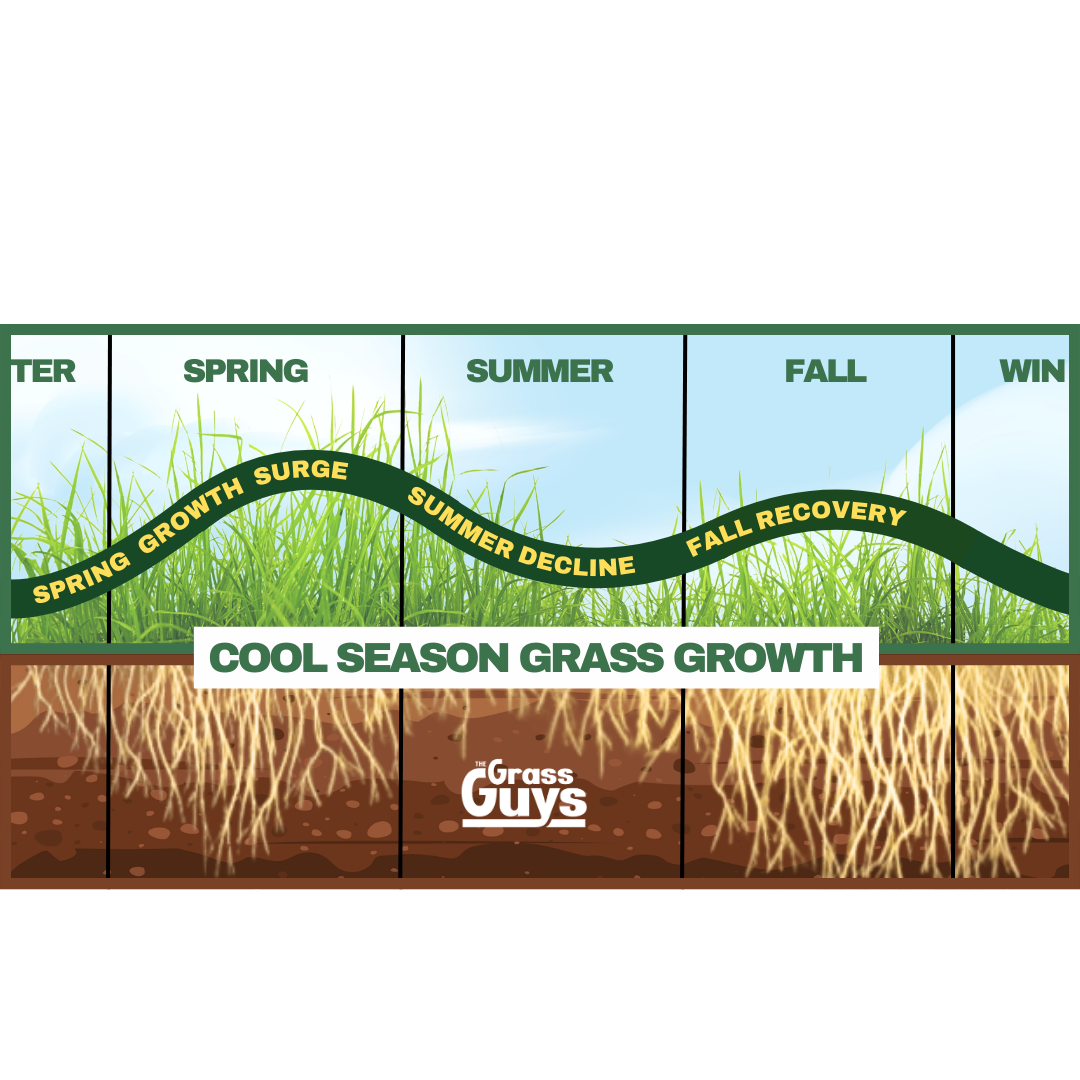
Quick Answer: Cool-Season Lawn Rhythm
If you remember nothing else:
- Spring = Wake up + prevent weeds
- Summer = Protect + maintain
- Fall = Grow + thicken (most important)
- Winter = Rest
Fall is where great lawns are built.
Everything else supports it.
Now let’s go month-by-month.
March: Early Spring Wake-Up
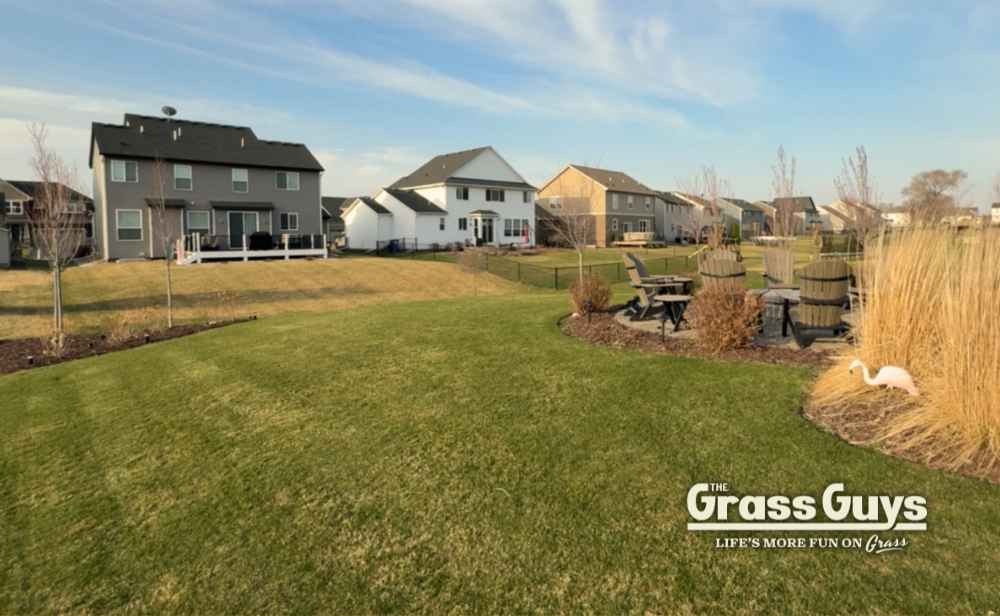
In northern climates, March is usually the transition season.
Focus:
- Let the lawn wake up naturally, don’t try and wake it up with fertilizer
- Avoid traffic on soggy turf
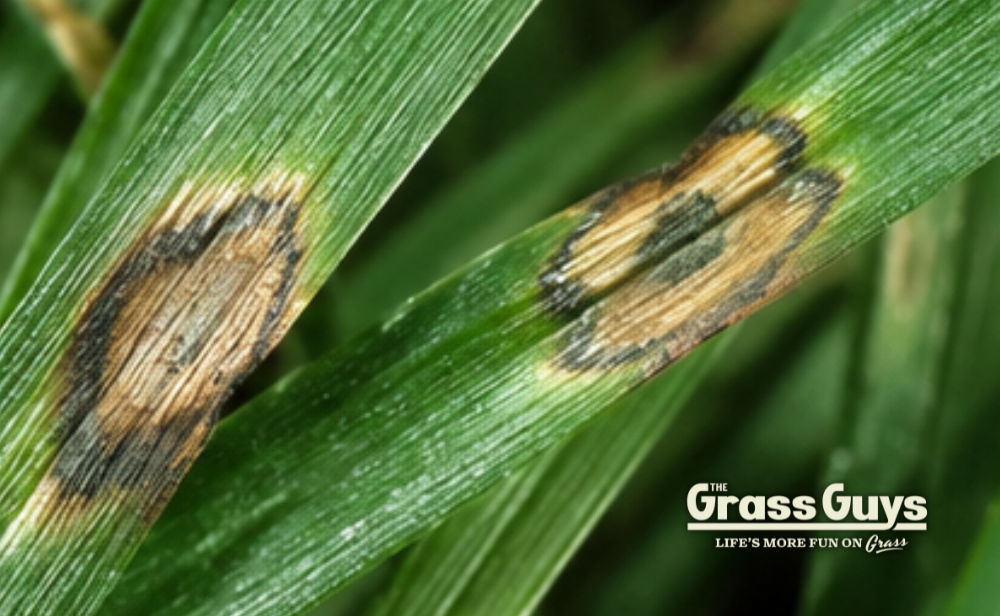
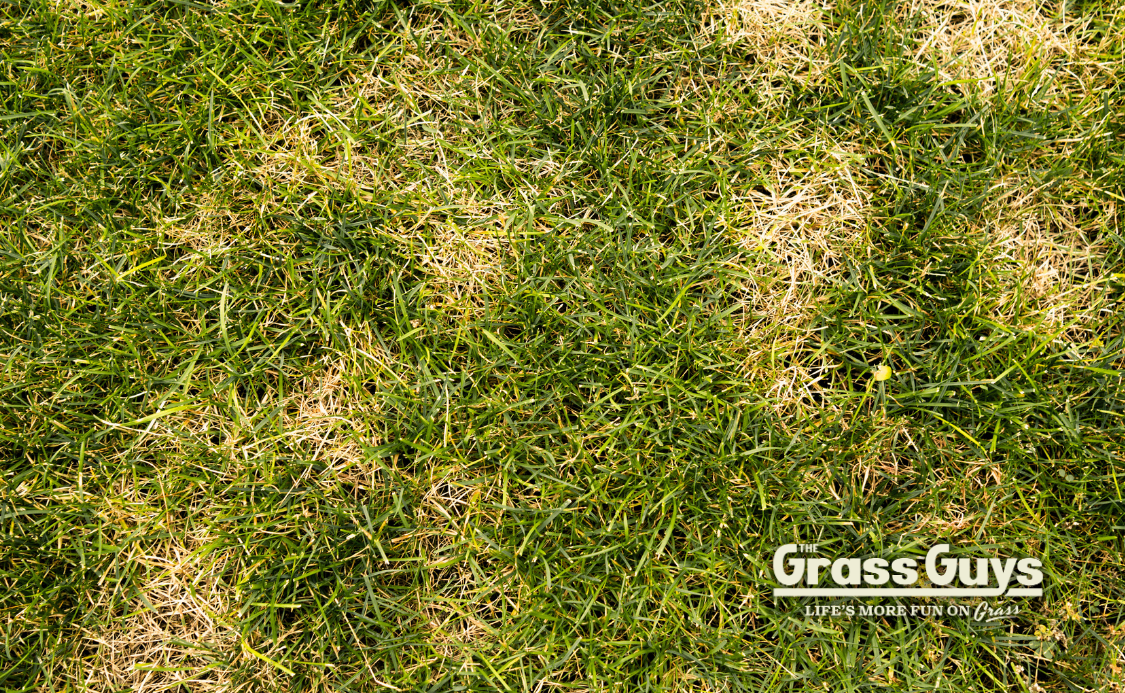
- Tend to any present snow mold damage
What to Do:
- Gently rake matted grass if needed
- Remove branches and debris
- Stay off saturated lawns
What NOT to Do:
- Fertilize too early
- Overseed yet
- Mow aggressively
Patience wins here.
April: Spring is in the Air!

When lawns begin to wake up for spring, you will notice a green up across the grass, along with growth starting for the season.
Focus:
- First mow
- Pre-emergent timing
- Light feeding
What to Do:
- First mow when grass hits ~3–3.5 inches
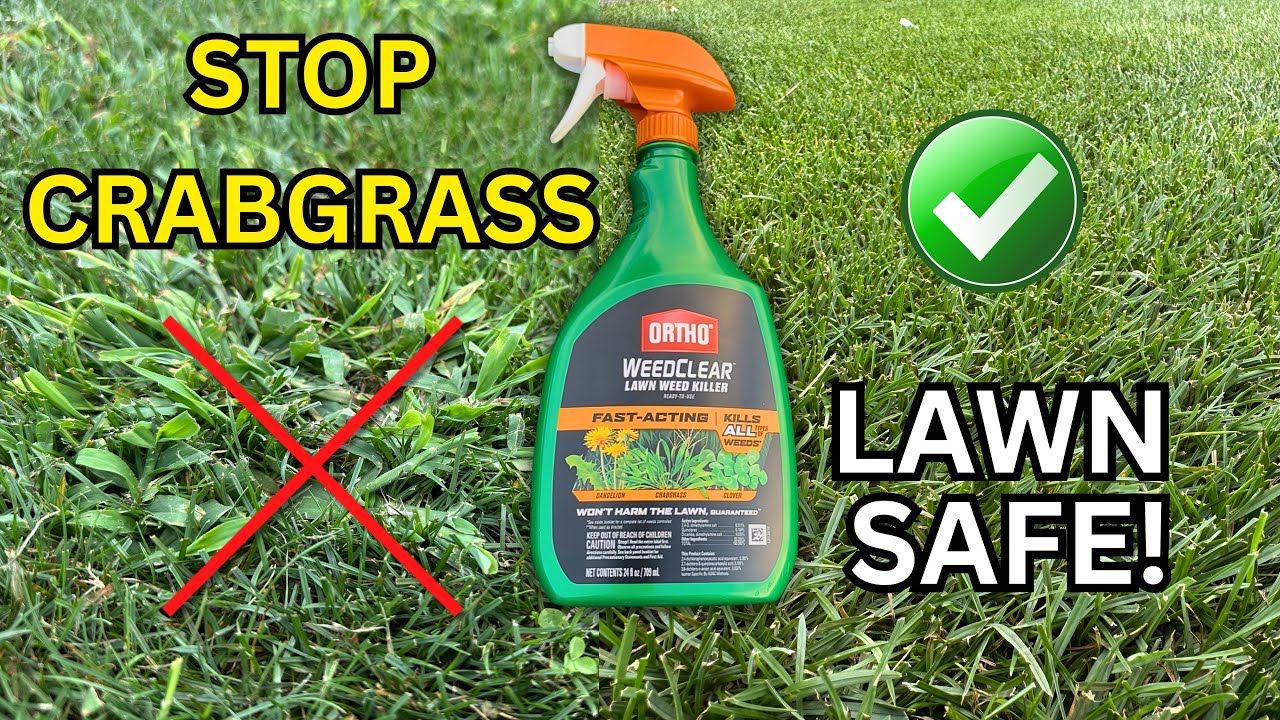
- Apply pre-emergent (if preventing crabgrass)
- Light spring fertilizer (optional)
Pro Tip:
Set your mower height early and stick with it.
May: The Growth Surge

May is prime growth time. The spring flush usually kicks in strong here. Grass is fully green and the growth seems rapid.
Focus:
- Consistent mowing
- Balanced nutrition
- Weed monitoring
What to Do:
- Mow regularly (follow 1/3 rule)
- Apply moderate fertilizer
- Spot treat weeds if needed
Watch For:
- Surge growth from over-fertilizing
- Inconsistent mowing habits
Strong habits here carry into summer.
June: Transition Into Stress Season

Heat starts creeping in, the air becomes thicker, and the lawn will want to start playing defense against environmental threats thrown its way.
Focus:
- Root strength
- Watering habits
- Stress prevention
What to Do:
- Raise mowing height slightly
- Begin deep watering routines
- Avoid heavy nitrogen pushes
You’re preparing the lawn for summer survival mode.
July: Entering Survival Mode

This can be the toughest month for cool-season and transition zone lawns. Weather can be extremely stressful during this time and your lawn is naturally trying to preserve its energy.
Focus:
- Stress management
- Watering consistency
- Damage control
What to Do:
- Mow high (3.5–4 inches)
- Water deeply and infrequently
- Avoid major lawn projects
What NOT to Do:
- Heavy fertilizing
- Aggressive dethatching
- Major renovations
Survive now. Thrive later.
August: Pre-Fall Planning Window
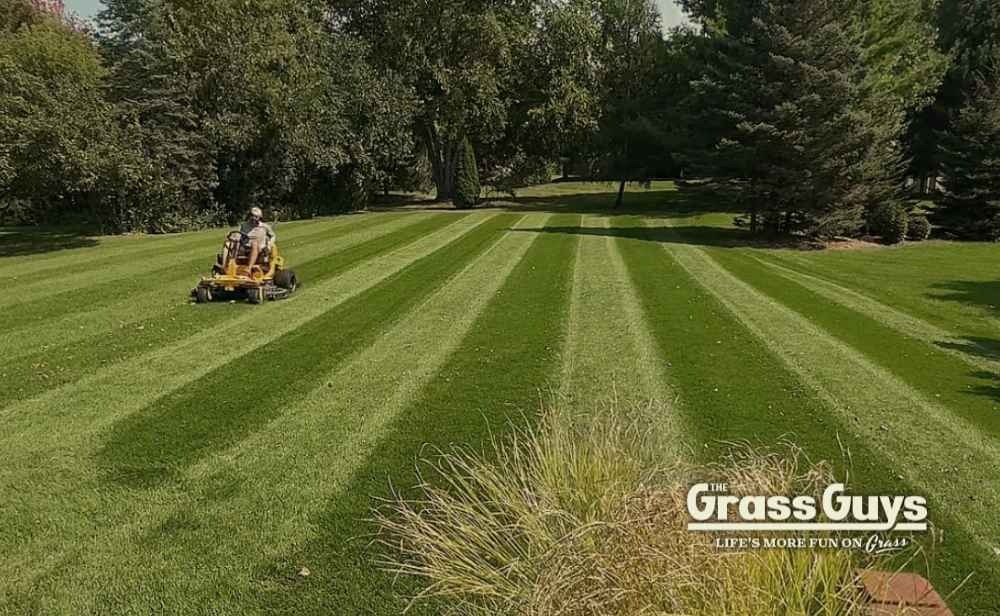
This is where smart homeowners start thinking ahead.
Focus:
- Fall prep
- Lawn evaluation
- Overseeding planning
What to Do:
- Order seed early
- Plan aeration
- Reduce stress on lawn
Late August is the runway to your most important season.
September: Fall Project Season

If you only optimize one month, make it September.
Focus:
- Growth
- Density
- Recovery
What to Do:
- Overseed
- Core aerate
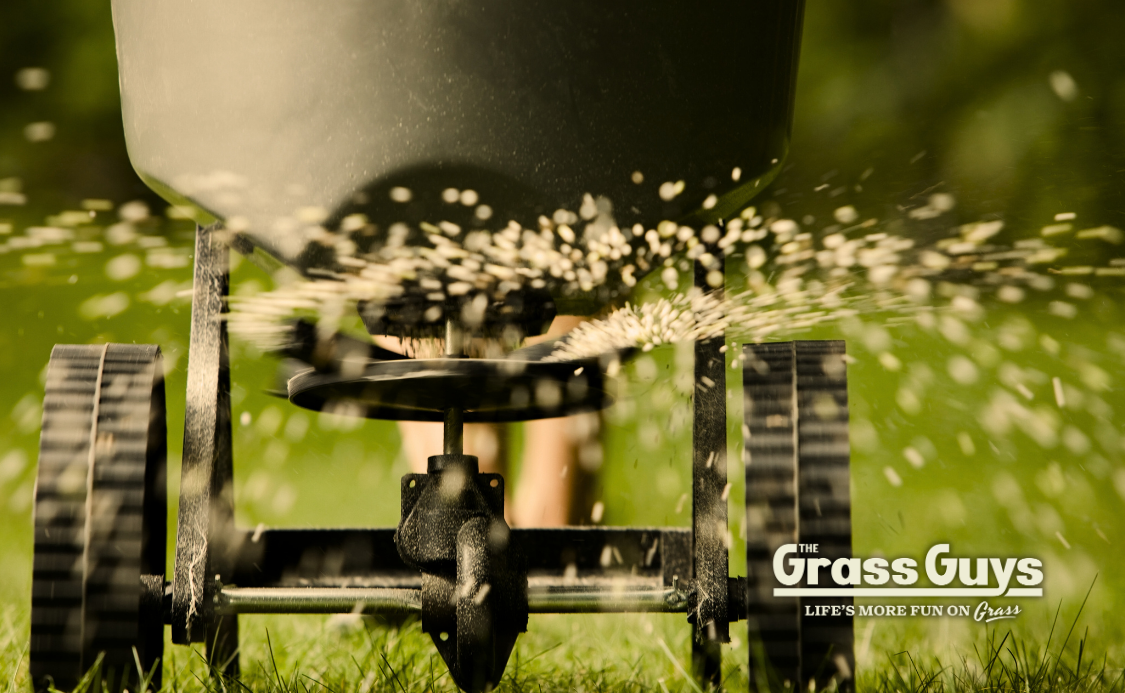
- Apply fall fertilizer
- Water consistently
This is when lawns transform.
👉 Deep Dive: Fall Lawn Renovation Guide
October: Winding Down & Building Strength
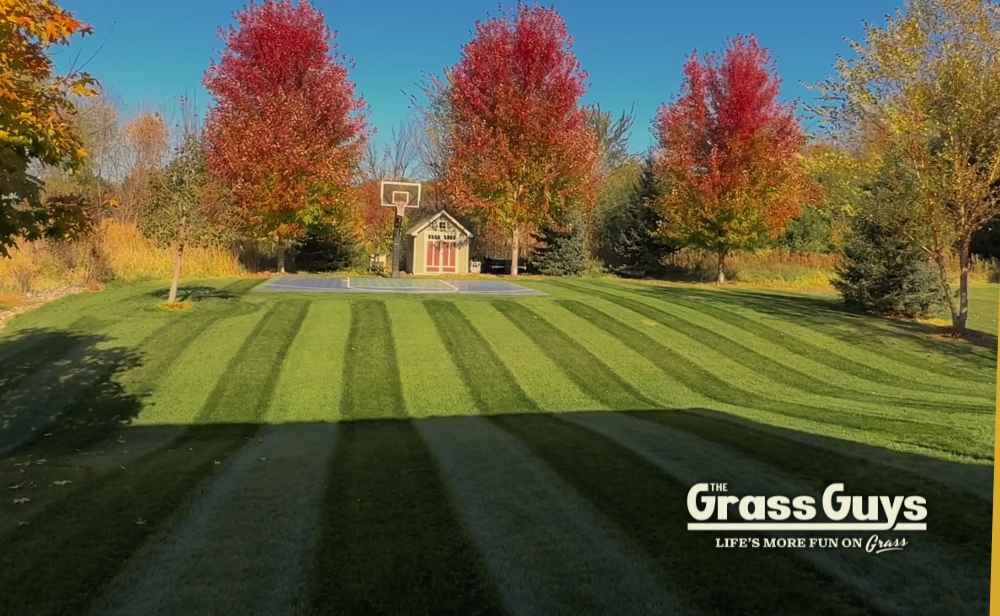
Growth may slow down, but roots are very much still active.
Focus:
- Root strength
- Nutrient storage
- Final mowing adjustments
What to Do:
- Continue mowing as needed
- Apply late fall fertilizer (winterizer)
- Keep leaves off lawn
Healthy fall roots = strong spring wake-up.
November: Closing the Season Down
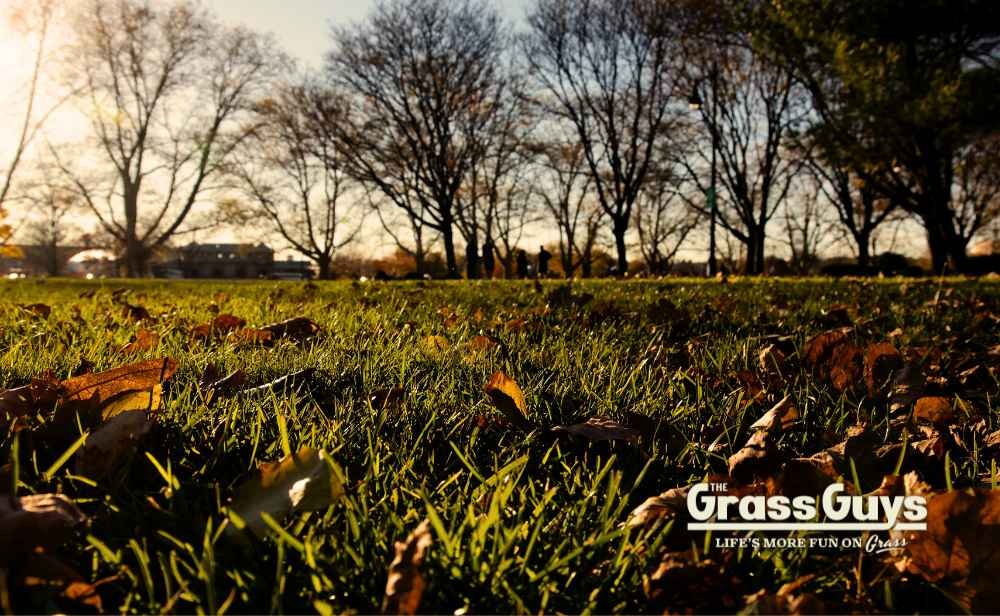
The lawn is shutting down.
Focus:
- Protection
- Cleanup
- Final prep
What to Do:
- Final mow slightly shorter (~2.5–3”)
- Remove heavy leaf cover
- Store equipment properly
You’re setting the lawn up for winter survival.
December–February: Enjoy the Break!
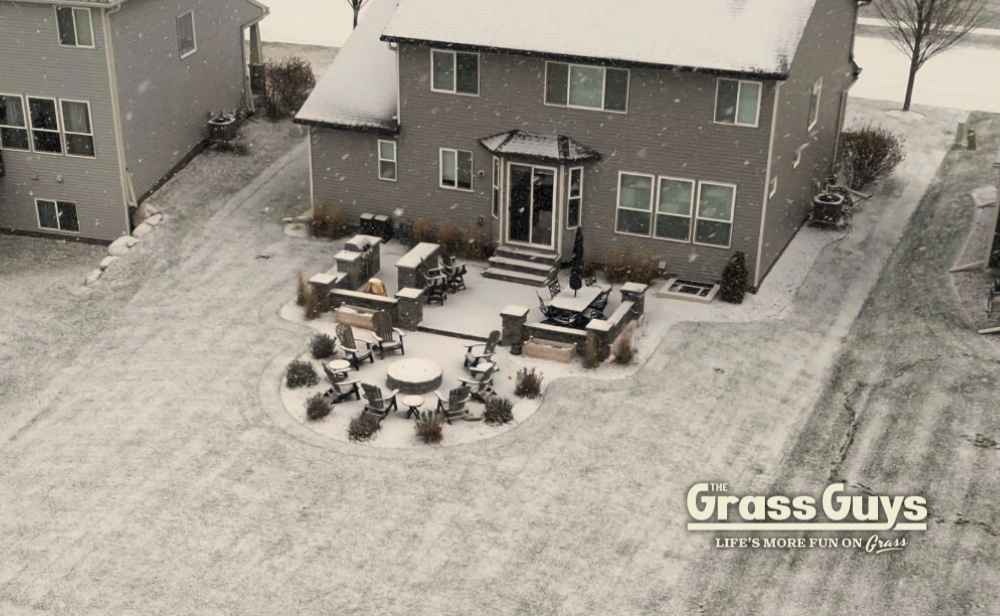
Your lawn is asleep.
Let it rest.
Focus:
- Avoid damage
- Plan for next season
What to Do:
- Stay off frozen turf when possible
- Avoid snow pile compaction
- Plan spring strategy
This is the thinking season.
The Most Important Takeaway
If you zoom out:
Spring builds momentum.
Summer tests resilience.
Fall builds greatness.
Fall is where elite lawns are made.
If you:
- Overseed
- Fertilize correctly
- Strengthen roots
Everything else gets easier.
Beginner Simplified Calendar
If you want the simplest version possible:
Spring

- Mow consistently
- Light fertilizer
- Prevent weeds
Summer

- Mow higher
- Water deeply
- Avoid stress
Fall
- Overseed
- Fertilize heavily
- Aerate if needed
Winter

- Stay off lawn
- Plan ahead
Where to Go Next
Now that you understand timing, here’s where to go deeper:
These will help you turn timing into results.
Final Thoughts
Great lawns aren’t built in a weekend.

They’re built by doing the right things at the right time — season after season.
If you follow this calendar:
- You’ll avoid costly mistakes
- You’ll maximize your effort
- You’ll build a lawn that improves every year
Consistency compounds in lawn care.
Stay patient. Stay seasonal.
Your lawn will separate itself.
Want the Exact Products We Use Each Season?
We’ve built a seasonal gear guide with:
- Fertilizers
- Seed blends
- Tools
- Sprinklers
👉 See the Grass Guys Seasonal Gear Guide