When to Fertilize Cool-Season Lawns
A Seasonal Fertilizer Guide for Stronger, Healthier Turf
Knowing when to fertilize your lawn is just as important as knowing how much to apply.
Cool-season grasses such as:
• Kentucky bluegrass
• Perennial ryegrass
• Tall fescue
• Fine fescue
grow most actively during spring and fall, when temperatures are moderate.
This means fertilizer timing should align with those natural growth cycles. Applying nutrients when grass is actively growing helps the plant use them efficiently and reduces stress.
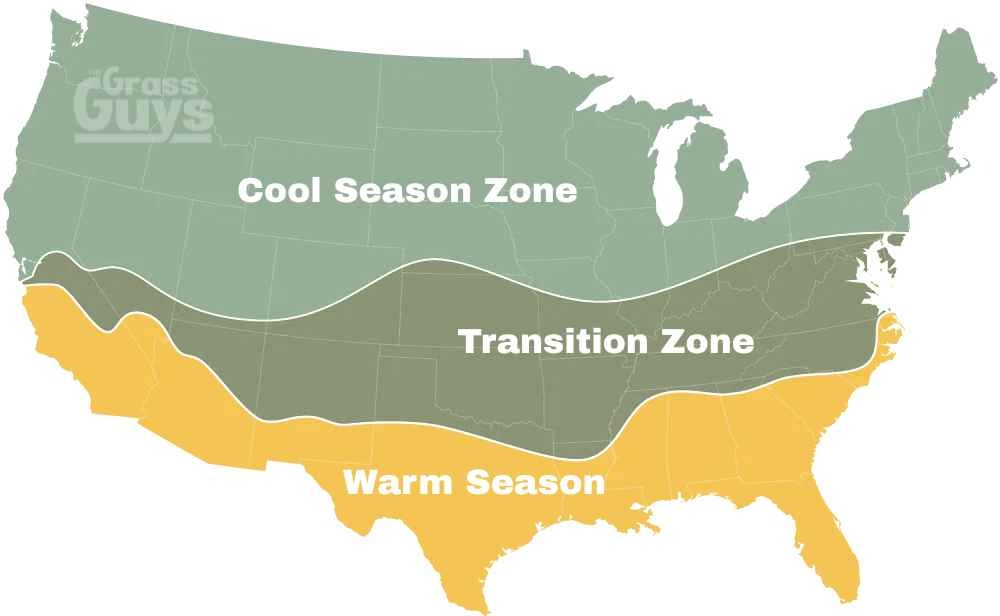
This guide walks through how fertilizing typically breaks down across the seasons so homeowners can support their lawn year-round and will set a foundation for deeper understanding of:
Fertilizing & Soil Health Guide
How to Calculate Fertilizer Applications
What Do NPK Numbers Mean?
How to Read a Soil Test
Understanding Cool-Season Grass Growth Cycles
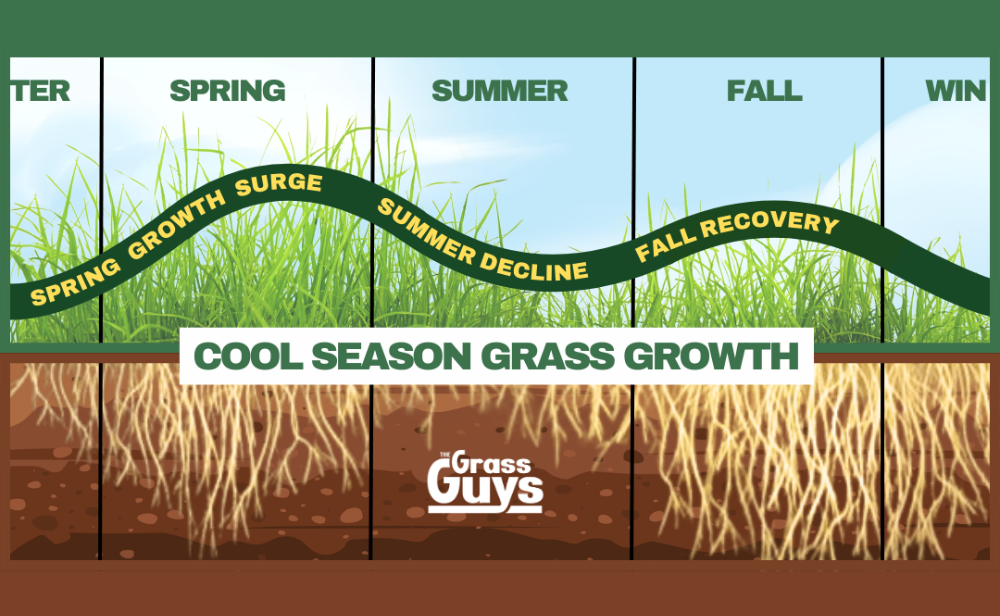
Cool-season grasses follow a predictable annual pattern.
Spring
Rapid growth begins as soil warms.
Summer
Growth slows due to heat stress.
Fall
Growth resumes strongly as temperatures cool.
Winter
Grass enters dormancy.
The most productive fertilization periods occur during spring and fall, when grass can convert nutrients into strong roots and dense turf.
Typical Annual Nitrogen Targets

Before looking at seasonal timing, it helps to understand yearly fertilizer needs.
Most cool-season lawns require:
2 to 4 pounds of nitrogen per 1,000 square feet per year
General ranges include:
Low-maintenance lawns: about 2 pounds per year
Typical home lawns: about 3 pounds per year
High-performance lawns: up to 4 pounds per year
These totals are divided into several seasonal applications.
Spring Fertilization

Spring fertilization supports early growth as lawns wake up from winter.
However, heavy spring fertilizing can lead to excessive top growth and increased mowing.
Moderation is key.
When to Fertilize in Spring
Apply fertilizer once grass begins actively growing and has been mowed at least once or twice.
This typically occurs when soil temperatures reach about 50–55°F.
In many northern regions, this falls between April and May.
How Much to Apply in Spring
Spring applications typically range from:
0.5 to 1 pound of nitrogen per 1,000 square feet
The goal is to encourage steady growth without pushing excessive leaf growth that can weaken the lawn before summer heat.
Summer Fertilization

Summer is the most stressful season for cool-season lawns.
High temperatures slow growth and increase drought stress.
Because of this, heavy fertilization during summer is usually avoided.
Light Summer Feeding
Some lawns may benefit from a light application if irrigation is available and the lawn remains actively growing.
This application should be small.
Typical summer applications range from:
0.25 to 0.5 pounds of nitrogen per 1,000 square feet
Avoid fertilizing during extreme heat or drought.
Focus on watering and proper mowing height during this period.
Fall Fertilization

Fall is the most important fertilization season for cool-season lawns.
As temperatures cool, grass shifts energy toward root development and recovery.
Fall feeding improves:
• Root strength
• Turf density
• Winter hardiness
• Spring green-up
Because of this, the majority of annual nitrogen is typically applied during fall.
Early Fall Fertilization
Early fall fertilization usually occurs as temperatures begin cooling after summer.
This typically falls between late August and September depending on region.
Apply approximately:
0.75 to 1 pound of nitrogen per 1,000 square feet
This application supports recovery from summer stress and encourages strong fall growth.
Late Fall “Winterizer” Application
A late fall application helps lawns store nutrients for the following spring.
This feeding is often called a winterizer application.
Apply once top growth has slowed but grass remains green.
This often occurs between late October and November, depending on climate.
Typical application rate:
1 pound of nitrogen per 1,000 square feet
This nutrient reserve helps produce earlier green-up the following spring.
Example Fertilizer Schedule
For a typical cool-season lawn targeting 3 pounds of nitrogen per year, a seasonal plan might look like this:
Spring
0.75 pounds of Nitrogen (N)
Summer
Optional feeding period, recommend a slow-release fertilizer during hot summer months, or a spoon feeding applications
Late Summer/Early Fall
1 pound of Nitrogen (N)
Late Fall:
1.25 pounds of Nitrogen (N)
This schedule focuses nutrients during the most productive growth periods.
Grass Type May Influence Fertilization Timing
Different cool-season grasses have slightly different nutrient needs.
Tall Fescue
Tall Fescue lawns can often perform well with lower nitrogen programs.
Kentucky Bluegrass & Perennial Ryegrass
Kentucky Bluegrass and Perennial Ryegrass lawns often benefit from slightly higher nitrogen levels to maintain density.
Fine Fescue
Fine Fescue lawns typically require less fertilizer overall.
Understanding your grass type helps refine fertilizer timing and amounts.
Soil Testing Improves Fertilizer Decisions

While nitrogen programs are often based on seasonal growth patterns, soil testing helps determine whether additional nutrients are needed.
A soil test can reveal:
• Phosphorus levels
• Potassium levels
• Soil pH
• Organic matter
These results help guide fertilizer product selection and prevent unnecessary nutrient applications.
Common Fertilization Mistakes
Many lawn problems result from poor fertilizer timing.
Common mistakes include:
Applying heavy fertilizer during summer heat
Applying large amounts in early spring
Ignoring soil test results
Applying fertilizer before heavy rainfall
Following seasonal growth cycles helps avoid these issues.
The Bigger Picture

Fertilizer works best when combined with other healthy lawn practices.
These include:
Proper mowing height
Deep, infrequent watering
Healthy soil structure
Adequate sunlight
When these factors work together, fertilizer becomes far more effective.
Final Thoughts
Fertilizing cool-season lawns is not about applying nutrients as often as possible.
It is about applying nutrients when the grass can use them most effectively.
Focus on moderate spring feeding and stronger fall fertilization.
Avoid pushing growth during the stress of summer.
When fertilization aligns with natural growth cycles, lawns develop stronger roots, greater density, and better long-term resilience.
Where to Go Next
Fertilizing & Soil Health Guide
How to Calculate Fertilizer Applications
What Do NPK Numbers Mean?
How to Read a Soil Test