Lawn Problems & Diagnosis
How to Identify What Is Wrong With Your Lawn and Fix It
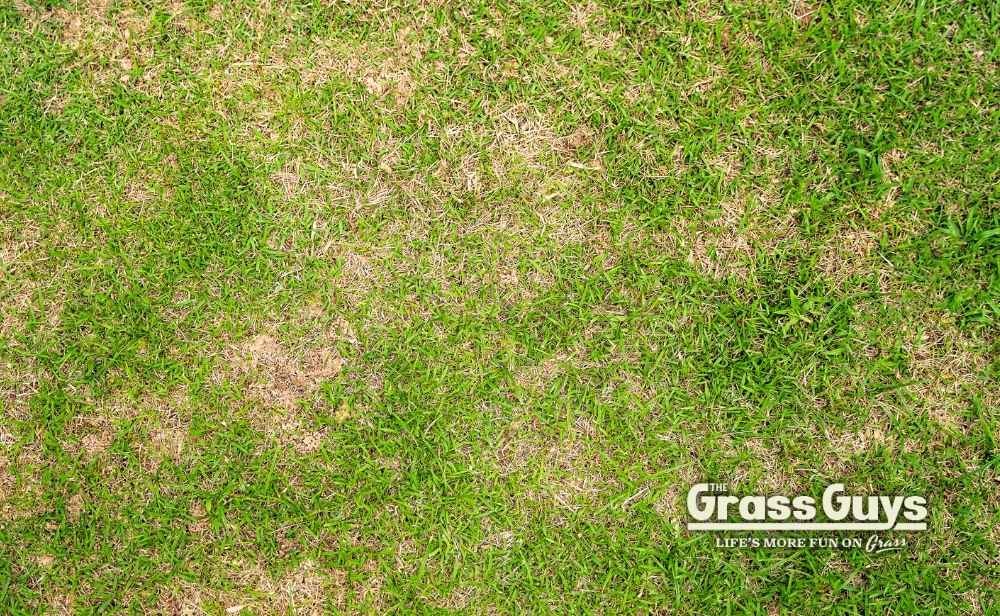
Every homeowner eventually faces lawn problems.
Brown patches appear.
Grass begins thinning.
Weeds spread.
The lawn stops looking the way it should.
When this happens, the instinct is often to reach for fertilizer or a product that promises a quick fix.
But most lawn problems are not caused by a lack of products. They are caused by misdiagnosis.
Before you can fix a lawn issue, you need to understand what is actually causing the problem.
This guide will help you identify common lawn issues and point you toward the right solution.
The First Rule of Lawn Diagnosis
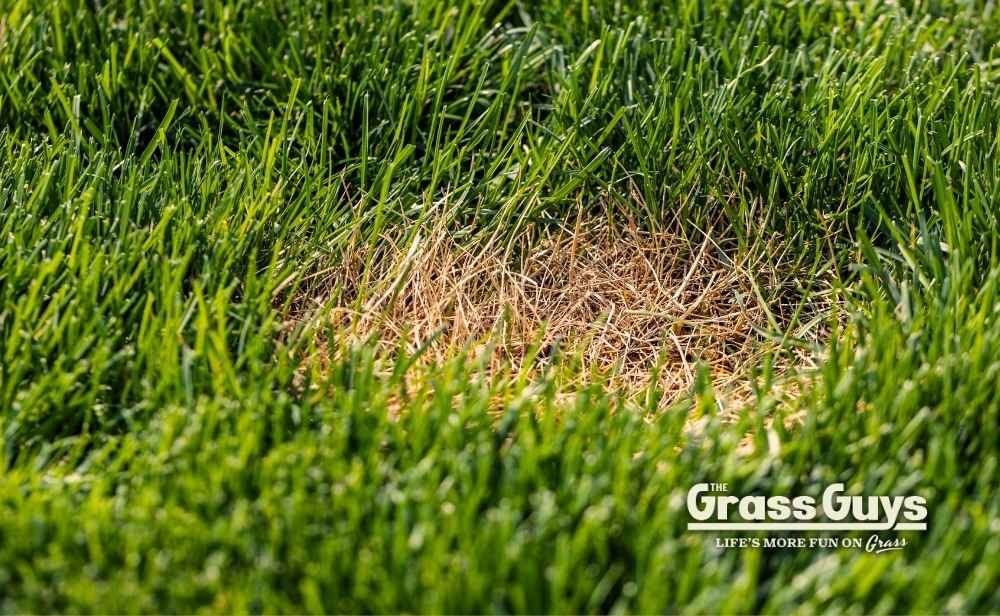
Symptoms are not the same as causes.
For example:
A brown lawn does not always mean drought.
Thin grass does not always mean fertilizer is needed.
Yellow grass does not always mean disease.
Many lawn issues produce similar visual symptoms.
Accurate diagnosis requires looking at the full picture, including:
• Weather conditions.
• Watering habits.
• Mowing practices.
• Soil conditions.
• Seasonal timing.
Understanding these factors prevents unnecessary treatments and helps restore lawn health more quickly.
Start With the Four Lawn Care Fundamentals
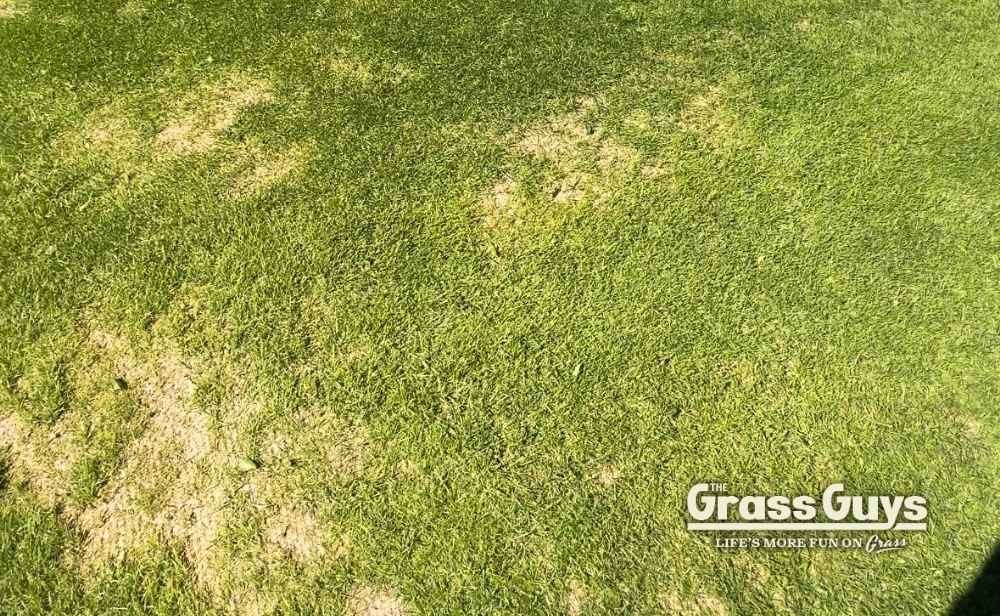
Before assuming a disease or pest problem, evaluate the core practices that influence turf health.
These four fundamentals drive most lawn performance:
• Mowing.
• Watering.
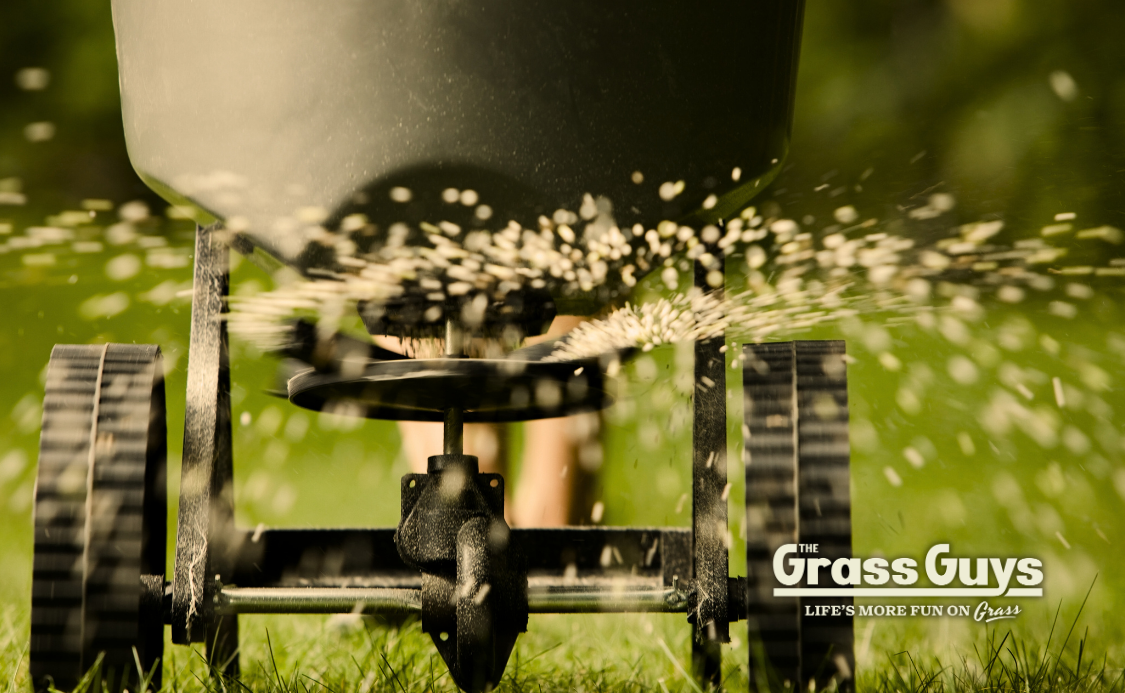
• Fertilizing.
• Soil health.
When one of these areas is off balance, problems often appear.
See: The 4 Fundamentals of Lawn Care
For example:
Mowing too short can weaken grass and expose soil to weeds.
Shallow watering can produce drought stress and thin turf.
Improper fertilization can lead to excessive growth or nutrient deficiency.
Many lawn problems resolve once these fundamentals are corrected.
Common Categories of Lawn Problems
Most lawn issues fall into one of several major categories.
Understanding these categories helps narrow down potential causes.
Water-Related Stress
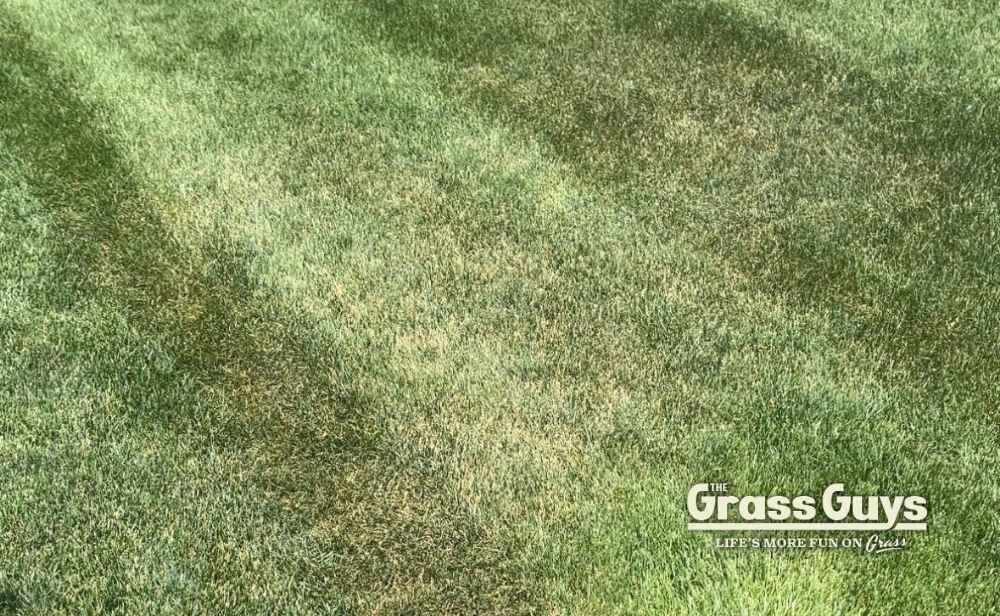
Watering problems are one of the most common causes of lawn damage.
Both too little water and too much water can cause turf to decline.
Underwatering can cause:
• Blue-gray grass color.
• Footprints that remain visible.
• Folded or rolled grass blades.
• Thinning during heat.
Overwatering can cause:
• Soft, spongy soil.
• Fungal disease development.
• Shallow roots.
• Yellowing turf.
See: Signs of Overwatering Your Lawn
See: Signs of Underwatering Your Lawn
Learning to water deeply and less frequently helps prevent both problems.
Nutrient Deficiencies
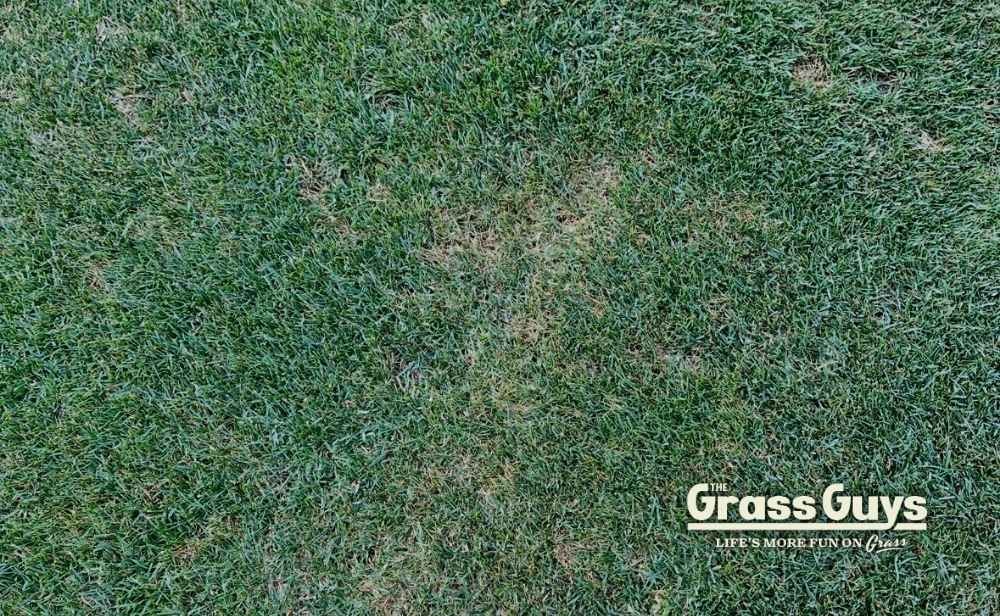
Grass requires nutrients to grow and maintain color.
When nutrients are lacking, lawns may show:
• Pale green or yellow color.
• Slow growth.
• Poor density.
• Weak recovery.
Nitrogen is the nutrient most commonly associated with color and growth.
However, soil tests can reveal whether phosphorus, potassium, or other nutrients are also limiting performance.
Correcting nutrient deficiencies should always begin with understanding your soil.
See: Fertilizing & Soil Health Guide
Soil Problems
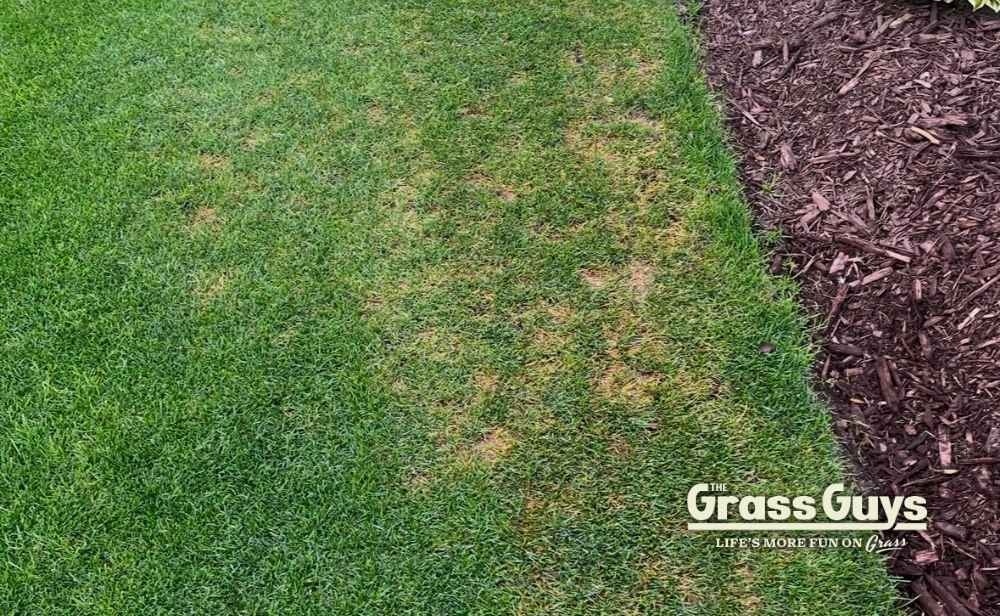
Healthy soil supports healthy roots.
When soil becomes compacted or imbalanced, grass struggles to grow properly.
Soil-related issues may include:
• Compaction.
• Poor drainage.
• Low organic matter.
• Improper soil pH.
Compacted soils restrict root growth and reduce oxygen availability.
Poor soil structure also limits water infiltration and nutrient uptake.
Improving soil health is often a long-term process but has major benefits for turf performance.
See: Fertilizing & Soil Health Guide
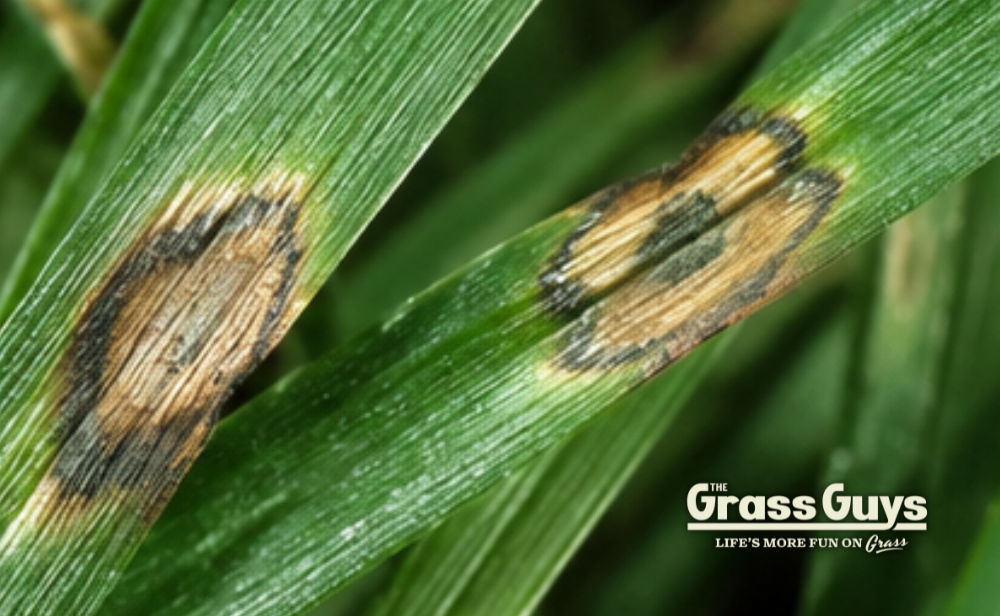
Disease Issues
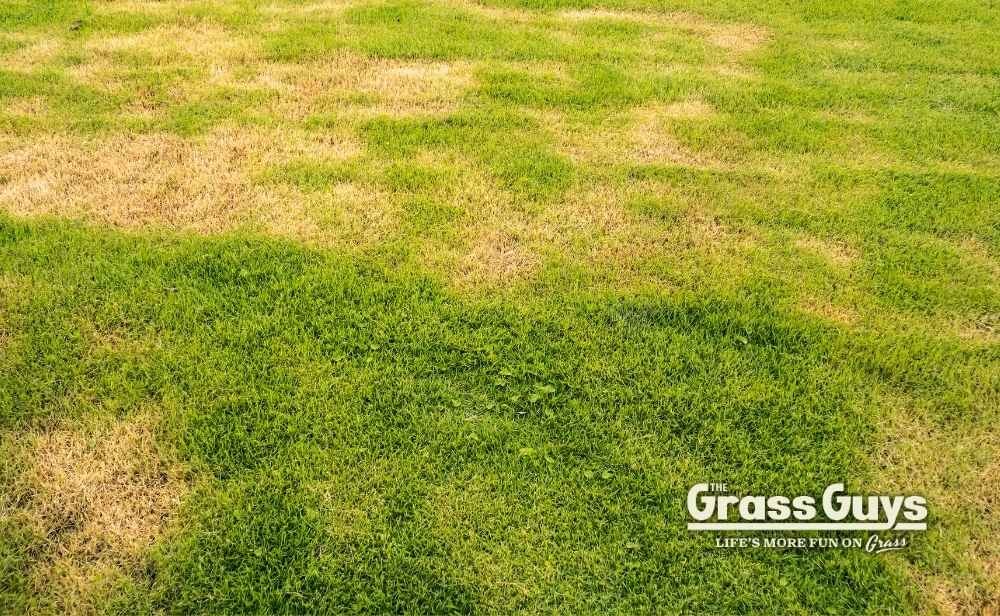
Fungal diseases can affect lawns when environmental conditions favor their development.
Disease outbreaks are often linked to combinations of:
• High humidity.
• Excessive moisture.
• Warm temperatures.
• Stressed turf.
Common lawn diseases may produce:
• Circular brown patches.
• Irregular dead areas.
• Leaf spotting.
• Thinning turf.
Disease pressure often increases when lawns are stressed by improper mowing, watering, or fertilization.
Maintaining healthy turf is one of the best preventative strategies.
See: Lawn Disease & Fungus Identification Guide
Insect Damage
Certain insects feed on grass roots or leaves.
These pests can cause sudden thinning or dead areas.
Examples of lawn insect damage may include:
• Turf that pulls up easily from the soil.
• Irregular dead patches.
• Increased bird or animal digging.
Root-feeding insects can damage turf by weakening the root system.
Monitoring for insect activity helps identify issues early.
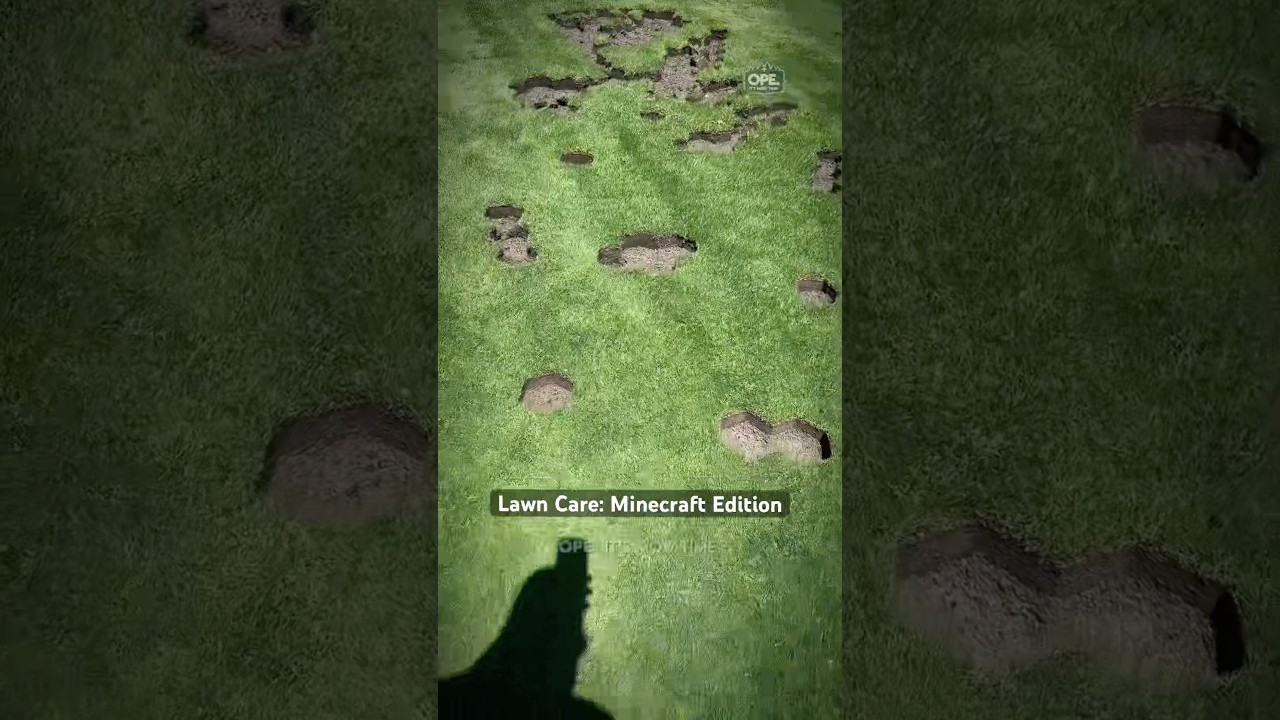
Animal Activity
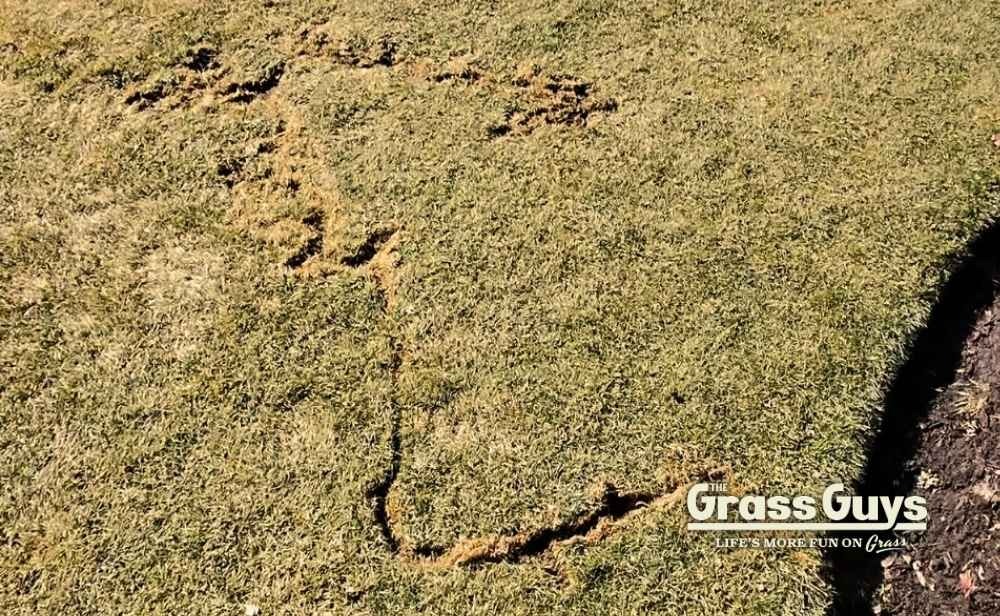
Animals sometimes cause lawn damage while searching for food or creating burrows.
Common examples include:
• Mole tunnels.
• Vole surface trails.
• Digging from raccoons or skunks.
These animals are often attracted by insects or soil conditions.
Identifying the type of animal damage helps determine the appropriate solution.
Weed Invasion
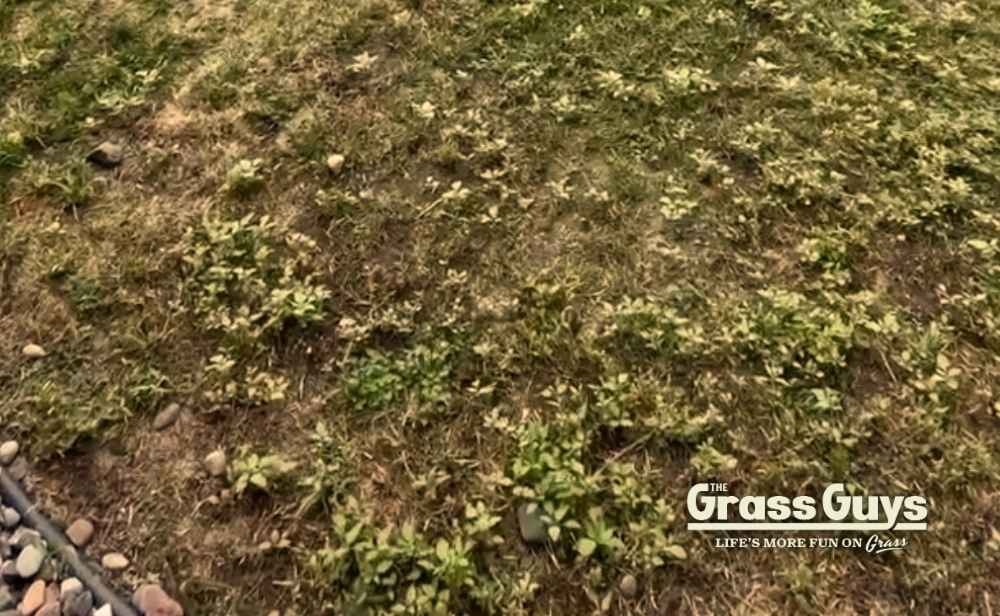
Weeds appear when turf density declines.
Healthy lawns naturally crowd out many weeds.
However, when grass becomes thin due to stress, weeds gain an opportunity to establish.
Weeds may indicate underlying problems such as:
• Compacted soil.
• Poor mowing practices.
• Improper fertilization.
• Excessive moisture.
Addressing these underlying issues often reduces weed pressure over time.
Environmental Stress
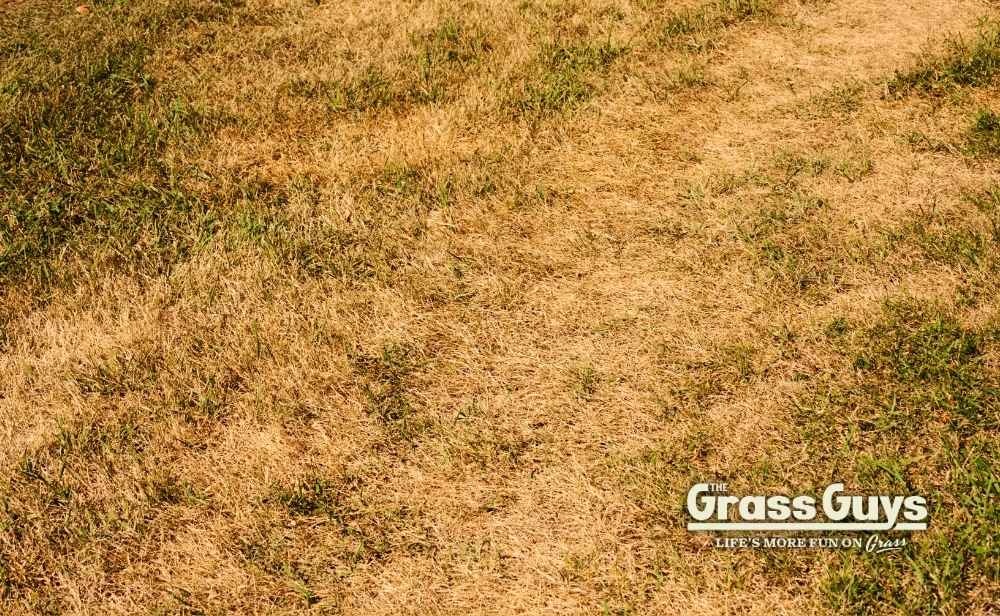
Weather conditions can create lawn stress that appears as damage.
Examples include:
• Heat waves.
• Drought.
• Excessive rainfall.
• Prolonged shade.
Cool-season grasses may slow growth or enter dormancy during extended summer heat.
This is a natural survival response rather than permanent damage.
Understanding seasonal growth patterns helps prevent unnecessary treatments.
How to Diagnose a Lawn Problem
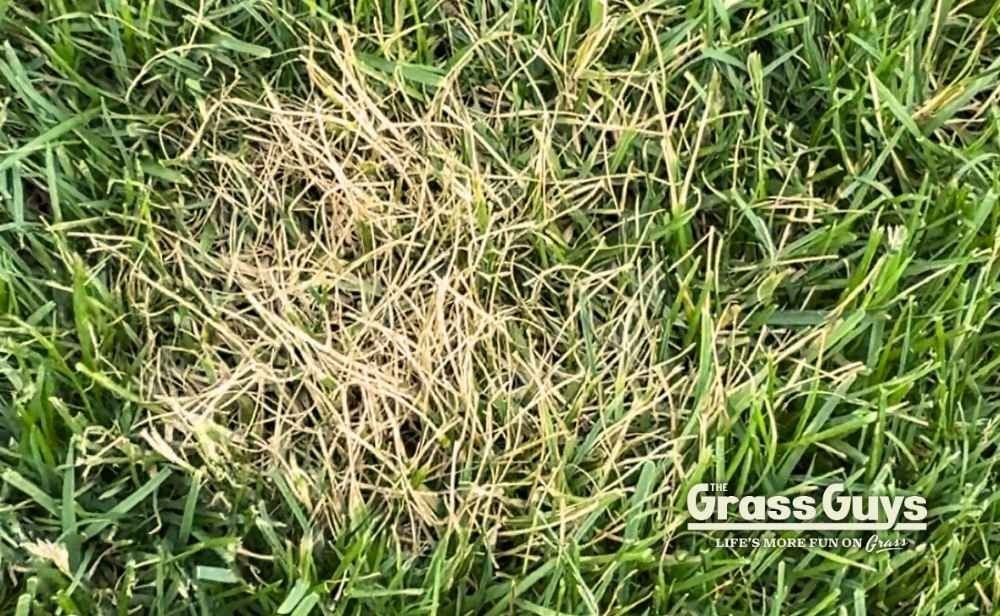
When investigating lawn issues, ask a series of simple questions.
- What has changed recently in the lawn environment?
- Have there been extreme temperatures or unusual weather?
- Have watering patterns changed?
- Was fertilizer recently applied?
- Is the damage spreading or remaining stable?
Looking at the timing and conditions surrounding a problem often reveals the cause.
When Soil Testing Helps
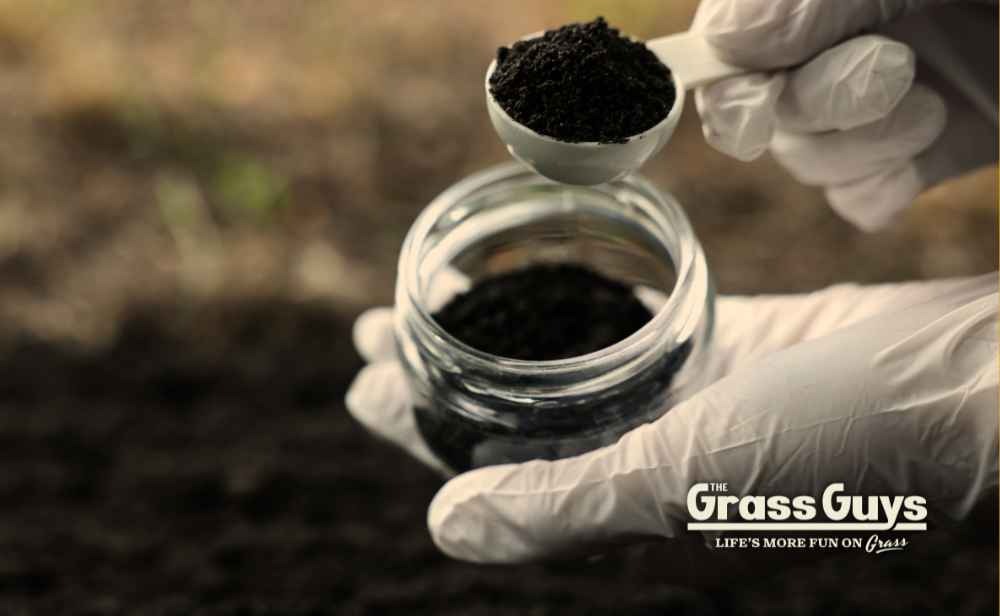
Soil testing is one of the most effective ways to remove guesswork from lawn care.
A soil test can identify:
• Nutrient deficiencies.
• Soil pH imbalance.
• Organic matter levels.
These insights help guide fertilization and soil improvement strategies.
Testing every few years helps maintain balanced soil conditions.
Preventing Lawn Problems
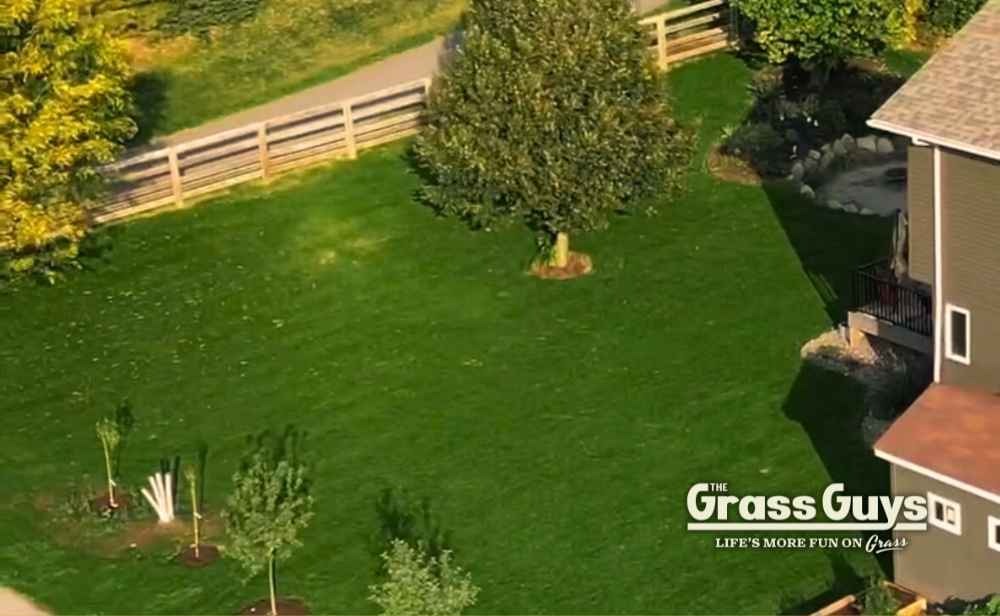
The best way to solve lawn problems is often prevention.
Healthy lawns resist stress more effectively when the basics are handled correctly.
Focus on:
• Proper mowing height.
• Deep and consistent watering.
• Balanced fertilization.
• Healthy soil structure.
These practices create dense turf that naturally resists weeds, pests, and disease.
Final Thoughts

Lawn problems are common, but they are rarely random.
Most issues are connected to environmental conditions or management practices.
By learning to recognize symptoms and understand underlying causes, homeowners can make better decisions and avoid unnecessary treatments.
Healthy lawns are not built through quick fixes.
They are built through consistent care, observation, and a strong foundation of good lawn practices.
Where to Go Next
Signs of Overwatering
Signs of Underwatering
How to Read a Soil Test
Fertilizing & Soil Health Guide
Watering & Irrigation Guide