Signs You Are Overwatering Your Lawn
How to Tell If Too Much Water Is Hurting Your Grass
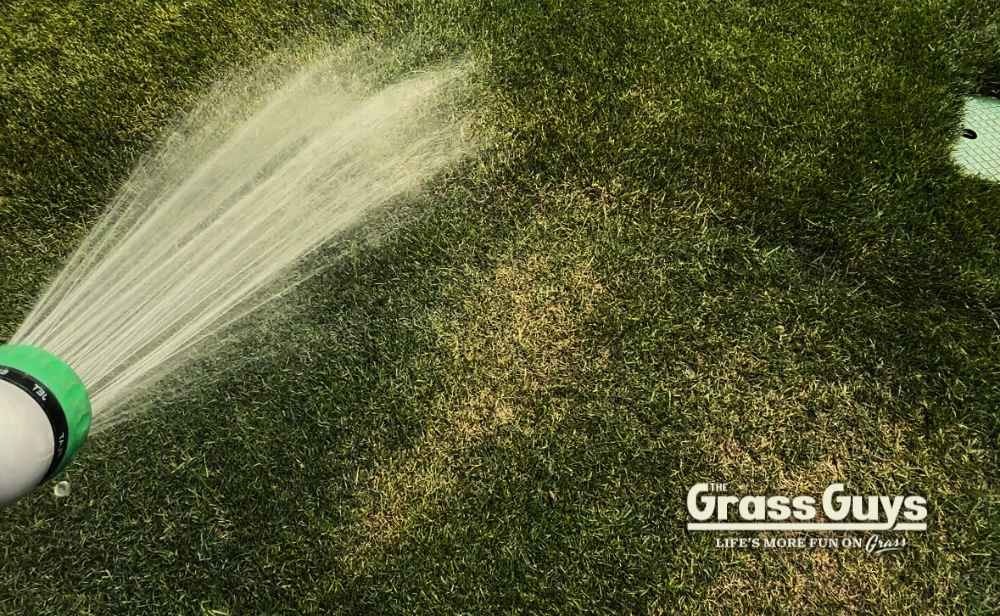
Most homeowners worry about underwatering. Far fewer realize they are overwatering.
And overwatering is often more damaging than slightly too little water.
If your lawn looks unhealthy despite regular irrigation, excess water may be the problem.
Let’s walk through the clear signs.
1. Soil Feels Soft, Spongy, or Soggy
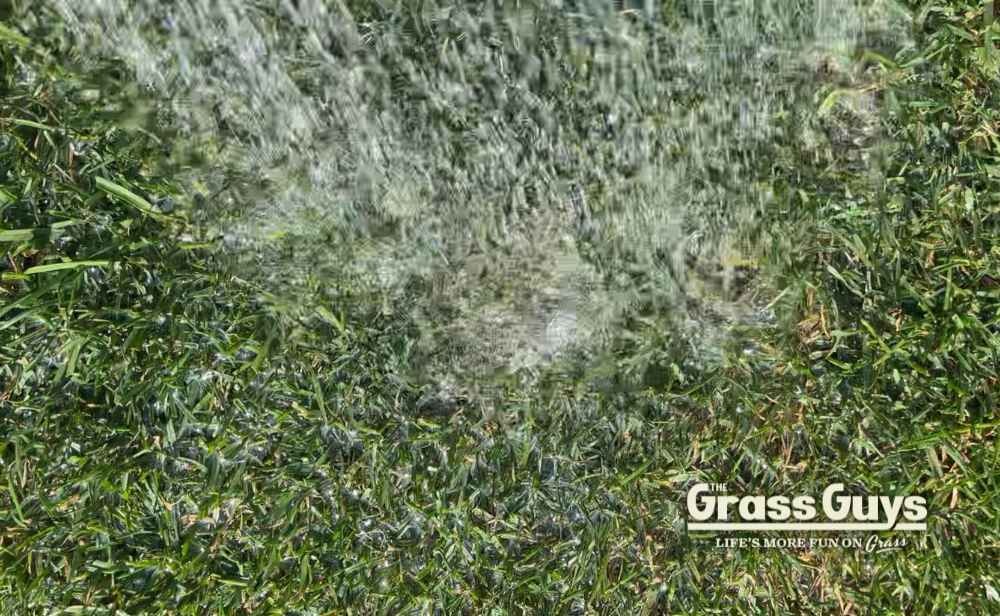
If you step on your lawn and it feels:
- Squishy
- Soft
- Waterlogged
That is not healthy moisture. That is oversaturation.
Healthy soil should feel firm but slightly moist below the surface.
If water pools or remains on the surface after irrigation, you are applying too much too frequently.
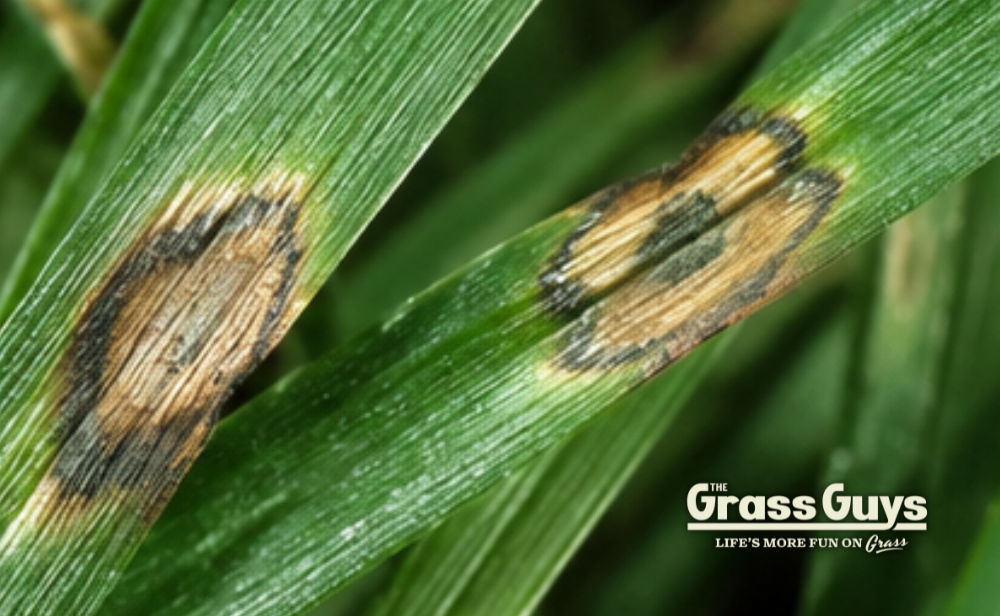
2. Persistent Fungal Disease
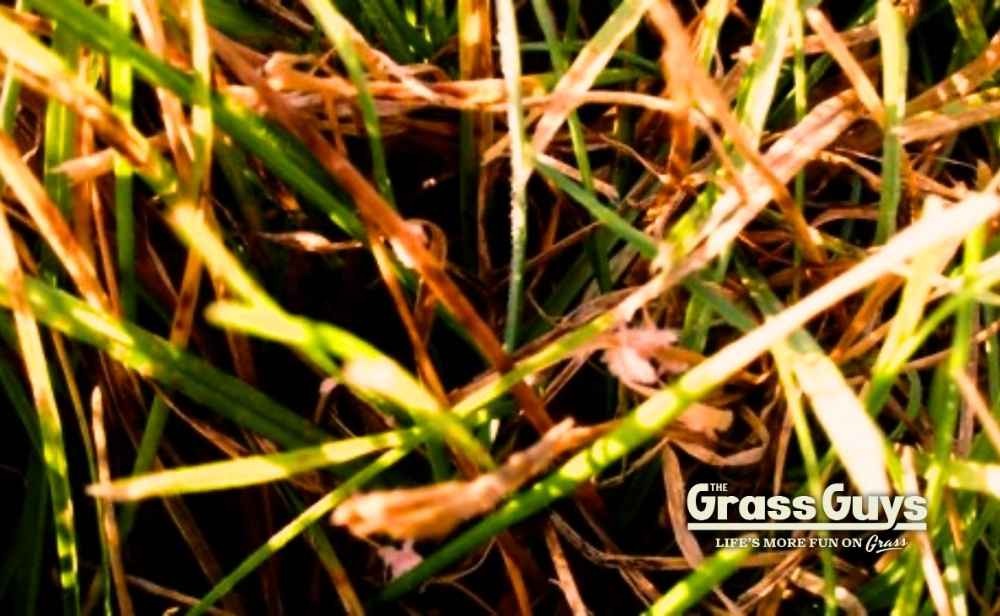
Excess moisture creates the perfect environment for fungus.
Common signs include:
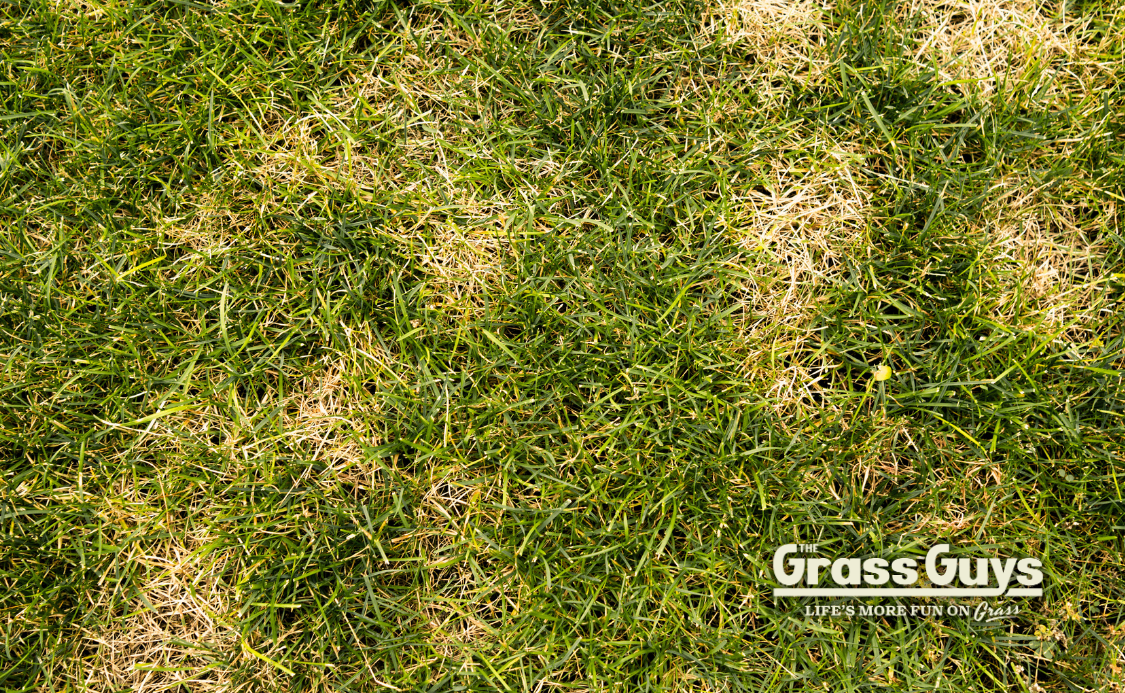
- Circular brown patches
- Powdery coatings
- Leaf spots
- Thinning turf in irregular shapes
Warm, wet conditions combined with frequent watering invite disease pressure.
Grass needs airflow and dry-down time.
👉 See: Best Time to Water Your Lawn
3. Yellowing Grass
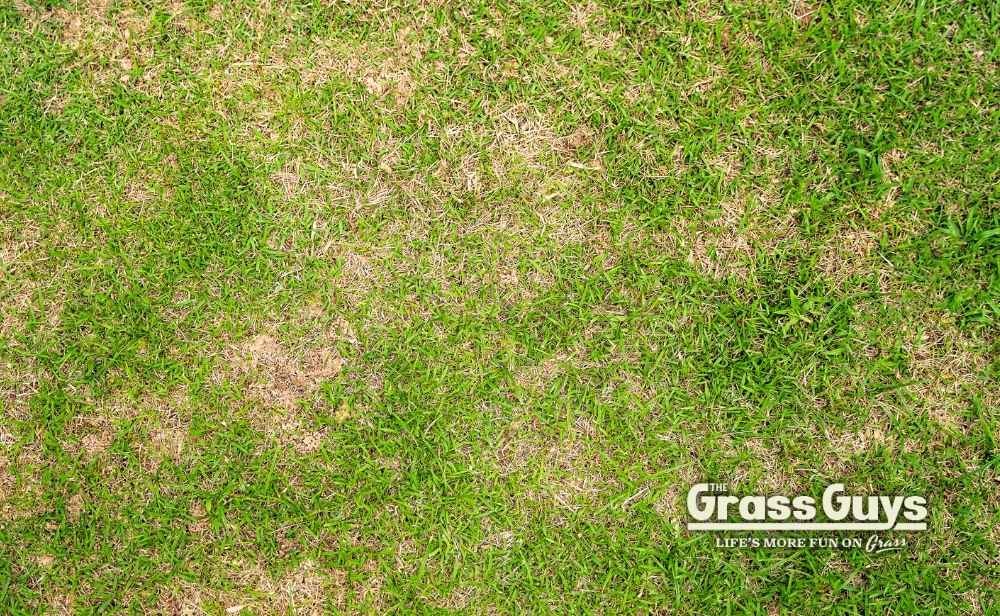
Overwatered lawns often turn yellow rather than brown.
Why?
Too much water:
- Displaces oxygen in the soil
- Suffocates roots
- Limits nutrient uptake
Roots need oxygen as much as they need water.
If grass looks pale or yellow despite fertilizer, suspect overwatering.
4. Shallow Root Systems
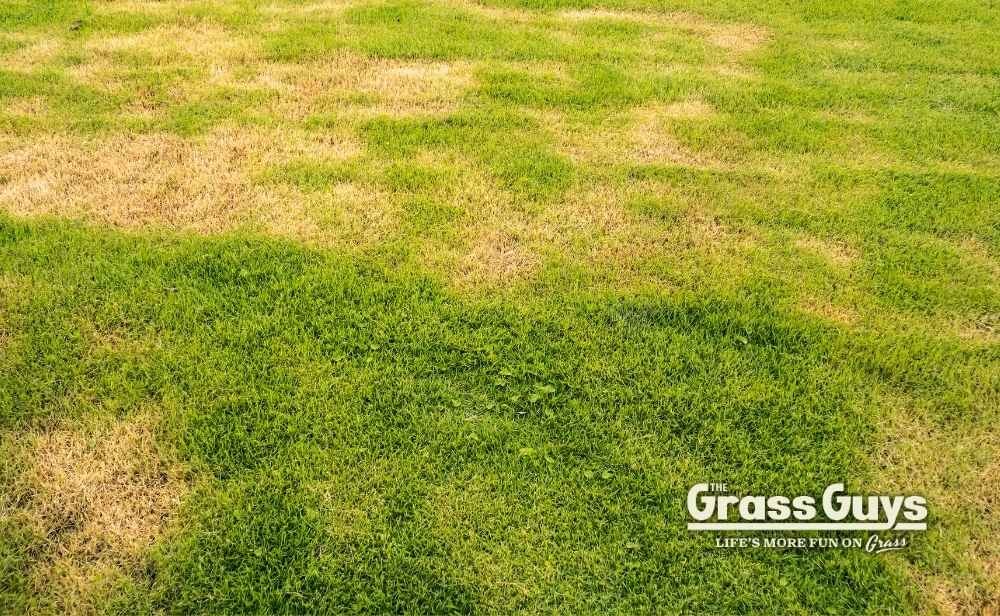
Overwatering encourages shallow roots.
If you dig a small section and roots are only 1 to 2 inches deep, your watering schedule may be too frequent.
Deep, infrequent watering builds roots 6 to 8 inches deep.
Shallow roots mean:
- Poor drought tolerance
- Faster heat stress
- Increased dependency on irrigation
👉 See: How Much Water Does My Lawn Need?
5. Increased Weed Growth

Certain weeds thrive in wet soil conditions.
Examples include:
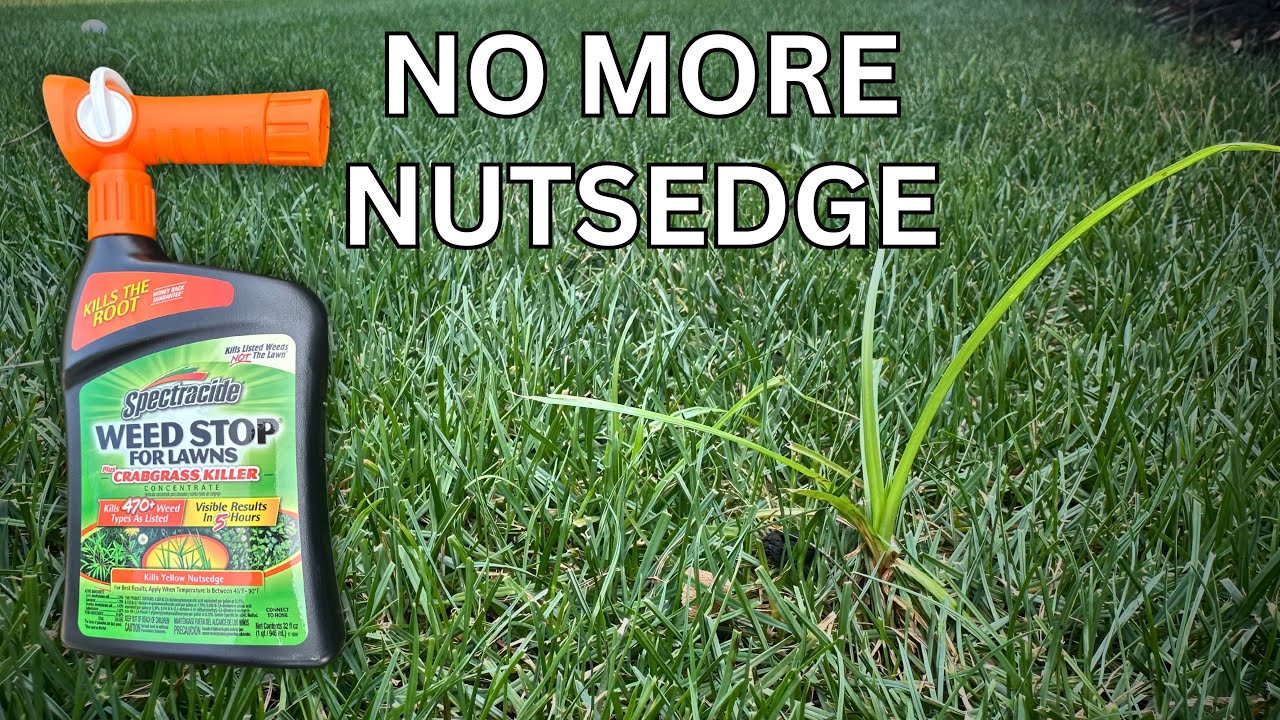
- Nutsedge
- Creeping bentgrass
- Moss
- Poa annua
If these appear aggressively, your lawn may be staying too wet.
Healthy turf outcompetes many weeds when soil moisture is balanced.
6. Thatch Accumulation
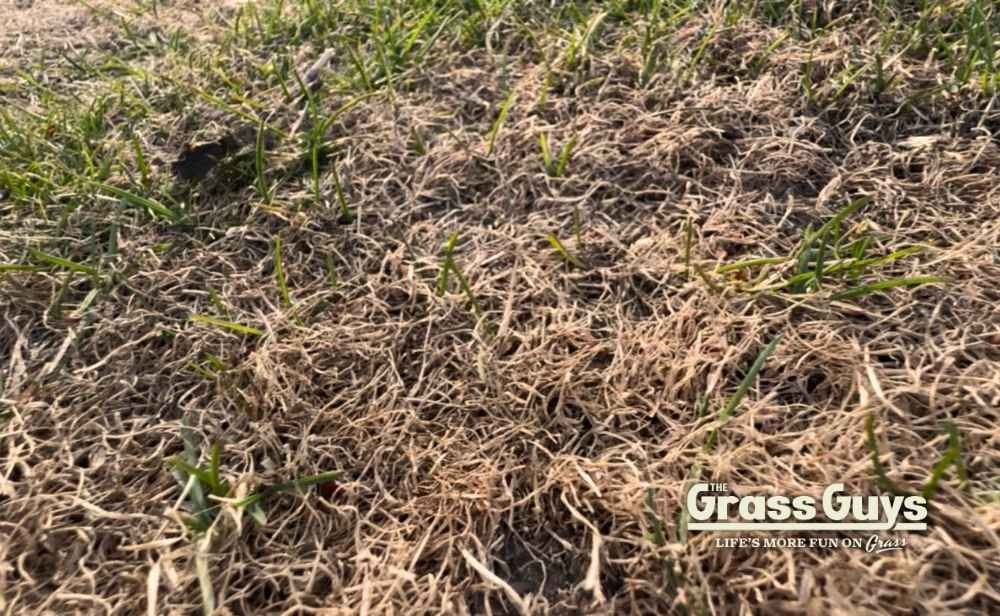
While clippings do not cause thatch, overwatering can contribute indirectly.
Excess moisture:
- Slows microbial breakdown
- Increases soft, lush growth
- Reduces soil oxygen
This can lead to thatch buildup over time.
7. Water Runoff and Pooling
If water:
- Runs off sidewalks quickly
- Pools in low spots
- Creates muddy areas
You are likely applying too much water too fast.
Clay soils especially require slower, deeper cycles rather than long continuous runs.
Why Overwatering Happens

Most overwatering comes from:
- Automatic irrigation set too frequently
- Fear of drought stress
- Not adjusting for rainfall
- Watering daily out of habit
Many systems are set and forgotten.
Watering should change with the weather.
How to Fix Overwatering
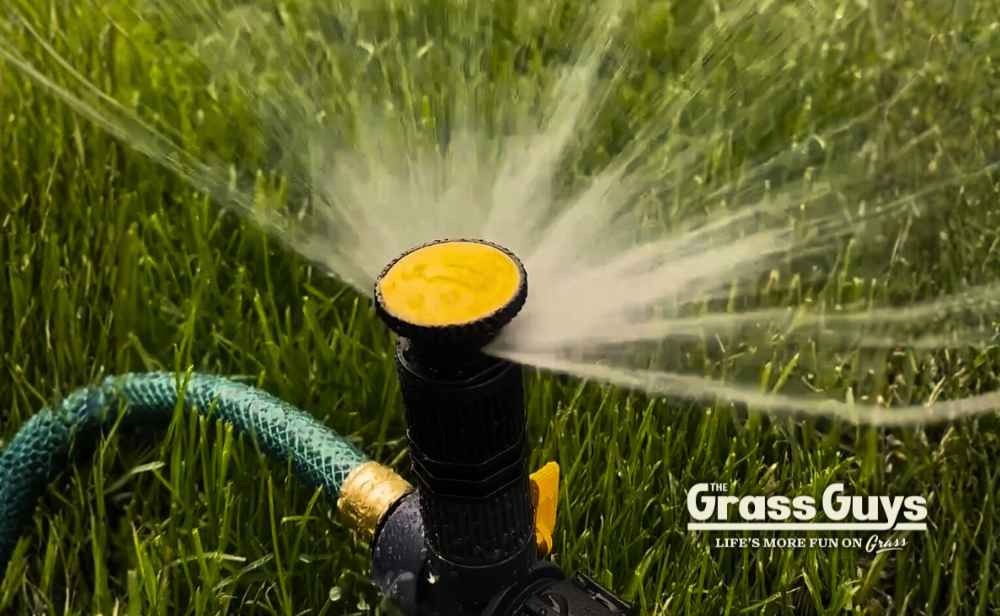
Step 1: Reduce frequency
Water 1 to 2 times per week instead of daily.
Step 2: Water deeply
Apply approximately 1 to 1.5 inches per week including rainfall.
Step 3: Allow soil to dry slightly between cycles
Surface should dry before next watering.
Step 4: Adjust for rainfall
Turn systems off after significant rain.
What Healthy Watering Looks Like
Proper watering produces:
- Deep root systems
- Firm soil
- Even green color
- Minimal disease
- Strong drought tolerance
Your lawn should not feel constantly wet.
Moist below the surface. Dry at the top. That is ideal.
Overwatering vs Underwatering
Overwatered lawns:
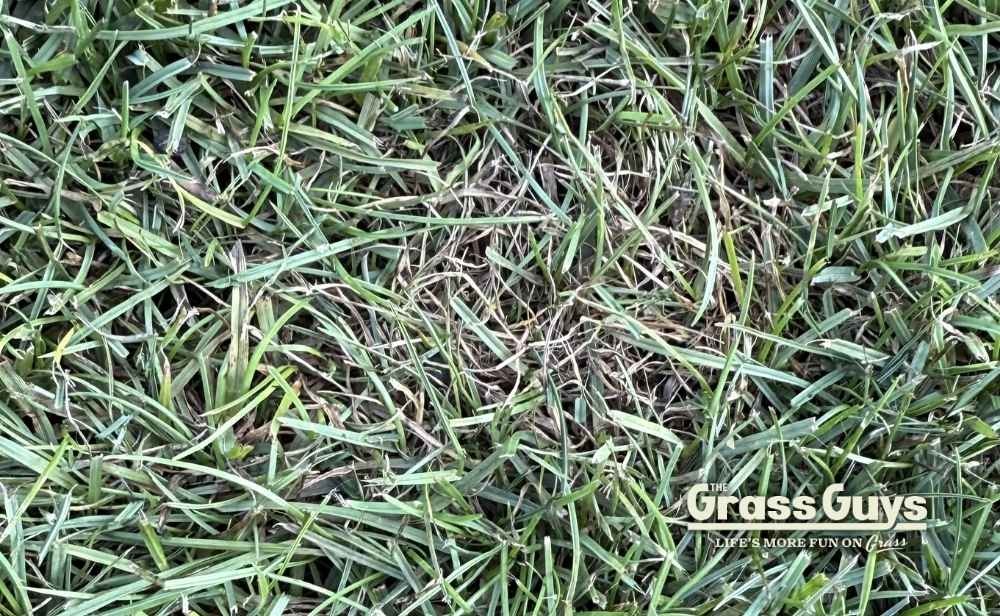
- Yellow
- Mushy
- Disease prone
- Shallow rooted
Underwatered lawns:
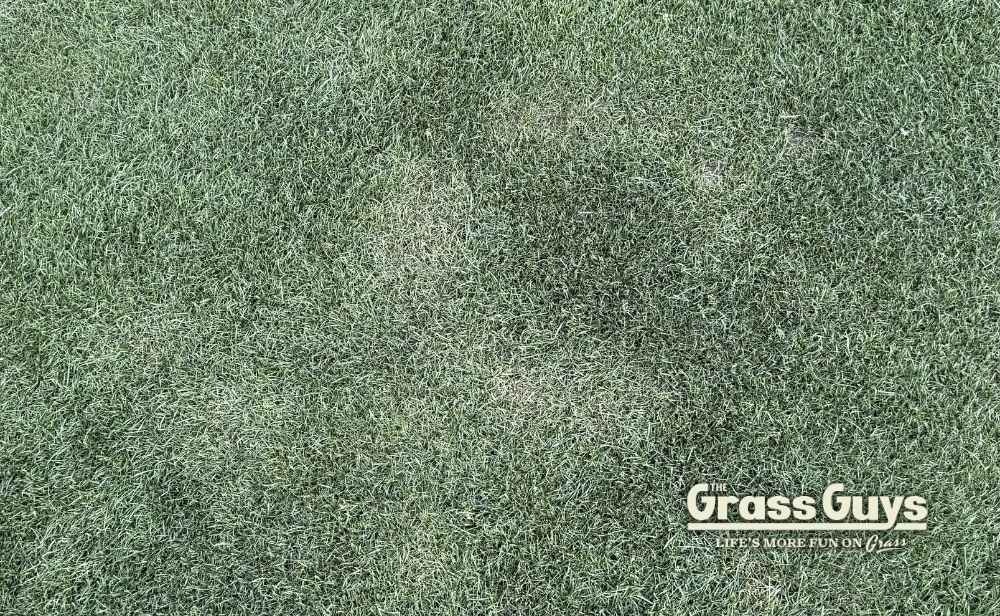
- Blue-gray tint
- Footprints remain
- Leaf blades fold
- Dry, firm soil
The symptoms are different.
Diagnose correctly before adjusting.
Seasonal Overwatering Risks
Spring
Frequent rainfall combined with irrigation often causes oversaturation.
Reduce watering when rain is regular.
Summer
Daily watering during heat is common but harmful.
Deep and infrequent watering builds resilience.
👉 See: Watering & Irrigation Guide
Final Thoughts
More water does not equal a healthier lawn.
Grass needs balance.
If your lawn is struggling despite regular watering, step back and evaluate frequency.
- Water deeply.
- Water less often.
- Allow roots to breathe.
Strong lawns grow from strong roots. Strong roots need oxygen.