How Much Water Does My Lawn Need?
The Right Amount for a Healthy, Deep-Rooted Lawn

This is one of the most common lawn questions.
And the honest answer is:
It depends.
But there is a reliable baseline you can follow that works for most cool-season lawns.
Let’s simplify it.
The Short Answer
Most established cool-season lawns need:
1 to 1.5 inches of water per week
That number includes rainfall, not per watering. This is the total per week, including rainfall.
The exact amount depends on:
- Temperature
- Soil type
- Grass type
- Sun exposure
- Wind
- Lawn age
But 1 to 1.5 inches is your starting point.
Why 1 to 1.5 Inches Works
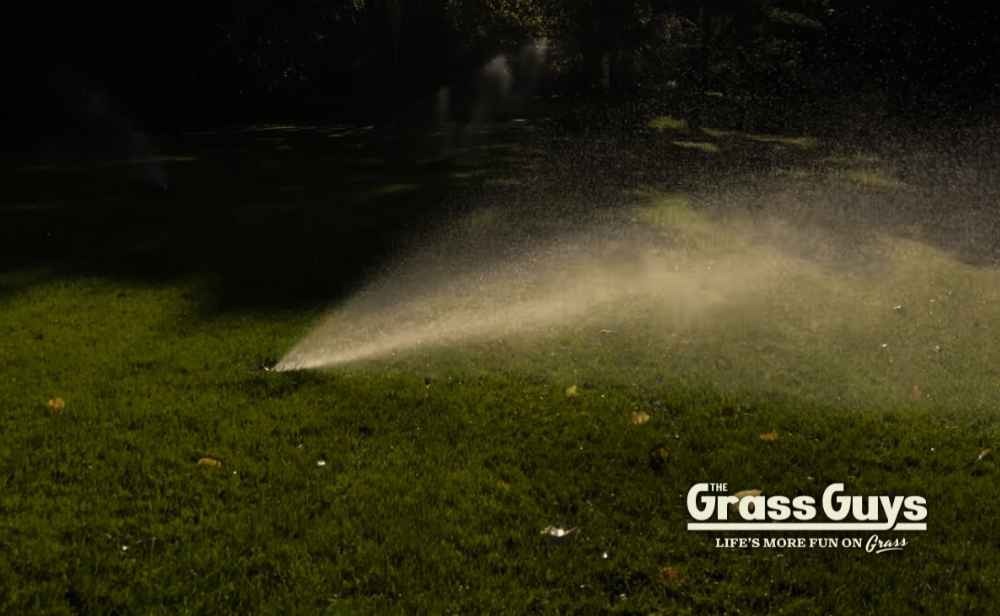
Grass roots need moisture 6 to 8 inches deep.
Applying roughly 1 inch of water:
- Soaks soil deeply
- Encourages root growth
- Reduces shallow rooting
- Improves drought tolerance
Less than that often results in shallow, weak roots.
More than that often leads to waste, runoff, or disease pressure.
Does My Lawn Need Water Every Day?
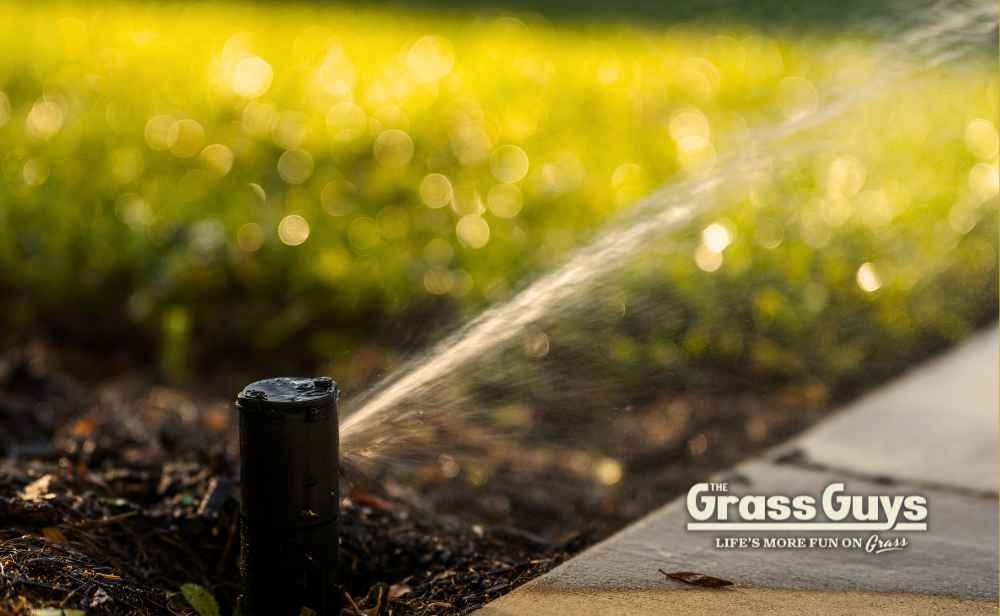
No. In fact, daily watering is usually harmful for established lawns.
The better strategy:
Water deeply 1 to 2 times per week.
Let the surface dry slightly between waterings.
Frequent shallow watering trains roots to stay near the surface, which makes your lawn more vulnerable to heat and drought.
👉 See: Watering & Irrigation Guide
How to Measure 1 Inch of Water

Do not guess.
Use this simple method:
- Place several tuna cans or straight-sided containers around your yard.
- Turn on your sprinkler system.
- Time how long it takes to collect 1 inch of water.
- That is your weekly runtime baseline.
If it takes 45 minutes to reach 1 inch, you now know how long to run that zone per week.
Simple. Accurate. Repeatable.
Soil Type Changes Watering Needs
Your soil determines how water behaves.
Clay Soil
- Holds water longer
- Drains slowly
- May require slower or split cycles
You may apply the full 1 inch but break it into shorter intervals to avoid runoff.
Sandy Soil
- Drains quickly
- Does not hold moisture long
- May require slightly more frequent watering
You may still target 1 inch per week, but spread it across two deeper cycles.
Loam Soil
- Balanced drainage and retention
- Ideal watering environment
Most suburban lawns are somewhere between clay and loam.
How Heat Changes Water Requirements

During moderate temperatures:
1 inch per week is often sufficient.
During extreme summer heat:
You may need closer to 1.25 to 1.5 inches per week.
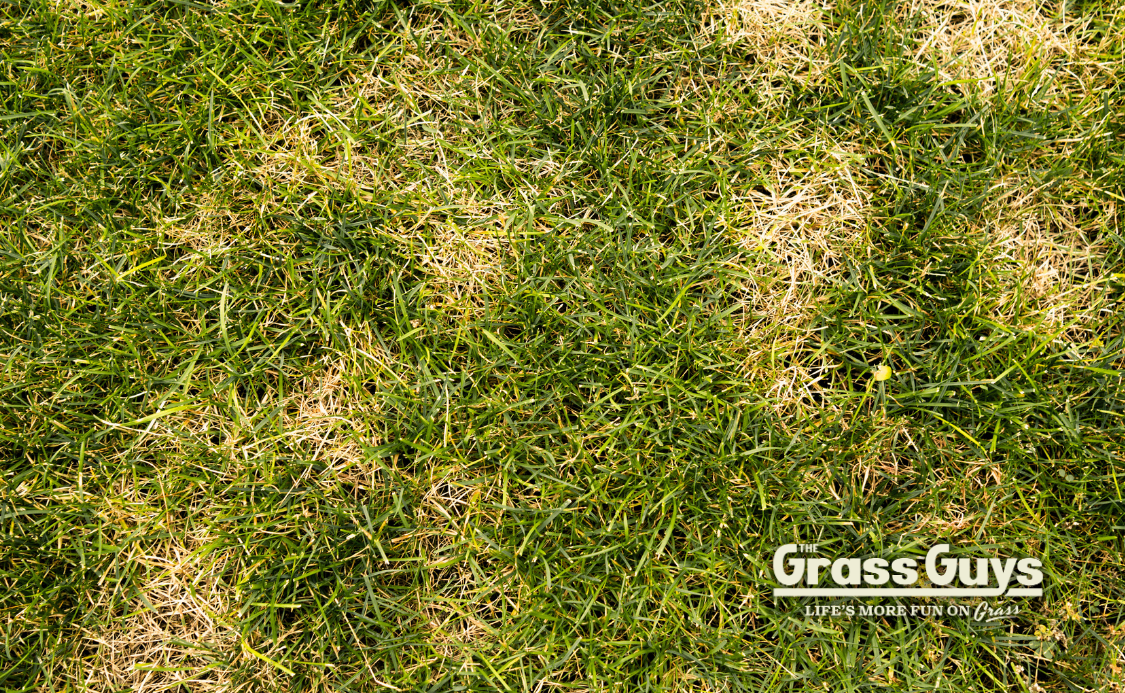
Watch your lawn and monitor the signs. It will start showing you the signs that it needs to be watered more.
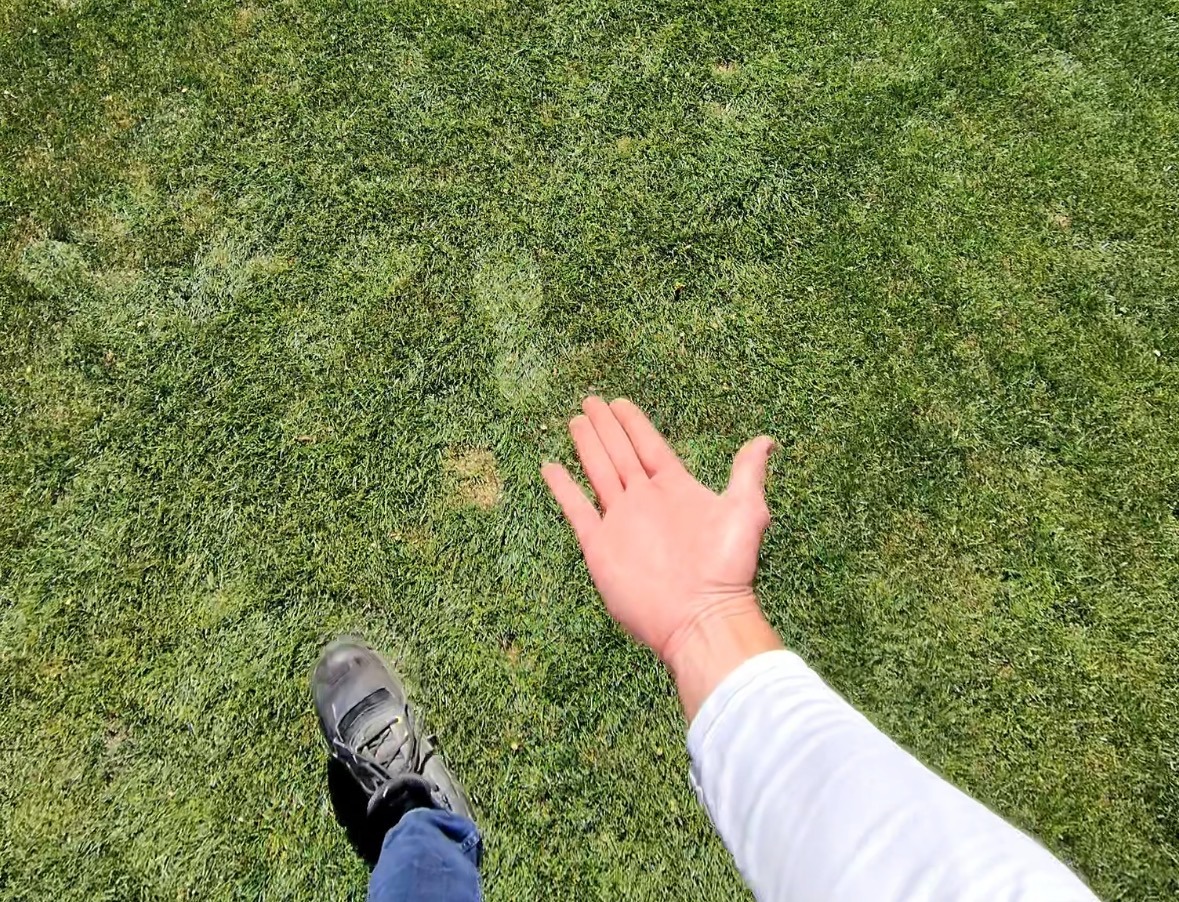
If you see:
- Dull blue-gray color
- Footprints that remain visible
- Leaf blades folding inward
It is time to water.
👉 See: Mowing in the Summer Heat
What If My Lawn Goes Dormant?
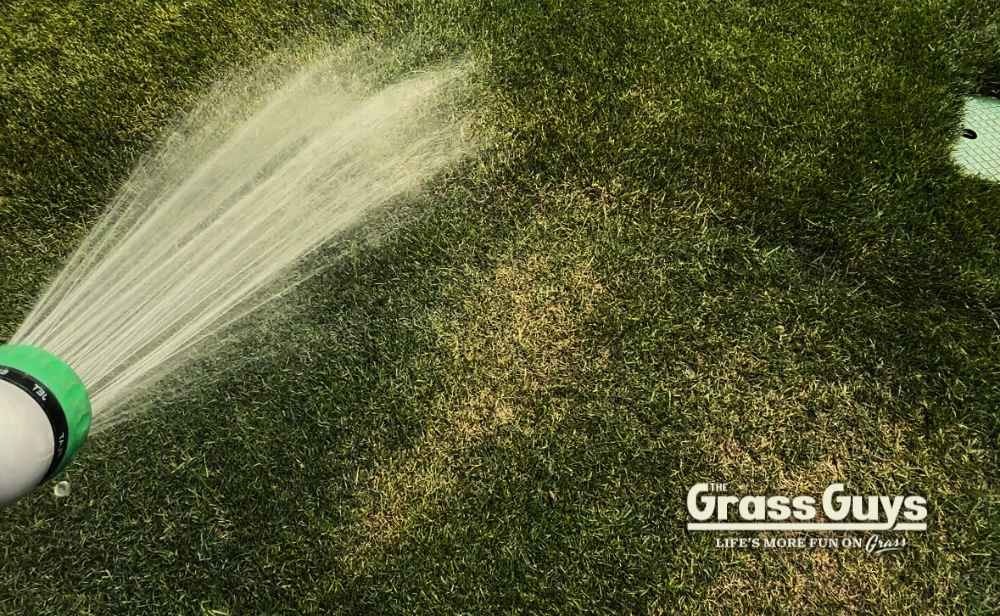
Cool-season lawns may go dormant during extended heat.
Dormant grass:
- Turns brown
- Stops active growth
- Conserves energy
If you choose to let it go dormant (which is perfectly fine):
Apply about 0.5 inch every 2 to 3 weeks to protect the crown.
If you want to keep it green:
Maintain your 1 to 1.5 inch weekly schedule.
Both approaches can work, you just need to know what you need to do in order to be successful.
New Lawns Need Different Watering
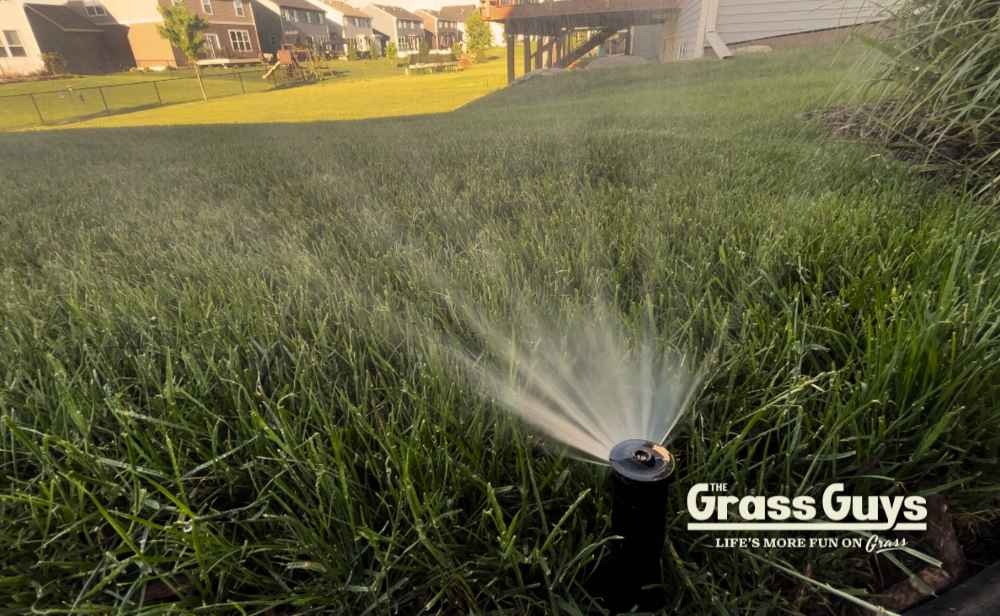
Do not apply the 1-inch rule to new seed.
New seed requires:
- Light, frequent watering
- Consistently moist top layer
- 2 to 4 light cycles per day during germination
Once grass establishes, transition to deep, infrequent watering.
👉 See: How to Overseed
👉 See: Starting a Lawn From Scratch
Signs You Are Overwatering
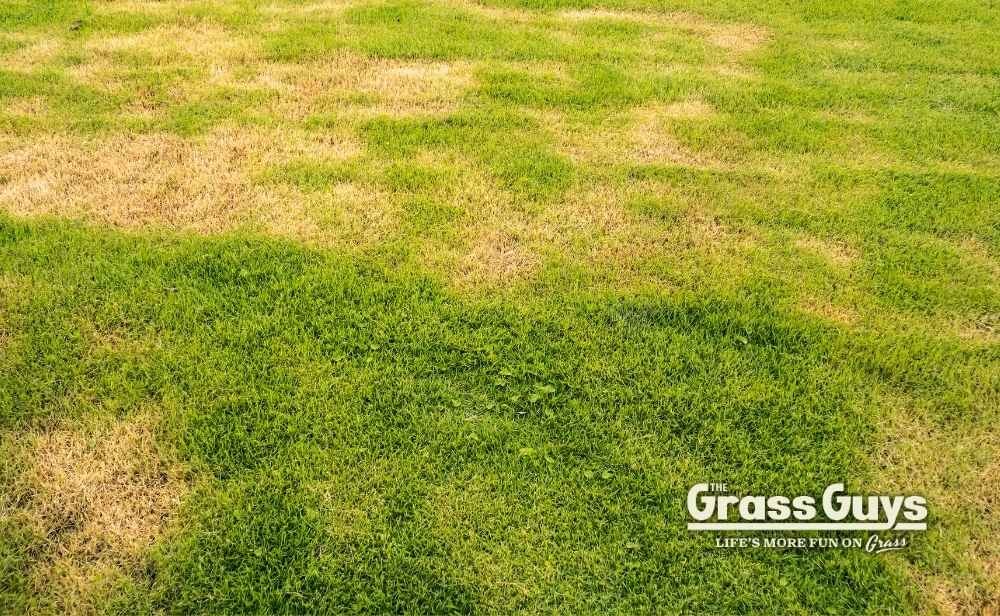
More water is not better.
Watch for:
- Constantly wet soil
- Mushy surface
- Fungal issues
- Increased weed pressure
- Shallow roots
Overwatering is one of the most common lawn mistakes.
Grass Type and Water Needs

Tall Fescue
- Deeper root potential
- Often more drought tolerant
- May perform better with slightly less frequent watering once established
Kentucky Bluegrass
- Shallower roots
- Benefits from consistent moisture
- Excellent recovery when watered properly
Fine Fescue
- Lower water needs in shade
- Performs well with moderate irrigation
If you are unsure what grass you have:
👉 See: What Kind of Grass Do I Have?
The Bigger Picture
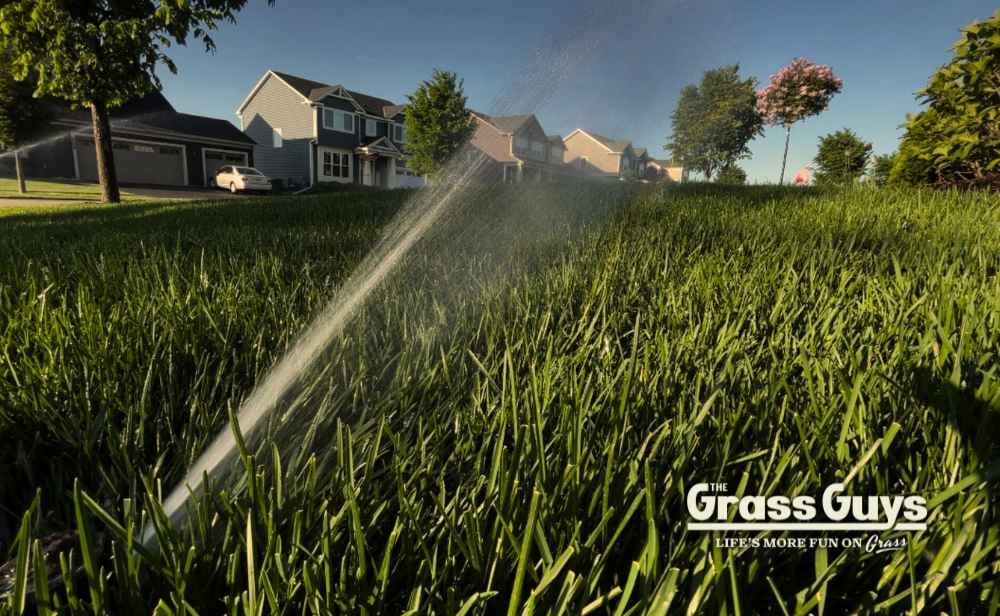
Watering is not about hitting an exact number.
It is about:
- Root depth
- Soil moisture
- Seasonal adjustment
- Consistency
Use 1 to 1.5 inches per week as your guide.
Then adjust based on weather and performance.
Final Thoughts
Most lawns need less frequent watering than homeowners think.
Deep and infrequent wins.
Measure your output.
Water early in the morning.
Adjust with heat.
Let the soil breathe between cycles.
If you master watering, you build stronger roots.
Stronger roots build better lawns.