Best Time to Water Your Lawn
When to Water for Stronger Roots and Less Disease
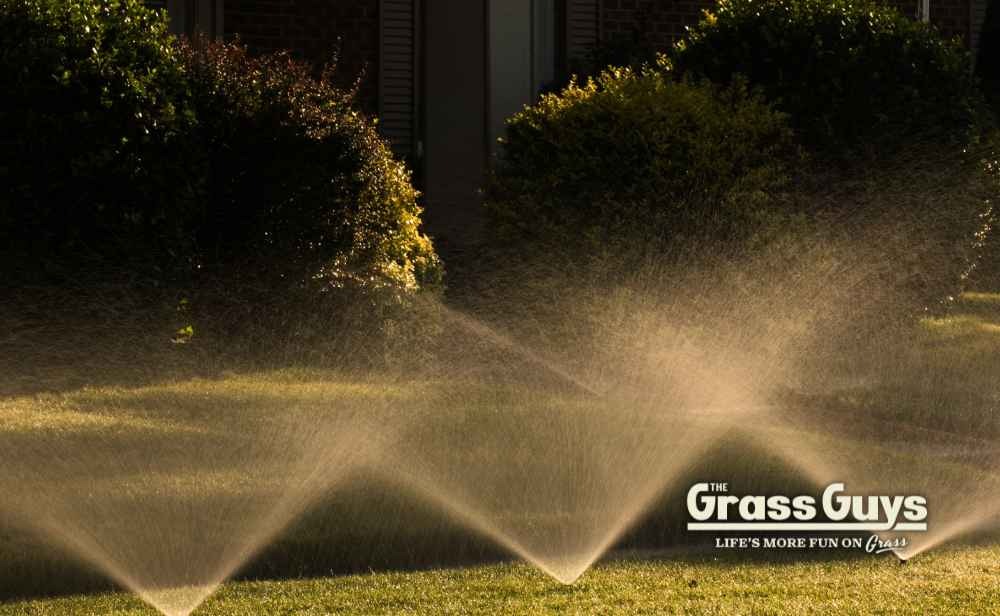
If you are watering at the wrong time of day, you are either:
- Losing water to evaporation
- Increasing disease risk
- Or both
The timing of irrigation matters almost as much as the amount.
So when is the best time to water your lawn?
Why Early Morning Is Best
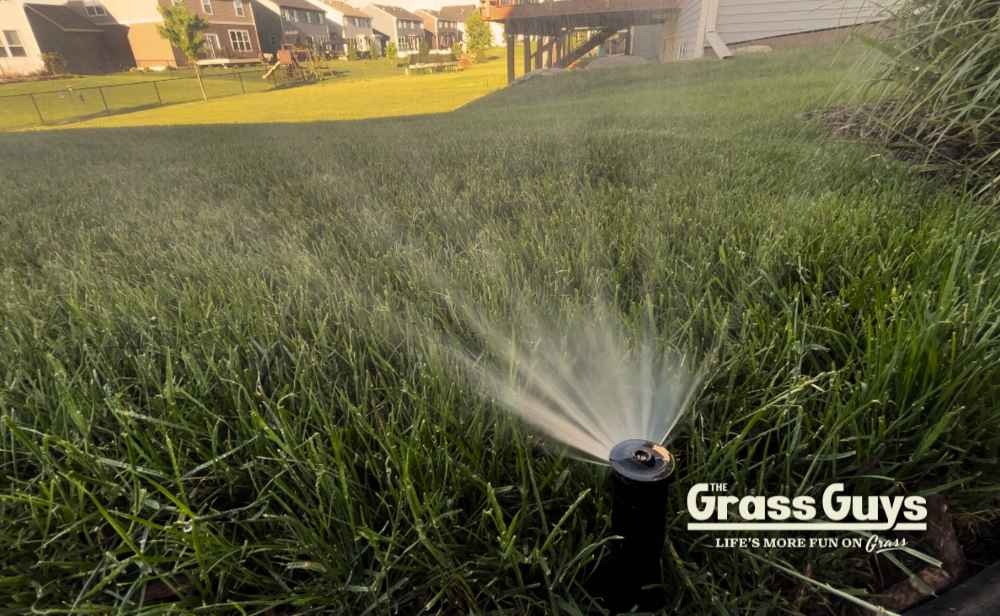
Early morning watering works because:
- Air temperatures are cooler
- Wind speeds are lower
- Evaporation is minimal
- Grass dries quickly after sunrise
Aim for the sweet spot to have your watering started and completed between 4am - 9am
This means:
- More water reaches the root zone
- Less water is wasted
- Leaves dry before nightfall
- Disease pressure is reduced
You get maximum efficiency and minimum risk.
Why Not Water at Night?
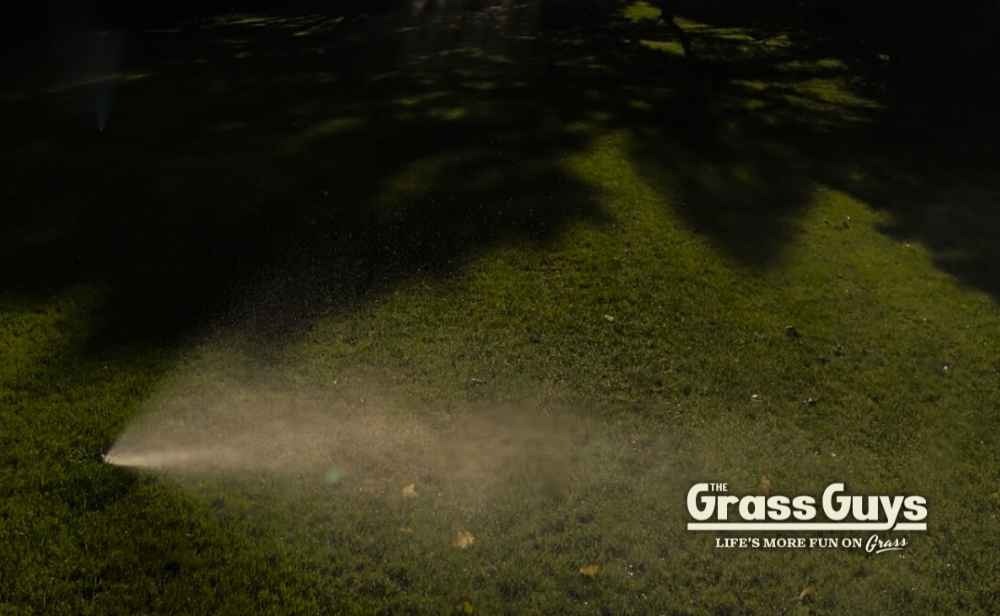
Night watering is one of the most common mistakes.
When you water late evening or overnight:
- Grass blades stay wet for hours
- Air circulation is minimal
- Humidity stays trapped near the surface
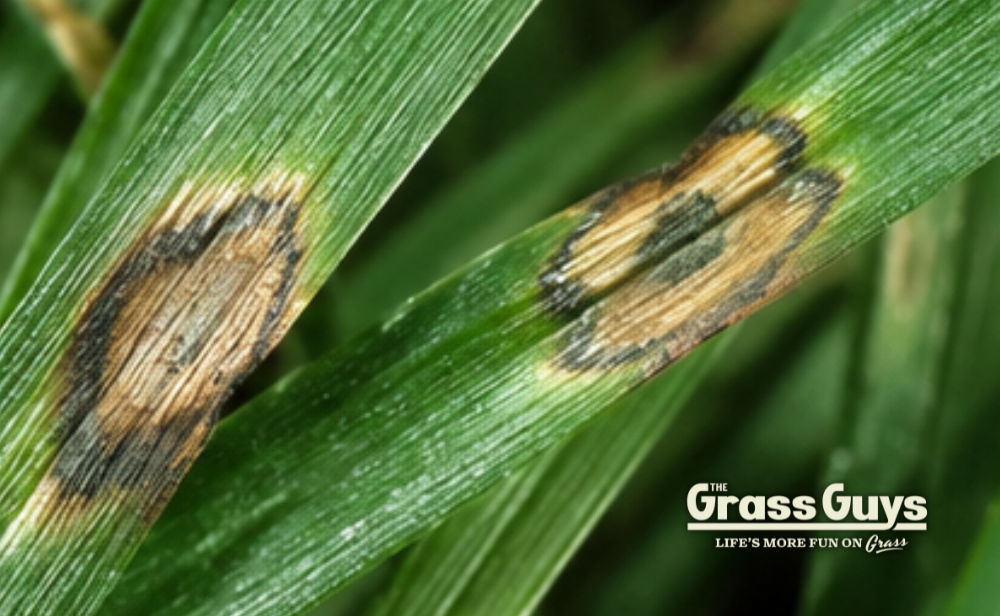
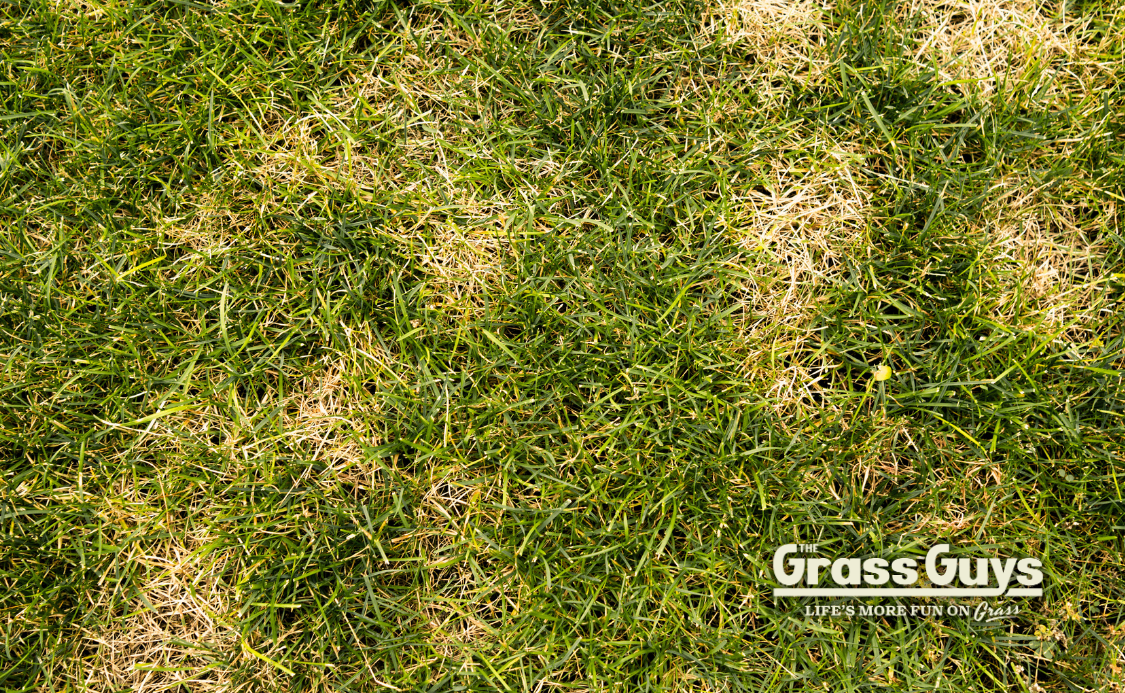
This creates ideal conditions for fungal diseases such as:
- Brown patch
- Dollar spot
- Leaf spot
Moisture sitting on leaves overnight invites problems.
Water the soil, not the leaves.
What About Midday Watering?
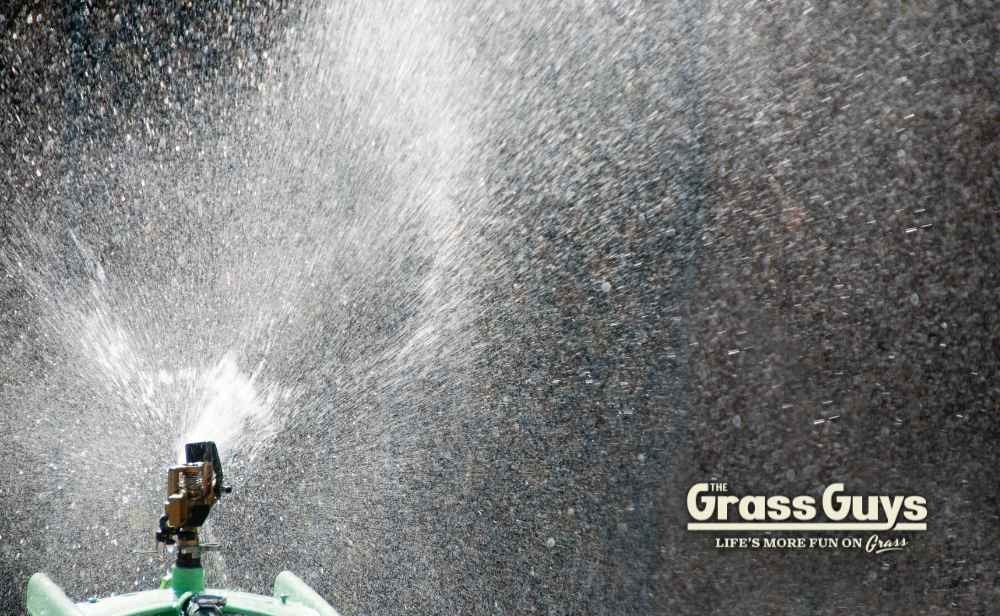
Midday watering is not ideal for routine irrigation.
During peak heat:
- Evaporation increases
- Wind drift increases
- Less water reaches the root zone
However, there is one exception.
If your lawn is heat stressed and wilting during extreme heat, a short mid-afternoon cycle can cool the turf temporarily.
This is called syringe watering.
It is a stress relief method, not a deep watering strategy.
Routine irrigation should still happen in the morning.
How Early Is Too Early?
Watering before 4 AM is fine if:
- Your system is automated
- There is no runoff issue
The key is that watering finishes before the sun is high and temperatures spike.
As long as turf dries shortly after sunrise, timing is effective.
How Long Should You Water in the Morning?
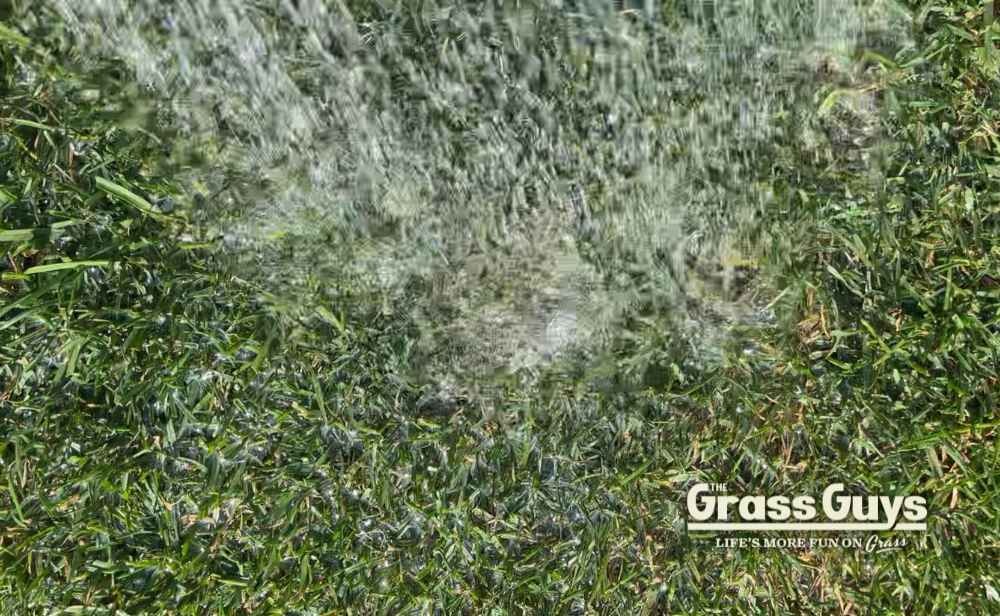
Your goal is not a set time.
Your goal is approximately 1 to 1.5 inches of water per week, including rainfall.
Measure output using the tuna can method:
- Place containers in your yard
- Run your irrigation
- Measure how long it takes to reach 1 inch
Then divide that time across one or two morning cycles per week.
👉 See: How Much Water Does My Lawn Need?
Seasonal Timing Adjustments
Spring
Early morning watering prevents disease during cooler, moist conditions.
Avoid overwatering when rainfall is frequent.
Summer
Morning watering becomes critical.
Water deeply before heat builds.
If extreme heat hits, consider light afternoon syringing only if turf is severely stressed.
👉 See: Mowing in the Summer Heat
Fall
Continue morning watering but reduce frequency as temperatures cool.
Stop regular irrigation before the ground freezes.
What About New Grass Seed?
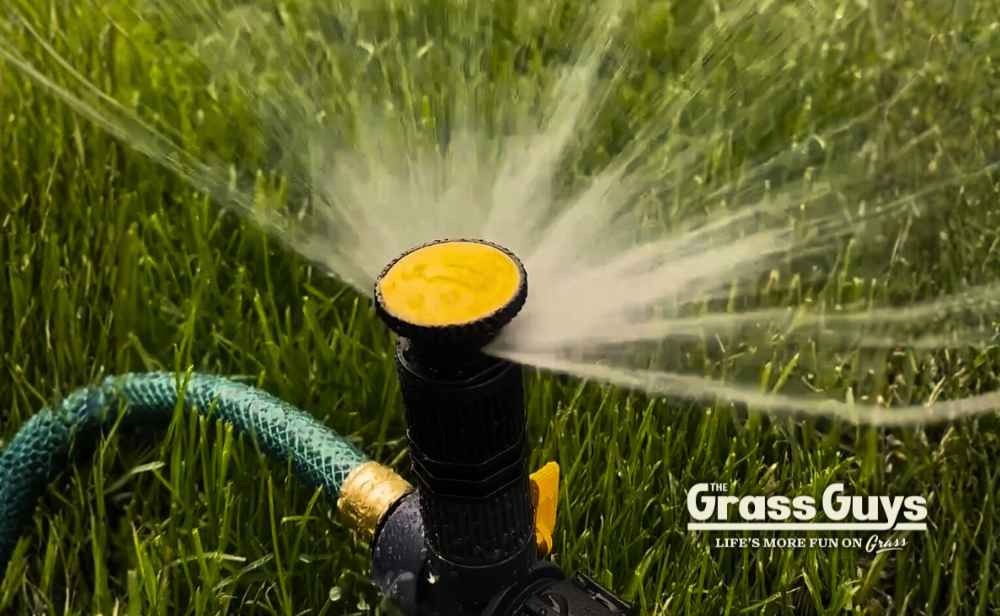
New seed is different.
During germination:
- Water lightly and frequently
- Keep the surface consistently moist
You may water multiple times per day.
Even then, morning cycles are best, with additional light cycles as needed.
Once established, transition back to deep morning watering.
👉 See: How to Overseed
Smart Irrigation Systems and Timing
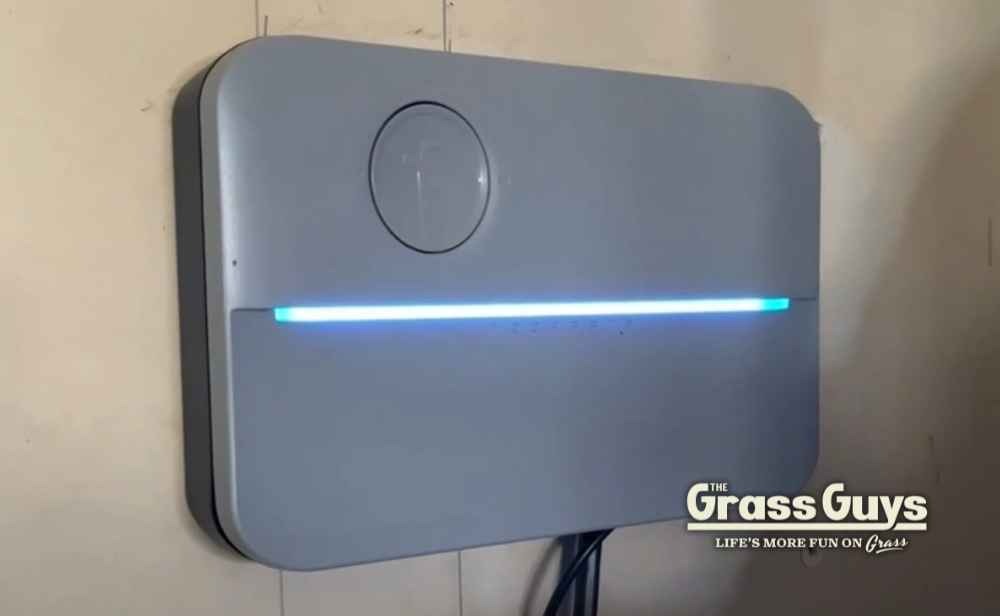
Smart controllers can adjust based on:
- Weather
- Evapotranspiration rates
- Rainfall
But even smart systems should be programmed for early morning cycles.
Technology does not replace proper timing.
Common Watering Timing Mistakes
- Watering at night for convenience
- Watering during windy afternoons
- Watering daily instead of deeply
- Running irrigation during rainfall
- Ignoring seasonal adjustments
Timing and depth work together.
Final Thoughts
The best time to water your lawn is early morning.
- It maximizes efficiency.
- It reduces disease risk.
- It builds stronger roots.
- It protects your turf during heat.
Water deeply. Water early. Let the lawn dry between cycles.
Simple timing changes can dramatically improve lawn health.