Watering & Irrigation
The Complete Guide to Watering Your Lawn the Right Way
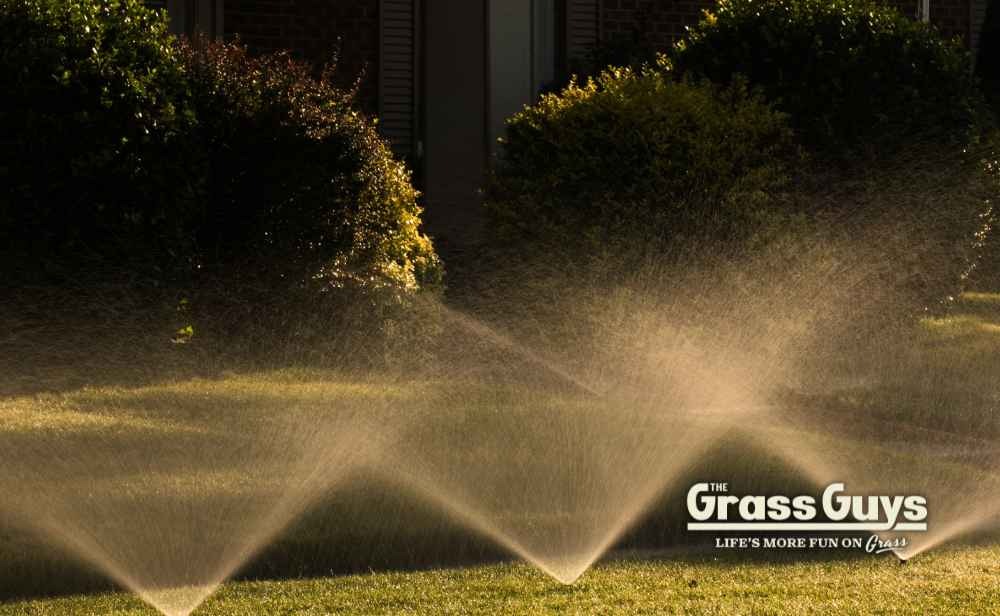
If there is one lawn care habit that separates average lawns from resilient, healthy lawns, it is watering correctly.
Not watering more.
Not watering every day.
Watering properly.
Most lawn problems in summer trace back to one of two things:
- Watering too often
- Watering too shallow
This guide will teach you how to water in a way that builds deep roots, improves drought tolerance, and reduces stress all season long.
The Golden Rule of Lawn Watering
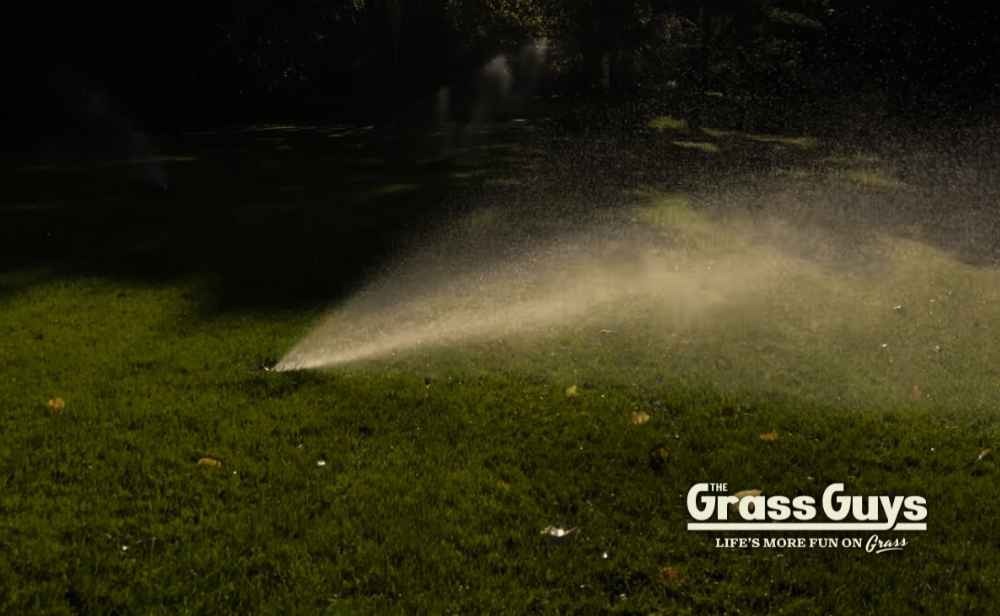
Water deeply and infrequently.
That means:
- Apply enough water to soak the soil 6 to 8 inches deep
- Then allow the surface to dry before watering again
Frequent shallow watering trains roots to stay near the surface.
Deep, spaced watering forces roots to chase moisture downward.
Deep roots equal stronger lawns.
How Much Water Does a Lawn Need?
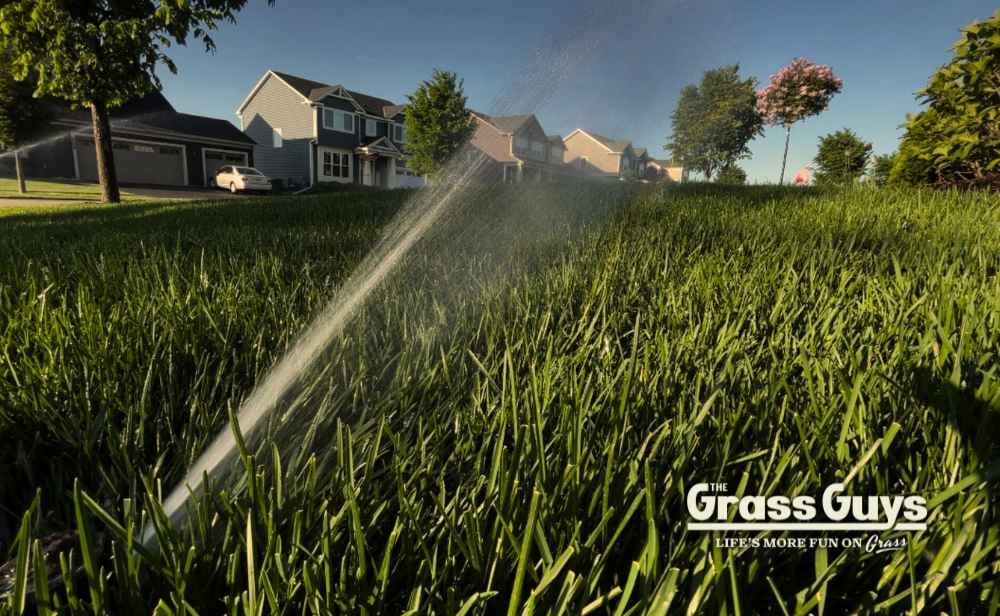
For most cool-season lawns:
1 to 1.5 inches of water per week, including rainfall.
During extreme heat, some lawns may require closer to 1.5 inches.
During cooler periods, less may be sufficient. Consistency matters more than perfection.
How to Measure 1 Inch of Water
Do not guess. Use the tuna can method.
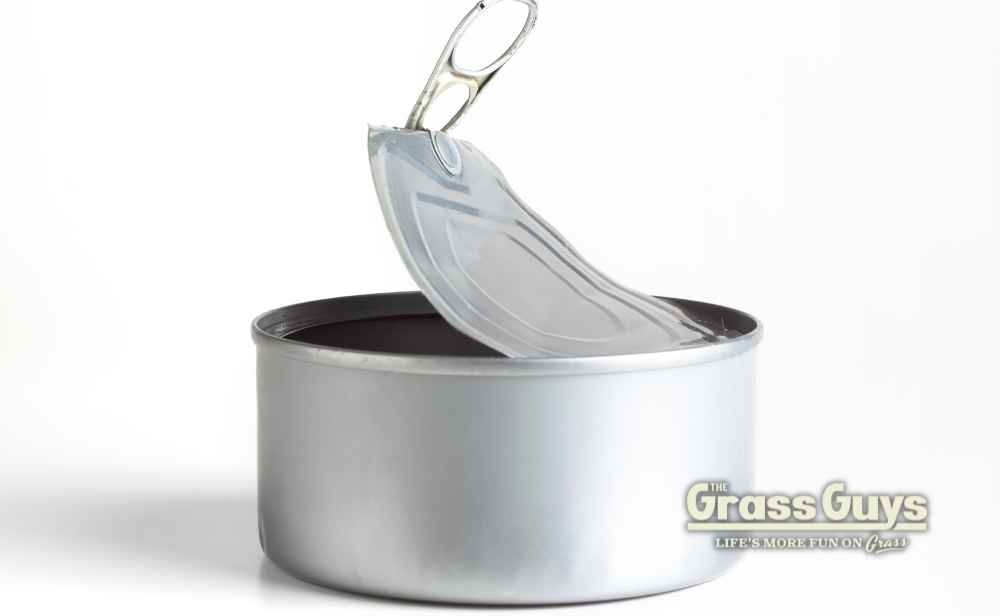
Place several empty tuna cans or straight-sided containers across your lawn.
Run your irrigation system.
Measure how long it takes to collect 1 inch of water.
That is your weekly runtime baseline.
Another example:
If it took 30 minutes to reach 1/2" of water, you should to water that zone twice per week for 30 minutes to achieve 1" of water.
Using the same example with rainfall: If it rained 1/2", you only need to water that zone one time that week for 30 minutes to round out the 1" of water that week.
How Often Should You Water?
This depends on soil type and weather.
General guideline:
- 1 to 2 times per week
- Deep soak each time
- Adjust based on heat and rainfall
Avoid watering daily unless establishing new seed.
Established lawns perform better when allowed to dry slightly between cycles.
Best Time of Day to Water

Water early in the morning.
Ideal window:
4 AM to 9 AM.
Why?
- Lower evaporation
- Reduced wind
- Grass dries quickly after sunrise
- Lower disease risk
Avoid:
- Midday watering during heat
- Late evening watering that leaves turf wet overnight
Wet turf overnight increases disease risk.
Soil Type Changes Everything
Understanding your soil helps you water better.
Clay Soil
- Holds water longer
- Drains slowly
- Water may pool
Water more slowly and possibly split cycles.
Sandy Soil
- Drains quickly
- Dries out faster
- Requires more frequent watering
You may need shorter but slightly more frequent cycles.
Loam Soil
- Ideal balance
- Holds moisture well
- Drains properly
Most suburban lawns fall somewhere between clay and loam.
Signs Your Lawn Needs Water
Look for:
- Dull, blue-gray color
- Footprints that remain visible
- Leaf blades folding inward
- Soil dry several inches deep
Do not water based solely on calendar.
Watch the lawn.
Signs You Are Overwatering
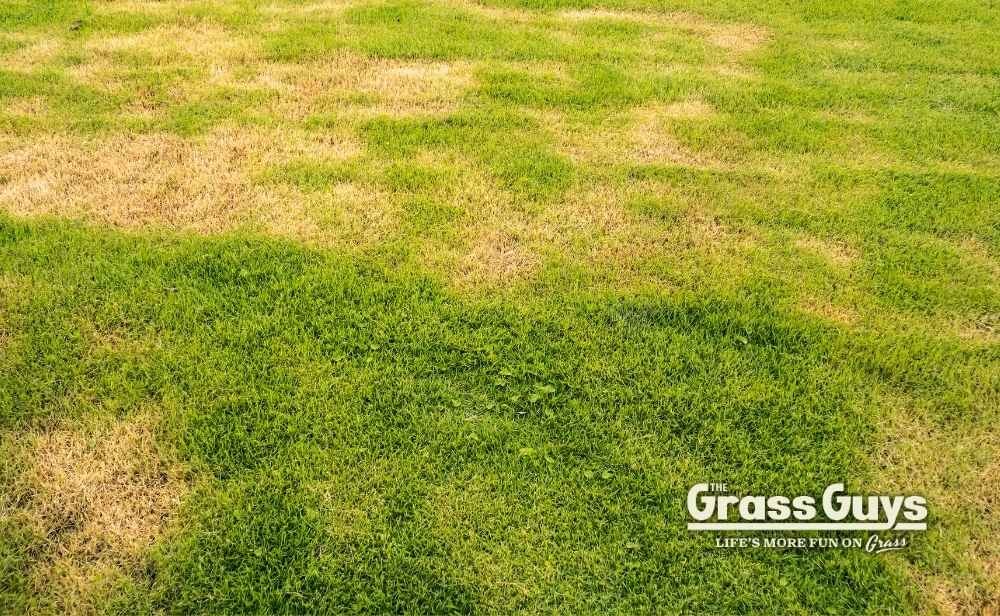
Overwatering is extremely common.
Look for:
- Mushy soil
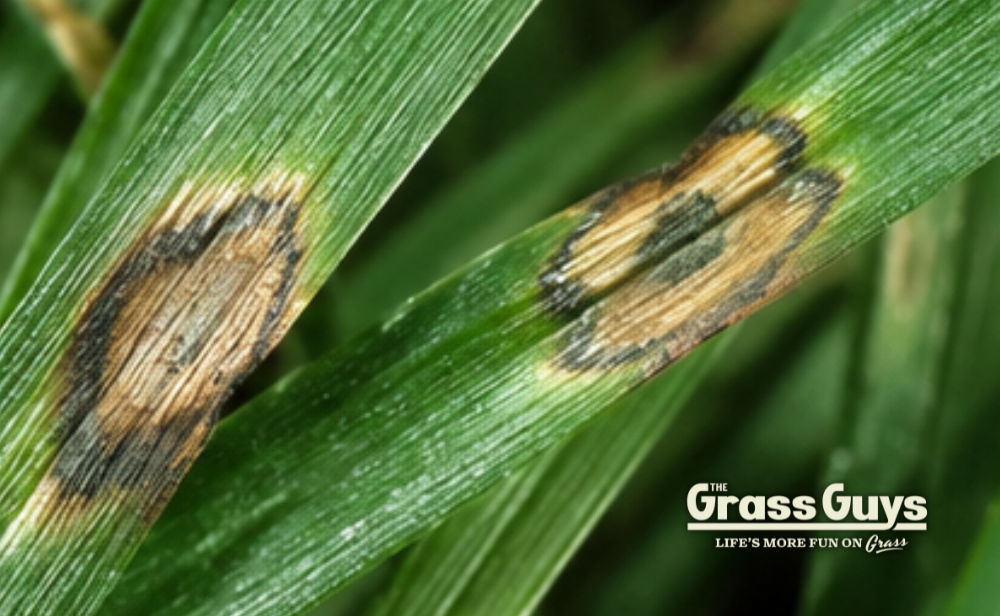
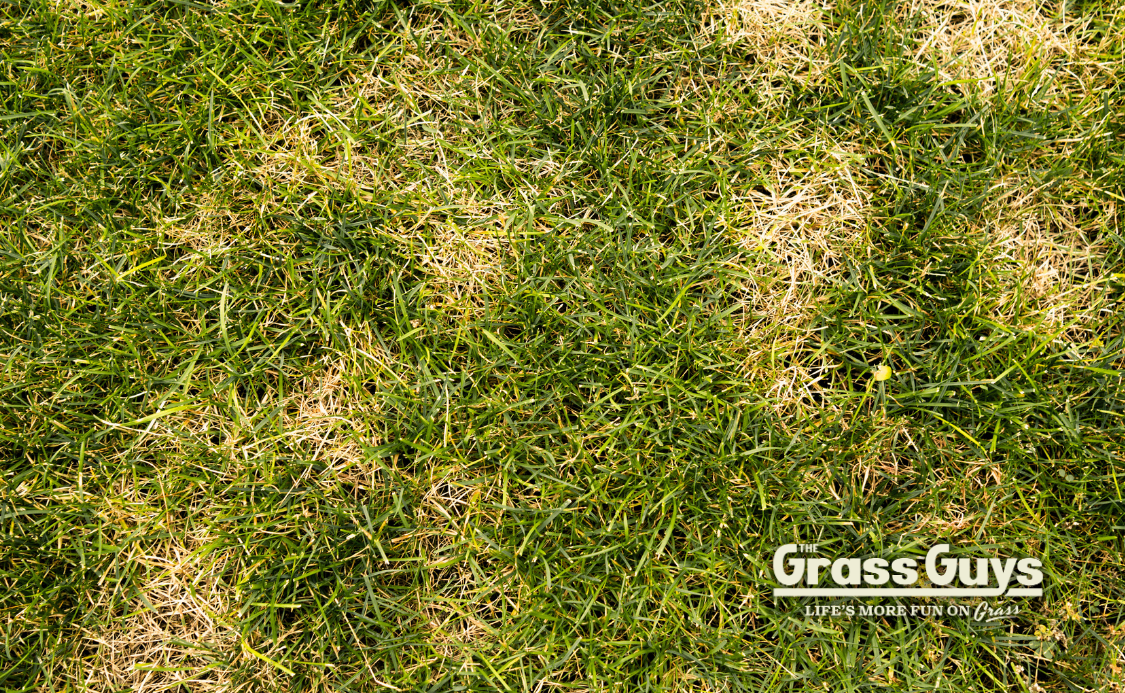
- Excessive fungal issues
- Constant surface moisture
- Shallow root growth
- Increased weed pressure
Too much water is often worse than slightly too little.
Watering During Summer Heat
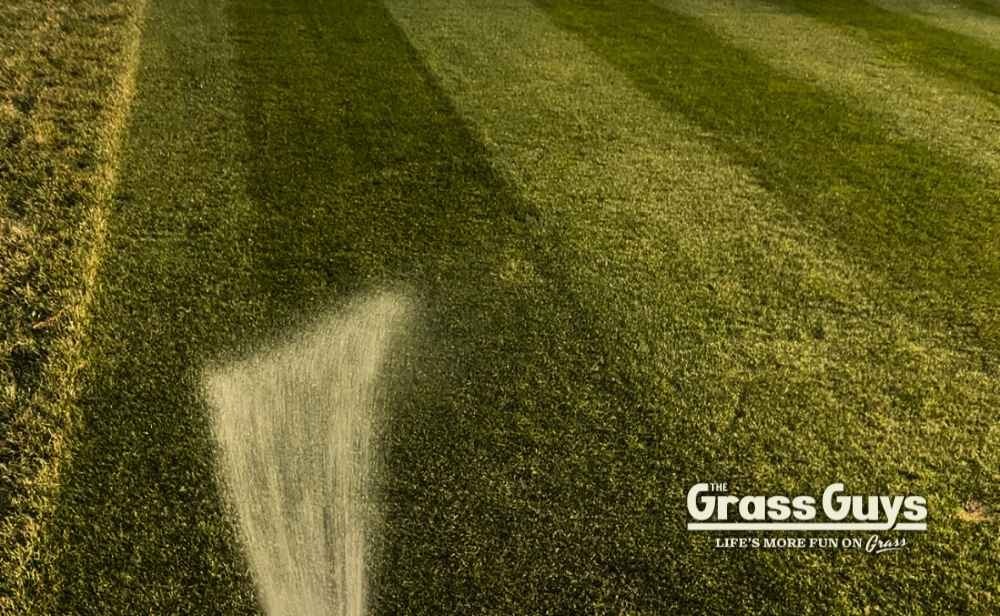
In summer:
- Raise mowing height
- Water deeply
- Avoid light daily watering
- Let lawn partially dry between cycles
If the lawn goes dormant:
- Water lightly every few weeks to protect crowns
- Or allow natural dormancy and resume in fall
👉 See: Mowing in the Summer Heat
Watering New Grass Seed
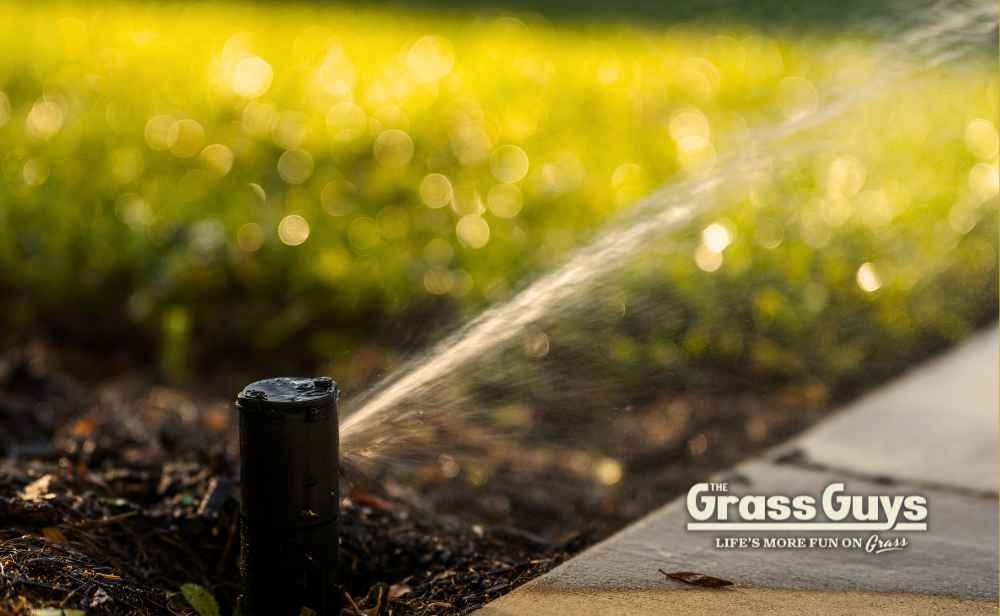
New seed is different.
During germination:
- Keep top layer consistently moist
- Light, frequent watering
- 2 to 4 times per day if needed
After germination:
- Gradually reduce frequency
- Increase depth
- Transition to deep watering schedule
Watering new seed incorrectly is the most common reason for failure.
👉 See: How to Overseed
👉 See: Starting a Lawn From Scratch
Irrigation Systems vs Hose Sprinklers
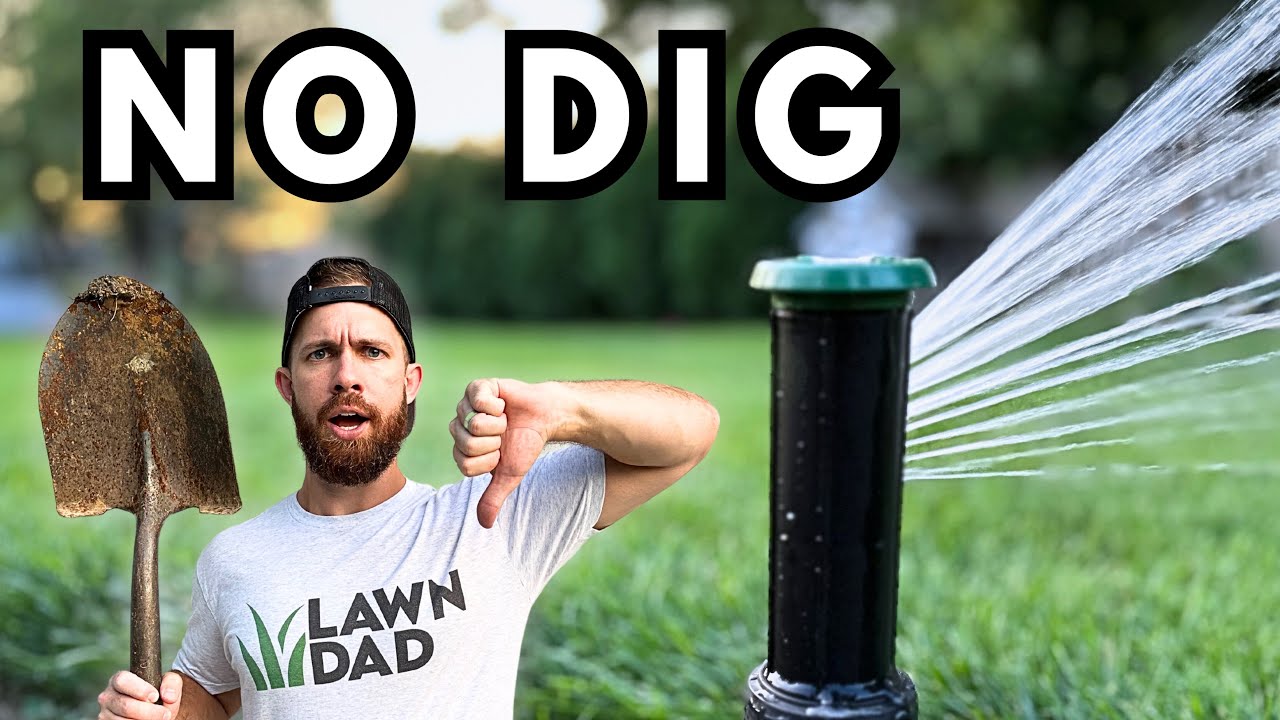
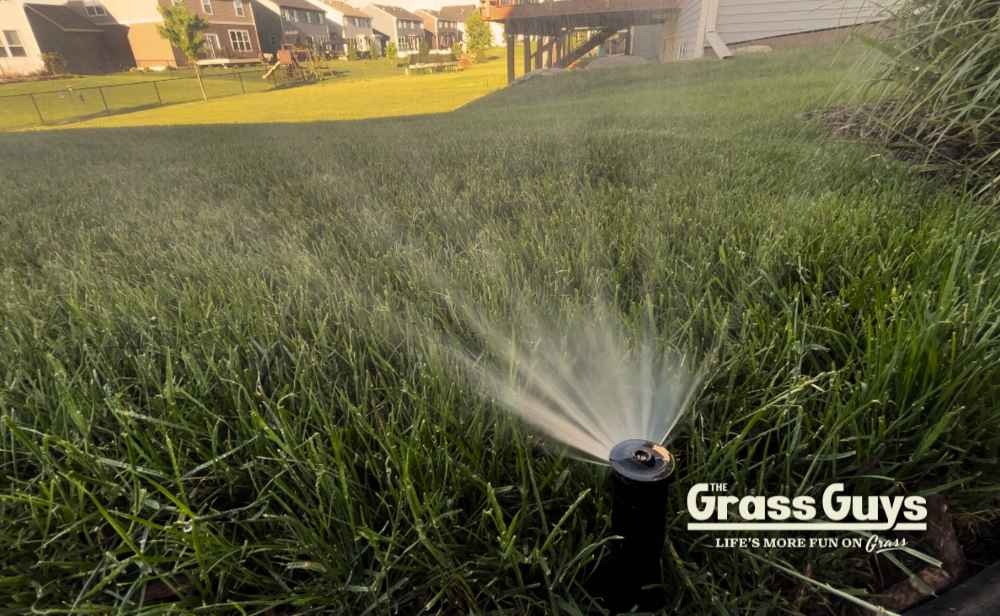
In-Ground Irrigation
Pros:
- Automated
- Even coverage
- Efficient
Cons:
- Easy to overwater if not adjusted
- Requires seasonal maintenance
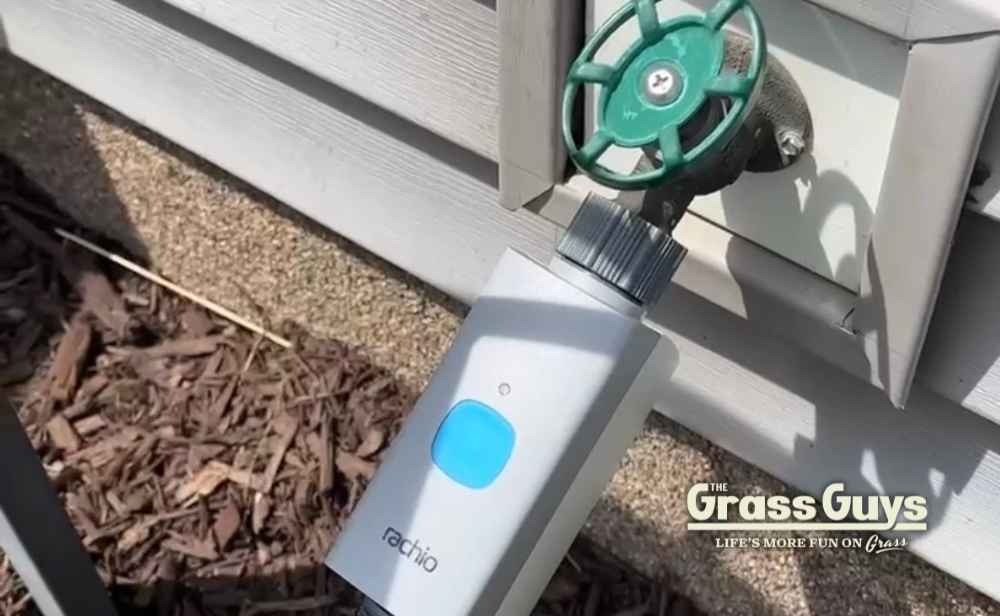
Smart controllers improve efficiency significantly.
Hose and Sprinkler
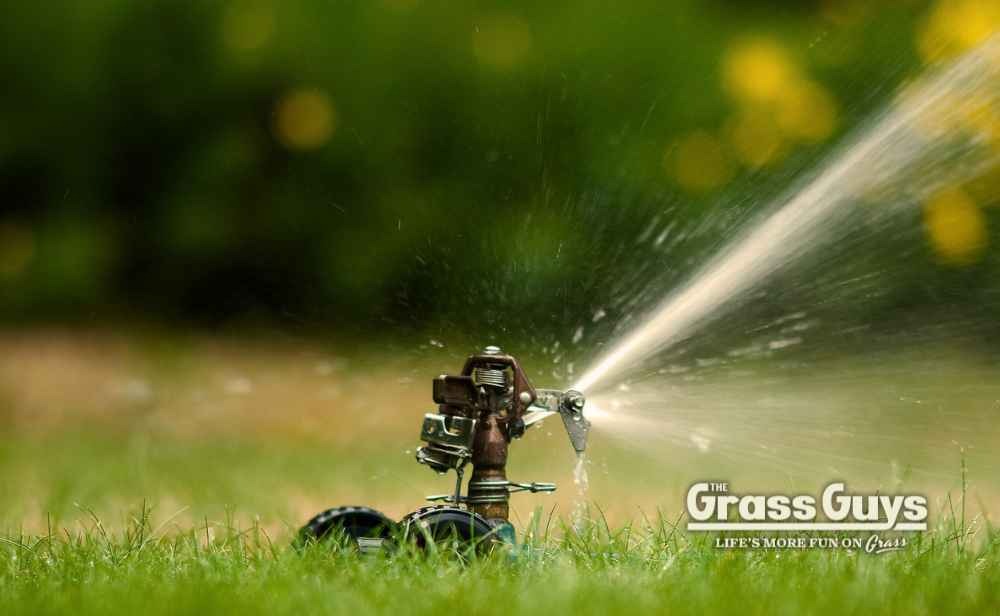
Pros:
- Low cost
- Flexible
- Good for smaller lawns
Cons:
- Less uniform
- Requires manual monitoring
Both methods work if you measure and monitor output.
Smart Irrigation Controllers
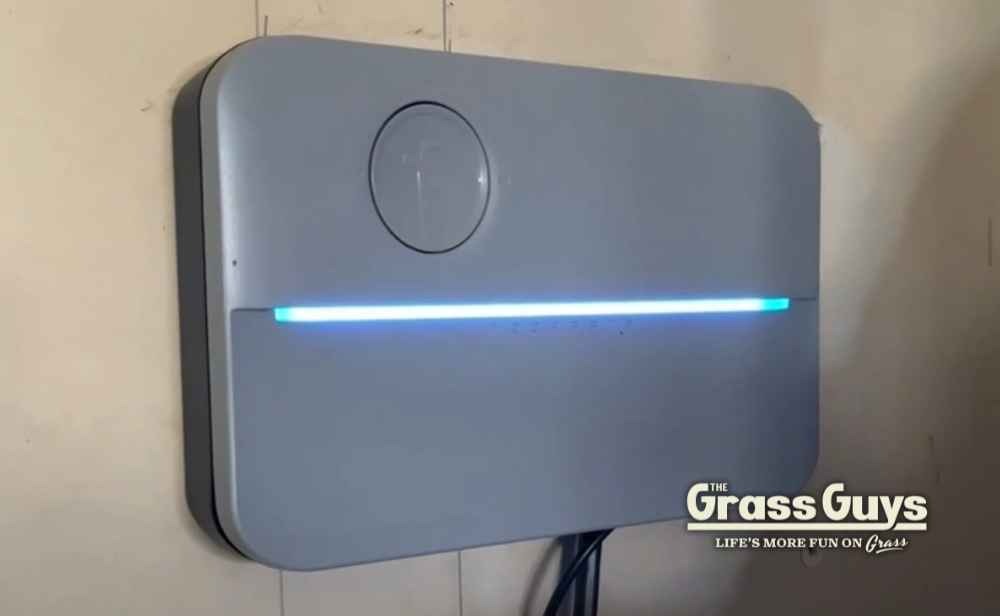
Modern controllers adjust watering based on:
- Weather data
- Evapotranspiration rates
- Rainfall
They help prevent overwatering and reduce water waste.
But they are only effective if programmed correctly.
Technology does not replace understanding.
How Watering Impacts Root Depth
Frequent shallow watering:
- Roots stay in top 1 to 2 inches
- Lawn struggles in heat
- Higher disease risk
Deep watering:
- Roots extend downward
- Increased drought tolerance
- Better nutrient uptake
- Stronger turf overall
Watering strategy shapes your root system.
Common Watering Mistakes
Watering every day
Running short cycles
Ignoring rainfall
Watering at night
Letting irrigation run during rain
Failing to adjust in cooler months
Watering should change with the season.
Seasonal Watering Adjustments
Spring
Moderate watering as growth accelerates.
Summer
Deep and consistent. Protect against stress.
Fall
Reduce frequency as temperatures drop.
Late Fall
Stop regular irrigation before the ground freezes.
Watering and Fertilizer Work Together
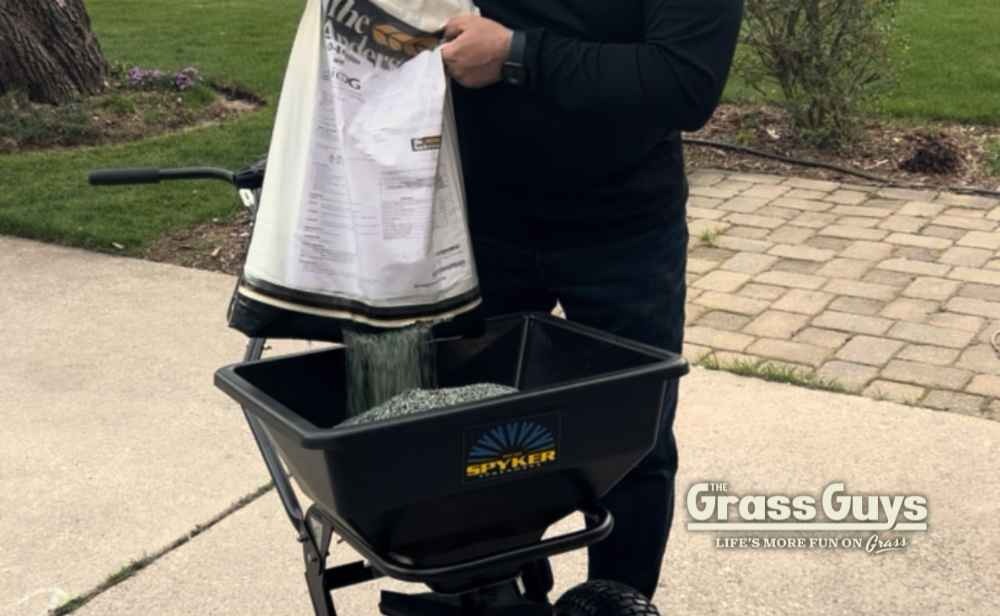
Water activates fertilizer.
But overwatering (or heavy rainfall):
- Leaches nutrients
- Reduces efficiency
- Encourages excessive growth
Balanced watering improves fertilizer performance.
👉 See: 4 Lawn Care Fundamentals
Final Thoughts
Watering is not complicated.
It is about depth, timing, and consistency.
Water deeply.
Water early.
Allow the lawn to dry slightly between cycles.
Adjust with the season.
If you master watering, you build stronger roots.
Stronger roots build better lawns.