What Is Soil pH and How Does It Impact Your Lawn?
Why Soil pH Matters More Than Most Homeowners Realize

When people think about improving their lawn, they often think about fertilizer, watering, or mowing.
But one of the most important factors influencing lawn health sits beneath the surface.
It is called soil pH.
Soil pH determines how easily grass can access nutrients in the soil. Even if your soil contains the nutrients your lawn needs, grass cannot absorb them effectively if the pH is outside the proper range.
Understanding soil pH is one of the simplest ways to improve long-term lawn performance.
This article will create a foundation for a deeper understanding of:
- Fertilizing & Soil Health Guide
- How to Read a Soil Test
- What Do NPK Numbers Mean?
- How to Calculate Fertilizer Applications
What Is Soil pH?
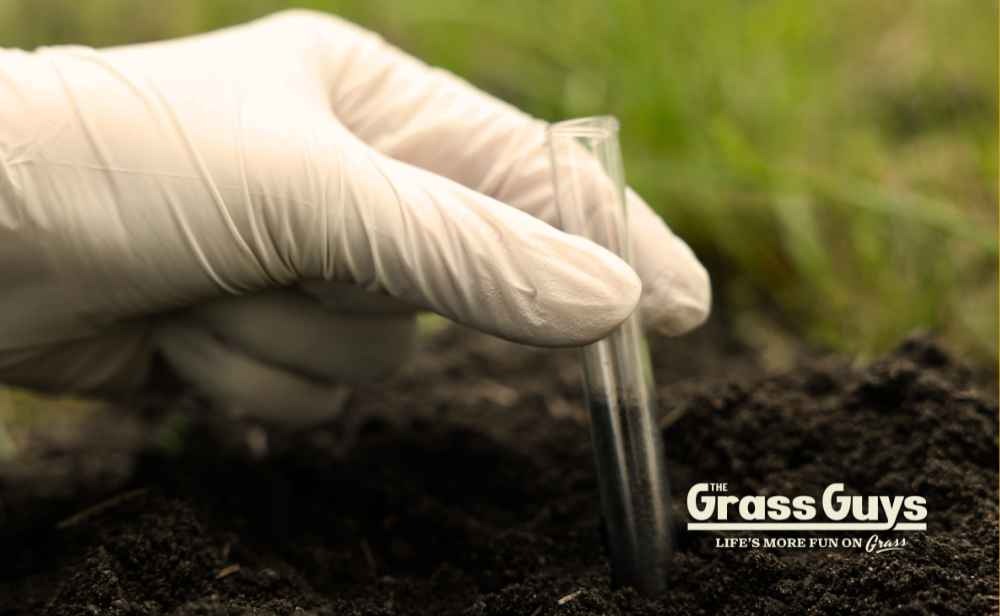
Soil pH measures how acidic or alkaline your soil is.
The pH scale ranges from 0 to 14:
- Below 7 = acidic
- 7 = neutral
- Above 7 = alkaline
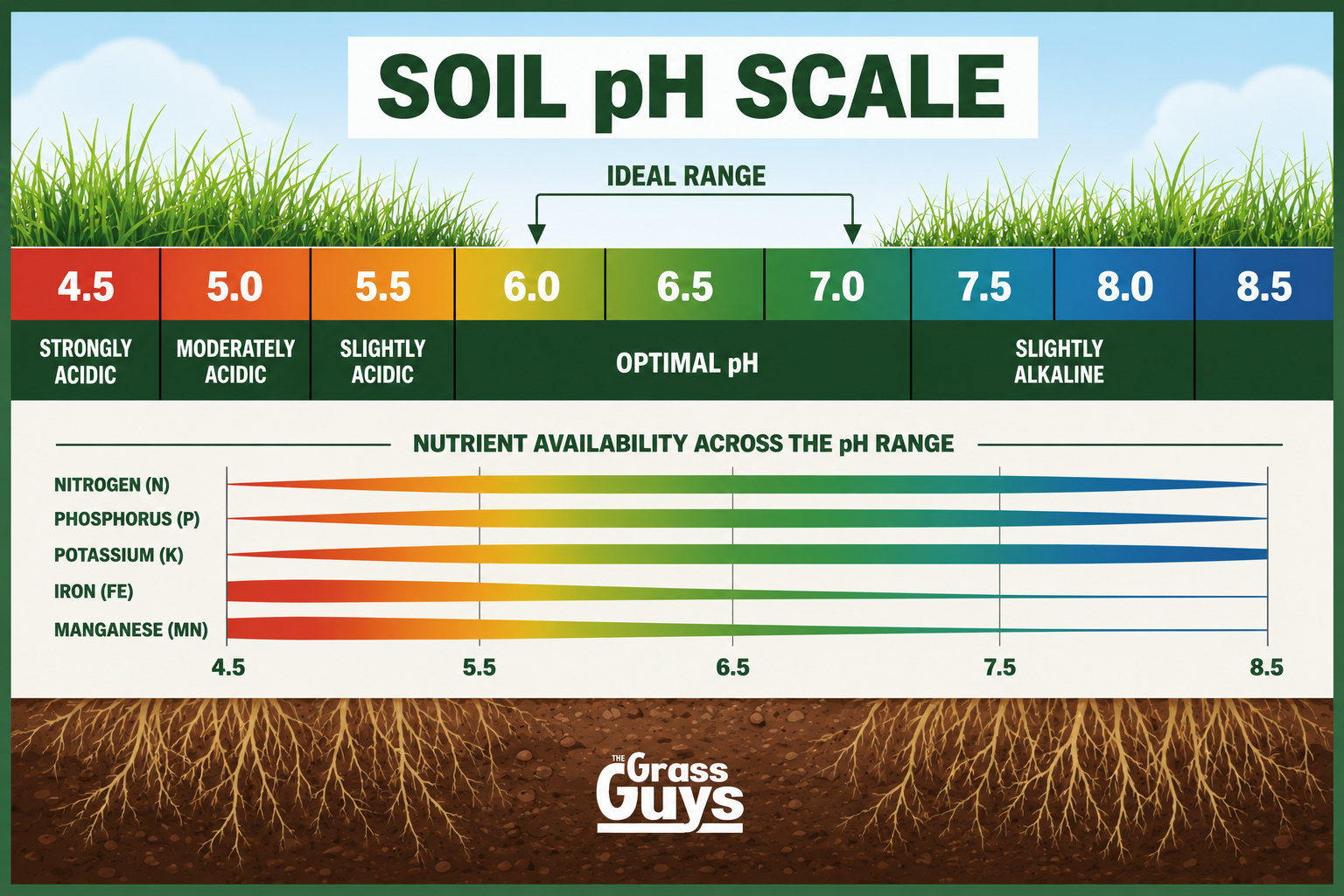
Most lawn grasses grow best in soil that is slightly acidic to neutral.
For cool-season lawns, the ideal range is typically:
pH 6.0 to 7.0
Within this range, most nutrients remain available for plant uptake.
Why Soil pH Matters for Lawns
Grass roots absorb nutrients dissolved in soil water. Soil pH directly influences how available those nutrients are.
If soil pH is too low or too high, nutrients may become chemically locked in the soil.
This means your lawn can struggle even if fertilizer has been applied.
Soil pH affects:
- Nutrient availability
- Root growth
- Microbial activity
- Overall turf health
Because of this, correcting soil pH often improves lawn performance more than adding more fertilizer.
Nutrient Availability and Soil pH
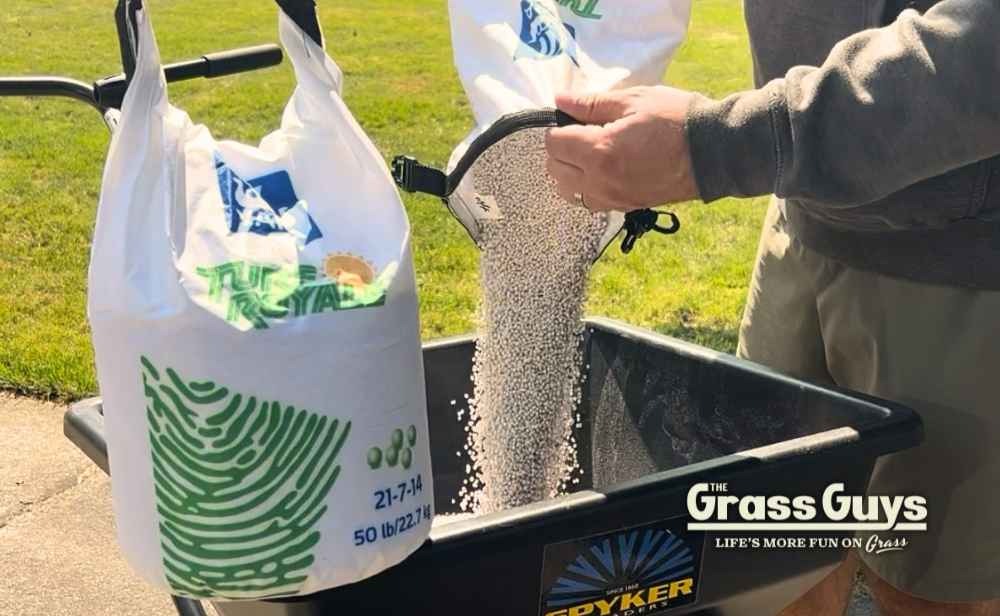
Each nutrient becomes more or less available depending on soil pH.
In the ideal pH range (6.0–7.0), nutrients such as nitrogen, phosphorus, and potassium are readily available.
When soil becomes too acidic or too alkaline, certain nutrients become difficult for plants to access.
For example:
Low pH soils can reduce availability of phosphorus and potassium.
High pH soils can reduce availability of iron and manganese.
These imbalances often show up as discoloration or poor growth.
What Happens When Soil Is Too Acidic?

Acidic soil means the pH is below the optimal range.
In many parts of North America, rainfall gradually lowers soil pH over time.
When soil becomes too acidic, lawns may experience:
- Slow growth
- Thin turf
- Reduced nutrient uptake
- Poor response to fertilizer
Acidic soils can also limit beneficial microbial activity that helps cycle nutrients.
What Happens When Soil Is Too Alkaline?

Alkaline soil occurs when pH rises above the ideal range.
This condition is more common in regions with calcareous soils or irrigation water containing dissolved minerals.
High pH soils can cause:
- Yellowing grass despite fertilization
- Reduced iron availability
- Slower nutrient uptake
In alkaline soils, nutrients exist but are chemically unavailable to plants.
How Soil pH Affects Fertilizer Performance
Fertilizer works best when soil pH is within the ideal range.
If soil pH is outside that range, nutrients applied through fertilizer may not be absorbed efficiently.
For example, a lawn may receive proper nitrogen fertilization but still struggle because phosphorus or micronutrients are unavailable due to pH imbalance.
This is why many lawn care professionals recommend addressing soil pH before adjusting fertilizer programs.
How to Test Soil pH
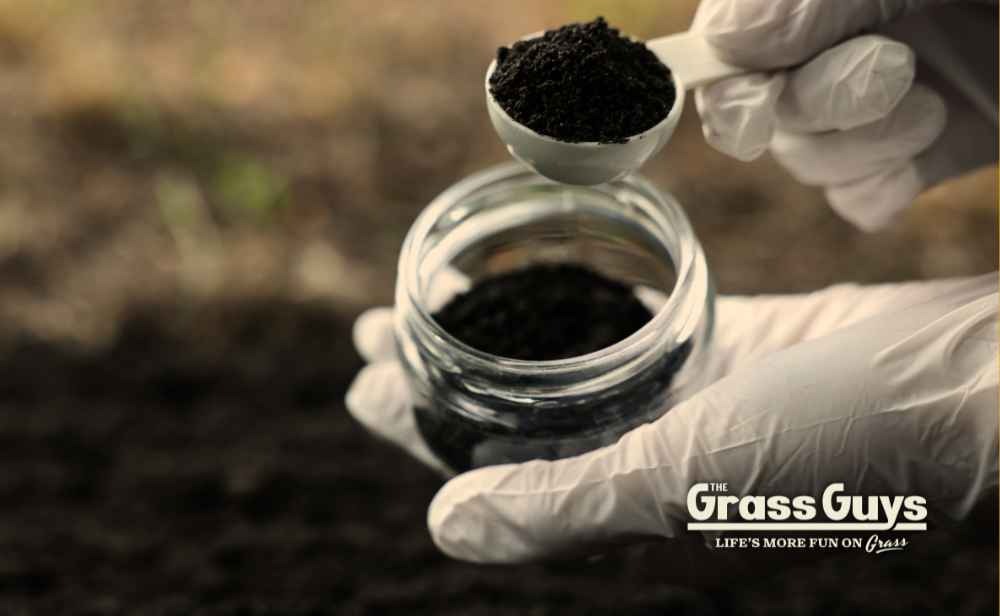
The only reliable way to determine soil pH is through a soil test.
A soil test will measure:
- Soil pH
- Nutrient levels
- Organic matter content
Testing helps determine whether amendments such as lime or sulfur are needed.
Soil testing also helps guide fertilizer decisions.
How to Raise Soil pH
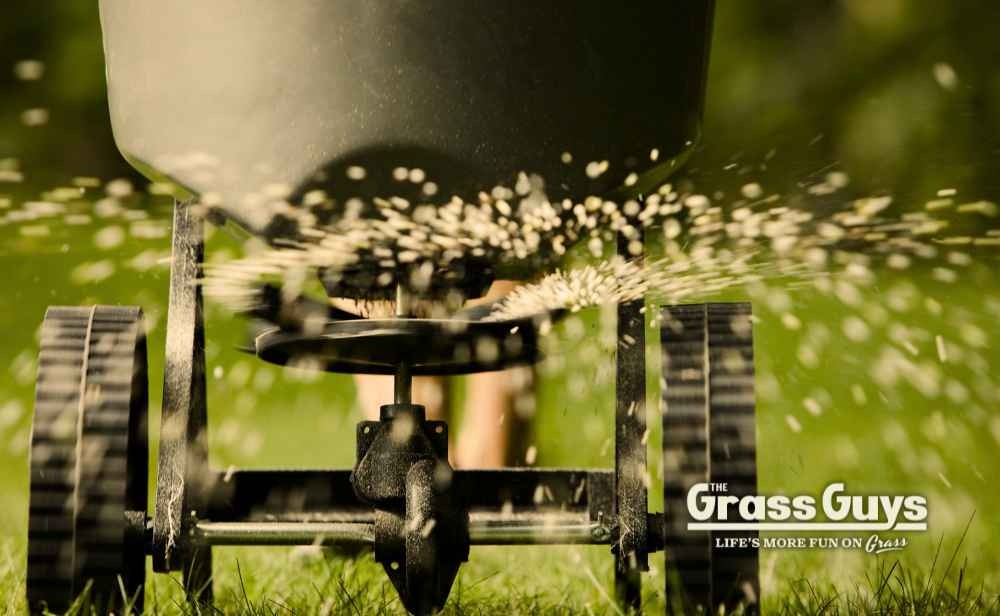
If soil is too acidic, lime is commonly applied to raise the pH.
Lime adds calcium carbonate, which neutralizes acidity over time.
Benefits of lime applications include:
- Improved nutrient availability
- Better root growth
- Increased microbial activity
Lime applications work gradually, so changes typically occur over several months.
How to Lower Soil pH

If soil is too alkaline, it may be necessary to lower pH slightly.
This can be done through amendments such as:
- Elemental sulfur
- Organic matter additions
- Certain fertilizer choices
Lowering soil pH usually takes longer than raising it, and adjustments should be made gradually.
How Often Should Soil pH Be Checked?
Soil pH does not change rapidly, but it does shift over time due to:
- Rainfall
- Fertilizer use
- Organic matter breakdown
Most lawns benefit from soil testing every two to three years.
Regular testing ensures your lawn remains within the ideal range for nutrient uptake.
The Bigger Picture
While soil pH is critical, it is only one component of lawn health.
Healthy turf also depends on:
- Proper mowing height
- Deep watering habits
- Balanced fertilization
- Healthy soil structure
When soil pH is balanced, all of these practices become more effective.
Final Thoughts
Soil pH is one of the most overlooked factors in lawn care.
If the pH is outside the proper range, your lawn may struggle regardless of how much fertilizer or water you apply.
Maintaining soil pH between 6.0 and 7.0 helps ensure that nutrients remain available, roots grow properly, and grass can perform at its best.
Testing your soil and making gradual adjustments when necessary is one of the smartest long-term investments you can make in your lawn.
Where to Go Next
- Fertilizing & Soil Health Guide
- How to Read a Soil Test
- What Do NPK Numbers Mean?
- How to Calculate Fertilizer Applications