Starting a New Lawn From Scratch & Full Lawn Renovation Guide
How to Completely Reset and Rebuild Your Lawn the Right Way
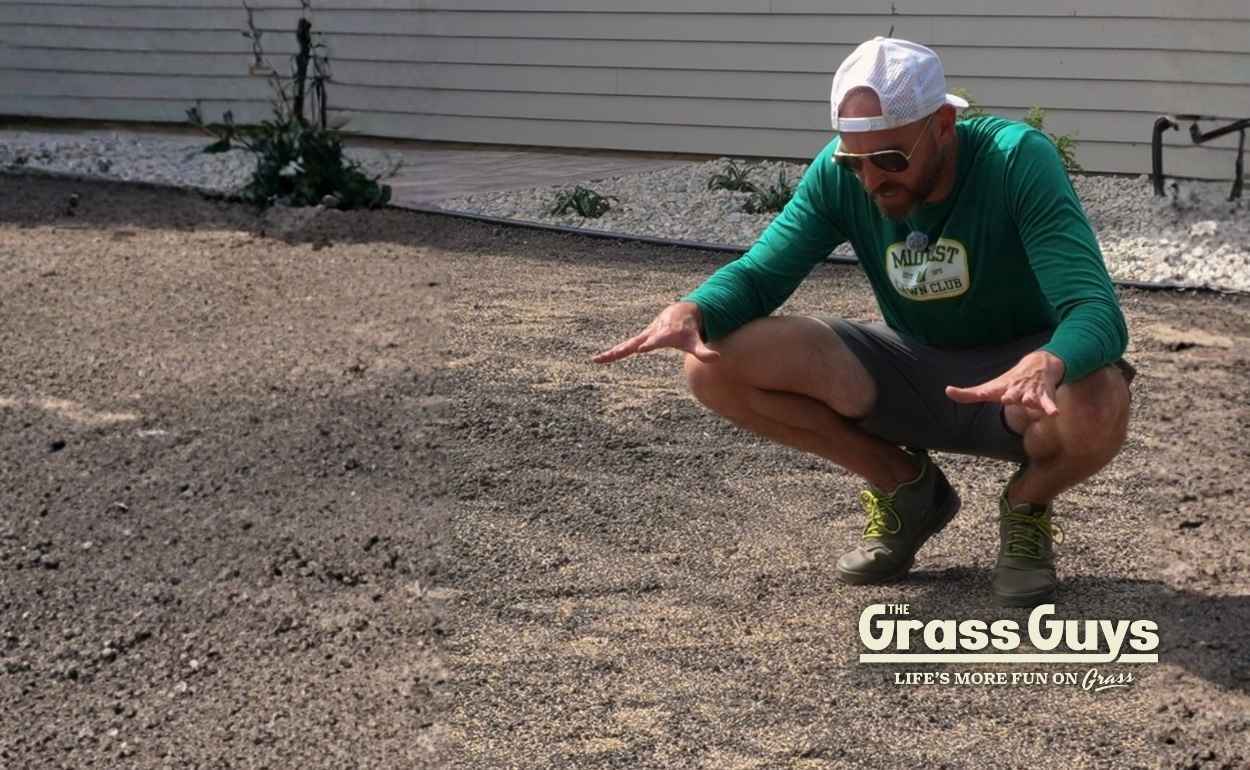
If your lawn is:
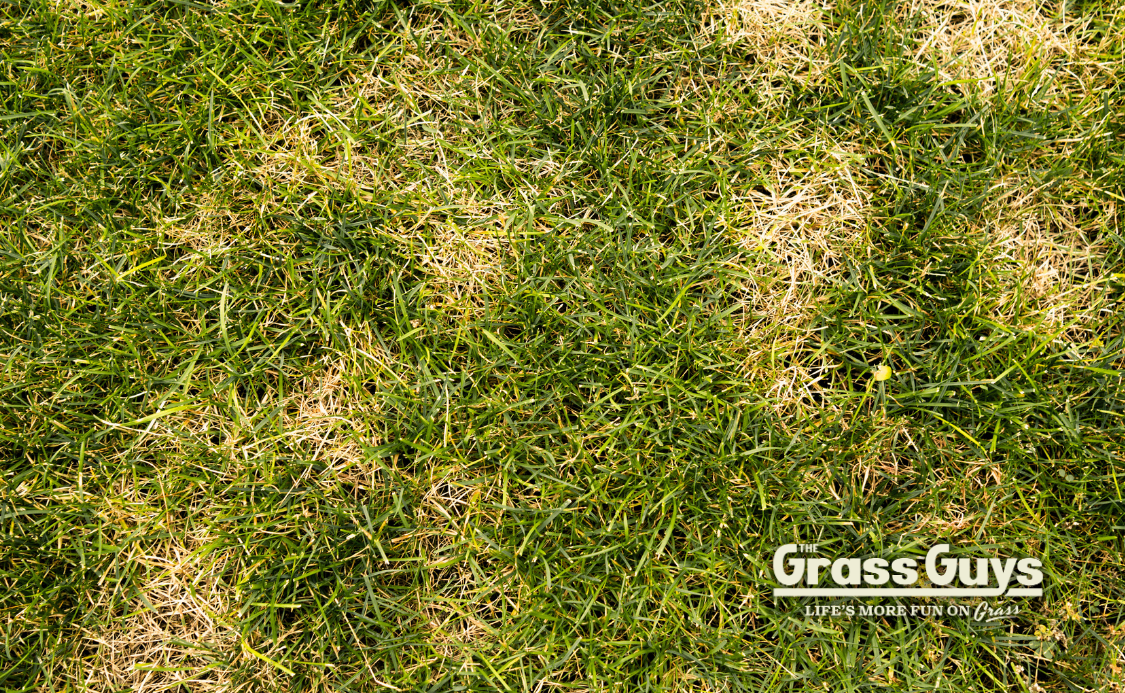
- Mostly weeds
- Extremely thin
- Full of bare dirt
- Uneven and compacted
- Or just beyond “overseeding fixes”
You may need more than a tune-up. You may need a full lawn renovation.
Starting from scratch isn’t about patching problems.
It’s about resetting the foundation.
Done correctly, this is how elite lawns are built.
The 7-Step Full Lawn Renovation Plan
This is the simplified blueprint.
We’ll walk through each section clearly.
1. Decide the Timing of Your Project
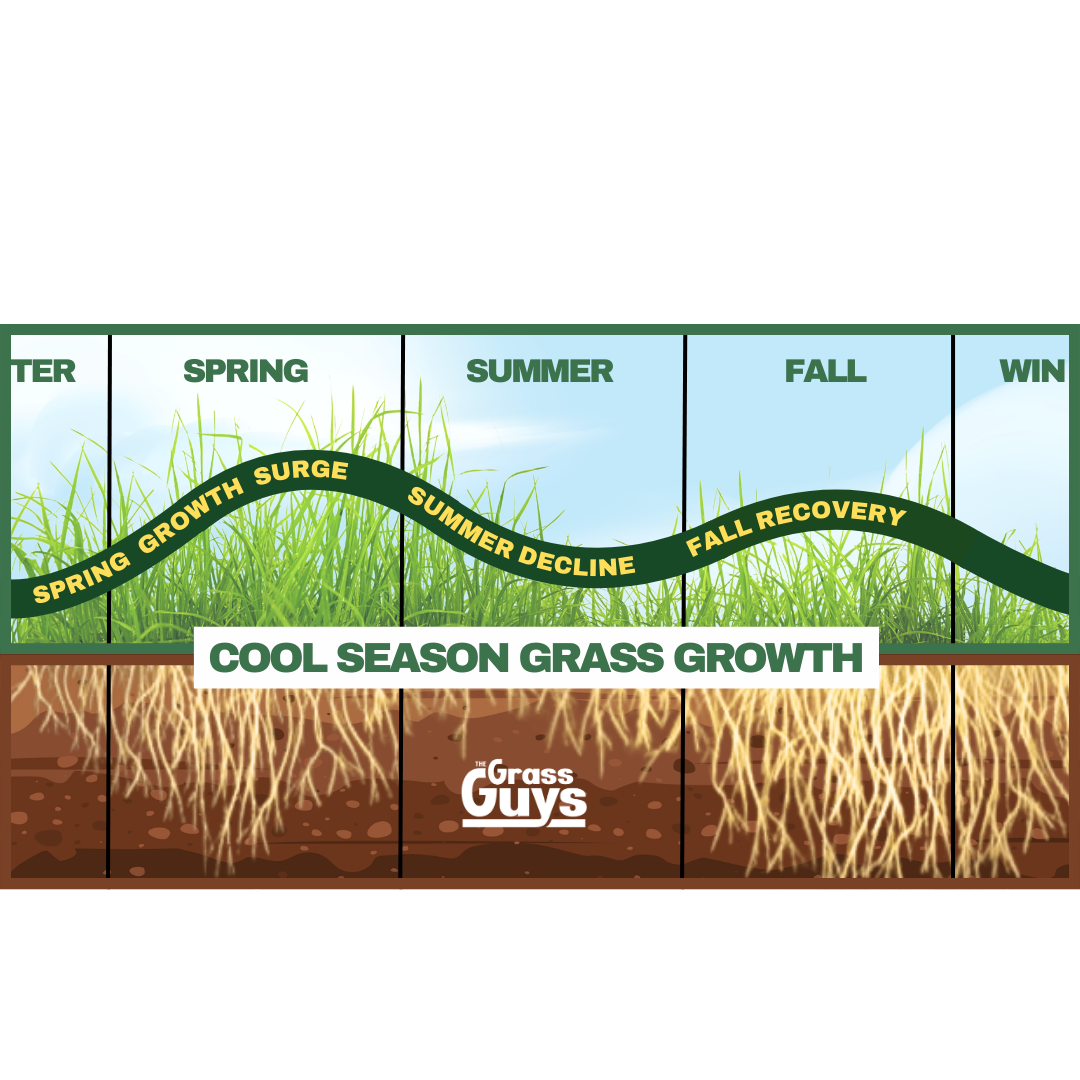
For cool-season lawns:
Early Fall is king.
Why?
- Warm soil
- Cooler air
- Fewer weeds
- Strong establishment before winter
- Less summer stress during early growth
Spring renovations can work — but they’re riskier.
👉 See: Cool-Season Lawn Calendar
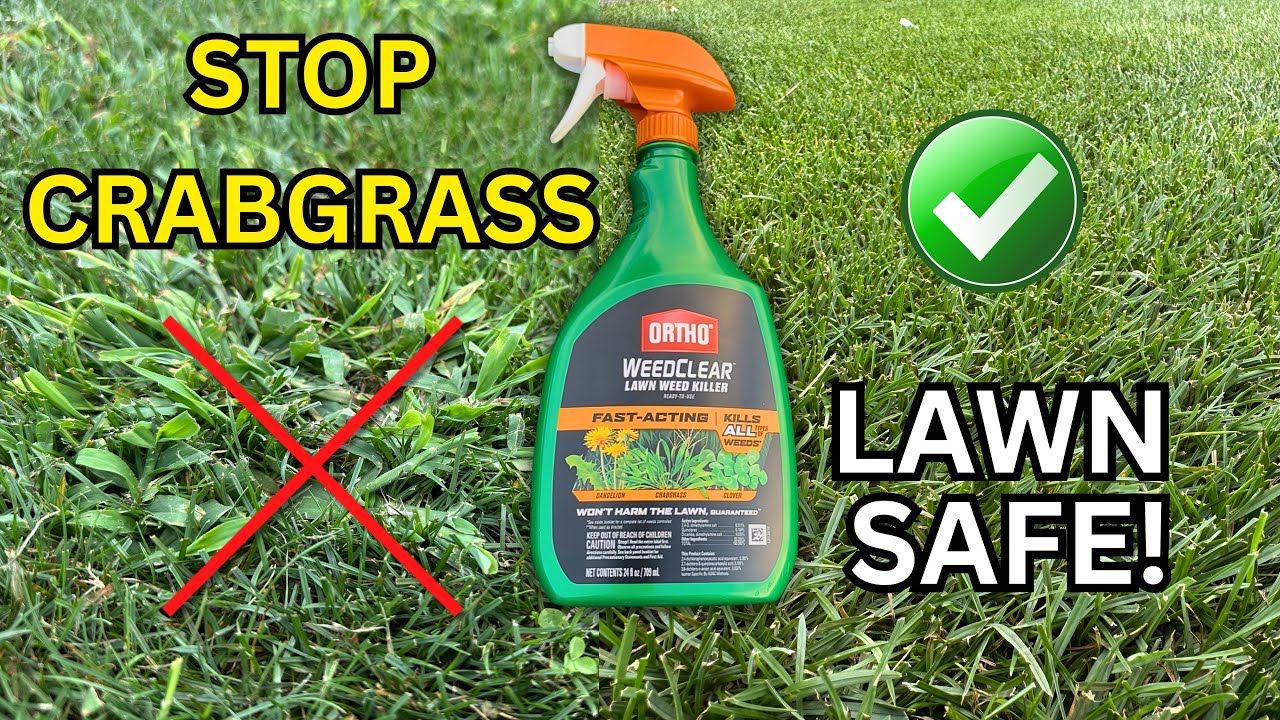
2. Kill Existing Vegetation

If your lawn is mostly undesirable grass or weeds:
You’ll likely need a full kill-off before reseeding.
This ensures:
- No competition
- Uniform regrowth
- Clean slate establishment
Wait 7–14 days after application before moving to soil prep.
If you’re skipping chemical reset, understand:
Expect mixed results.
A true renovation usually starts clean.
3. Remove Debris & Scalp the Lawn
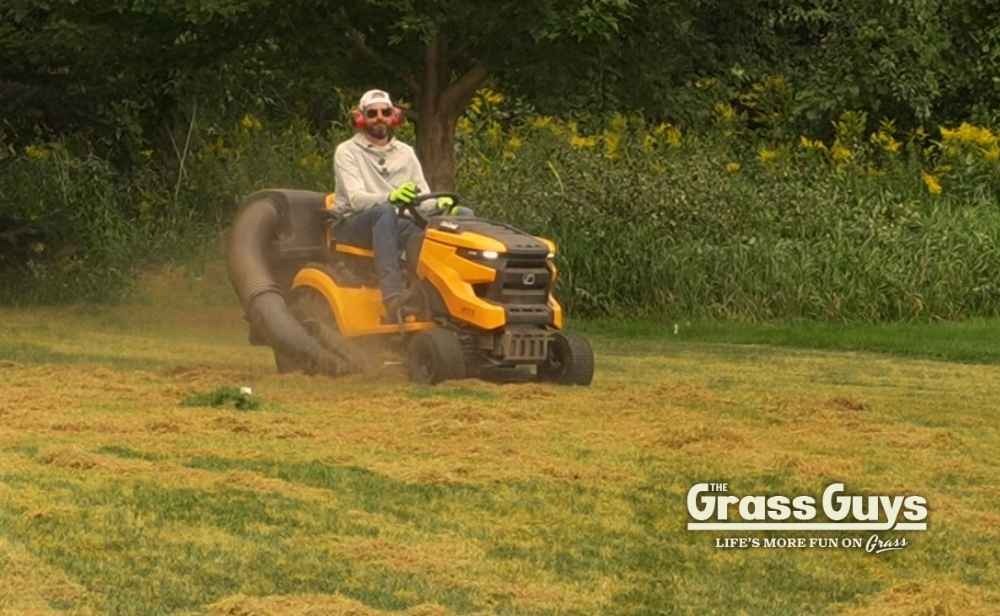
Once vegetation dies:
- Mow as low as possible
- Bag clippings
- Remove debris
- Clear loose organic material
This exposes the soil surface.
Seed must touch soil.
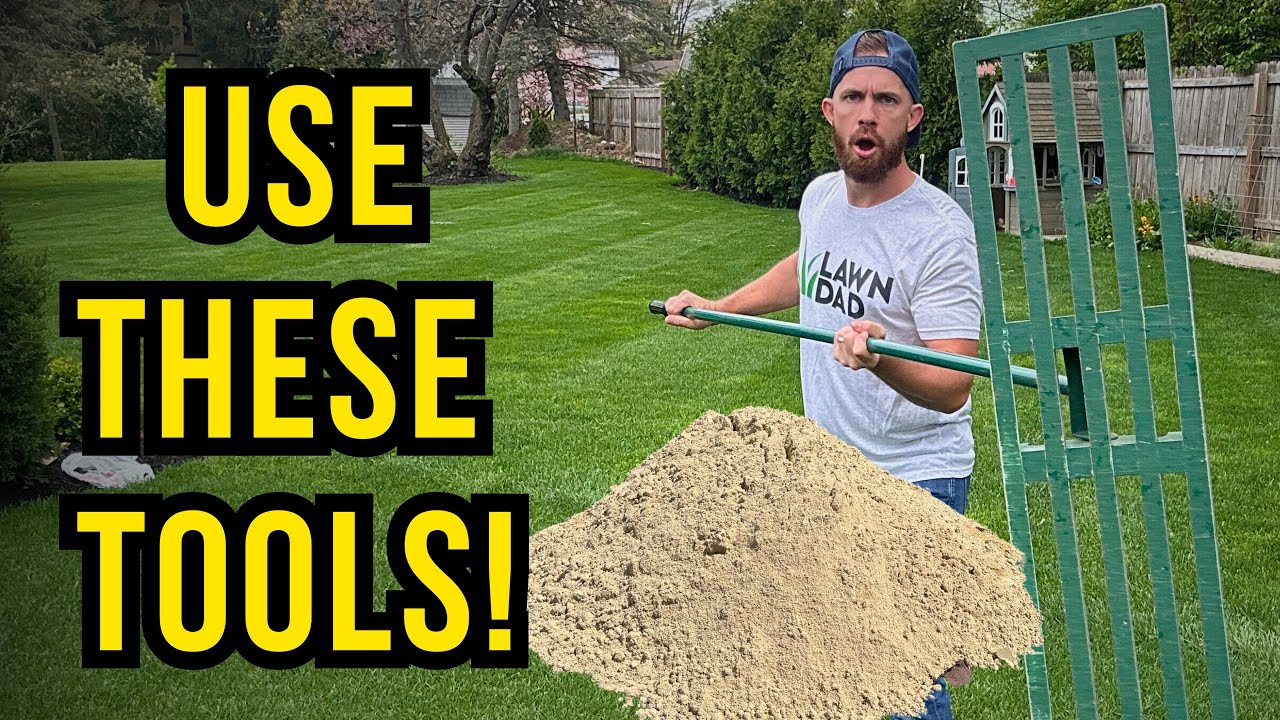
4. Fix the Soil & Level Lawn Project Area
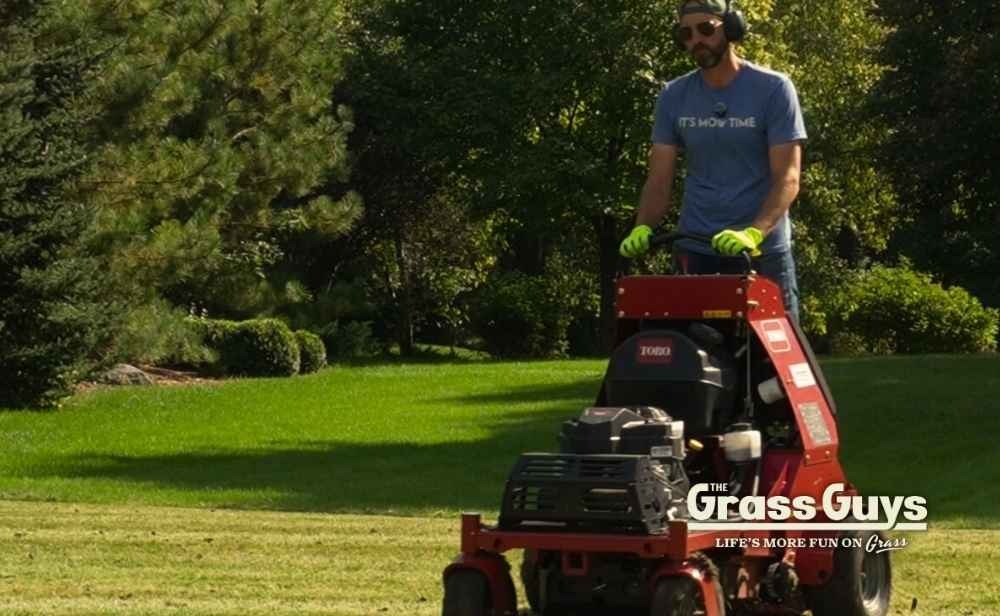
This is where elite lawns are built.
Depending on your situation:
- Core aerate (compaction relief)
- Add topsoil to low spots
- Level with sand/soil blend (if desired)*
- Address drainage issues
One note we’ll say here:
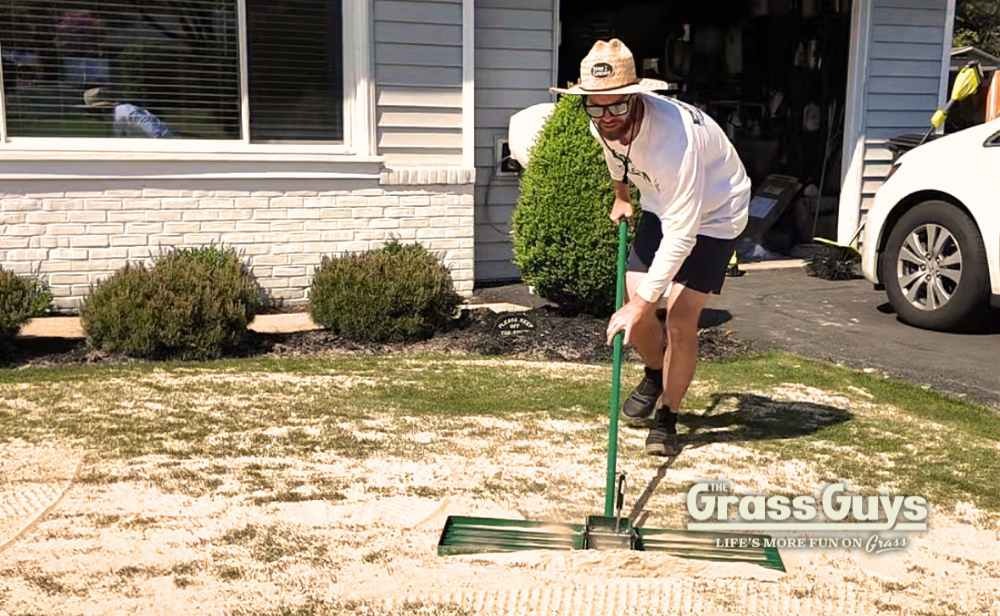
This is likely the only time your lawn will be stripped down to its foundation. Trust us when we say that if you want to make your lawn more smooth, this is the time to do it. It might be more work up front, but you will thank yourself in the long run.
Optional but recommended:
Soil test before renovation.
Healthy soil = stronger establishment.
5. Choose the Right Seed
Your lawn’s future depends on genetics.
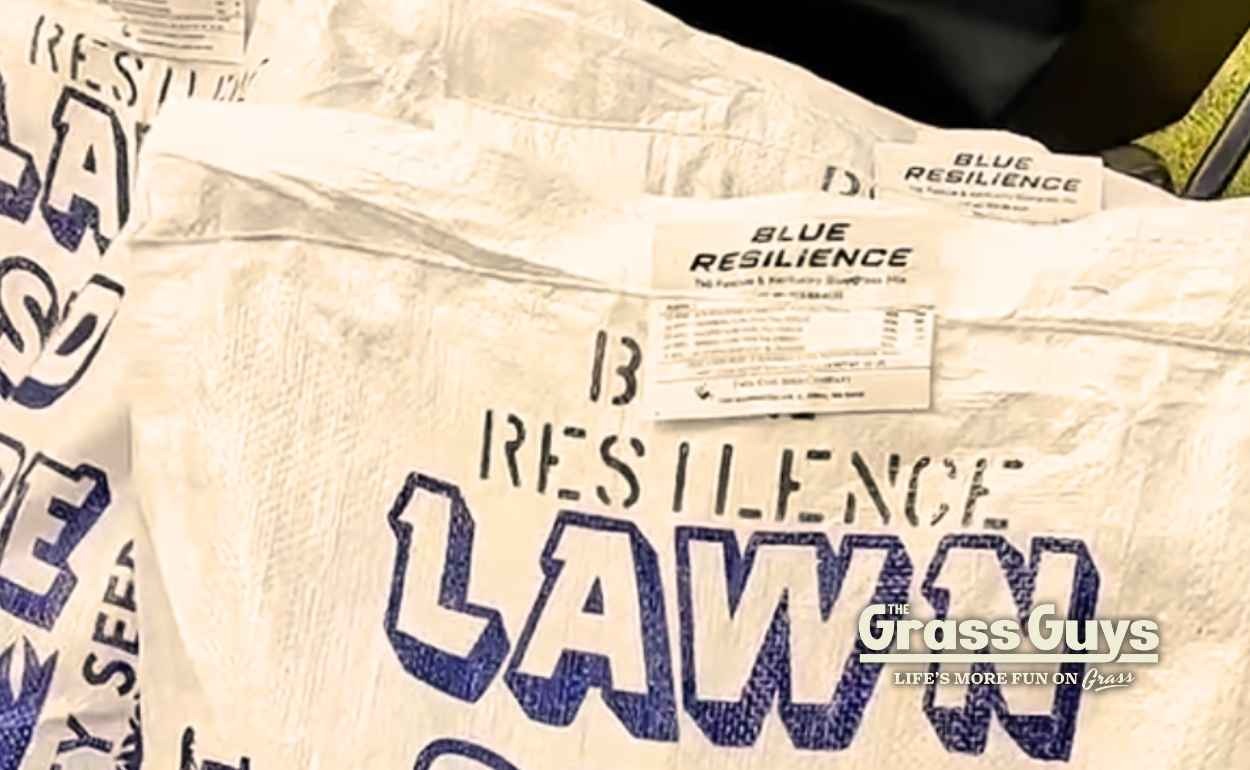
For cool-season renovations:
Our top picks for full renovations are listed at the bottom of this article
- Tall Fescue → Drought + durability
- Kentucky Bluegrass → Premium density + spread
- Blends → Balanced performance
👉 Not sure which direction fits your yard? Download: What Grass is Best for Me? (Free Guide)
This gives our exact renovation-level picks.

6. Seed Properly

Recommended Rates:
New lawn establishment:
- 6–12 lbs per 1,000 sq ft (depending on type)
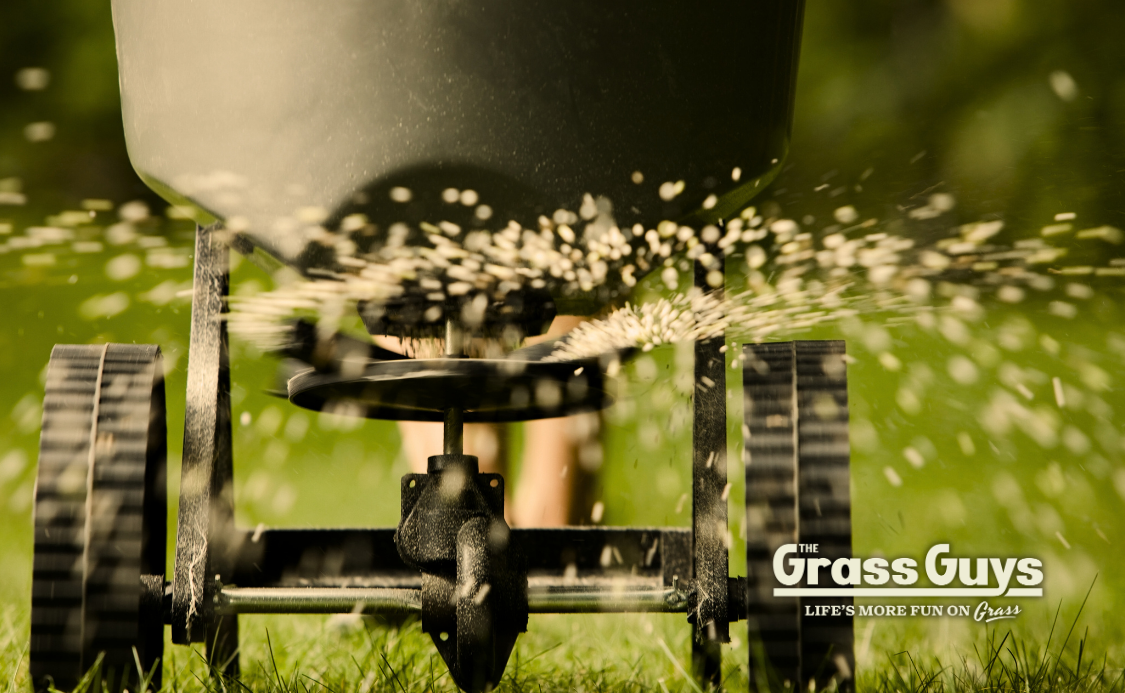
Apply in two directions for uniform coverage.
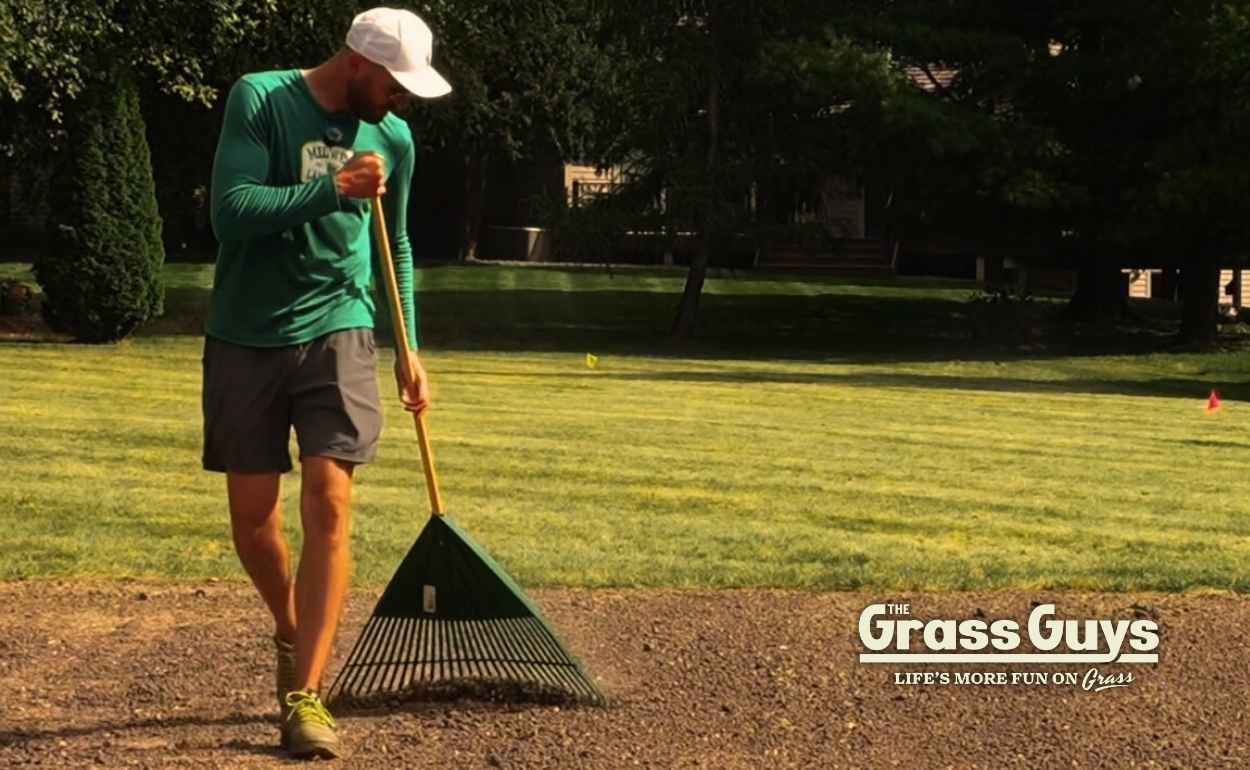
Then:
- Lightly rake or roll for seed-to-soil contact
- Apply starter fertilizer
- Optional: apply light topdressing (peat or compost)
Do not bury seed too deep.
7. Water Correctly
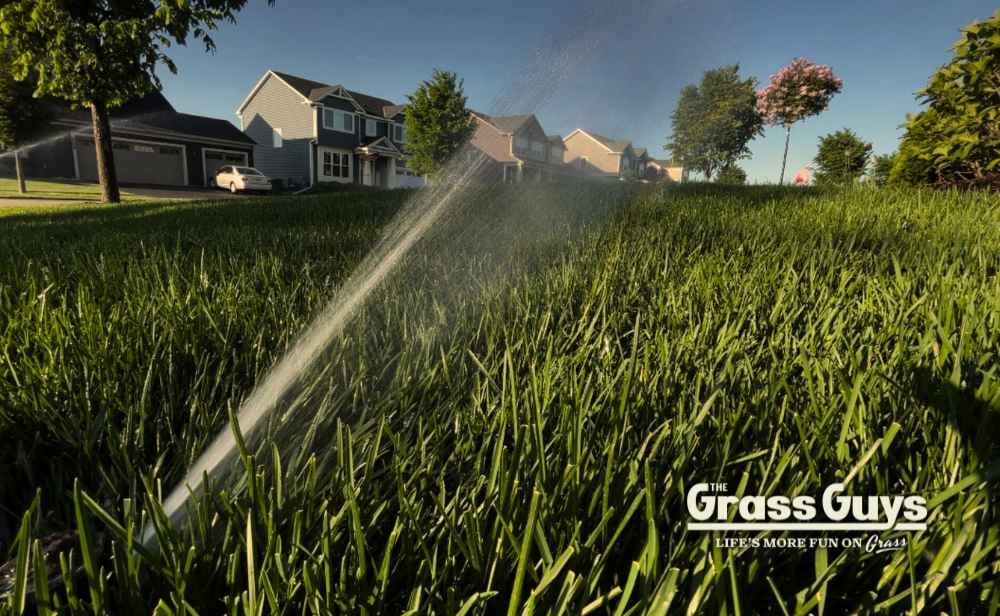
For the first 2–3 weeks:
- Keep soil consistently moist
- Light, frequent watering
- Don’t let surface dry out
After germination:
- Transition to deeper watering
- Reduce frequency
- Build roots
Most renovation failures happen during watering.
Germination Timeline

Germination times in optimal growing conditions:
- Perennial Ryegrass → 5–10 days
- Tall fescue → 7–14 days
- Bluegrass → 14–21+ days
Full density takes time.
Don’t panic if it looks uneven early.
Grass fills in.
Common Renovation Mistakes
Avoid these:
- Seeding too late in fall
- Skipping soil prep
- Using cheap seed
- Underwatering
- Over-fertilizing in heat
- Mowing too early
Renovations reward patience.
When Can You Mow?
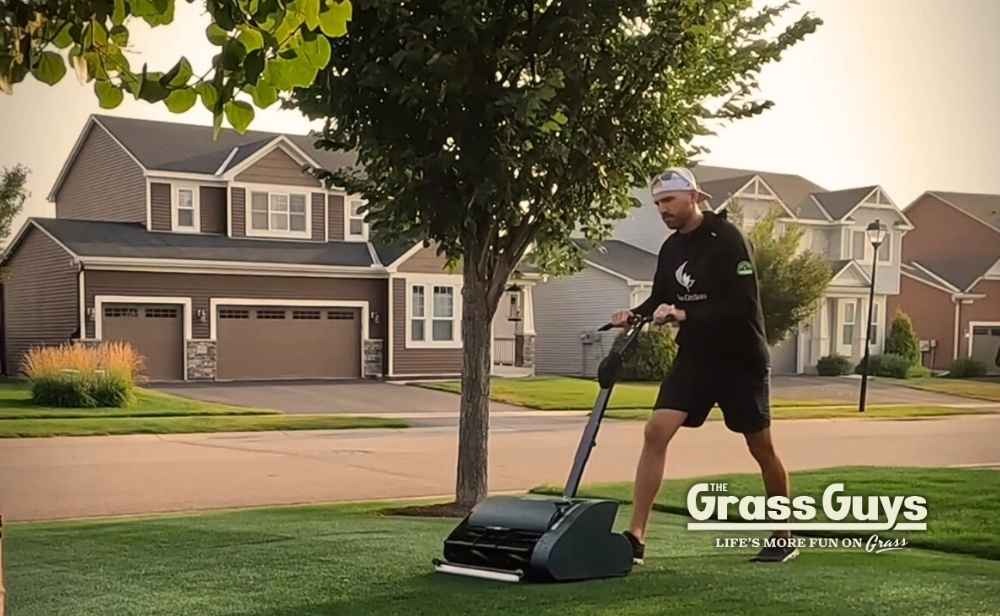
First mow:
- When grass reaches ~3.5–4 inches
- Use sharp blades
- Remove no more than 1/3 of blade
Do not mow too early.
When Can You Walk on It?

Light foot traffic:
- 2–4 weeks after germination
Heavy use:
- 3–6+ weeks
The stronger the roots, the better the survival.
Full Renovation vs Overseeding
Overseeding:
- Adds density
- Works for moderate thinness
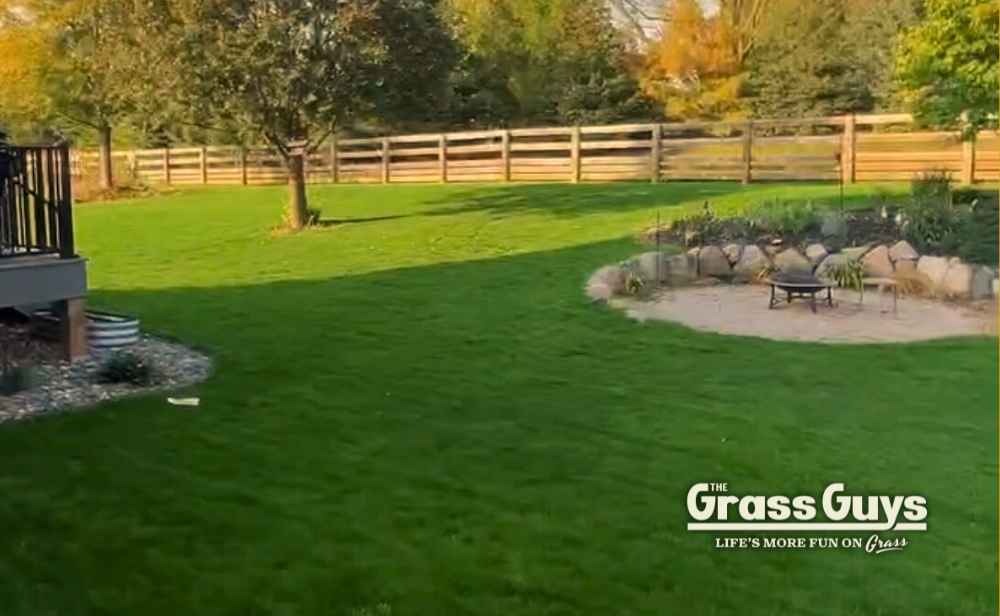
Full renovation:
- Resets everything
- Upgrades genetics
- Fixes severe issues
If your lawn is salvageable, overseed.
If it’s broken, renovate.
👉 See: High-Level Overseeding Guide
What You Need for a Renovation

Minimum equipment:
- Broadcast spreader
- Quality seed
- Starter fertilizer
- Hose sprinkler / irrigation
- Rake
Optional upgrades:
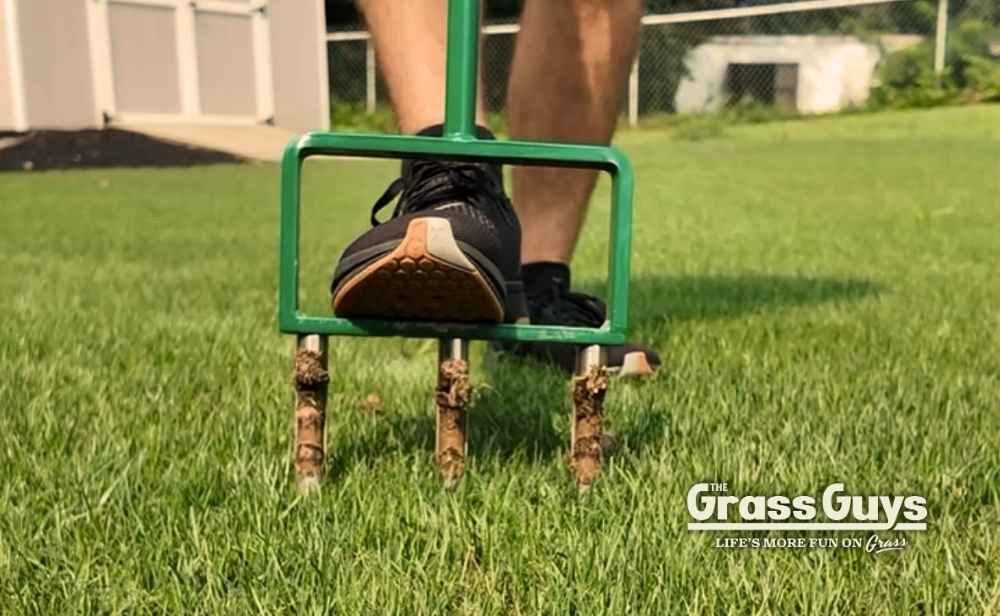
- Core aerator
- Lawn roller
- Topsoil / compost
- Leveling rake
👉 See: Lawn Starter Kit
Recommended Seed for Renovations

1. Best All-Around Renovation Blend
Resilience II Turf-Type Tall Fescue Mix
- Top-rated NTEP performance: Scores of 6.6+ in turf quality, color, and traffic tolerance
- Rhizomatous tall fescue: Spreads laterally via rhizomes and tillering for a dense, self-repairing turf
- Drought & shade resistant: Outperforms Kentucky bluegrass in tough conditions
- Exceptional purity: Among the cleanest, most weed-free seed on the market
- Adapted to cool-season and transition zones: Ideal for climates in the Midwest, Northeast, Pacific Northwest, and upper South

2. Premium Look Renovation
Blue Resilience Turf-Type Tall Fescue & Kentucky Bluegrass Mix
- Elite tall fescue + Kentucky bluegrass combo for resilience and beauty
- Rhizomatous tall fescues for lateral spread and self-repair
- Blue Gem bluegrass improves winter survival and color retention
- Superior drought & traffic tolerance for active family lawns
- Thrives in full sun to moderate shade across diverse soil types
- Perfect for high-use areas like neighborhood play zones, dog yards, and front lawns

3. TWCA Certified Drought Tolerant Blend
Tuff Turf Lawn Seed Mix (TWCA Certified to use up to 40% Less Water)
- Combination of improved turf-type tall fescues with perennial ryegrass and Kentucky bluegrass.
- Excellent drought tolerance, wear tolerance, and will perform nicely in a variety of soil conditions.
- Adapts to full sun to reasonably heavy shade conditions.
- Best used where budgets dictate that input levels are low and in fact low levels of input are preferred.
- Proudly approved by the Turfgrass Water Conservation Alliance.
Final Thoughts
A full lawn renovation is a commitment.
But it’s also the fastest way to:
- Upgrade your grass genetics
- Fix long-term problems
- Build a lawn you’re proud of
Do it once. Do it right. Time it correctly.
And your lawn will separate itself for years.
Need Help Choosing the Right Seed?
Download our free guide: What Grass is Best for Me?
It gives you:
- Our exact renovation picks
- Shade vs sun breakdown
- Traffic vs drought comparisons
- Maintenance-level guidance
Plus seasonal reminders so you don’t miss your window.