The 4 Lawn Care Fundamentals
Master These and Your Lawn Will Separate Itself
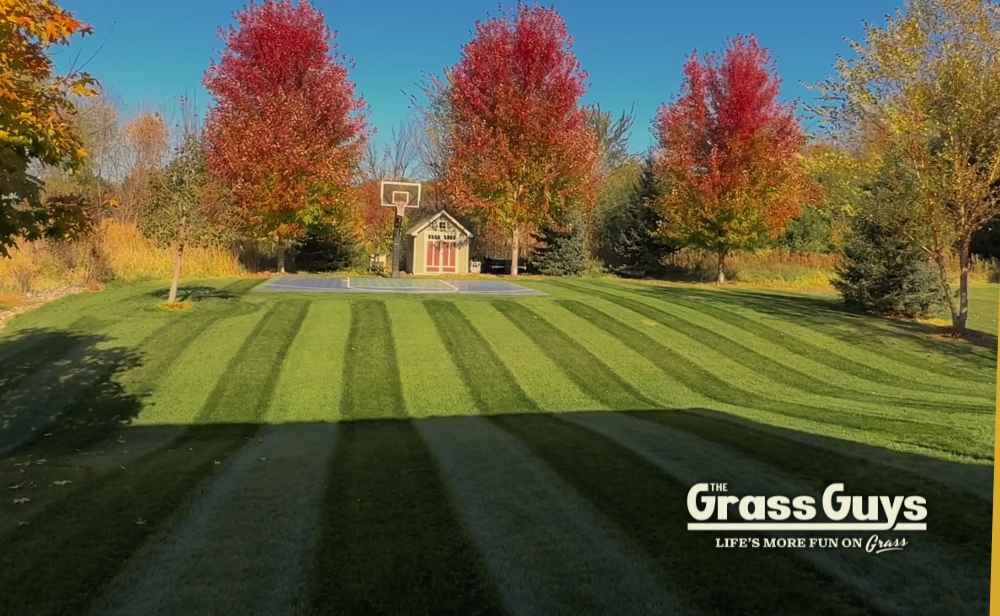
If your lawn isn’t where you want it to be, the problem is rarely complicated.
It’s usually not a magic product.
It’s not some secret fertilizer ratio.
And it’s almost never solved by buying more stuff.
Most struggling lawns come down to four fundamentals:
- Mowing
- Watering
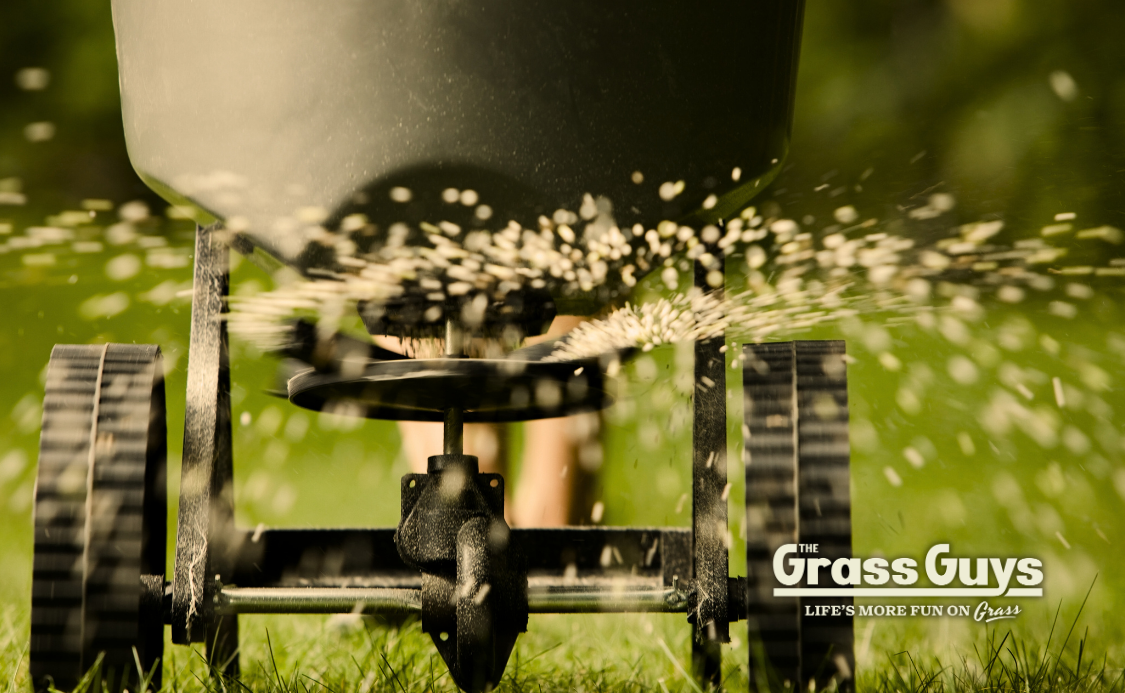
- Fertilizing
- Seeding
Master these four, and you’ll outperform most homeowners on your block.
Ignore them, and nothing else really matters.
Let’s break them down.
Mowing:

Most people think mowing is maintenance.
It’s not. It’s growth control.
Every time you mow, you’re influencing:
- Root depth
- Turf density
- Stress tolerance
- Weed suppression
The 1/3 Rule
Never remove more than one-third of the grass blade at a time.

Cutting too much at once:
- Shocks the plant
- Weakens roots
- Reduces photosynthesis
- Opens space for weeds
Ideal Mowing Height for Cool-Season Lawns
- Spring: 2.5–3 inches
- Summer: 3–4 inches
- Fall: 2.5–3 inches
Longer grass can equal deeper roots which can get you a stronger lawn.
Watering:
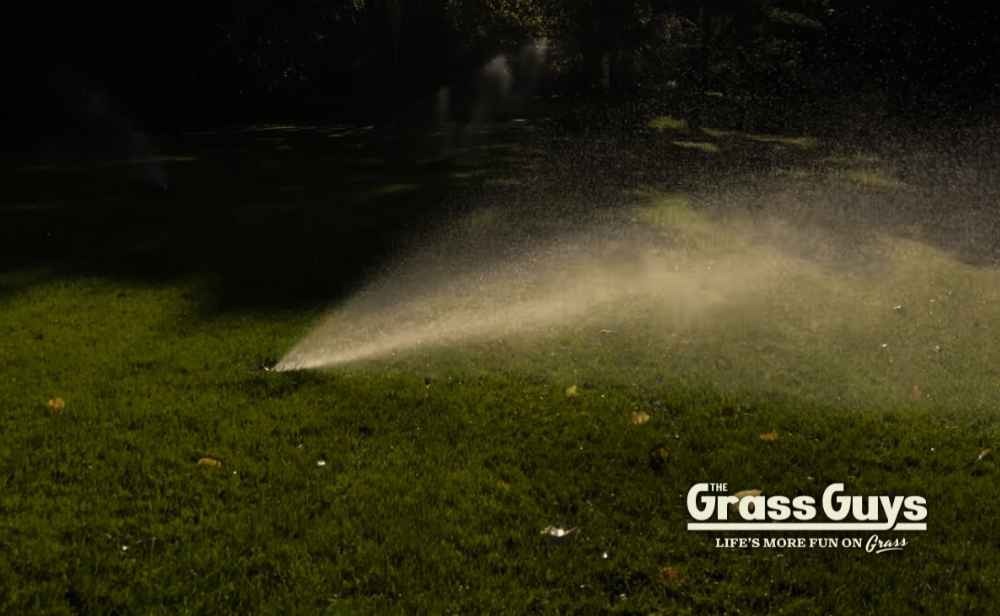
Watering is where most lawns quietly decline.
The biggest mistake?
Light, frequent watering.
That creates:
- Shallow roots
- Fungus risk
- Weak, fragile turf
The Golden Rule
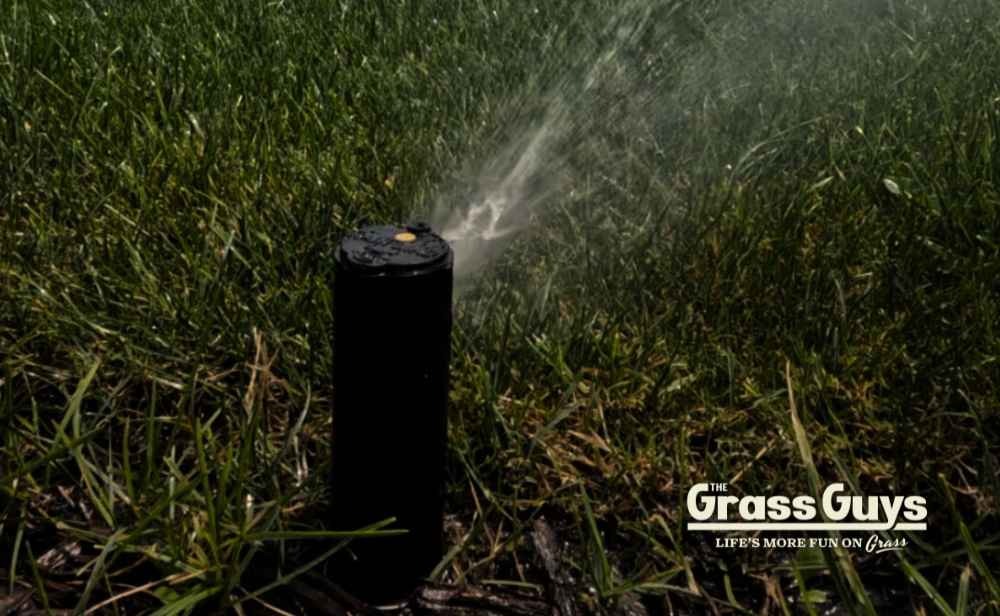
Cool-season lawns need:
1–1.5 inches of water per week
Applied deeply, not daily.
Why Deep Watering Wins
Deep watering trains roots to grow downward, making your lawn:
- More drought tolerant
- More heat resistant
- More resilient overall
Shallow watering does the opposite.
Best Time to Water
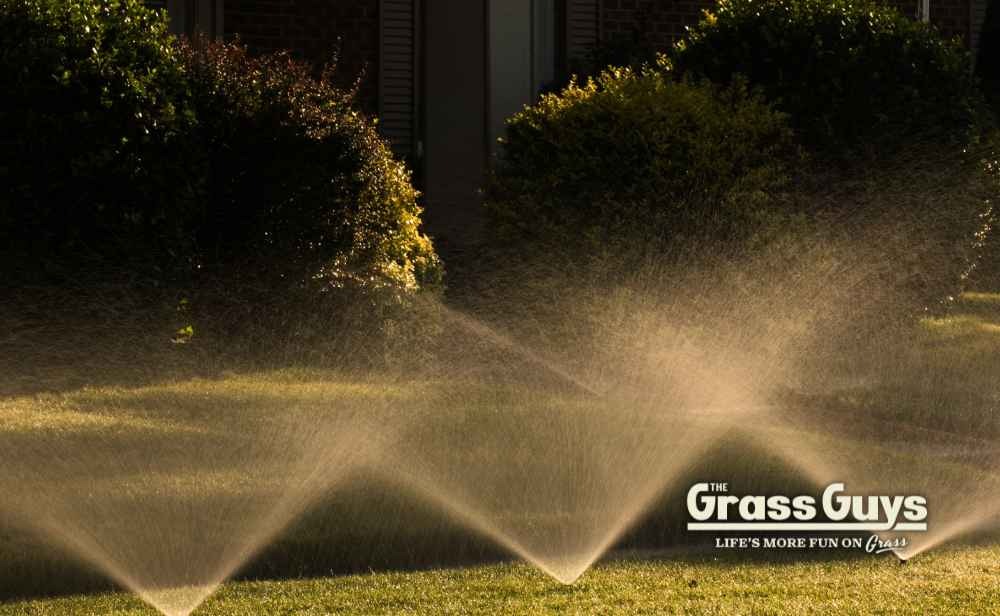
Early morning (4am–9am)
Avoid:
- Midday (evaporation loss)
- Late evening (fungus risk)
👉 Deep Dive: Complete Lawn Watering Guide
🎥 Watch: Signs of Overwatering vs Underwatering
🔗 Recommended: Sprinklers | Hose Timers | Irrigation Tools
Water less often, deep and infrequent will almost always be best.
Fertilizing:
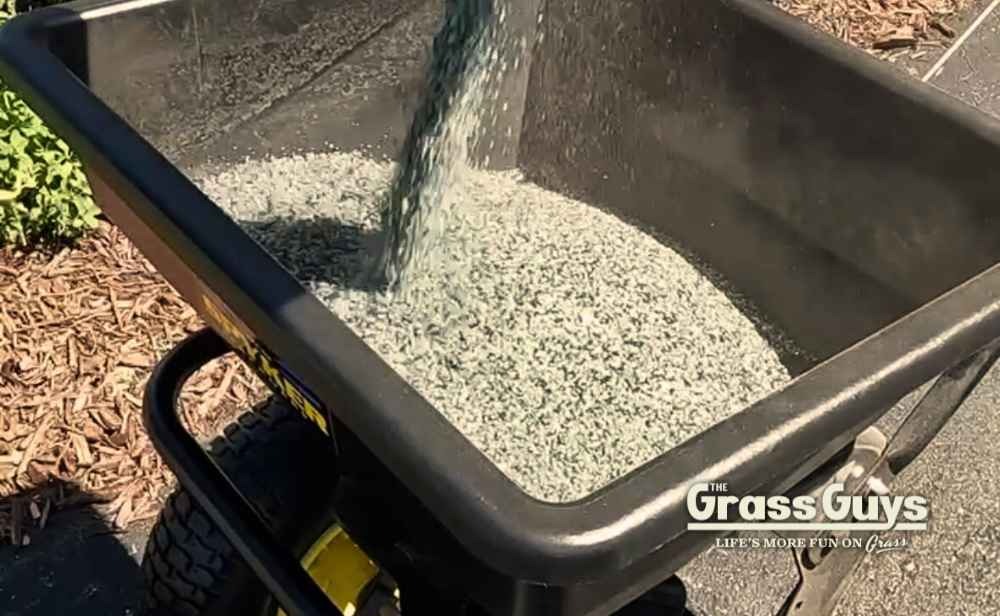
Grass is a plant.
Plants need nutrients.
The three primary nutrients you’ll see on fertilizer bags:
- Nitrogen (N) → growth & color
- Phosphorus (P) → root development
- Potassium (K) → stress tolerance
Nitrogen Drives the Bus

For cool-season lawns, nitrogen is the engine behind:
- Deep green color
- Density
- Recovery after stress
But more isn’t always better.
Over-fertilizing can:
- Cause surge growth
- Increase mowing demand
- Raise disease risk
When to Fertilize Cool-Season Lawns
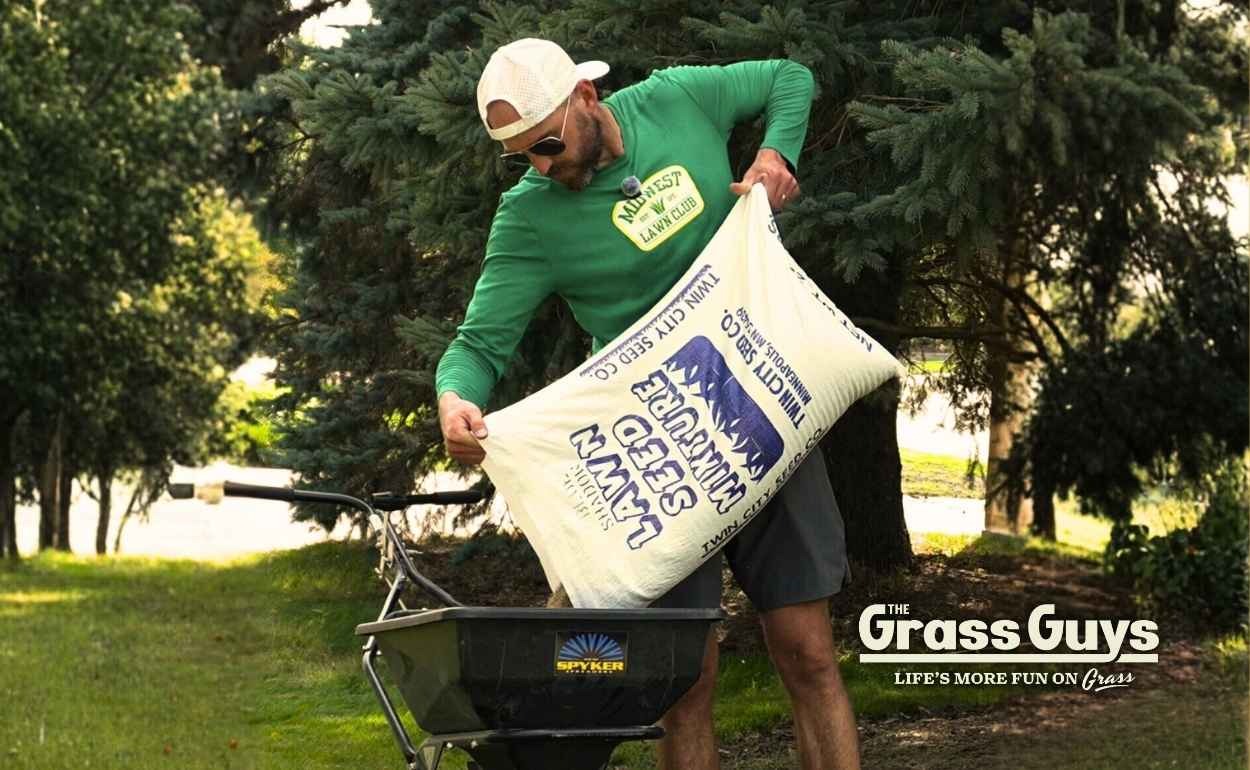
- Light feeding in spring
- Moderate in late spring
- Heavy in fall (most important)
Fall fertilization is where real lawn separation happens.
👉 Deep Dive: When & How to Fertilize Your Lawn
🔗 Recommended: Spreaders | Fertilizer Programs | Soil Tests
Feed your lawn when it can actually use it.
Seeding:
Weeds don’t invade strong lawns.
They invade thin lawns.
Seeding is how you fix thin.
Overseeding vs New Lawn
Overseeding:
Adding seed into an existing lawn to increase density.

New Lawn Establishment:
Starting from bare soil.
Most homeowners need overseeding, not a full reset.
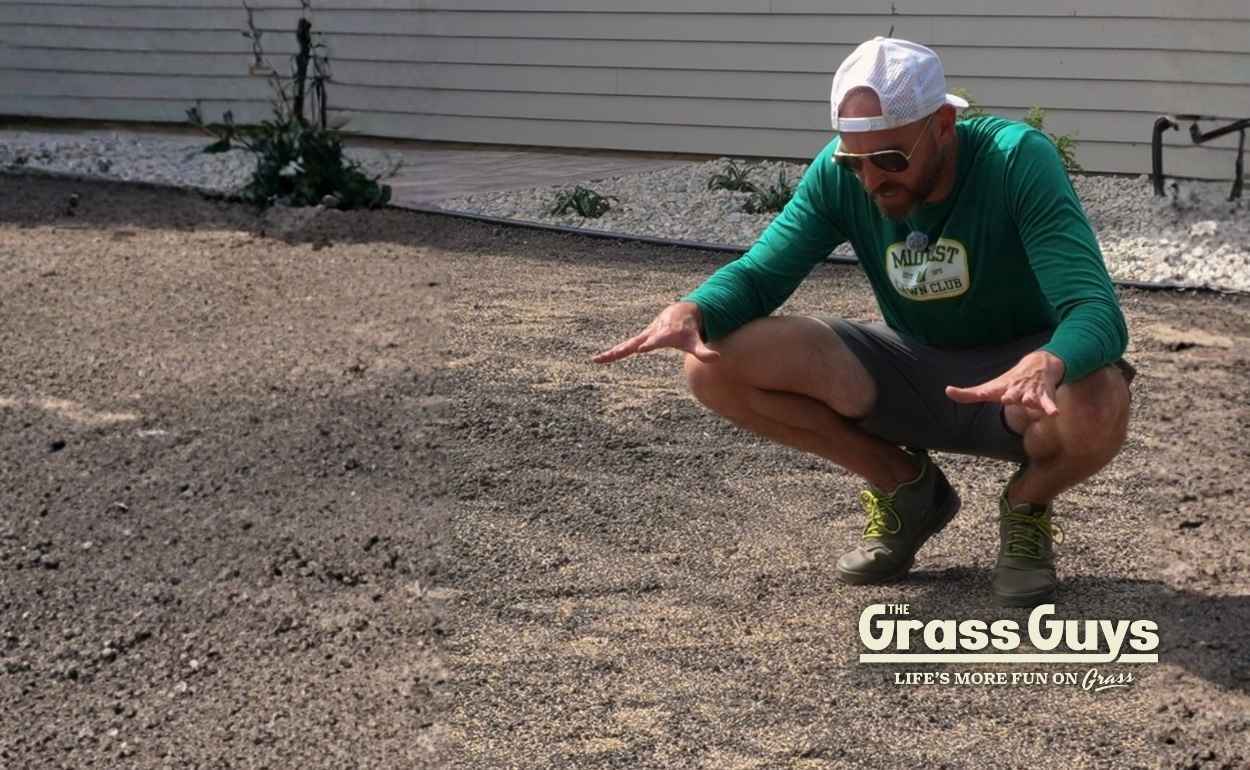
Best Time to Seed Cool-Season Lawns
Early fall, followed by spring.
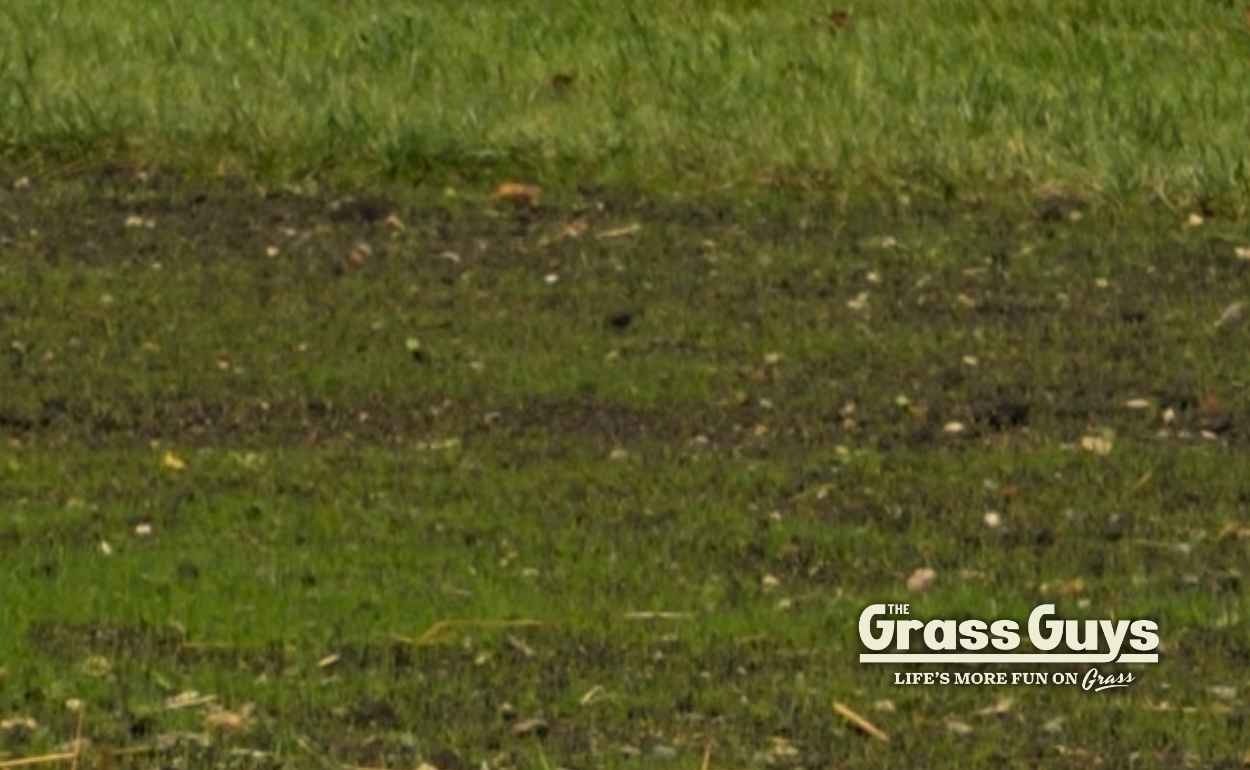
Why fall works best:
- Warm soil temperatures
- Cooler air temps
- Reduced weed pressure
- Ideal germination conditions
Why Density Changes Everything
A thick lawn:
- Crowds out weeds
- Holds moisture better
- Resists disease
- Looks dramatically better
👉 Deep Dive: How to Overseed Properly
🔗 Recommended: Grass Seed Blends | Seed Spreaders
If mowing builds structure, seeding builds density.
How the 4 Fundamentals Work Together

They try to fix:
- Weeds without fixing mowing
- Brown spots without fixing watering
- Thin turf without overseeding
Here’s the reality:
- Mowing strengthens roots
- Deep watering strengthens roots
- Fertilizing feeds roots
- Seeding increases density
Healthy roots + thick turf = great lawn.
Products don’t build lawns.
Consistency does.
If You Only Focus on One Thing

Start here:
- Set your mowing height correctly
- Water deeper, less often
- Prioritize fall fertilization
- Overseed annually
Stack these habits for two seasons and your lawn will look completely different.
Beginner Baseline Plan
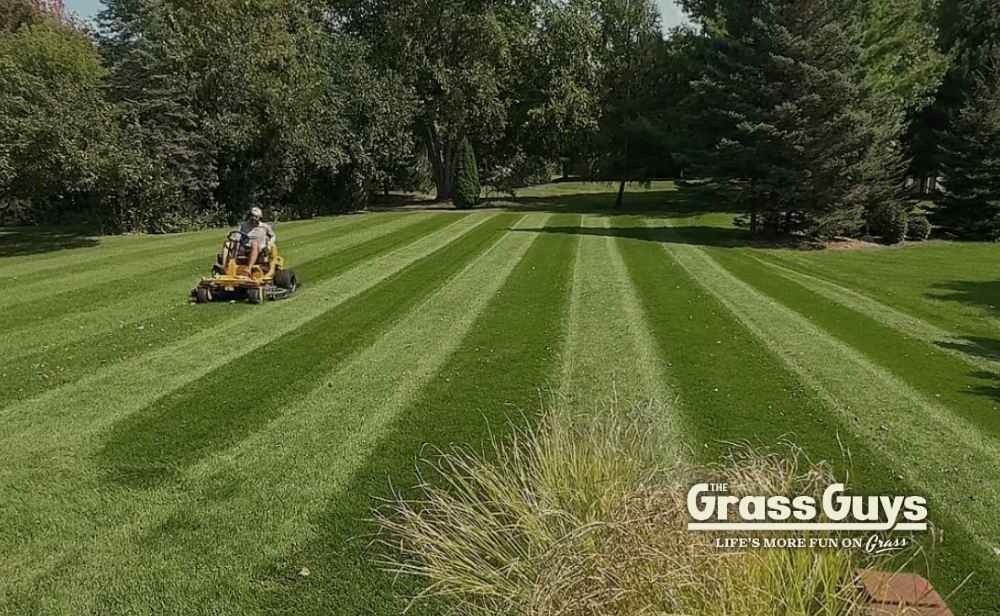
If you want a simple, proven starting point:
- Mow at ~3 inches
- Water 1–2x per week (deep & infrequent)
- Fertilize 3–4 times per year
- Overseed every fall, depending on your grass type.
This alone puts you ahead of most homeowners.
Watch the Video Version
If you prefer seeing this in action:
🎥 Watch: The 4 Lawn Care Fundamentals Explained
Where to Go Next
Now that you understand the foundation, here’s where to go deeper:
- 👉 Lawn Care 101 (Beginner Hub)
- 👉 How to Overseed Your Lawn
- 👉 Complete Lawn Watering Guide
- 👉 Cool-Season Lawn Calendar
Each of these builds on the fundamentals you just learned.
Final Thoughts

You don’t need:
- A whole bunch of specialty products
- An overly-expensive budget
- A degree in agronomy
You need consistency in four fundamentals.
Get these right and everything else becomes refined.
Season by season, your lawn will separate itself.