Signs Your Lawn Is Underwatered
How to Tell If Your Grass Needs More Water
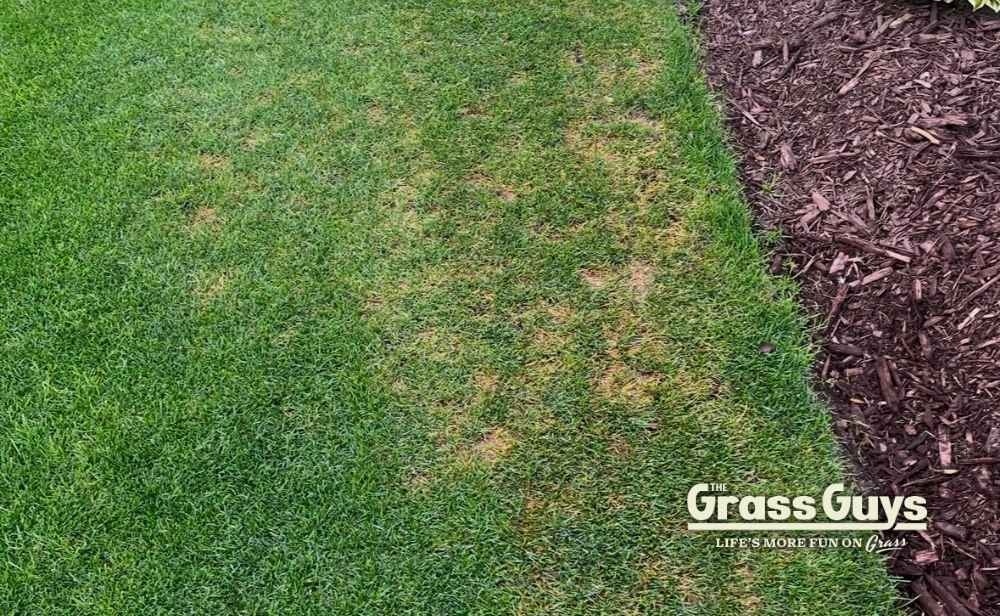
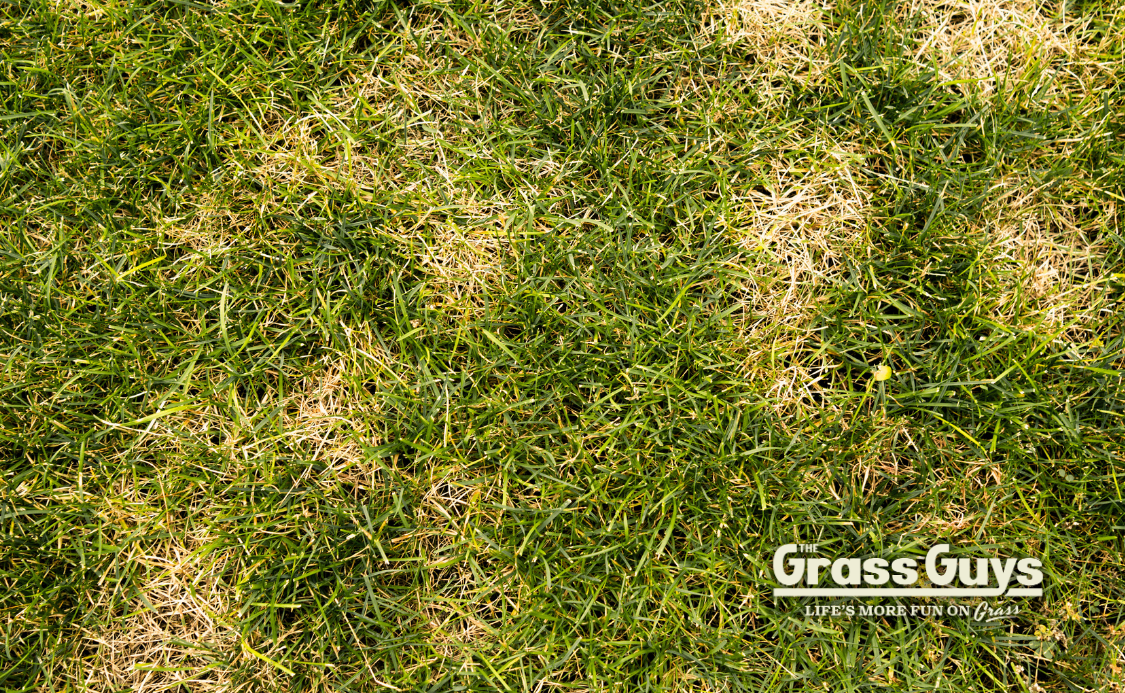
When your lawn starts to lose color or thin out, your first thought is often fertilizer.
But in summer, the real issue is usually water.
Underwatering does not always look dramatic at first.
It starts subtly.
Here is how to recognize it before damage becomes severe.
The Short Answer
Your lawn is likely underwatered if you notice:
- Blue-gray color
- Footprints that stay visible
- Leaf blades folding or rolling
- Dry soil several inches deep
- Thinning during heat
Let’s break down each one.
1. Blue-Gray or Dull Color

Healthy grass is vibrant green.
When it lacks water, it often shifts to a:
- Blue-gray
- Dull green
- Slightly smoky tone
This is one of the earliest warning signs.
The lawn is signaling stress before turning brown.
2. Footprints That Remain Visible
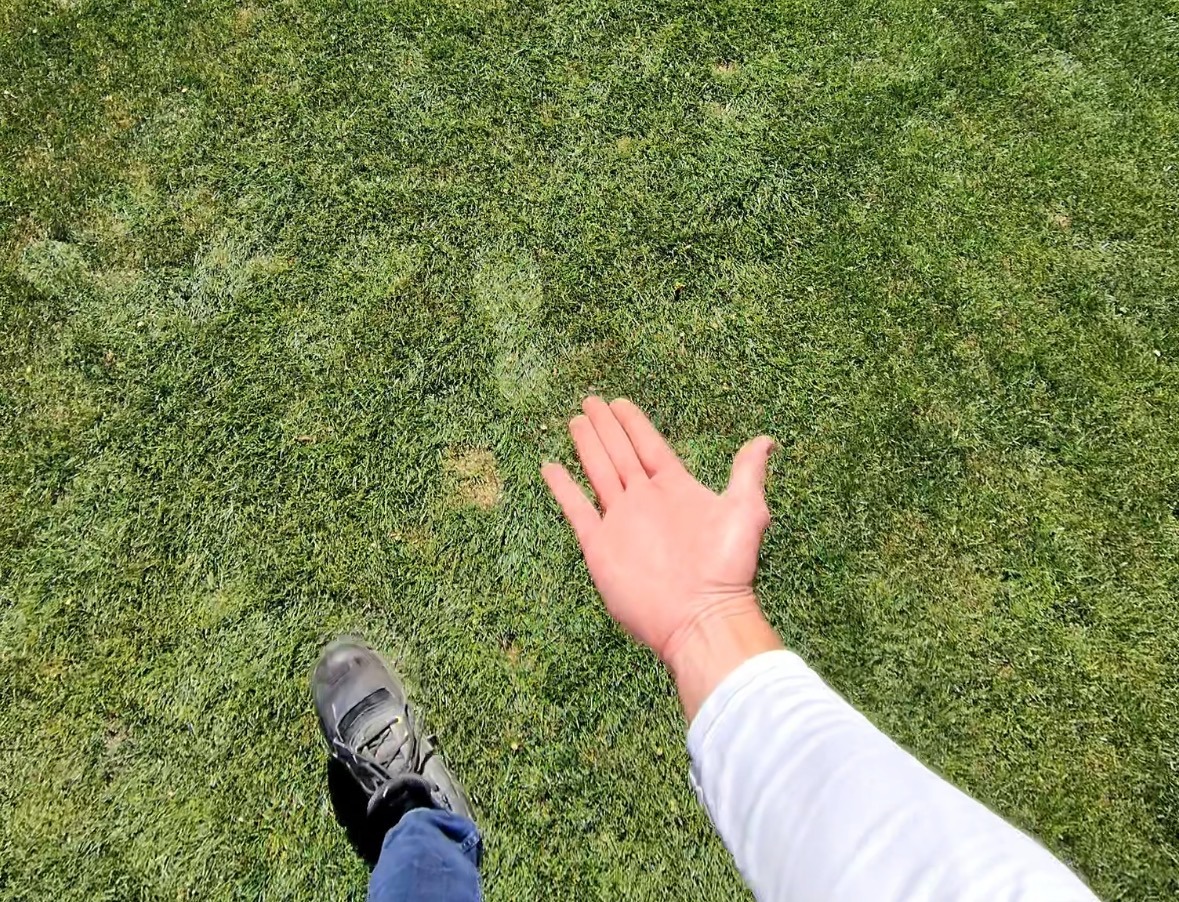
Walk across your lawn.
If footprints remain for several minutes instead of springing back, the grass lacks moisture.
Well-watered grass rebounds quickly.
Underwatered grass does not have the internal pressure to recover.
This is one of the easiest field tests.
3. Leaf Blades Folding or Rolling

Look closely at individual blades.
Under drought stress, blades may:
- Fold inward
- Roll into a tube shape
- Curl along the edges
This reduces surface area to conserve water.
It is a protective response.
4. Dry Soil Below the Surface
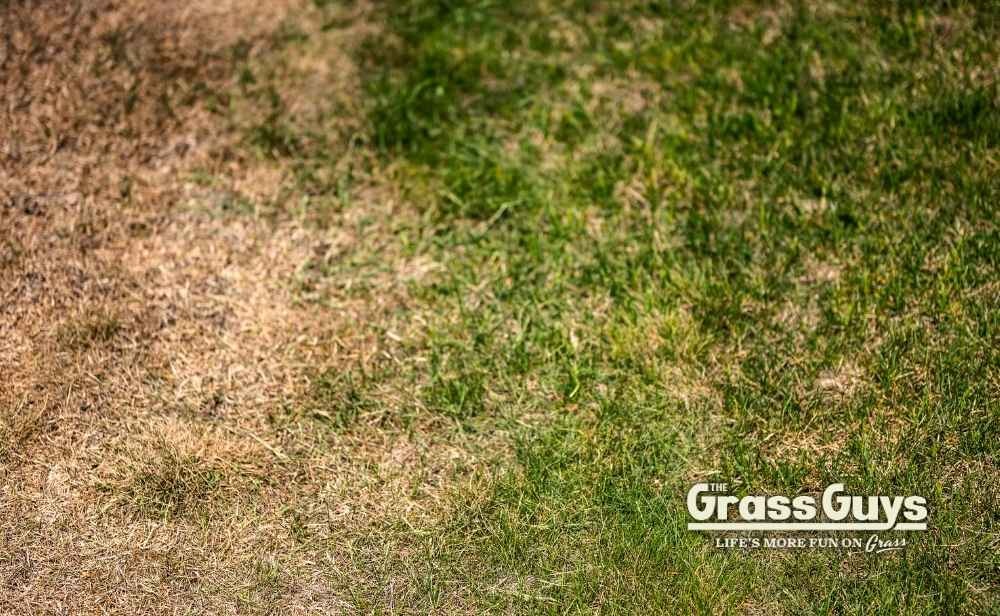
Do not judge by surface color alone.
Use a screwdriver or soil probe.
If it is difficult to push 6 inches into the soil, moisture levels are low.
Healthy watering should penetrate 6 to 8 inches deep.
👉 See: How Much Water Does My Lawn Need?
5. Thinning During Heat Waves

During prolonged heat, underwatered lawns:
- Thin out
- Lose density
- Turn brown faster
- Struggle to recover
Shallow roots cannot access deeper moisture reserves.
Proper watering builds deeper root systems.
Underwatering vs Dormancy
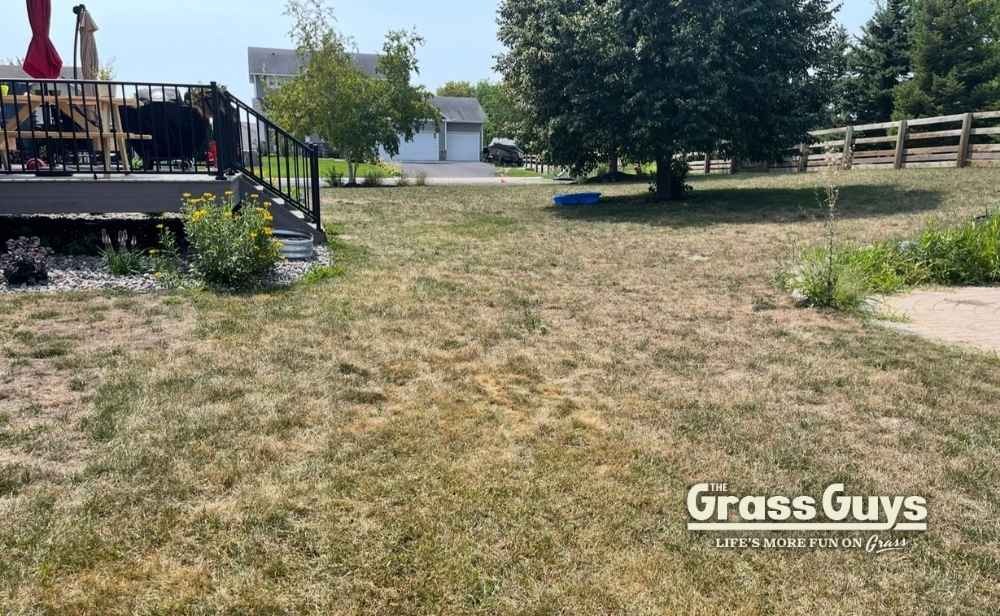
This is important.
Cool-season lawns may go dormant during extreme heat.
Dormant grass:
- Turns brown
- Stops growing
- Conserves energy
Dormancy is not always damage.
If crown tissue remains alive, grass will recover when temperatures cool.
Underwatering during active growth, however, can cause thinning and root loss.
If you are unsure, water deeply once and observe response over 24 to 48 hours.
If turf improves, it is drought stress.
How Much Water Should You Apply?

For established cool-season lawns:
1 to 1.5 inches per week including rainfall.
Apply this deeply 1 to 2 times per week rather than daily shallow watering.
Deep watering builds deeper roots and improves drought resistance.
👉 See: Watering & Irrigation Guide
Common Underwatering Mistakes
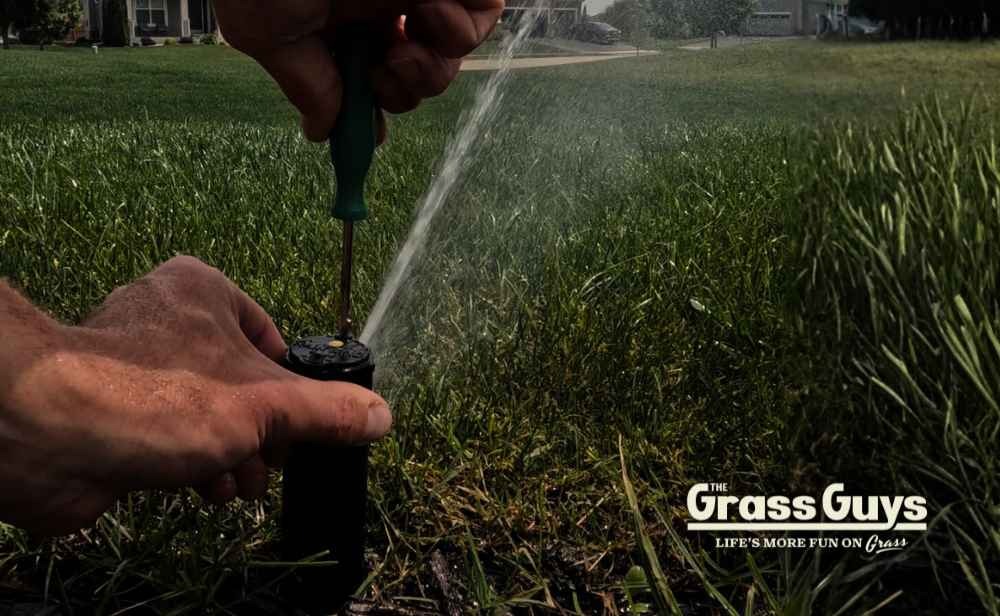
- Watering too lightly
- Watering too briefly
- Relying on surface moisture
- Ignoring high heat and wind
- Not adjusting for sandy soils
Shallow watering is often worse than slightly delayed watering.
Soil Type Matters
Sandy Soil
Drains quickly.
May require slightly more frequent deep watering.
Clay Soil
Holds water longer.
May require slower cycles to allow absorption.
Understanding your soil helps prevent both overwatering and underwatering.
When to Water During Drought

Water early in the morning.
Deep soak.
Allow soil to absorb fully.
Avoid daily surface watering that encourages shallow roots.
If extreme drought persists and you cannot maintain 1 inch per week, apply at least 0.5 inch every few weeks to protect the crown.
Can Underwatering Cause Long-Term Damage?
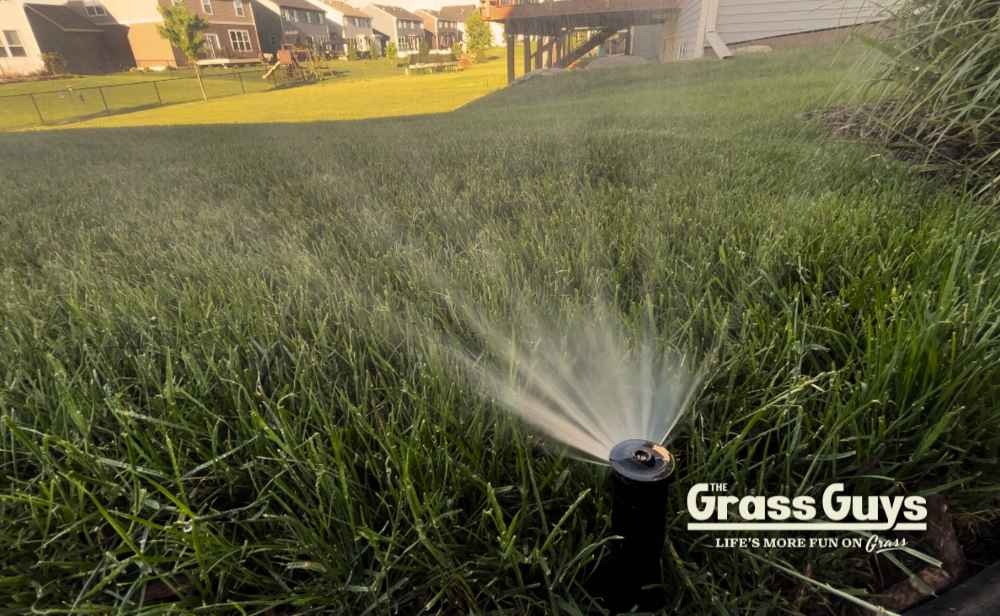
Yes, especially if:
- Roots die back severely
- Heat stress compounds
- Turf is already thin
Repeated drought stress weakens density and invites weeds.
Healthy root systems are built through consistent deep watering.
The Goal Is Deep Roots
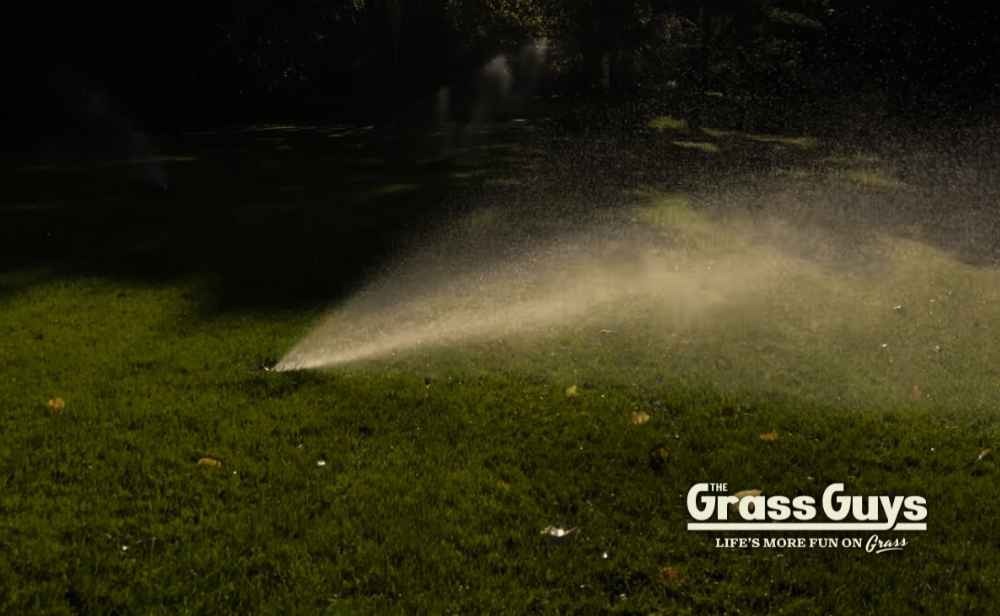
A properly watered lawn:
- Has roots 6 to 8 inches deep
- Handles heat better
- Recovers faster
- Requires less frequent irrigation over time
Watering shapes your root system.
Shallow water equals shallow roots.
Quick Self-Diagnosis Checklist
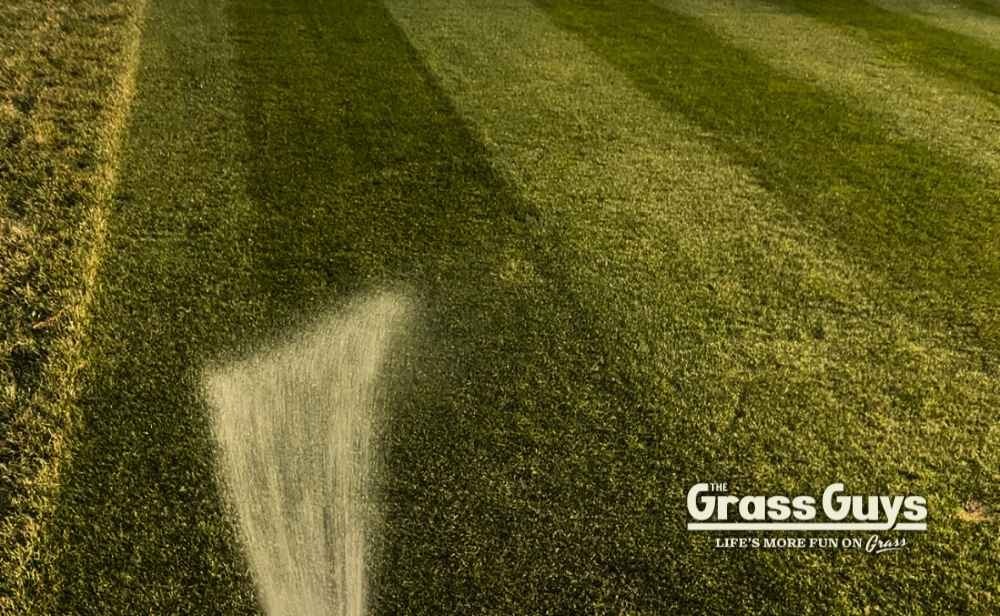
Ask yourself:
- Have I applied at least 1 inch this week including rainfall?
- Does soil feel dry several inches down?
- Are blades folding or dull colored?
- Are footprints lingering?
If yes, increase deep watering frequency.
Final Thoughts
Underwatering shows up first as subtle stress.
Blue-gray color.
Footprints.
Blade folding.
Respond early.
Water deeply.
Water early in the day.
Allow soil to dry slightly between cycles.
Strong roots build resilient lawns.
If your lawn struggles every summer, watering strategy is often the missing piece.