What Should You Do With Grass Clippings?
Bag, Mulch, or Side Discharge?
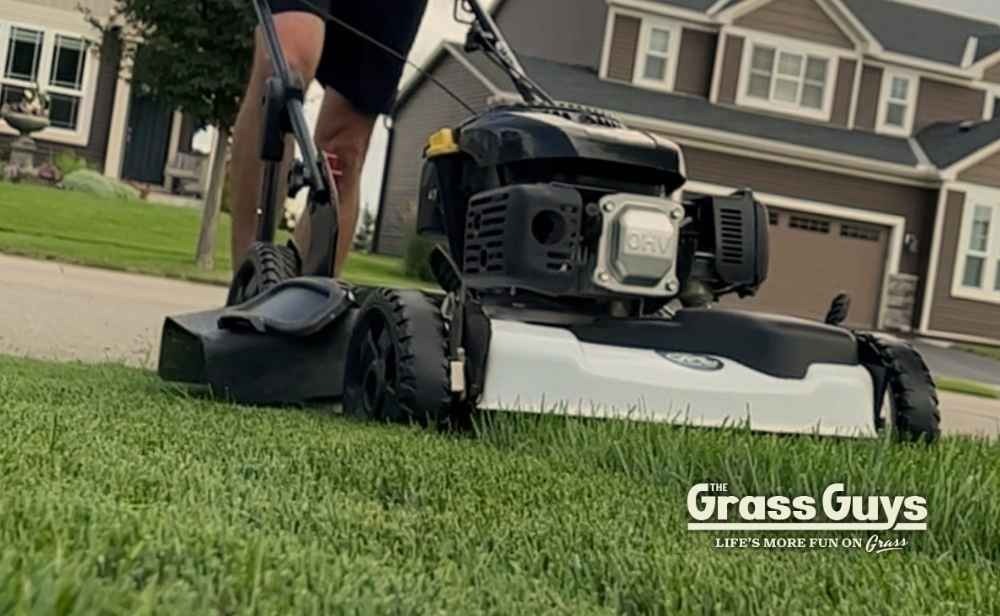
Every time you mow, you make a decision:
Bag it.
Mulch it.
Or let it discharge.
Most homeowners overthink this.
Here is the honest answer:
Mulching is best most of the time.
Bagging and side discharge have specific uses.
Let’s break it down clearly so you know exactly what to do.
Mulching Grass Clippings
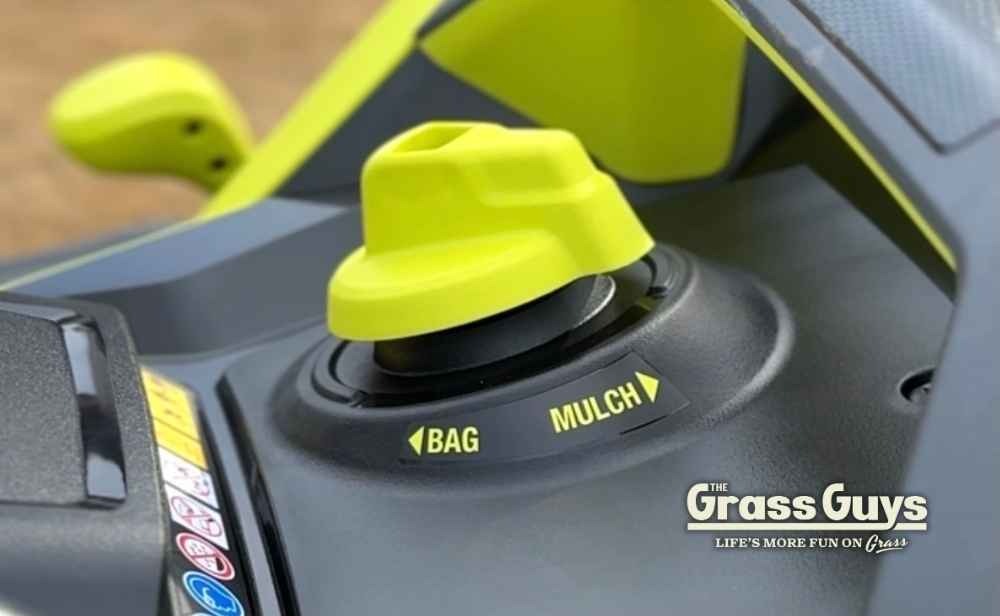
Mulching mowers cut clippings into fine pieces and drop them back into the lawn.
Those clippings:
- Decompose quickly
- Return nutrients to the soil
- Improve organic matter
- Reduce fertilizer needs
Clippings are mostly water and nitrogen.
You are not “smothering” your lawn if you mow properly.
Does Mulching Cause Thatch?
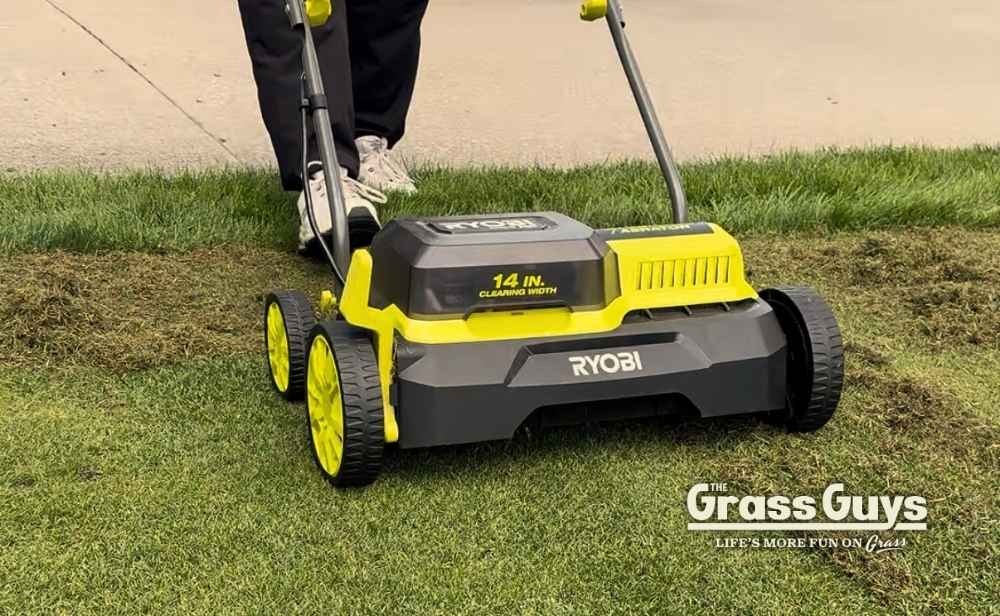
No, when done properly.
Thatch is made from roots and stems, not clippings.
Fine mulched clippings break down rapidly.
Thatch buildup usually comes from:
- Over-fertilizing
- Poor microbial activity
- Excessive shallow watering
Not necessarily from mulching.
When Mulching Works Best
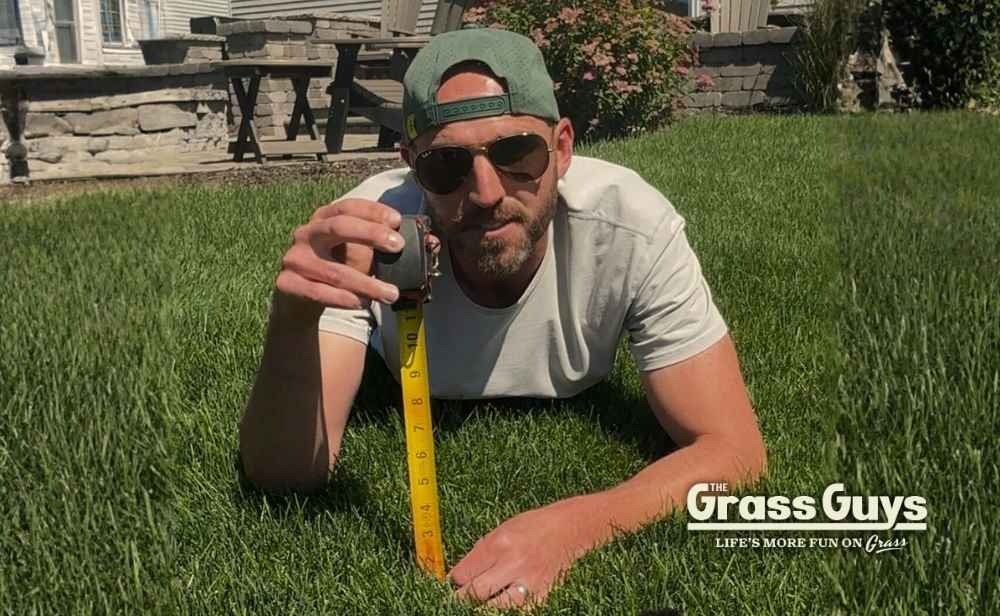
Mulching works best when:
- You follow the 1/3 rule
- Grass is dry
- Lawn is not extremely overgrown
- Blades are sharp
If you mow consistently, mulching is almost always the best choice.
👉 See: Lawn Mowing Mastery
Bagging Grass Clippings
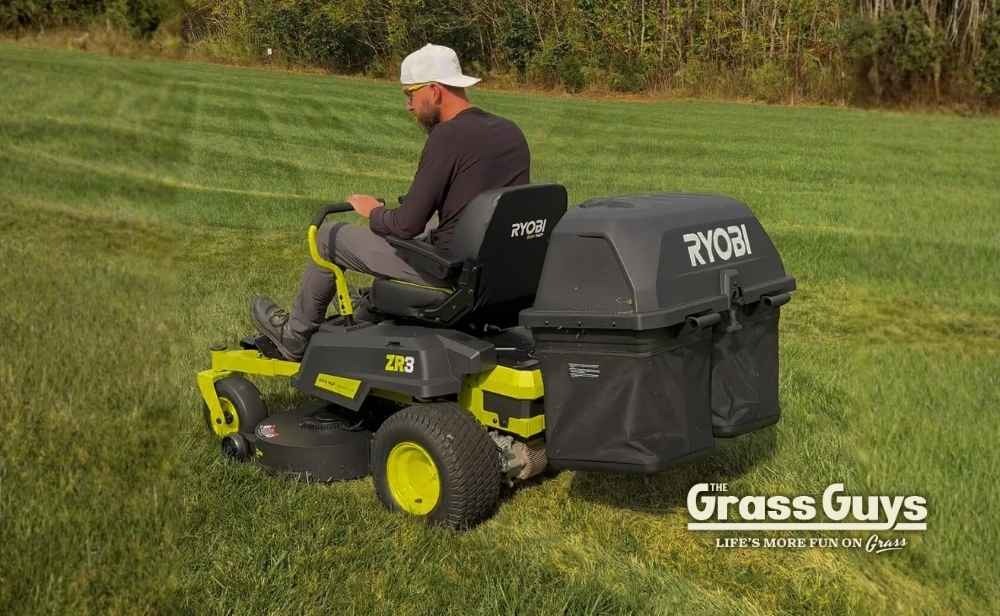
Bagging removes clippings from the lawn entirely.
It creates a clean look and eliminates clumps.
But you are also removing nutrients.
When to Bag Grass Clippings
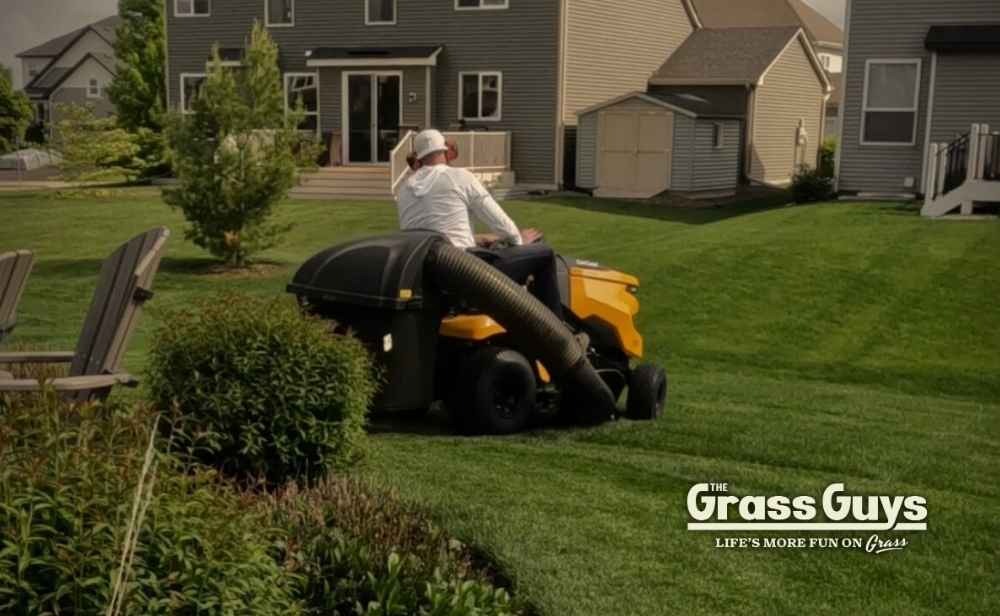
Bagging makes sense when:
- Grass got too long
- You broke the 1/3 rule
- Lawn is wet and clumping
- You are cleaning up leaves
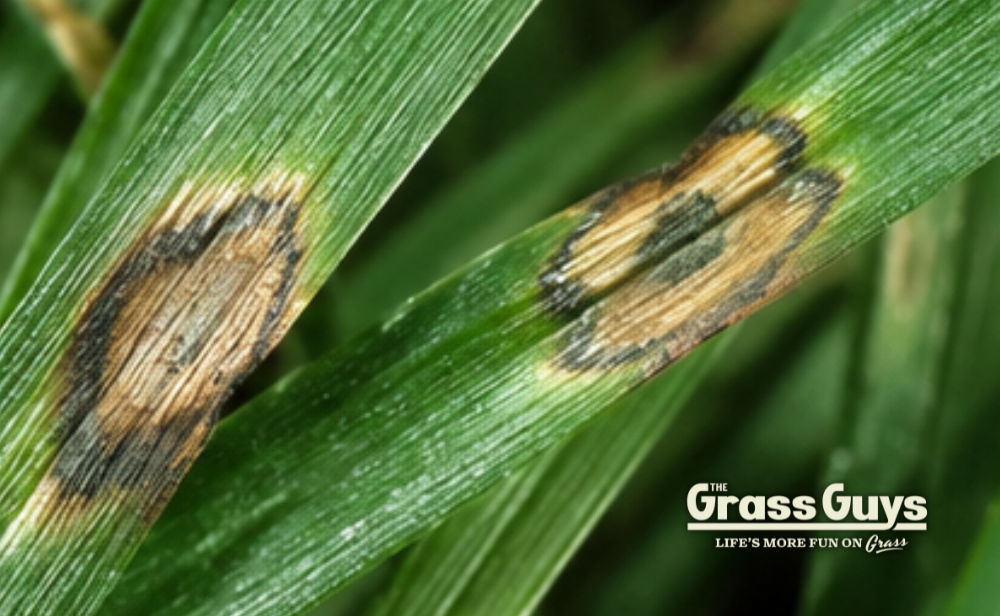
- Lawn has active disease
- You are preparing for overseeding
Bagging before overseeding can improve seed-to-soil contact.
👉 See: How to Overseed
Downsides of Bagging
- Removes free nitrogen
- Takes more time
- Creates waste
- Requires disposal
It is not harmful, but it is usually unnecessary.
Side Discharge
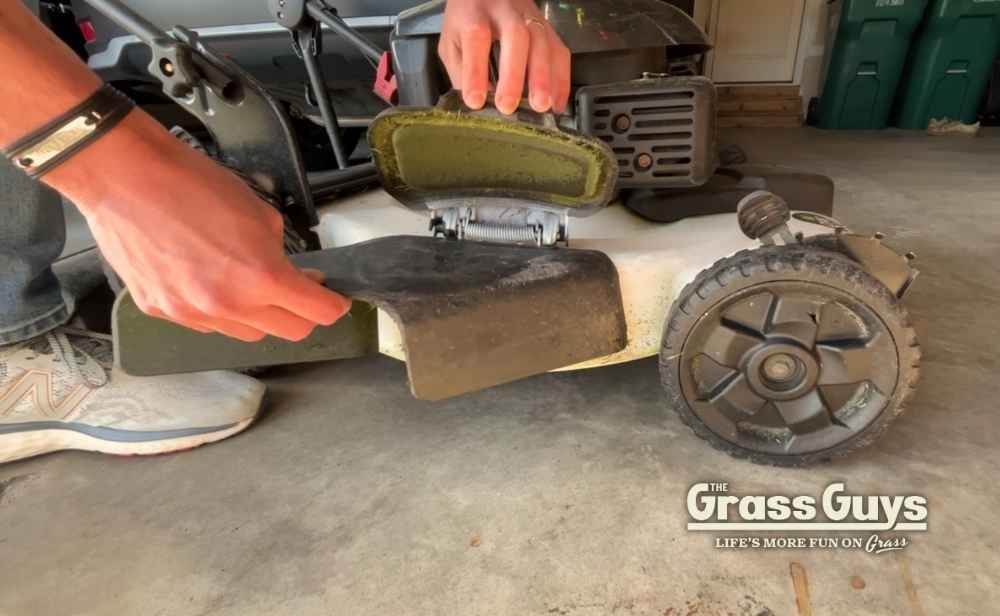
Side discharge throws clippings out the side of the mower deck.
This works well in:
- Heavy spring growth
- Thick, fast-growing lawns
- Taller cutting sessions
It prevents clumping inside the deck.
When Side Discharge Makes Sense
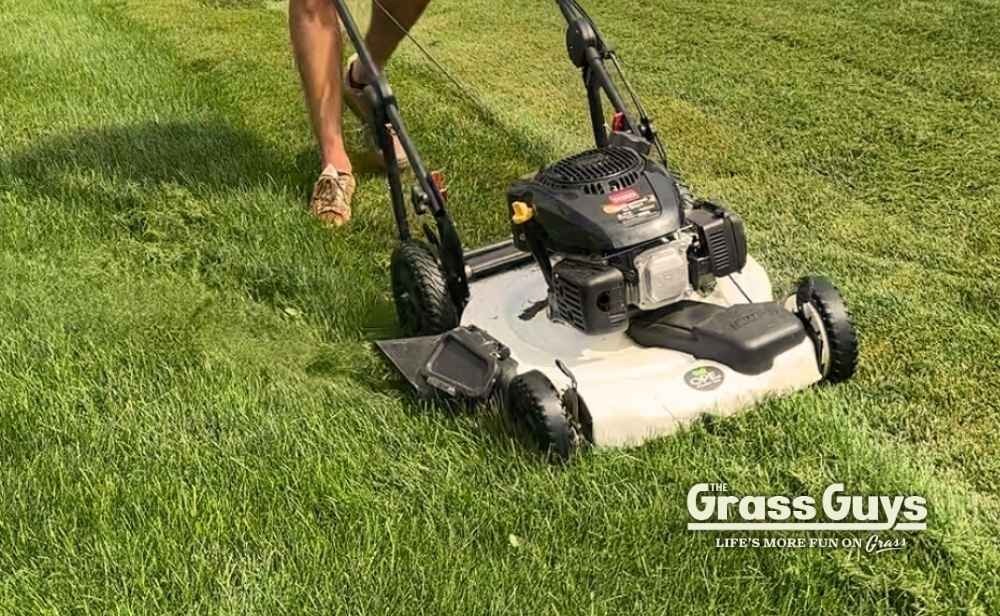
Consider using your side discharge when:
- Spring surge growth
- Slightly overgrown lawn
- You want speed and efficiency
But visually, it can leave rows or clumps if not managed properly.
If you use side discharge, consider:
- Mowing twice in opposite directions
- Spreading clumps evenly
The Real Key Is Mowing Frequency
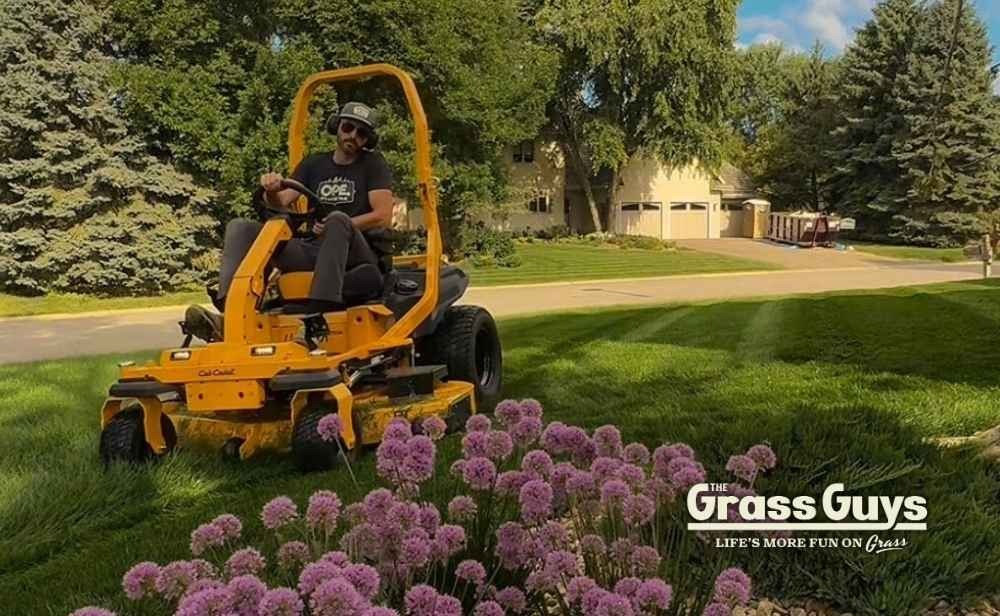
Most clipping problems come from:
Waiting too long to mow.
If you follow the 1/3 rule:
Clippings will be light and manageable.
Mulching will work perfectly.
If you cut too much at once:
You create heavy clumps that require bagging or side discharge.
Clipping issues are usually scheduling issues.
Seasonal Clipping Strategy
Spring Mowing
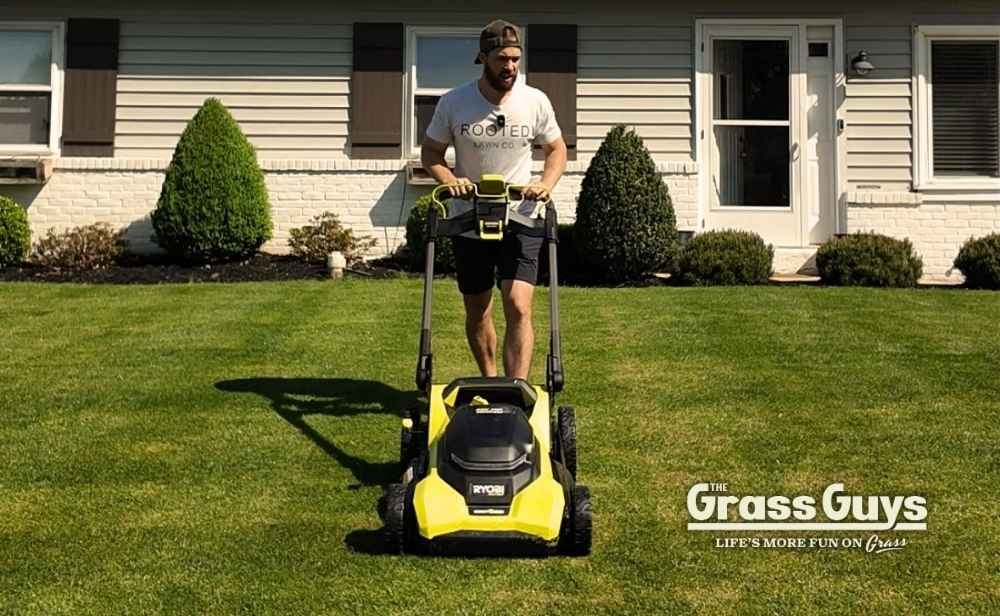
Rapid growth.
You may:
- Mulch most weeks
- Side discharge occasionally during heavy flush
If growth gets excessive, bag once and reset.
Summer Mowing
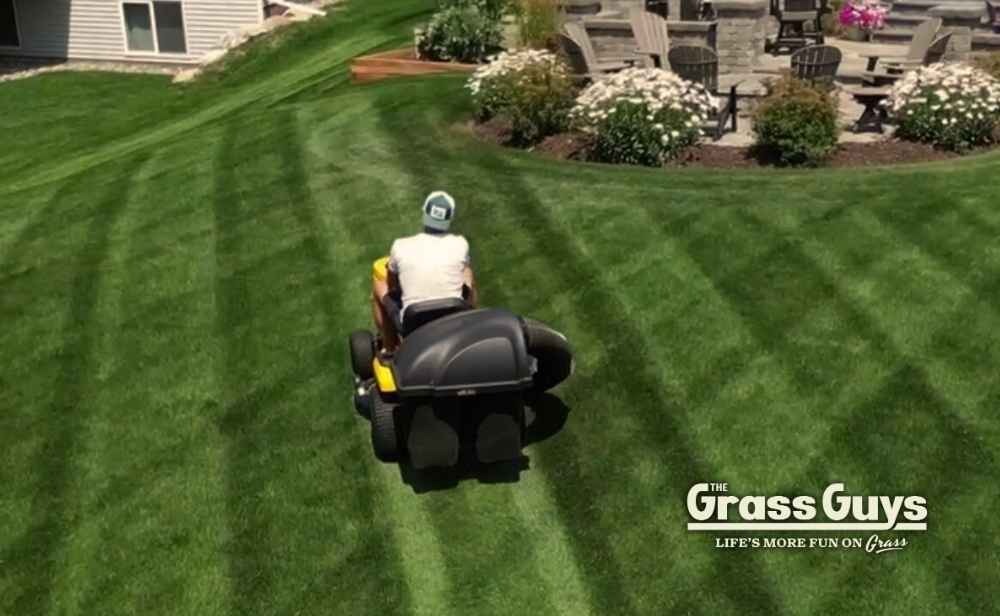
Growth slows.
Mulching is ideal.
Keep mowing height higher to protect against heat.
Fall Mowing
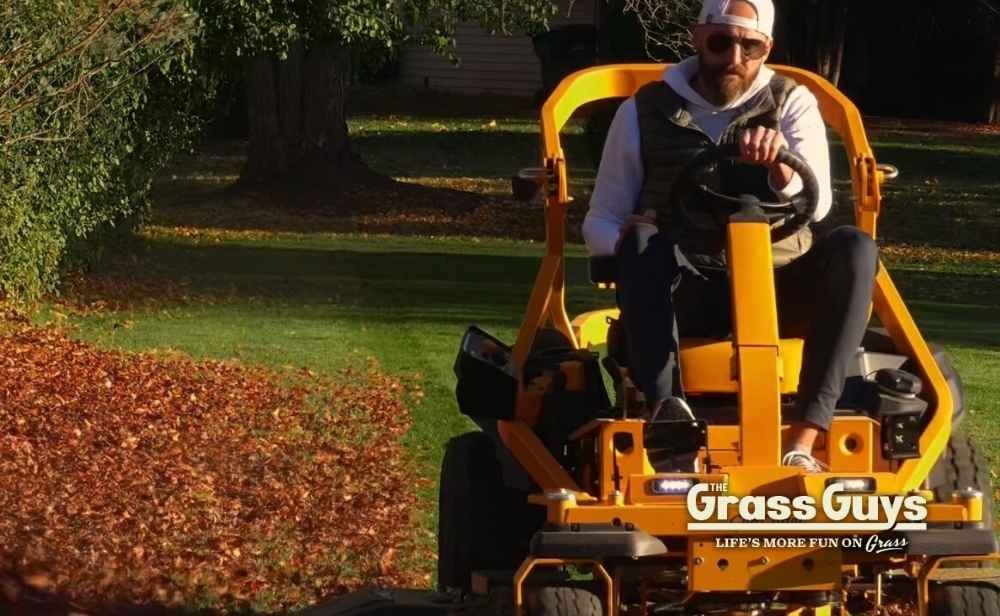
Mulch as long as possible.
Bag when:
- Leaf cleanup begins
- Preparing for overseeding
- Final mow before winter
What About Composting?
If you bag clippings:
Compost them.
Grass clippings are excellent nitrogen sources in compost piles.
Avoid composting if:
- Lawn was recently treated with certain herbicides
- Lawn has disease
So What Should You Do?
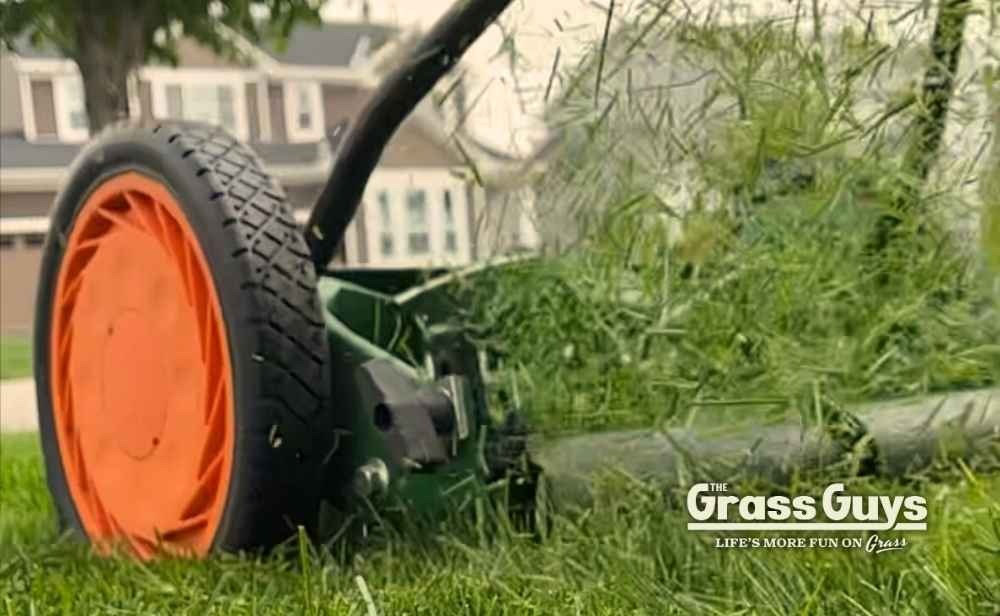
For most homeowners:
- Mulch 80 to 90 percent of the time.
- Bag when necessary.
- Use side discharge strategically during heavy growth.
At the end of the day we’re talking about grass. Just be smart about what situation lies in front of you before you mow and try and make the right decision.
Final Thoughts
Grass clippings are not waste.
They are fertilizer.
They are organic matter.
They are soil improvement.
If you mow consistently and keep blades sharp, mulching is the easiest and healthiest option for your lawn.
Keep it simple.
Mow regularly.
Mulch most of the time.
Bag when conditions demand it.
Your lawn will respond.