Lawn Mowing Mastery
How to Mow Like a Pro and Build a Thicker, Healthier Lawn
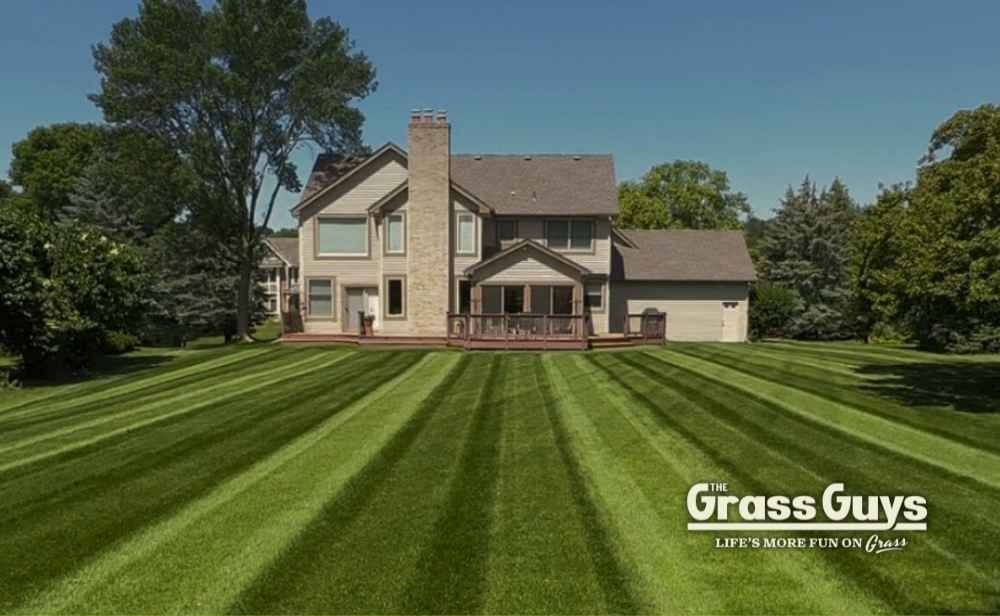
Most homeowners think mowing is maintenance.
It’s not. Mowing is one of the most powerful lawn care tools you have.
Done correctly, mowing:
- Increases density
- Strengthens roots
- Reduces weeds
- Improves drought tolerance
- Enhances color
- Creates visual impact
Done incorrectly? It weakens your lawn every single week.
This is Lawn Mowing Mastery: The unwritten rules that separates average lawns from elite ones.
The Golden Rule of Mowing
If you remember one thing, remember this:
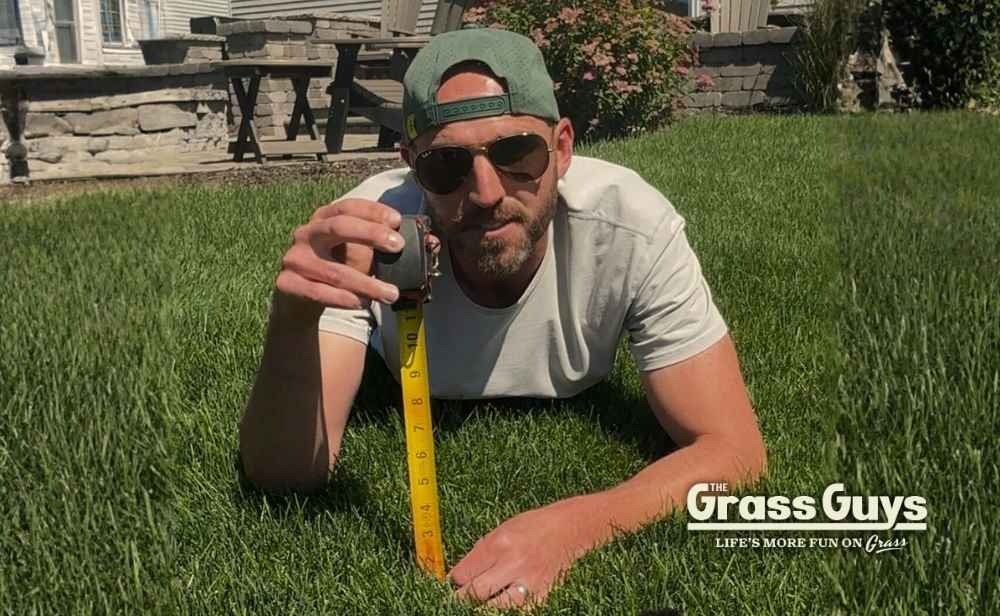
Never remove more than 1/3 of the grass blade at one time.
Why it matters:
Cutting too much at once:
- Shocks the plant
- Reduces root mass
- Increases stress
- Slows growth
- Opens the door for weeds
Grass grows from the base, not the tip. Protect the plant, protect the lawn.
Mowing Height: How High Should You Cut?
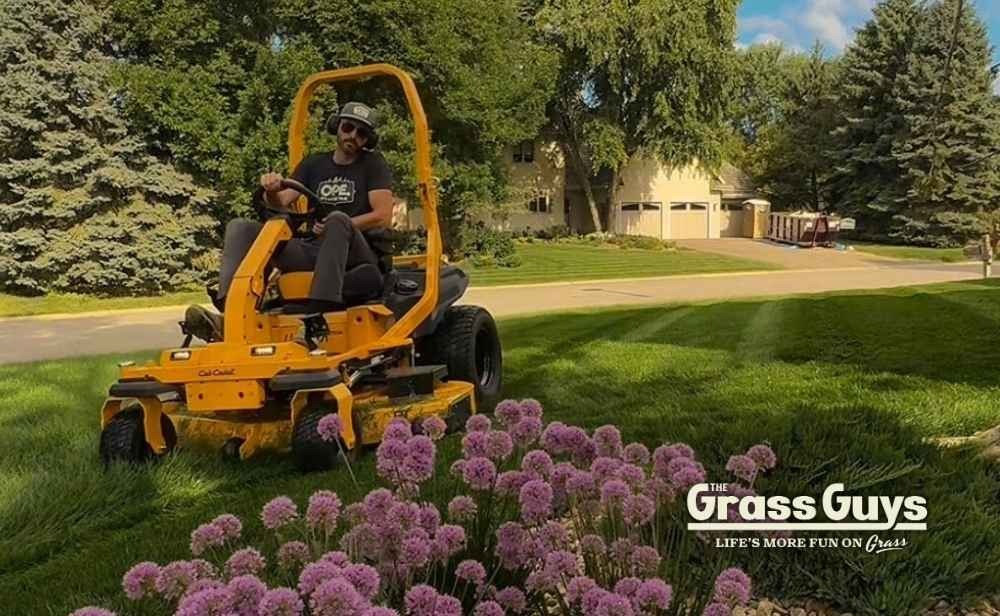
For cool-season lawns:
Spring:
~3 inches
Summer:
3.5–4 inches
Fall:
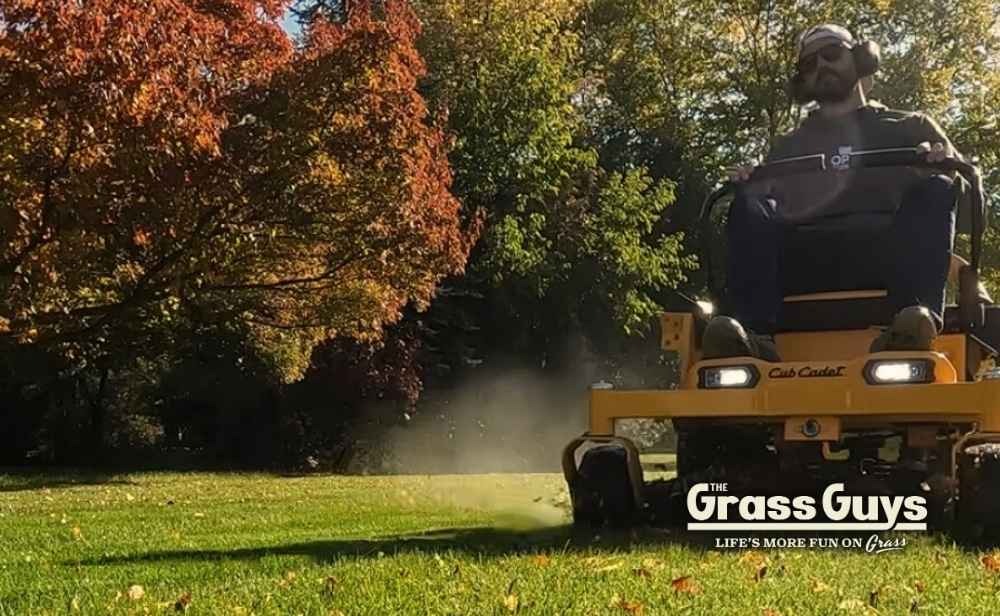
3–3.5 inches
(final mow slightly lower before winter)
Why mow higher?
Taller grass:
- Shades soil
- Retains moisture
- Develops deeper roots
- Crowds out weeds
Short grass looks clean for 24 hours.
Tall grass wins all season.
Mowing Frequency: How Often Should You Cut?
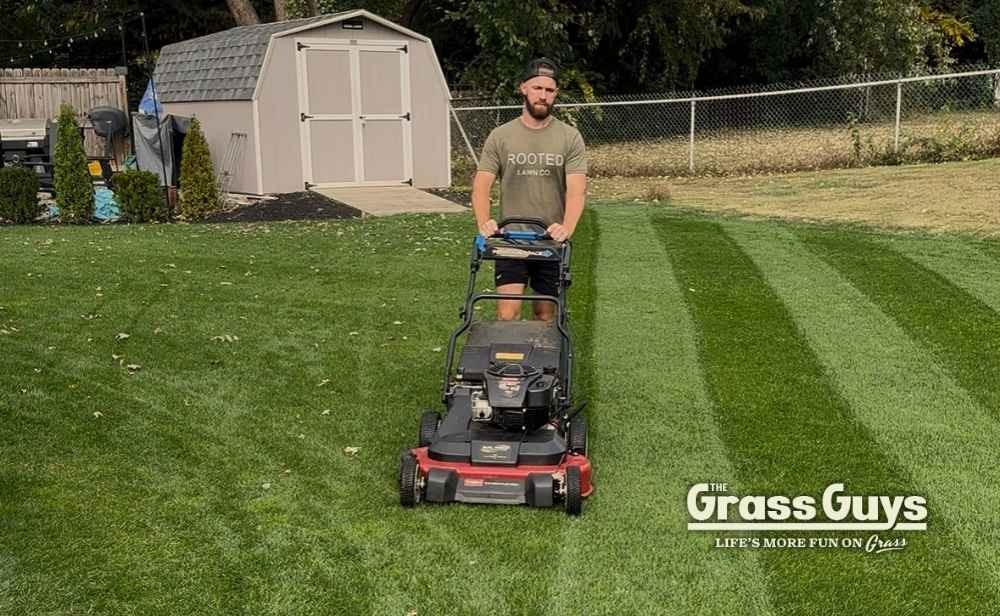
The answer isn’t a set schedule. It’s growth-dependent.
During peak spring growth:
You may mow every 4–5 days.
During summer slowdown:
Every 7–10 days.
Remember this Rule:
Mow based on the growth, not the calendar.
If you’re cutting more than 1/3 of the blade, you’ve technically waited too long and put yourself at risk of future damage to your lawn.
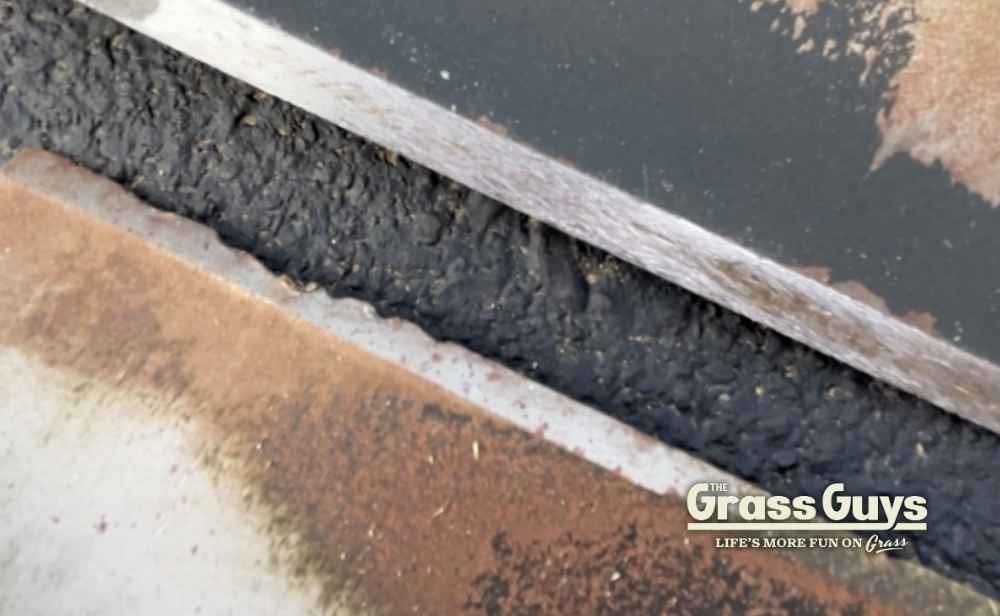
Sharp Mower Blade = Clean Cut
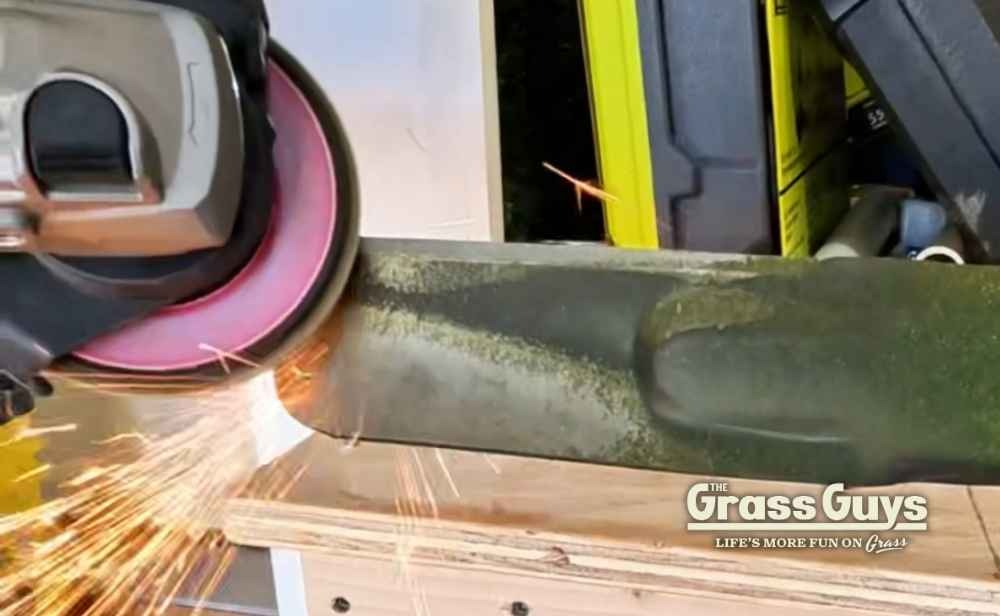
Dull blades don’t cut grass like they should. Instead, they tear it.
This serves as a wide open door for problems.
Torn grass:
- Turns brown at the tip
- Increases disease risk
- Looks dull and gray
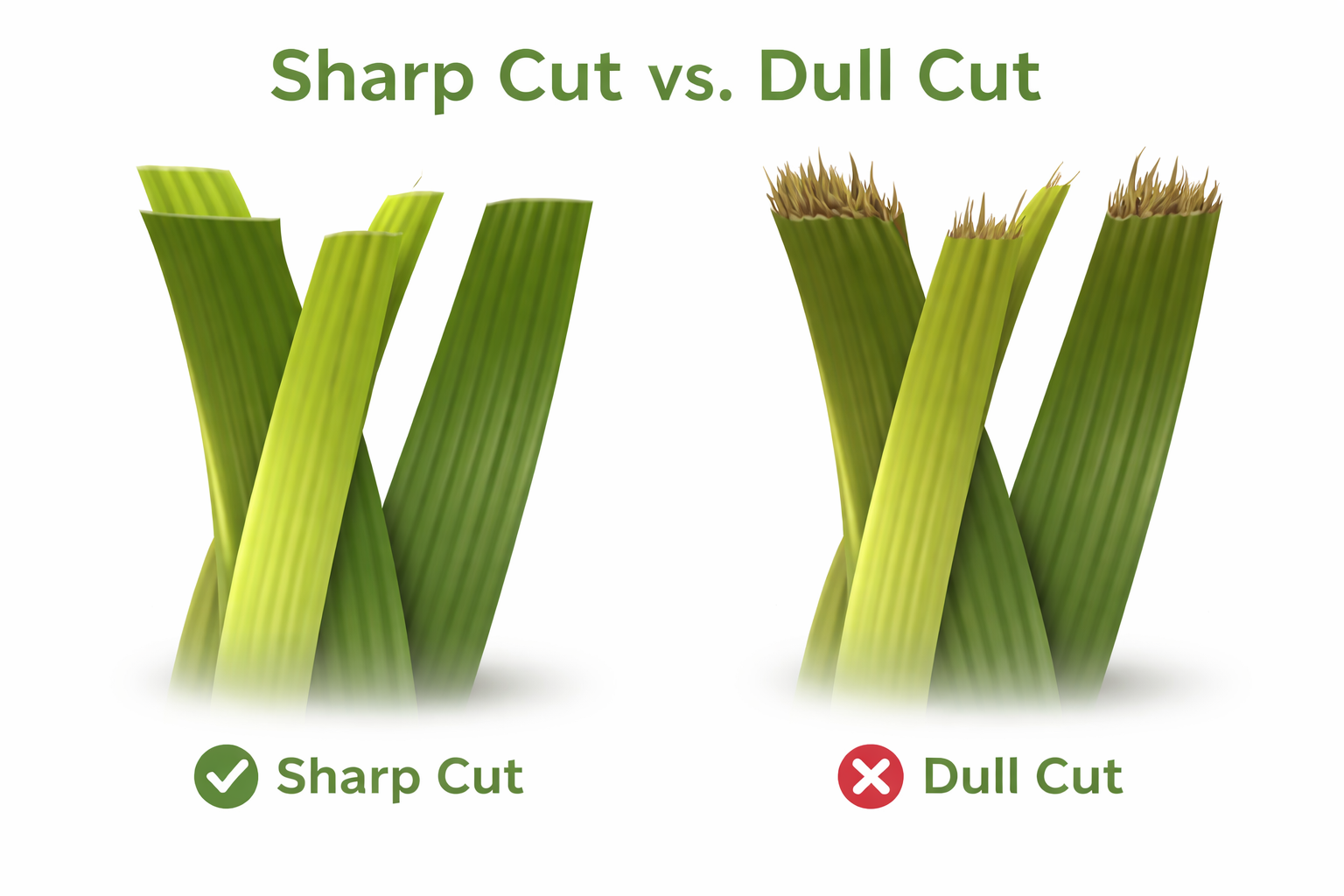
Sharp blades:
- Slice cleanly
- Heal faster
- Improve overall lawn appearance
Sharpen blades 1–2 times per season minimum.
If you mow a lot? This means you'll need to sharpen your blades more often.
👉 See: How to Sharpen Mower Blades
👉 Watch: How to Sharpen Mower Blades
Mulching vs Bagging
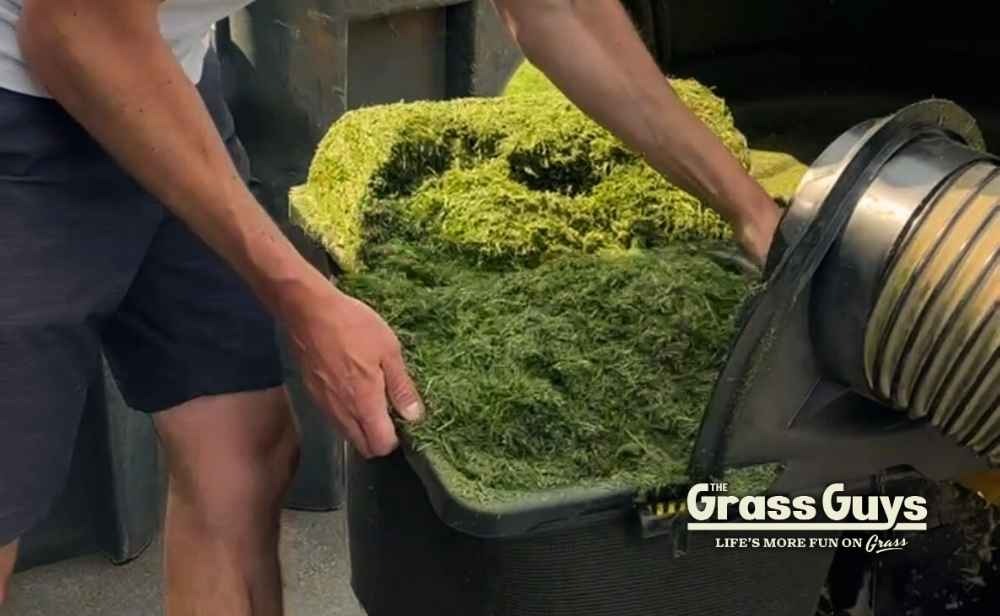
For most homeowners:
Mulch > Bag
Mulching:
- Returns nutrients to soil
- Improves organic matter
- Saves time
- Reduces waste
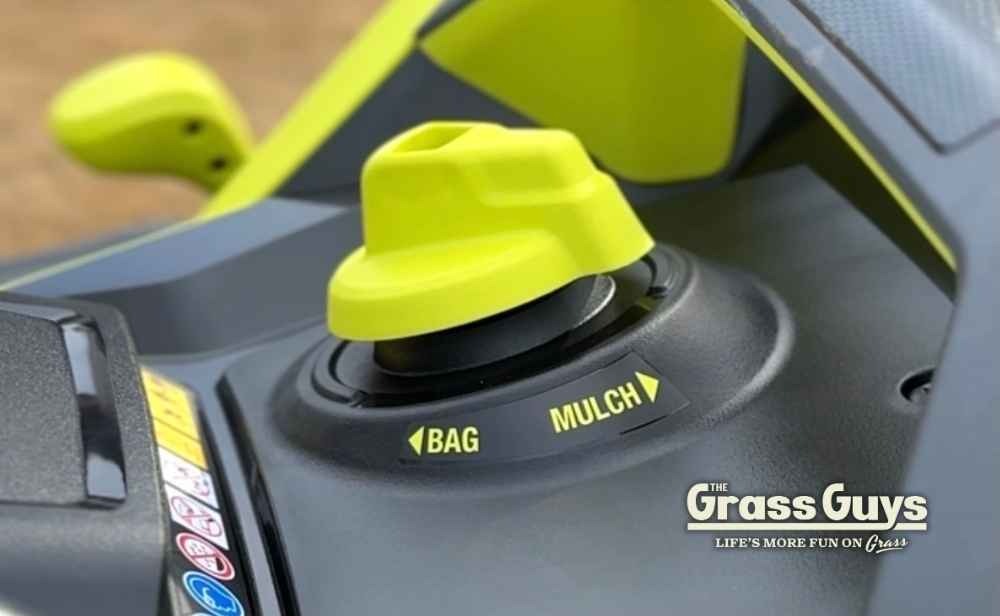
Bag only when:
- Grass is extremely long
- Lawn is diseased
- Leaves are excessive
Grass clippings are free fertilizer. Use them.
Lawn Stripes: Show Off Your Lawn!
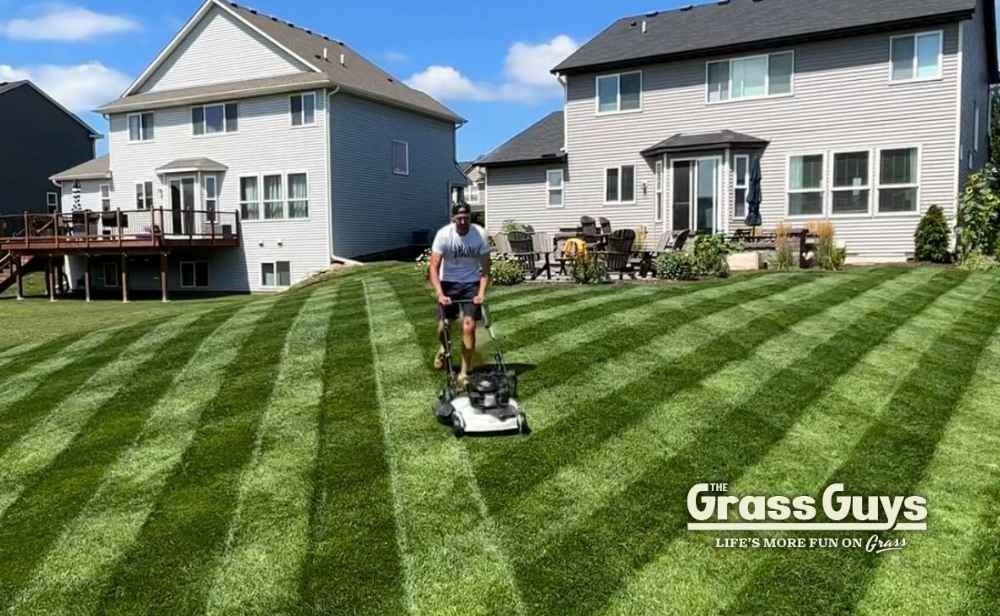
Striping happens when grass is bent in alternating directions and the contrast is created when the sun hits varying directions of the grass blade.
It’s visual, not genetic.
Striping improves:
- Lawn aesthetics
- Perceived density
- Visual contrast
It does not:
- Change grass health
If you want striping:
👉 See: The GG's Pick: Big League Lawns Checkmate Lawn Striping System
- Use code: GRASSGUYS15 for 15% Off your order!
If you want a healthy lawn:
Focus on fundamentals first.
The Most Common Mowing Mistakes
Avoid these and your lawn improves immediately.
Cutting Too Short
Weakens the plant and invites weeds.
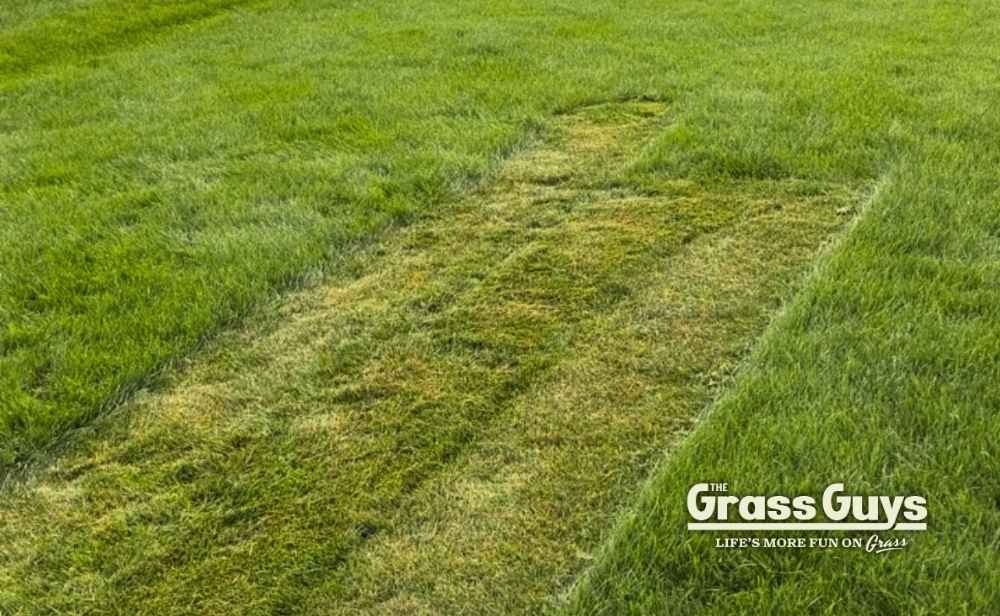
Inconsistent Mowing
Letting grass get too tall, then scalping.
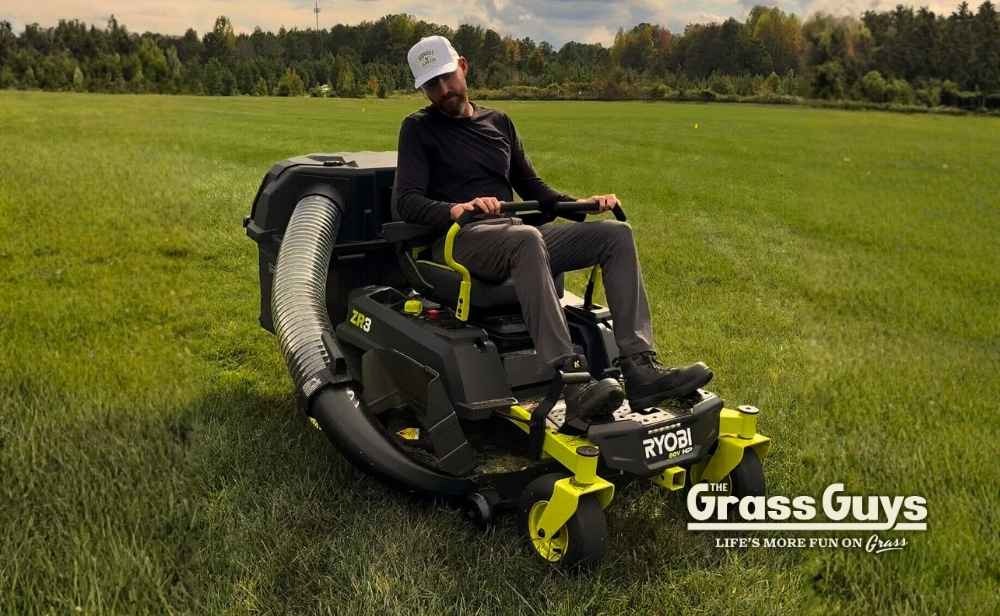
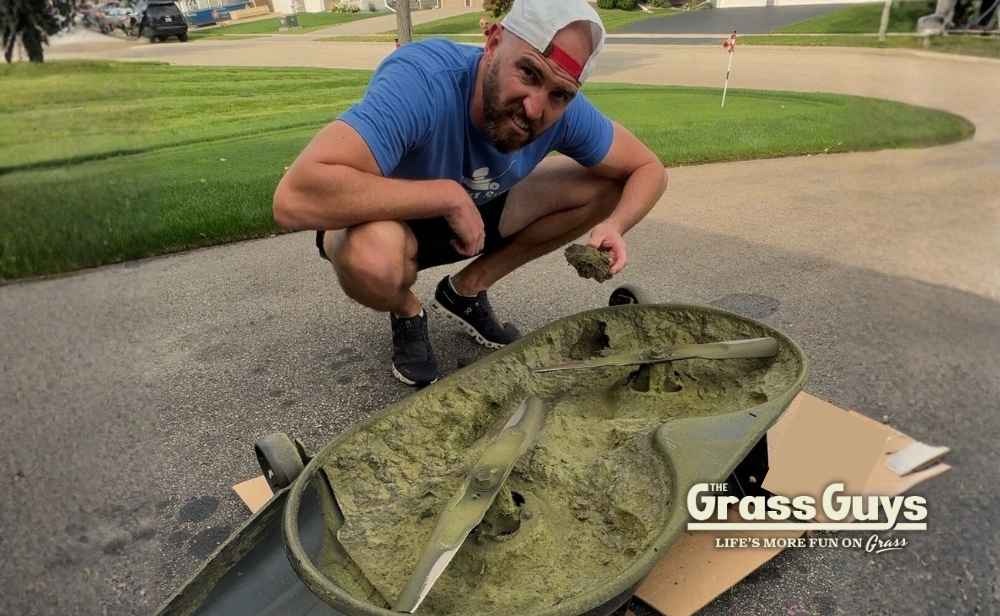
Mowing When Wet
Clumps, uneven cuts, disease risk.
Ignoring Blade Maintenance
Dull blades reduce lawn quality fast.
Mowing in Extreme Heat
Midday summer mowing increases stress.
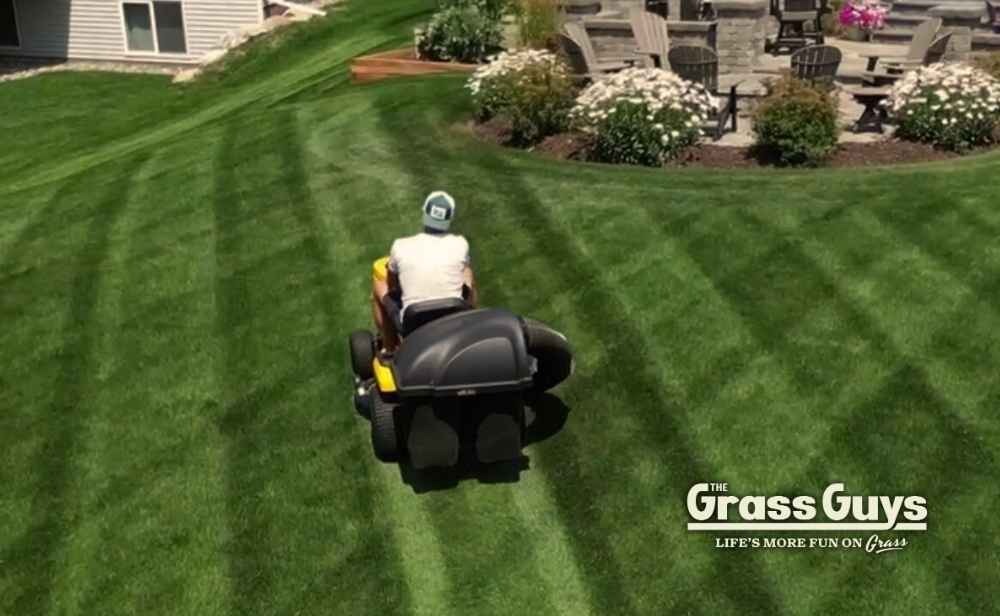
Seasonal Mowing Adjustments
Spring Mowing
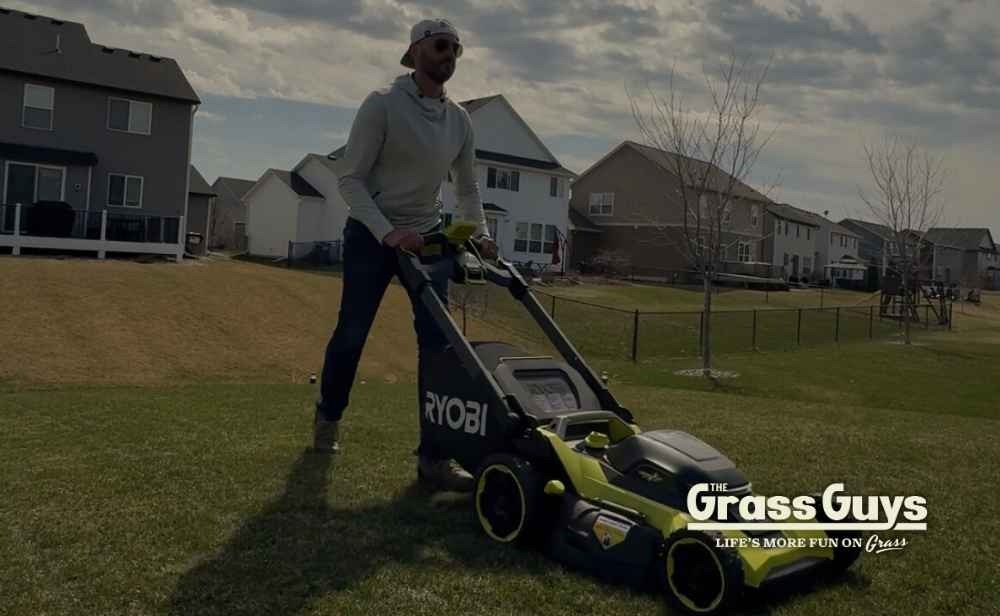
- Rapid growth
- Mow frequently
- Maintain ~3 inches
Avoid heavy nitrogen pushes if mowing becomes overwhelming.
Summer Mowing
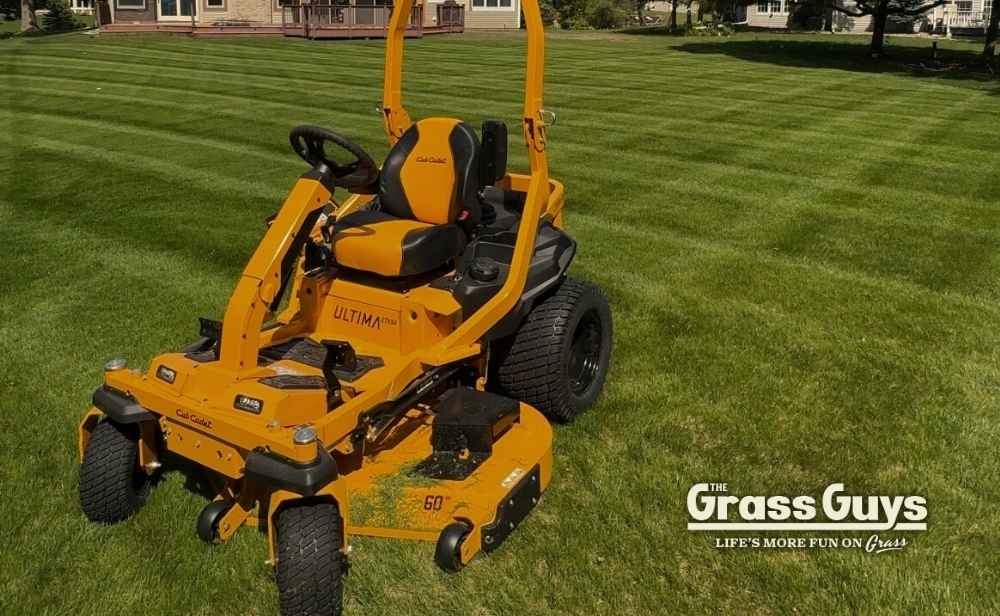
- Raise height (3.5–4 inches)
- Reduce mowing stress
- Never scalp
Your goal in summer:
Preserve your lawn versus not pushing your lawn to it's limits.
Fall Mowing
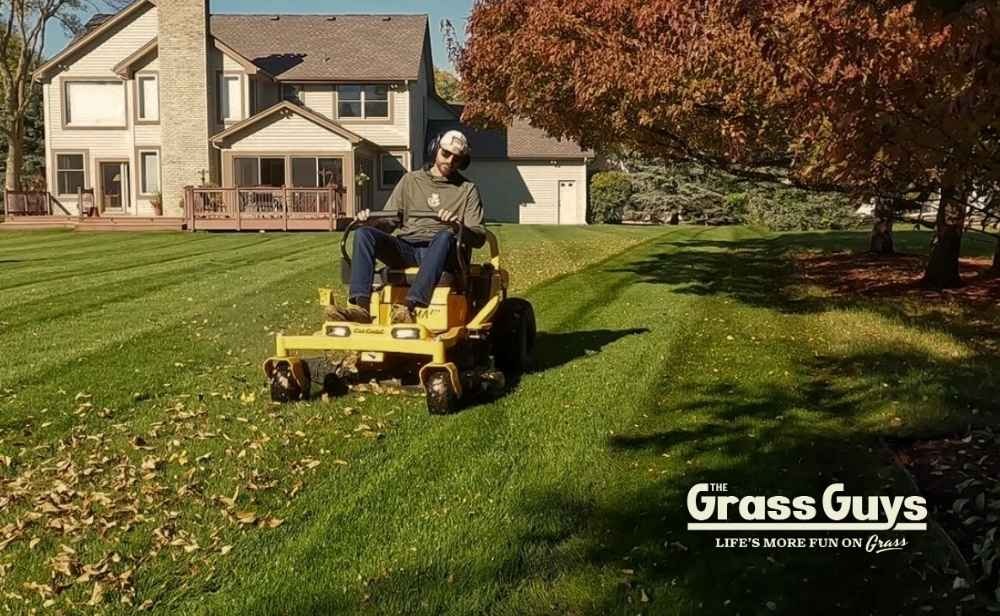
- Gradually lower slightly
- Continue mowing as long as grass grows
- Final mow slightly shorter (~2.5–3 inches)
Don’t stop mowing too early.
👉 See: Cool-Season Lawn Calendar
Mower Types: Does It Matter?
1. Push Mower
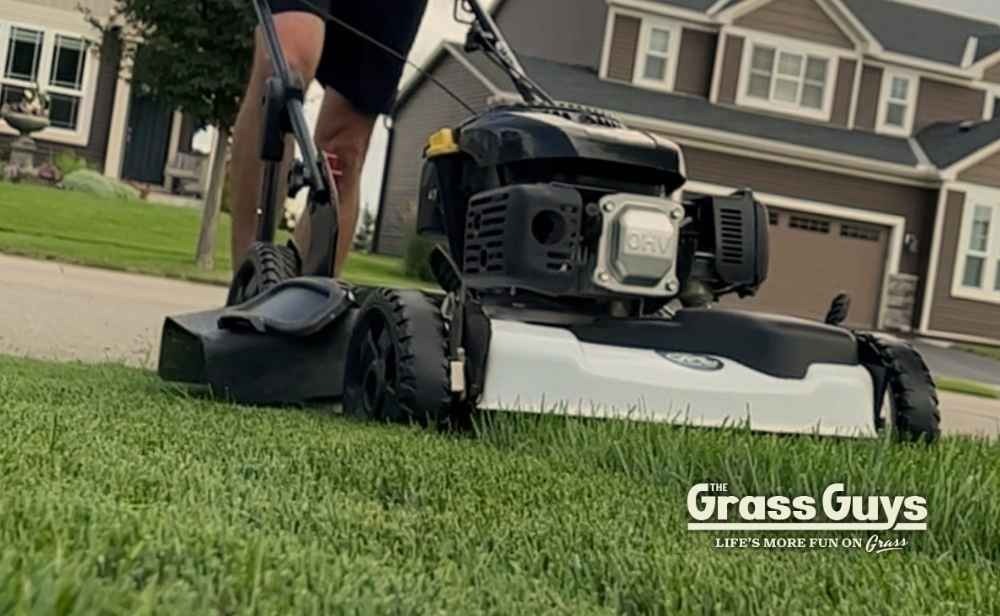
- Great for small yards
- High control
- Excellent cut quality
2. Self-Propelled
- Easier on medium yards
- Balanced performance
3. Reel Mower
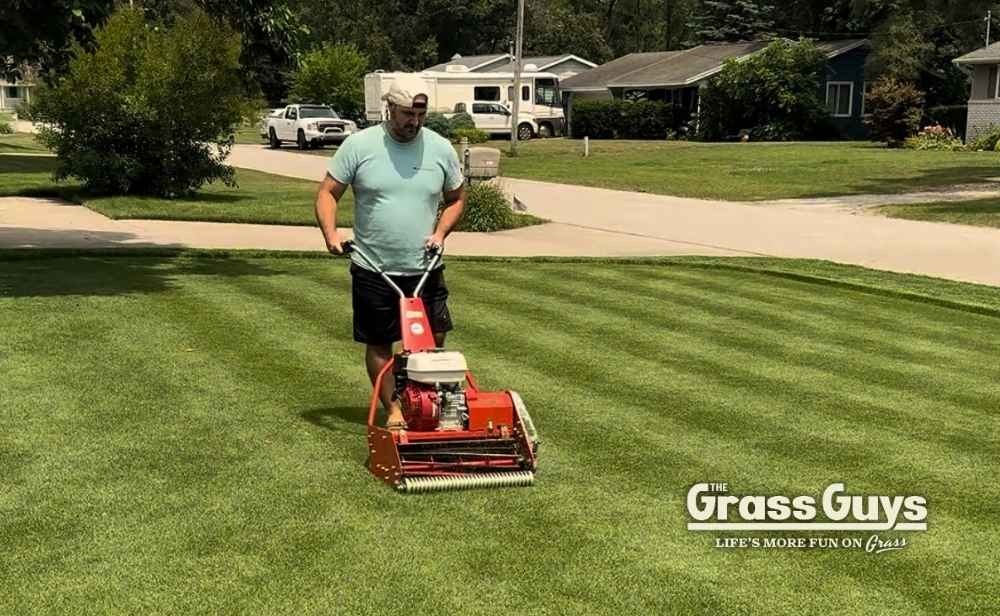
- Provides the cleanest possible cut
- Usually reserved for more advanced lawn care hobbists
- Used when shorter turf is desired
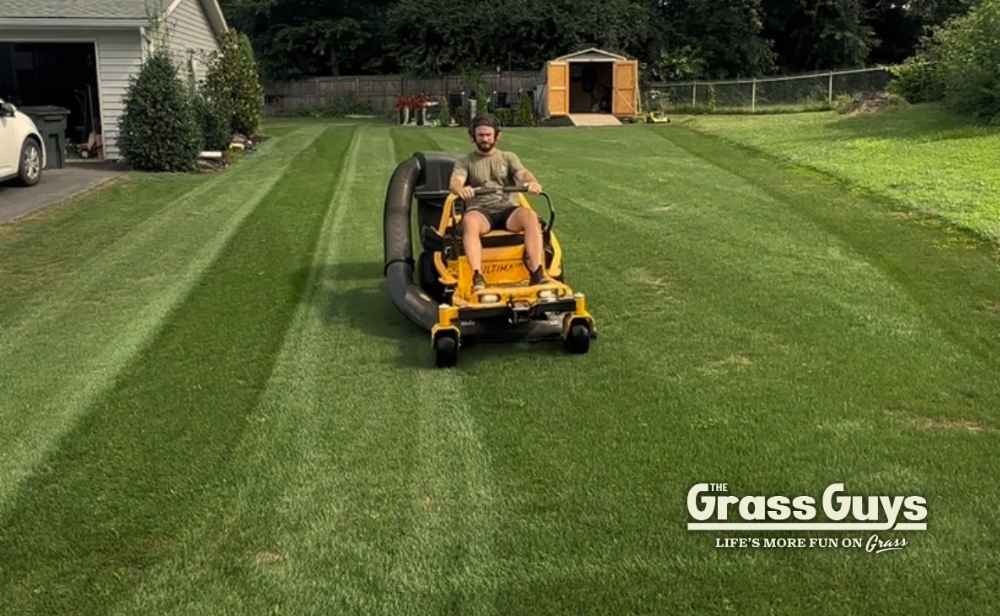
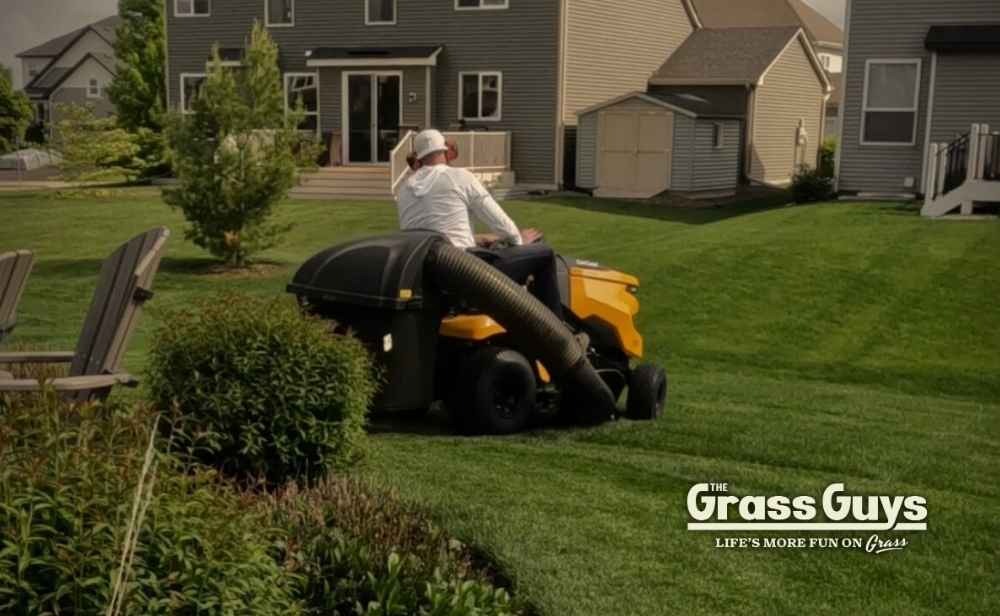
4. Riding / Zero-Turn
- Large properties
- Efficient
- Striping-friendly
The mower matters less than consistency.
A basic mower used properly beats an expensive one used poorly.
When Mowing Becomes Lawn Building
If you mow correctly for one full season, you'll notice:
- Increased density
- Improved color
- Reduced weeds
- Better stress tolerance
That’s because mowing stimulates tillering and the grass plant produces more shoots.
More shoots = thicker lawn.
Mowing is growth management.
The Mowing + Seeding Combo
Want to level up? Do this.
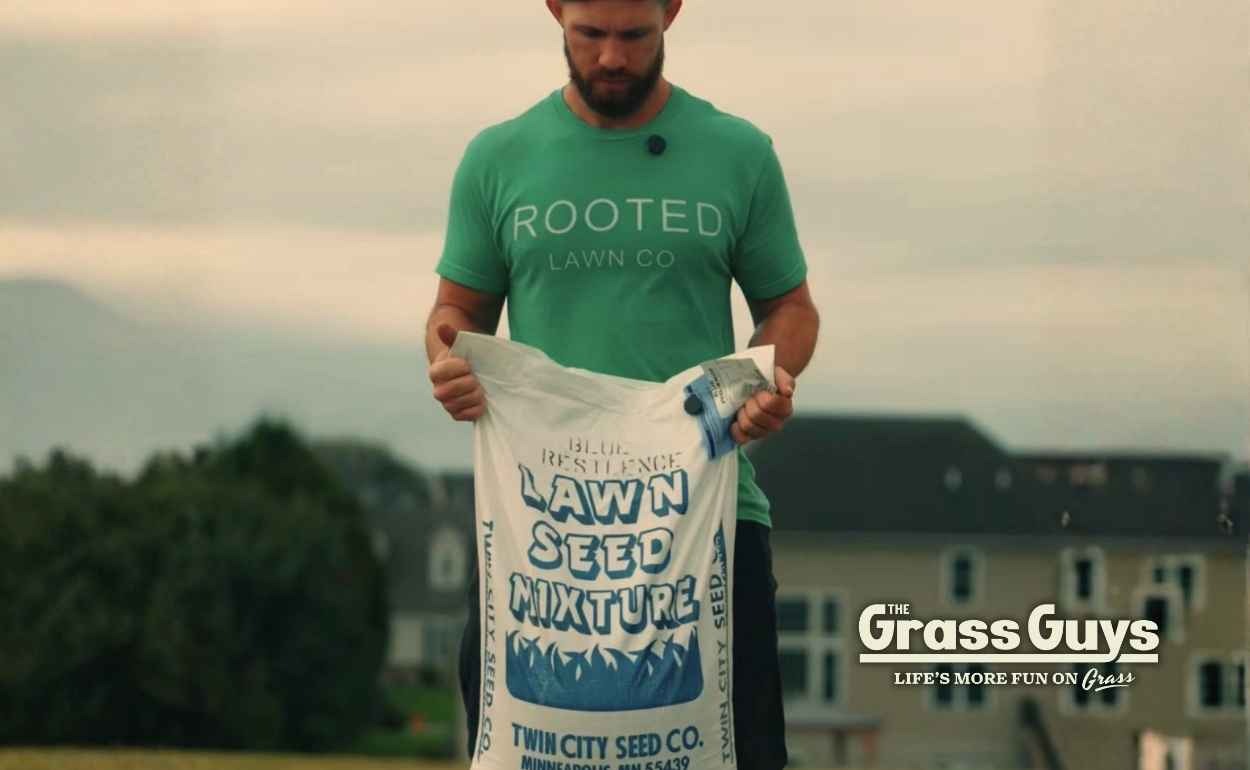
Pair smart mowing with:
- Annual fall overseeding
- Proper fertilization
- Consistent watering
👉 See: How to Overseed
👉 See: Grass Seed & Seeding Guide
That’s when lawns truly separate.
Final Thoughts
Mowing isn’t maintenance.
It’s management.
Every pass with the mower either strengthens your lawn or weakens it.
- Mow high.
- Mow consistently.
- Keep blades sharp.
- Adjust seasonally
Master mowing and you control the foundation of your lawn.
Want to Build a Thicker Lawn This Fall?
If mowing is the foundation, seed is the upgrade.
Download our free guide: 👉 What Grass is Best for Me?
It includes:
- Shade vs sun picks
- Traffic vs drought breakdowns
- Renovation recommendations
- Our top seed blends
Plus seasonal reminders so you don’t miss your window.