What Is the “Tuna Can” Test?
How to Measure Exactly How Much Water Your Lawn Is Getting
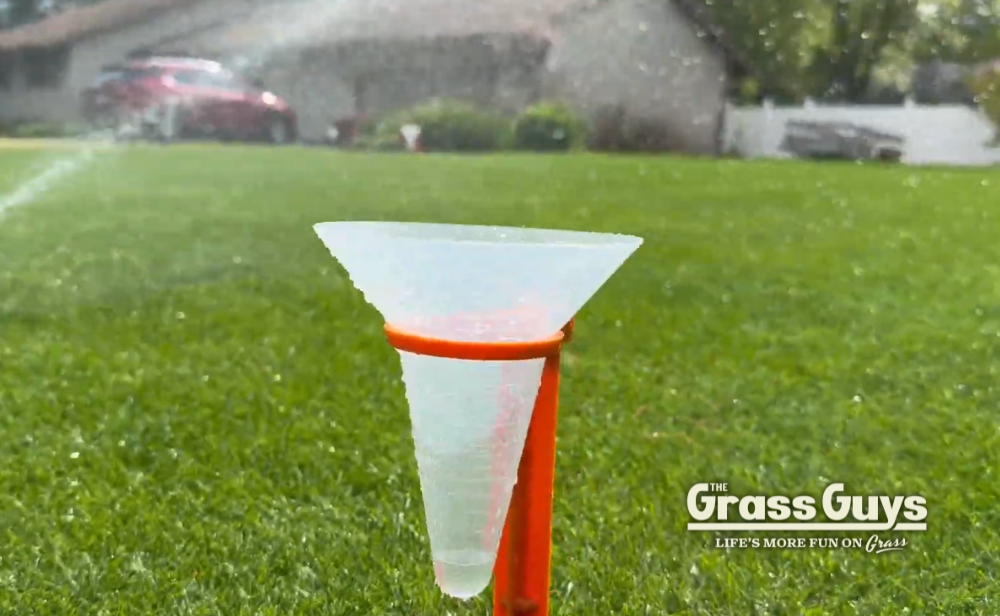
If you do not know how much water your sprinkler system is putting down, you are guessing.
And guessing usually leads to:
- Overwatering
- Underwatering
- Shallow roots
- Increased disease risk
- Wasted water
The Tuna Can Test is one of the simplest and most effective ways to measure irrigation output.
It costs nothing.
It takes 30 minutes.
And it removes the guesswork completely.
What Is the “Tuna Can” Test?
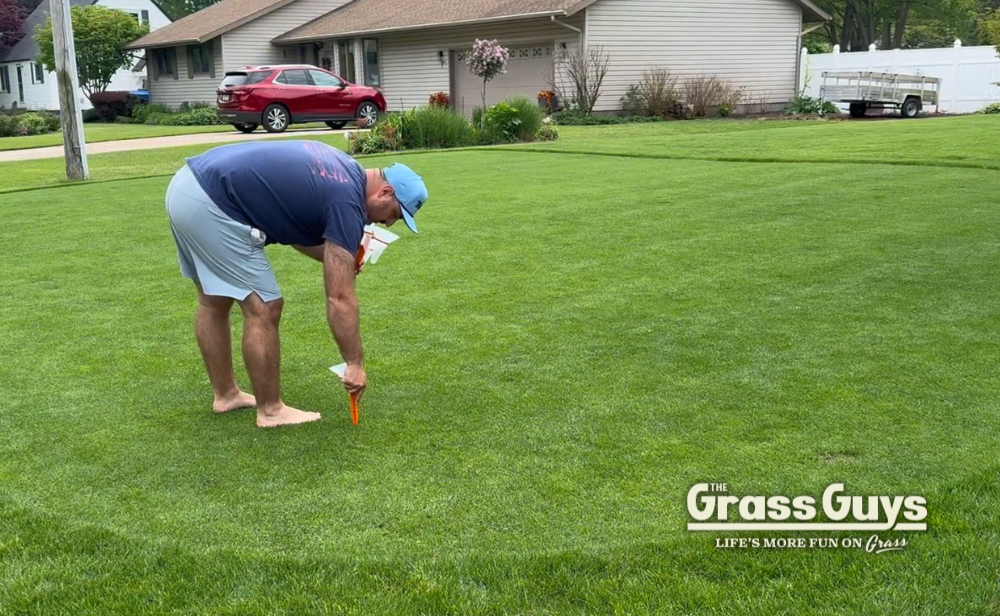
The Tuna Can Test is a simple method used to measure how much water your sprinkler system applies over a specific amount of time.
You place empty, straight-sided containers, or designed rain gauges, across your lawn and measure how much water collects during irrigation.
This tells you:
- How long it takes to apply 1 inch of water
- Whether your sprinkler coverage is even
- If certain zones are underperforming
It is simple. But it is powerful.
Why 1 Inch Matters
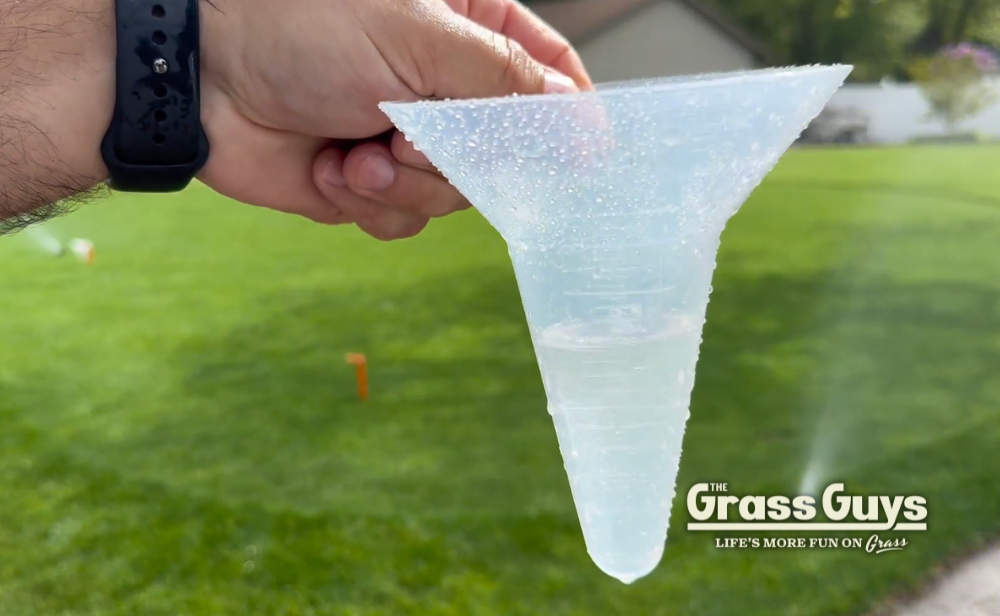
Most established cool-season lawns need:
1 to 1.5 inches of water per week, including rainfall.
If you do not measure, you may be applying:
- Too little, leading to shallow roots
- Too much, increasing disease and runoff
The Tuna Can Test helps you dial it in correctly.
👉 See: How Much Water Does My Lawn Need?
What You Need
You do not actually need tuna cans.
You need:
- 4 to 8 straight-sided containers
- A ruler
- Your sprinkler system
Straight sides matter because tapered cups distort measurements.
Empty tuna cans work well because they are uniform and shallow.
Small food cans, rain gauges, or flat-bottom containers also work.
How to Perform the Tuna Can Test
Step 1: Place Containers Around the Lawn
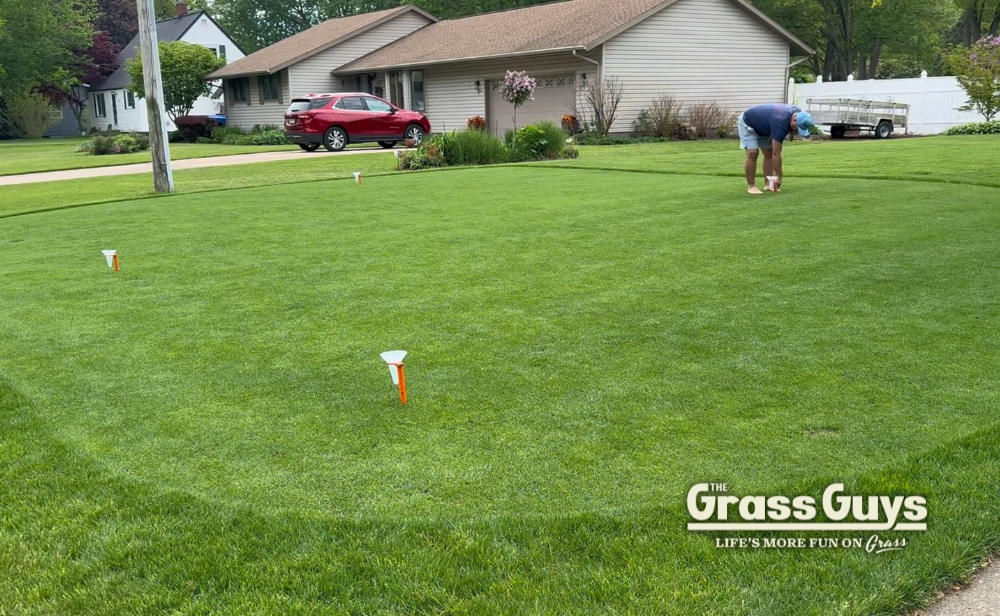
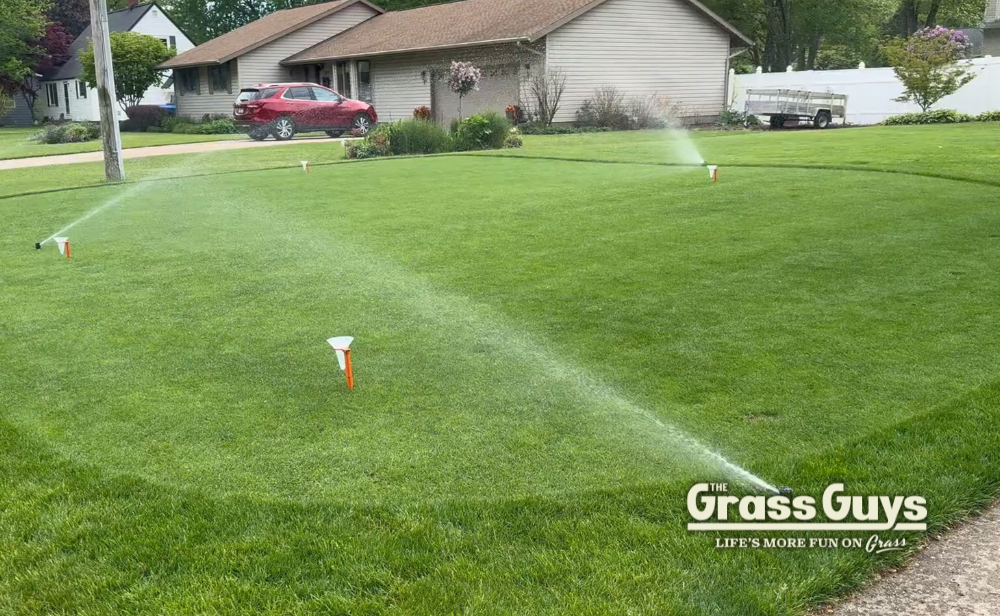
Spread them evenly across one irrigation zone.
Place them:
- Near sprinkler heads
- Mid-range
- At the farthest edges
This helps test coverage consistency.
Step 2: Run Your Sprinkler System
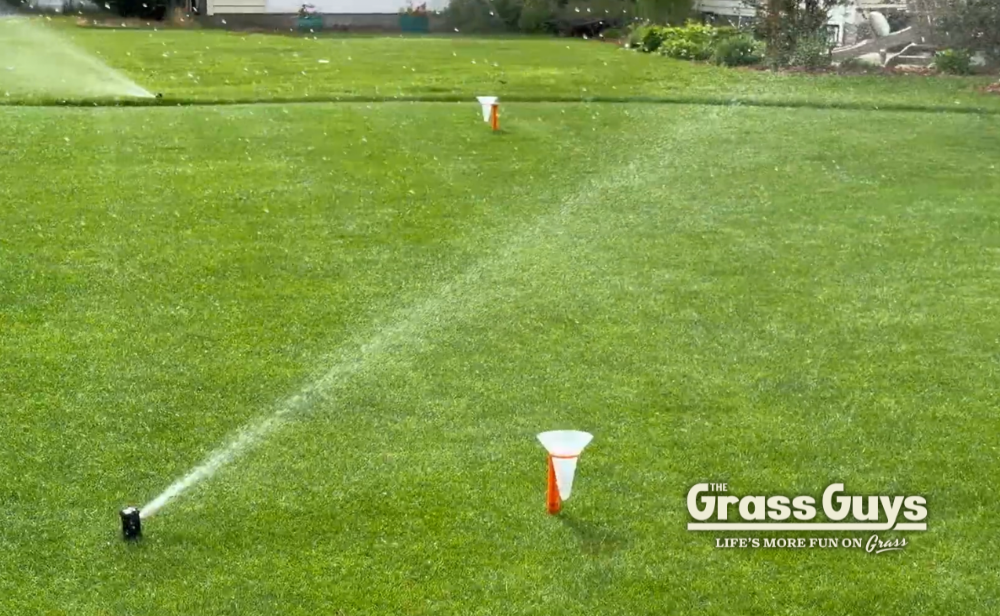
Turn on the zone and let it run for a set amount of time.
Start with 15 to 30 minutes.
Make sure you are testing a single zone at a time.
Step 3: Measure the Water Depth
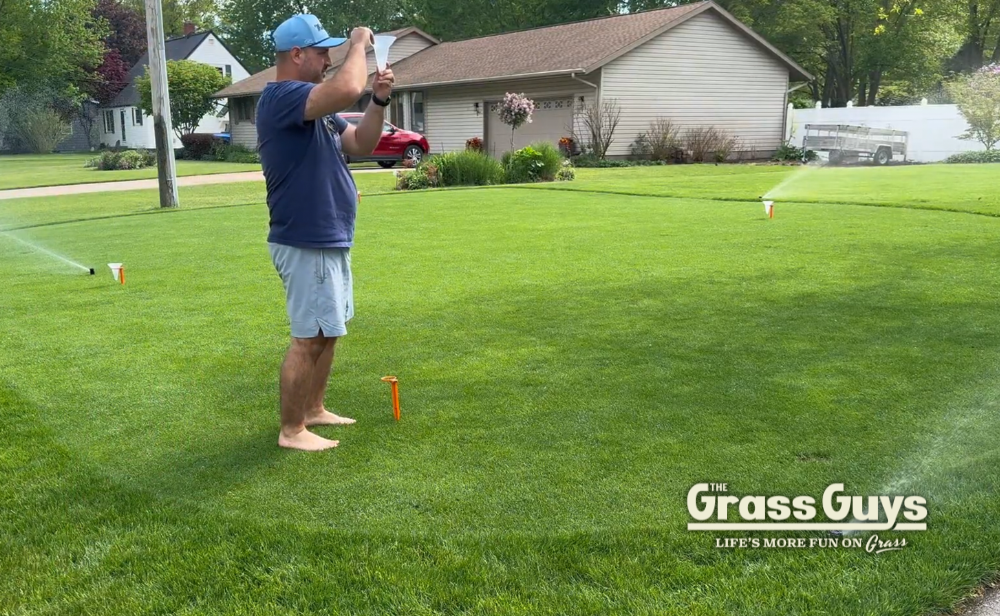
After the cycle finishes:
- Use a ruler to measure water depth in each container
- Record the measurements
If one container has 0.25 inches and another has 0.5 inches, your coverage is uneven.
Step 4: Calculate Your Runtime
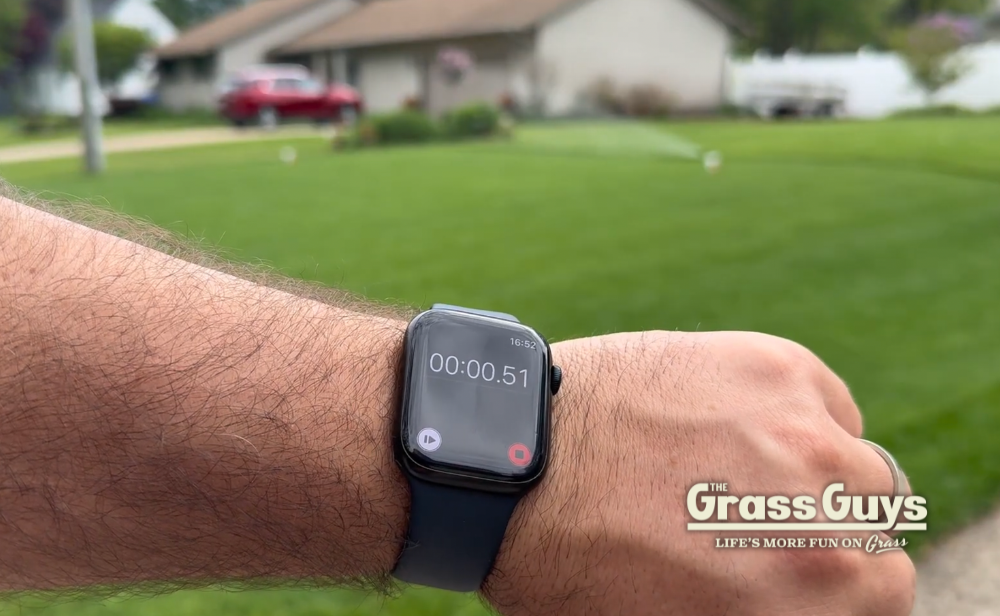
If 30 minutes produced 0.5 inches of water:
You would need 60 minutes total to reach 1 inch.
If 20 minutes produced 0.25 inches:
You would need 80 minutes for 1 inch.
Once you know this, you can program your system properly.
How Often Should You Apply 1 Inch?
For most lawns:
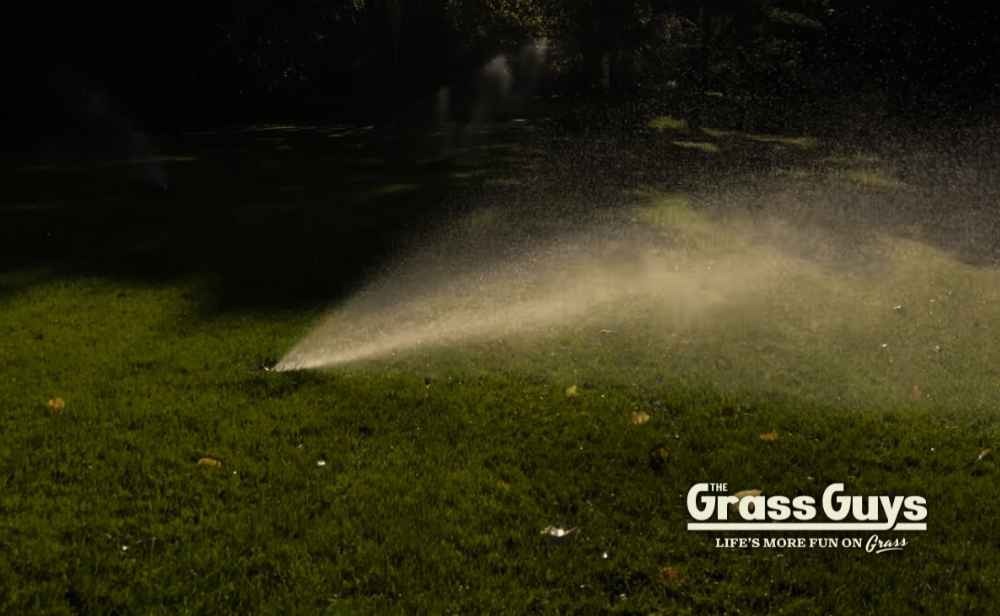
Apply 1 inch per week, split into 1 or 2 deep watering sessions.
For example:
- Two 0.5 inch waterings per week
or - One full 1 inch deep soak per week
Adjust based on soil type and weather.
What If Measurements Are Uneven?
If your cans show large differences:
- Check for clogged sprinkler heads
- Adjust spray patterns
- Check pressure levels
- Inspect for broken heads
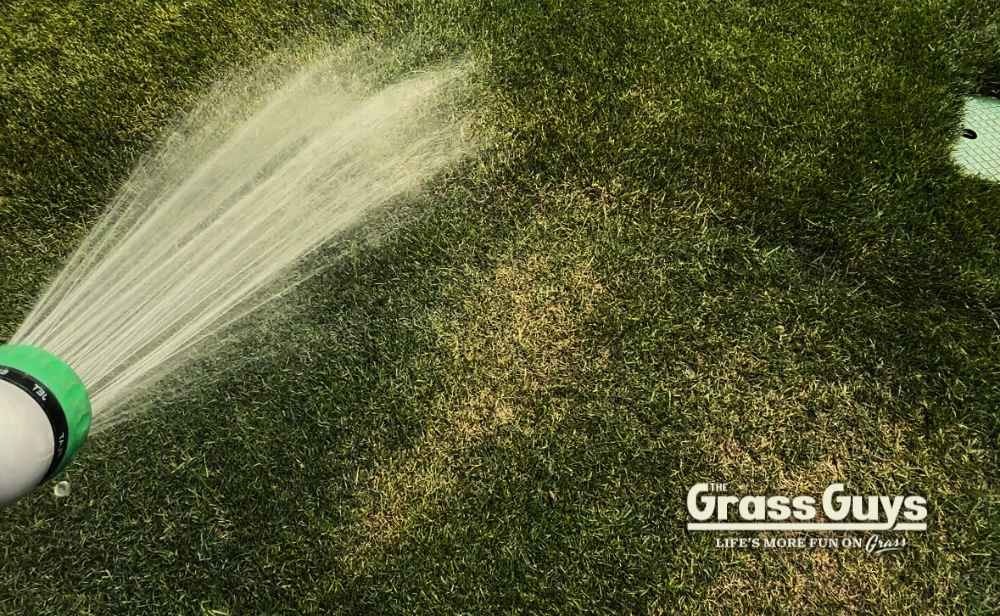
Uneven coverage leads to dry patches and wet spots.
The Tuna Can Test exposes this immediately.
How Soil Type Changes Things
Clay soil:
- May require split cycles to prevent runoff
- Apply half the water, wait, then apply the rest
Sandy soil:
- Drains quickly
- May require slightly more frequent deep watering
Knowing your application rate helps you adjust intelligently.
When Should You Perform This Test?
Run the Tuna Can Test:
- At the start of every watering season
- After adjusting sprinkler heads
- After installing a new irrigation system
- If you suspect overwatering or underwatering
Systems drift over time. Measuring once per year keeps you accurate.
Why Most Homeowners Overwater
Without measuring, most systems are set based on:
- Guesswork
- Neighbor habits
- Default factory settings
Many lawns receive 2 inches per week when they only need 1.
That leads to:
- Shallow roots
- Fungal issues
- Water waste
The Tuna Can Test eliminates the guesswork.
Final Thoughts
If you want to water properly, measure first.
The Tuna Can Test is simple.
Place containers.
Run the system.
Measure the depth.
Adjust accordingly.
Water deeply.
Water intentionally.
Avoid guessing.
A properly watered lawn starts with knowing your numbers.