Best Grass Seed for Full Sun
Cool-season grasses for Cool Season and Transition Zones

Choosing the Right Grass for Heat, Drought & Real-World Conditions
If your lawn gets 6+ hours of direct sunlight per day, you have what most homeowners think is the “easy” scenario.
But here’s the truth: Full sun lawns often struggle more than shaded lawns.
Why?
Because full sun means:
- Heat stress
- Drought pressure
- Higher evaporation
- More mowing demand
- Increased summer fatigue
The good news? All major cool-season grass types grow in full sun.
The real decision is:
Which one handles your environmental stress the best?
Let’s break it down.
Why Full Sun Lawns Fail
Full sun sounds ideal, but it creates pressure.
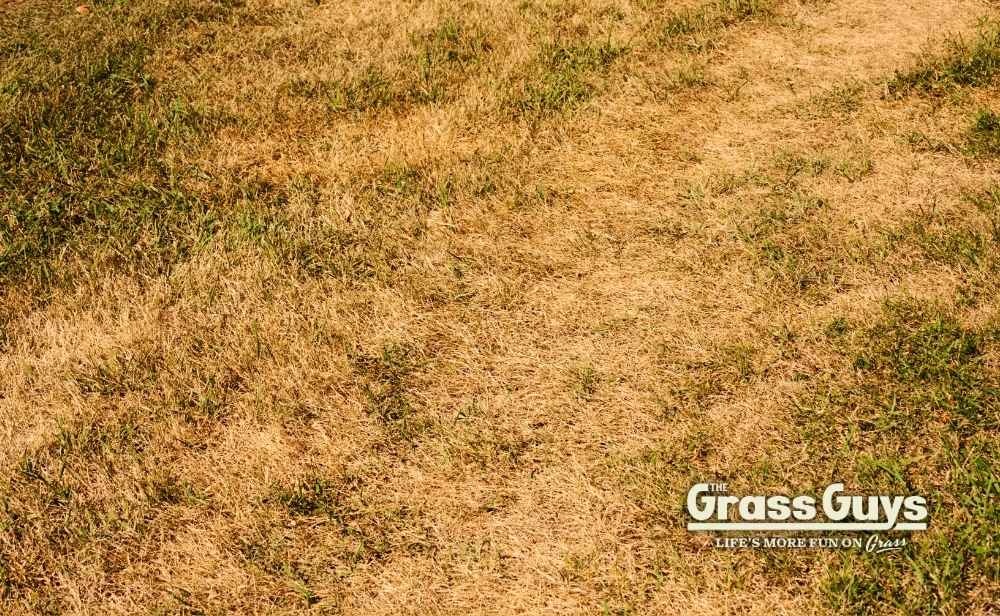
Common full sun problems:
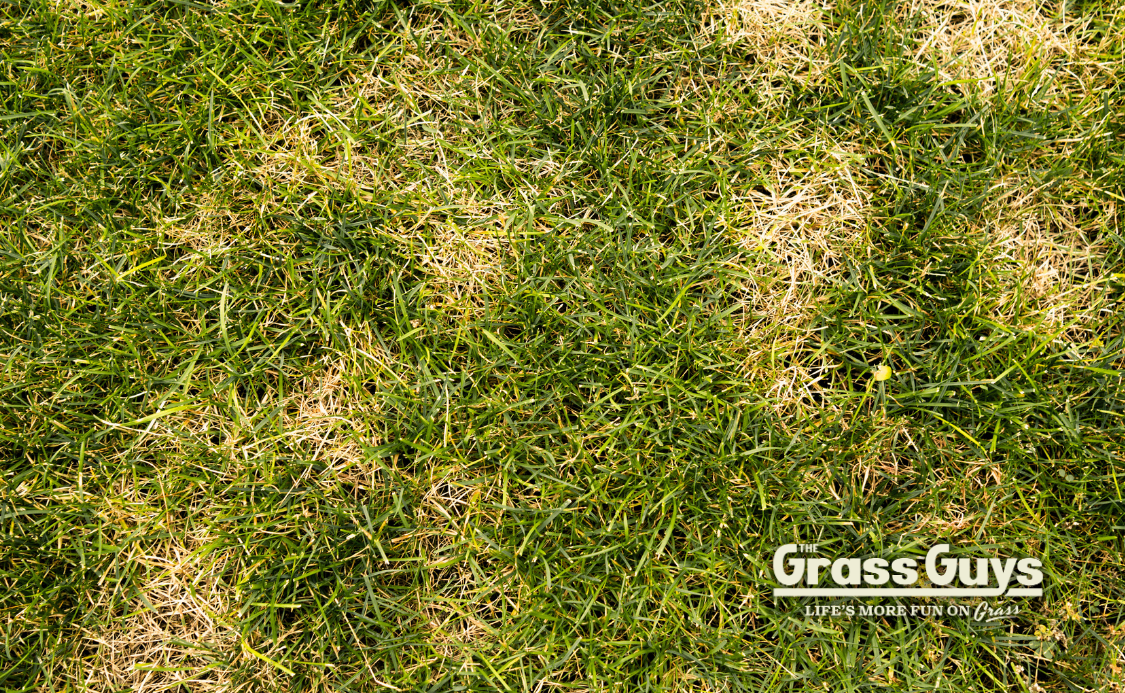
- Summer browning
- Soil drying out quickly
- Compaction in high-traffic zones
- Shallow root systems
- Overwatering cycles
Success in full sun comes down to:
Root depth + density + genetics
The Best Grass Types for Full Sun
1. Turf-Type Tall Fescue
Top performer against drought and heat.

Tall fescue is often the most reliable performer in full sun.
Why it works:
- Deep root system (when watered properly)
- Better heat tolerance
- Lower water demand than some bluegrass lawns
- Strong traffic resilience
Best for:
- Hot summers
- Southern parts of cool-season zones
- Lower irrigation budgets
- Active yards
If summer stress is your biggest issue, tall fescue is usually the safest bet.
2. Kentucky Bluegrass
Premium aesthetic and performance in full sun environments

Kentucky bluegrass thrives in full sun.
Why homeowners love it:
- Rich, dark green color
- Dense carpet-like appearance
- Spreads via rhizomes (self-repairing)
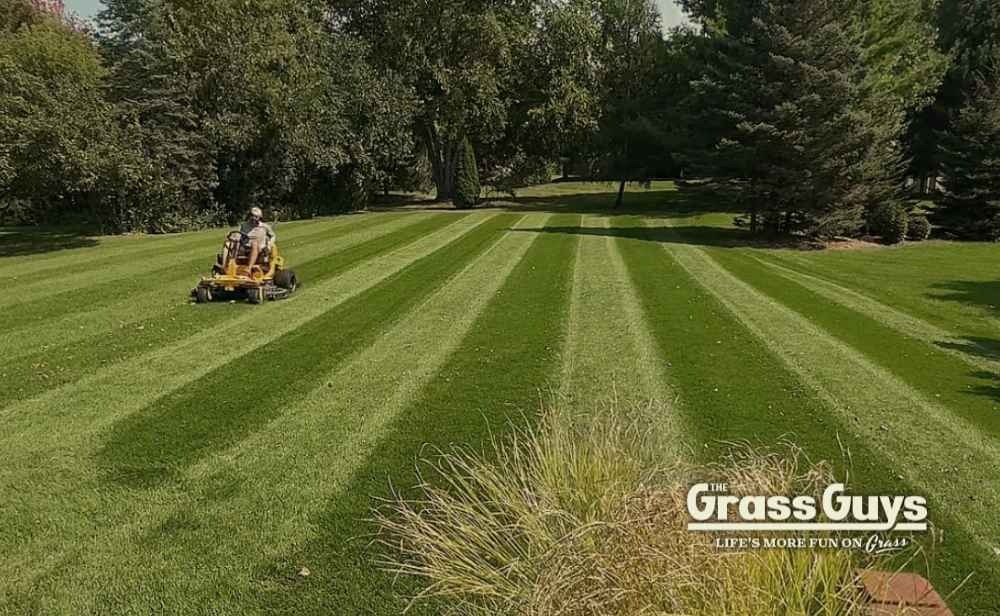
- Excellent striping potential
But here’s the catch:
Bluegrass often requires:
- More consistent watering
- More nitrogen input
- Strong summer management
Best for:
- Homeowners who want a premium look
- Lawns with irrigation
- High visual standards
If you want that “magazine lawn,” bluegrass shines in full sun.
3. Blended Sun-Dominant Mixes
Balanced Performance
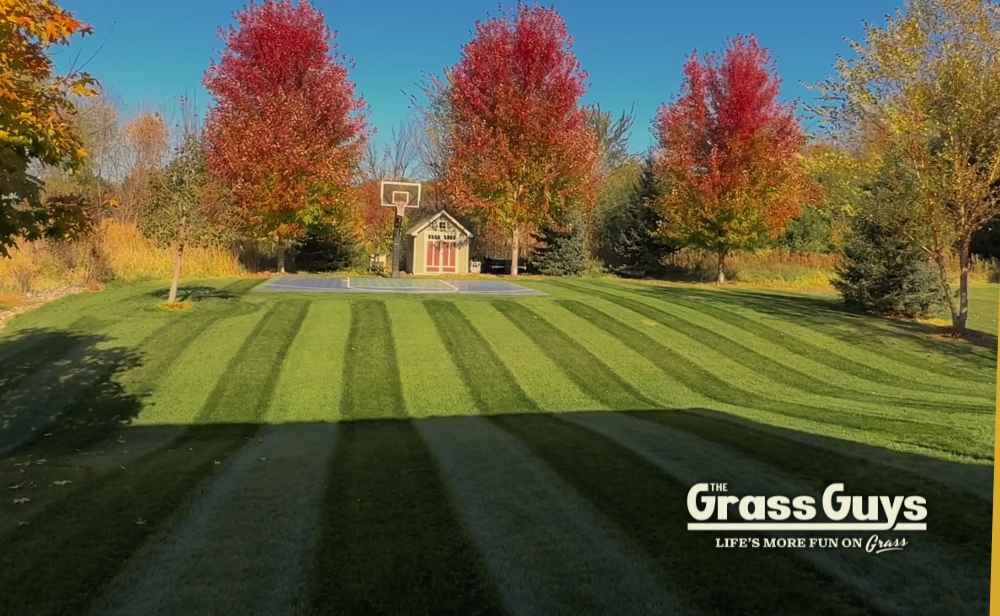
Many modern full-sun lawns use blends that combine:
- Tall fescue (heat tolerance)
- Kentucky bluegrass (density + spread)
- Ryegrass (fast germination)
Blends provide:
- Faster establishment
- Better stress diversification
- More resilience season-to-season
For most homeowners, a high-quality blend beats monoculture.
The Environmental Factors That Actually Matter
This is where most lawn guides oversimplify.
Full sun alone doesn’t determine the best grass.
You need to consider:
1. Heat Stress
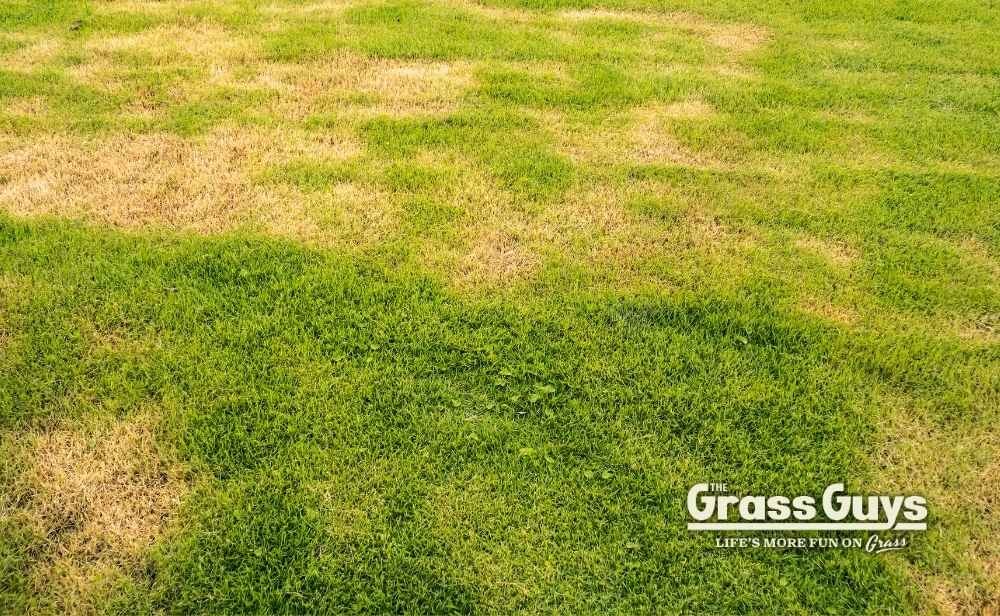
If your summers regularly hit:
- 85–95°F+
- Long heat waves
- High humidity
Tall fescue-forward blends often perform more consistently.
2. Water Availability
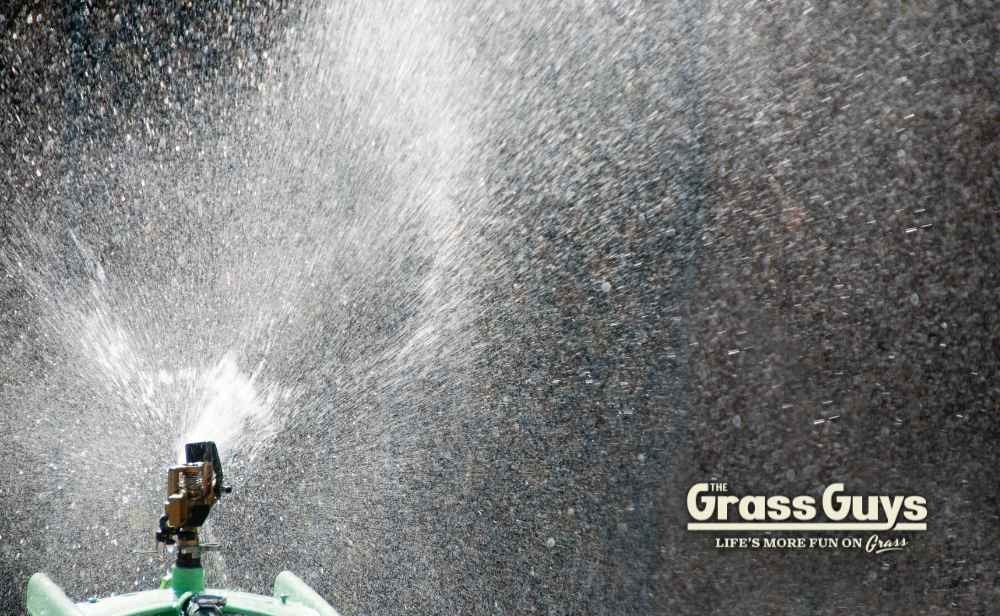
If you:
- Have irrigation → Bluegrass is viable
- Have restrictions → Lean toward water-efficient blends
- Want reduced watering → Consider water-wise / TWCA-qualified options
We link those in our free guide: "What Grass is Best for Me?"
3. Traffic & Activity

Full sun + kids + pets = wear.
Tall fescue blends typically handle this best.
4. Maintenance Level
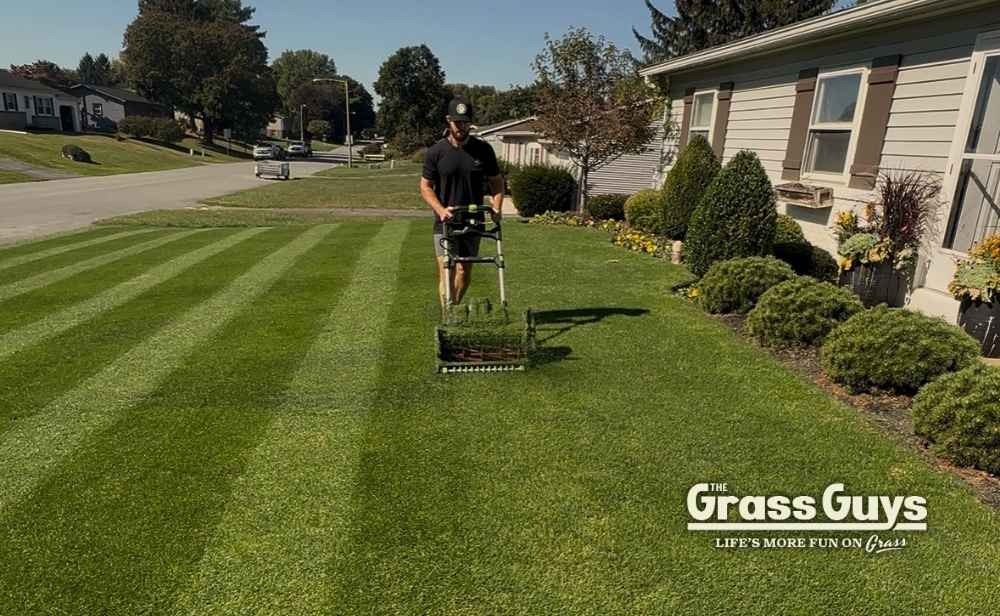
Be honest. Do you want:
- A premium, higher-input lawn? → Kentucky Bluegrass dominant blend
- A durable, lower-input lawn? → Tall Fescue dominant blend
Full sun gives you options, your lifestyle determines the best one.
When to Seed Full Sun Lawns
Timing still matters.
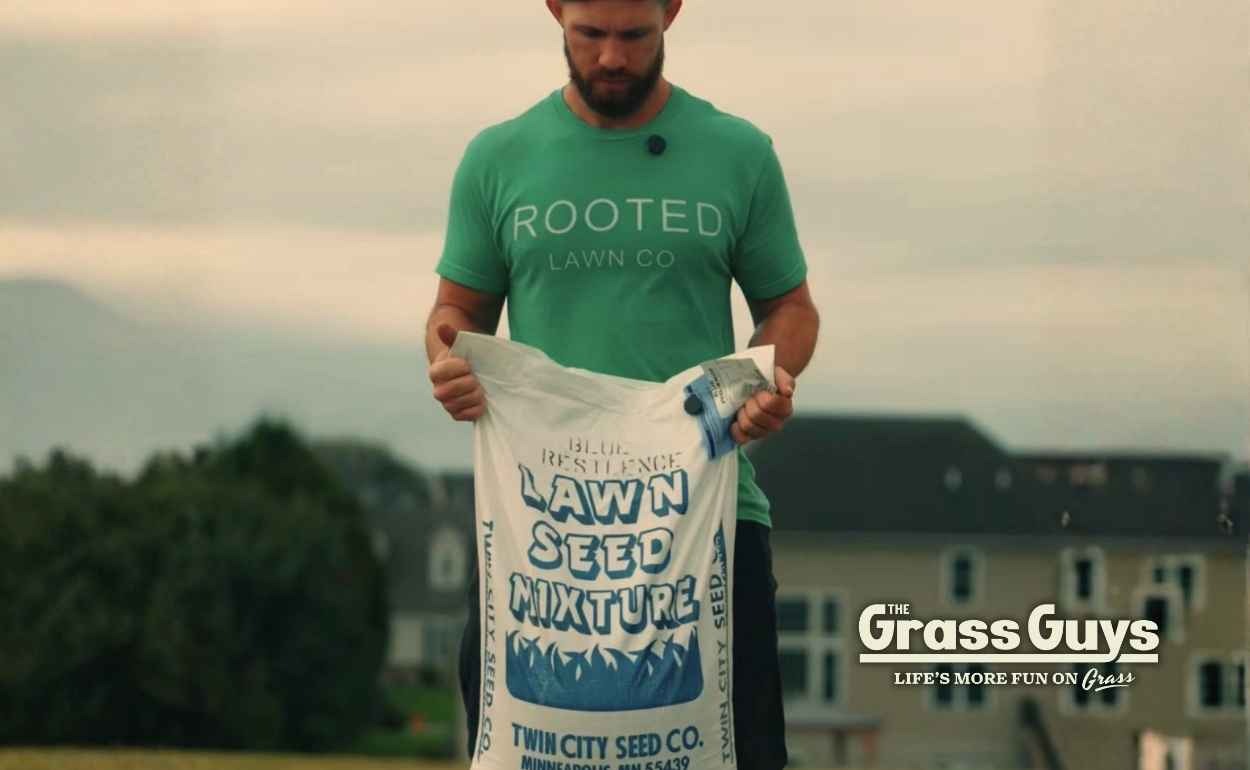
Best Time: Early Fall
Why fall wins:
- Warm soil
- Cooler air
- Reduced weed competition
- Strong root development before summer
Fall seeding dramatically improves next year’s drought performance.
👉 See: Cool-Season Lawn Calendar
👉 Deep Dive: How to Overseed Properly
How Much Seed Do You Need?
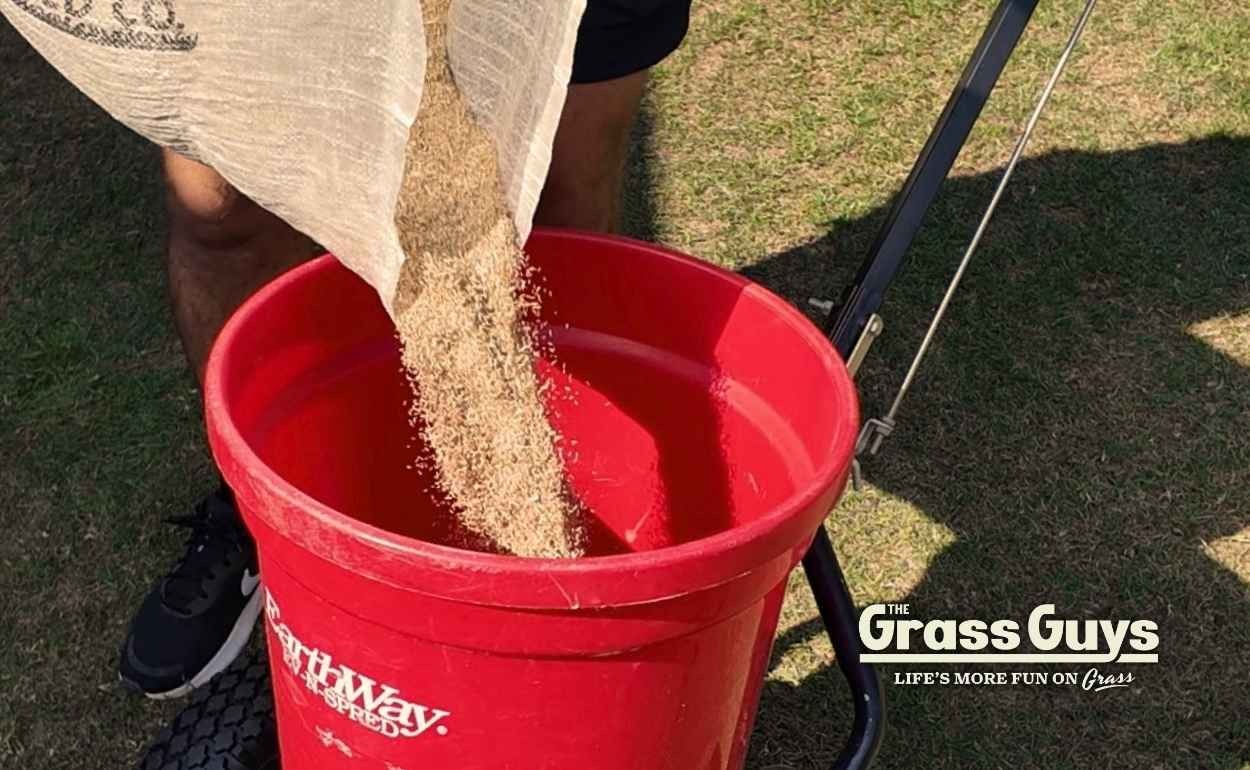
General guidelines:
Overseeding:
- 3–6 lbs per 1,000 sq ft
New lawn:
- 6–10 lbs per 1,000 sq ft
Always follow your blend’s label.
👉 Deep Dive: Grass Seeding Rates: How Much Seed Do I Need?
Recommended Full-Sun Seed Blends
Below are the blends we recommend depending on your priorities.
1. Best Overall Full Sun Performer
Twin City Seed | Resilience II Turf-Type Tall Fescue Seed Mix
- Top-rated NTEP performance: Scores of 6.6+ in turf quality, color, and traffic tolerance
- Rhizomatous tall fescue: Spreads laterally via rhizomes and tillering for a dense, self-repairing turf
- Drought & shade resistant: Outperforms Kentucky bluegrass in tough conditions
- Exceptional purity: Among the cleanest, most weed-free seed on the market
- Adapted to cool-season and transition zones: Ideal for climates in the Midwest, Northeast, Pacific Northwest, and upper South
2. Best Premium Look for Full Sun & Irrigation
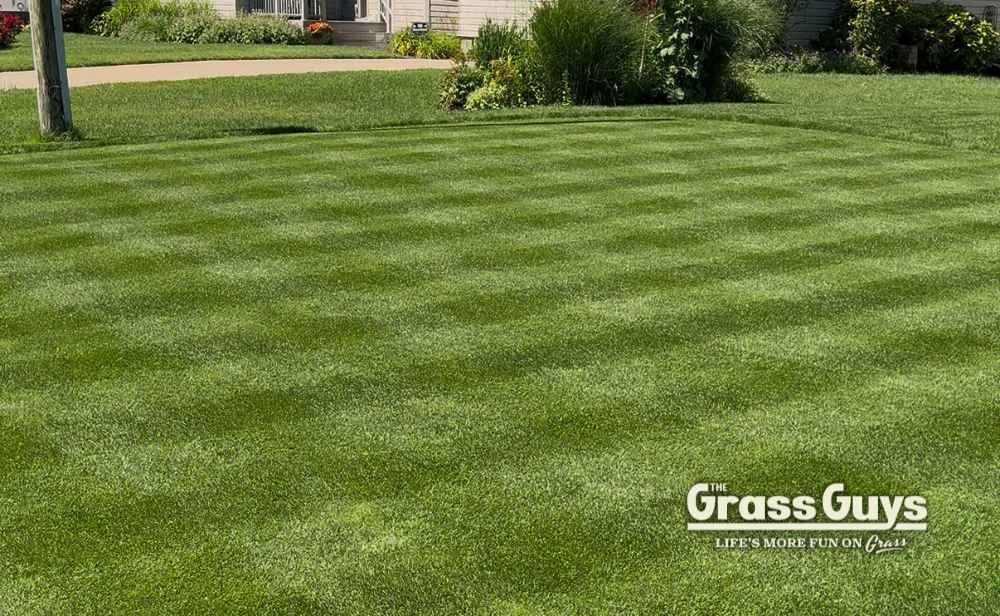
Twin City Seed | Blue Resilience Turf-Type Tall Fescue & Kentucky Bluegrass Mix
- Elite tall fescue + Kentucky bluegrass combo for resilience and beauty
- Rhizomatous tall fescues for lateral spread and self-repair
- Blue Gem bluegrass improves winter survival and color retention
- Superior drought & traffic tolerance for active family lawns
- Thrives in full sun to moderate shade across diverse soil types
- Perfect for high-use areas like neighborhood play zones, dog yards, and front lawns
3. Drought-Tolerant Full Sun Option
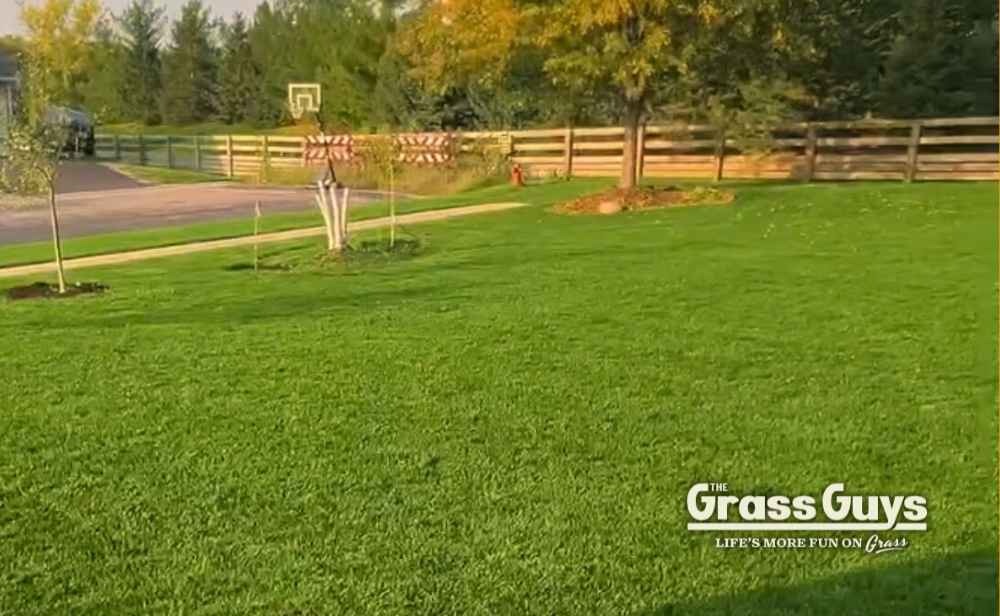
Twin City Seed | Tuff Turf Lawn Seed Mix (TWCA Certified)
- Combination of improved turf-type tall fescues with perennial ryegrass and Kentucky bluegrass.
- Excellent drought tolerance, wear tolerance, and will perform nicely in a variety of soil conditions.
- Adapts to full sun to reasonably heavy shade conditions.
- Best used where budgets dictate that input levels are low and in fact low levels of input are preferred.
- Proudly approved by the Turfgrass Water Conservation Alliance.
Shop Tuff Turf Seed Mixture Here
Want Our Personalized Picks?
If you’re unsure which full-sun direction fits your lawn:
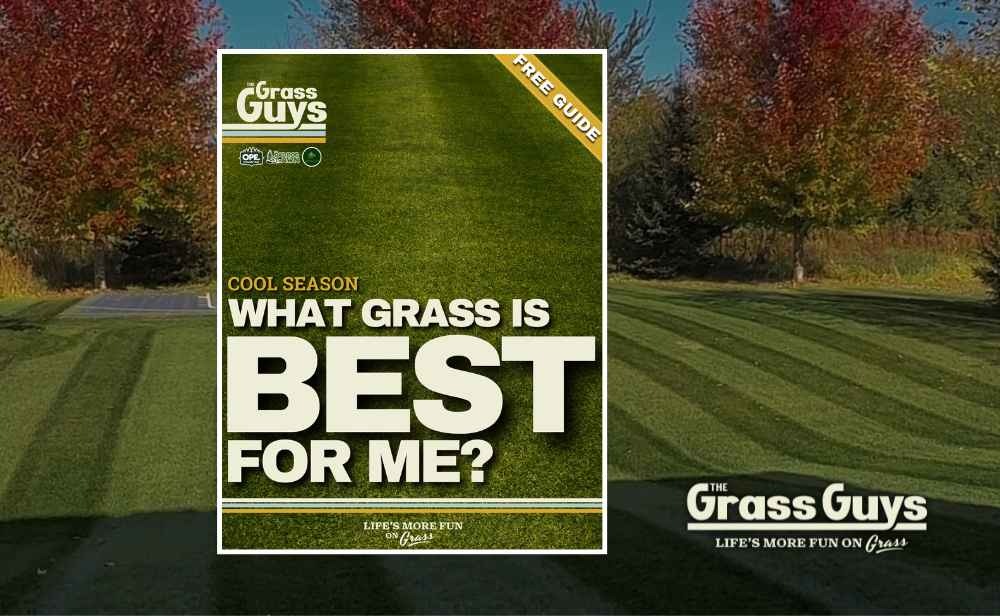
👉 Download our free guide: What Grass is Best for Me?
It gives you:
- Our exact seed recommendations
- Sun vs shade picks
- Drought vs traffic breakdowns
- Maintenance-level comparisons
Plus seasonal lawn reminders.
Common Full-Sun Mistakes
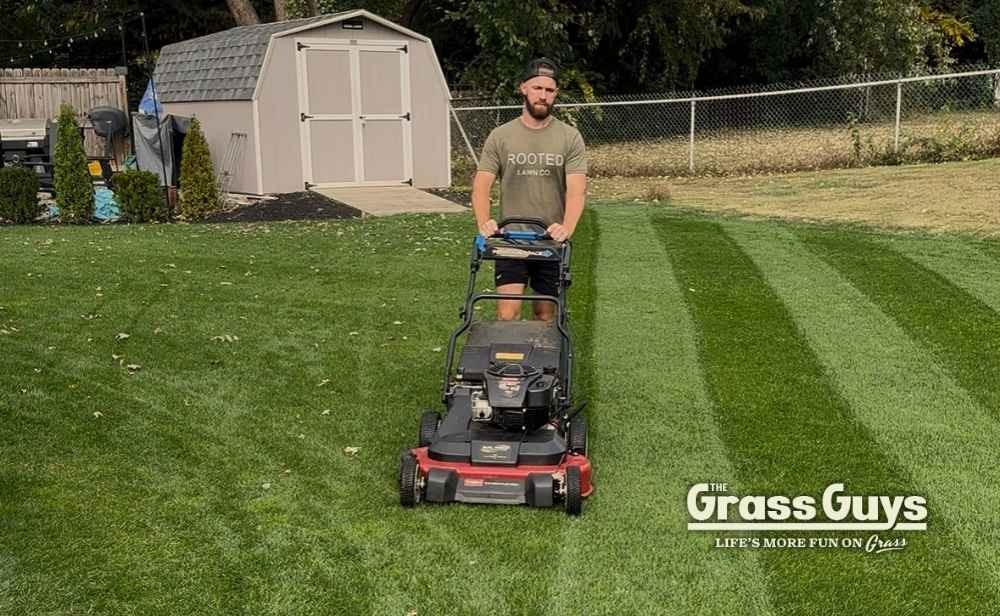
Avoid these and your lawn improves fast:
- Cutting too short in summer
- Over-fertilizing in heat
- Watering daily but shallow
- Seeding too late in fall
- Using shade-heavy blends in full sun
Full sun lawns thrive when managed correctly, not aggressively.
Where to Go Next
- 👉 Best Grass for Shade
- 👉 Best Grass for High Traffic & Pets
- 👉 Best Grass for Drought
- 👉 Grass Seed & Seeding Guide
Final Thoughts
Full sun isn’t the problem.
Misalignment between grass type and environment is. All cool-season grasses can thrive in full sun.
The real question is:
- Do you want premium look?
- Maximum drought tolerance?
- Traffic durability?
- Lower water input?
Choose based on stress, not just sunlight.
Seed smart. Time it right. Stay consistent.
Your lawn will separate itself.