Best Grass for Shade
Cool-season grasses for cool season and transition zones
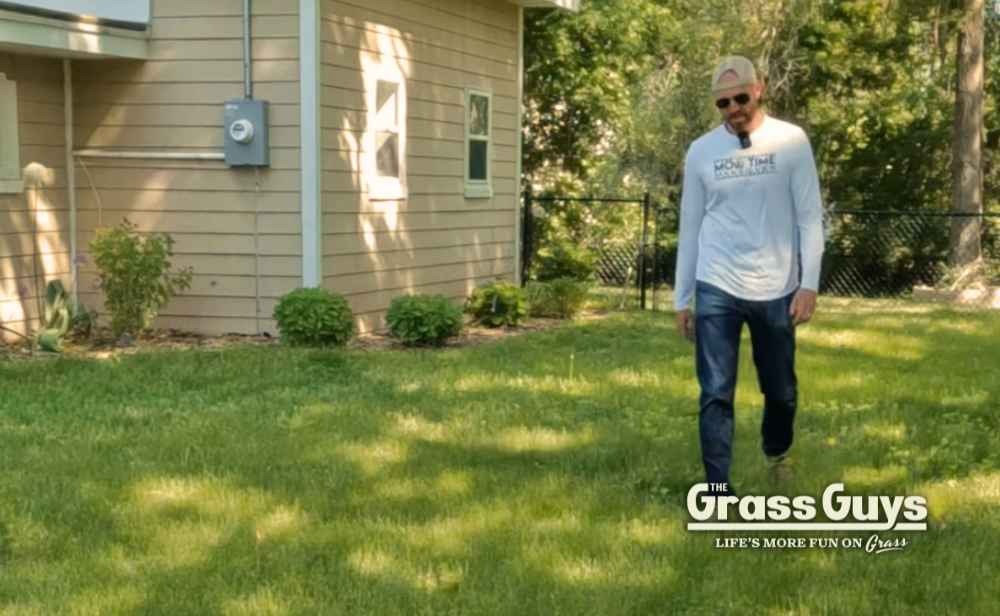
What Actually Grows Under Trees and What Doesn’t
If you’ve tried to grow grass in shade, you already know:
It’s different.
What works in full sun often struggles under:
- Mature trees
- North-facing yards
- Fences and houses
- Dense backyard canopies
The biggest mistake homeowners make?
Using the wrong seed.
Let’s fix that.
This guide covers:
- The best grass types for shade
- What to avoid
- How much sun grass really needs
- Overseeding strategies
- Our recommended shade blends
If your lawn struggles in low light, this is where to start.
Why Grass Struggles in Shade
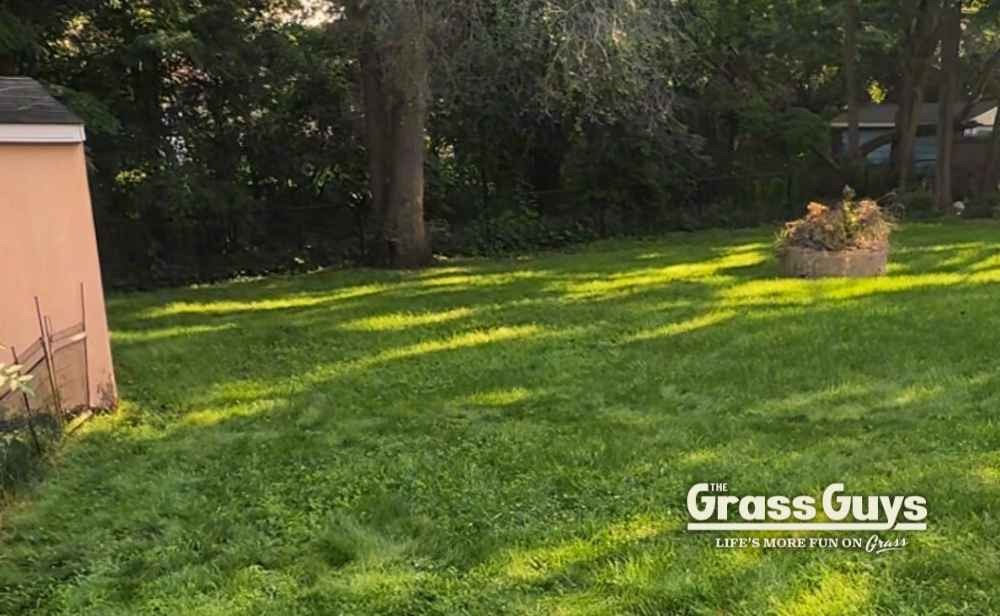
Grass needs sunlight for photosynthesis.
Less sunlight means:
- Slower growth
- Thinner turf
- Weaker roots
- Increased disease risk
Add in:
- Tree root competition
- Reduced airflow
- Soil dryness
And shade becomes one of the toughest lawn environments.
The solution isn’t more fertilizer.
It’s the right grass.
Best Grass Type for Shade: Fine Fescue
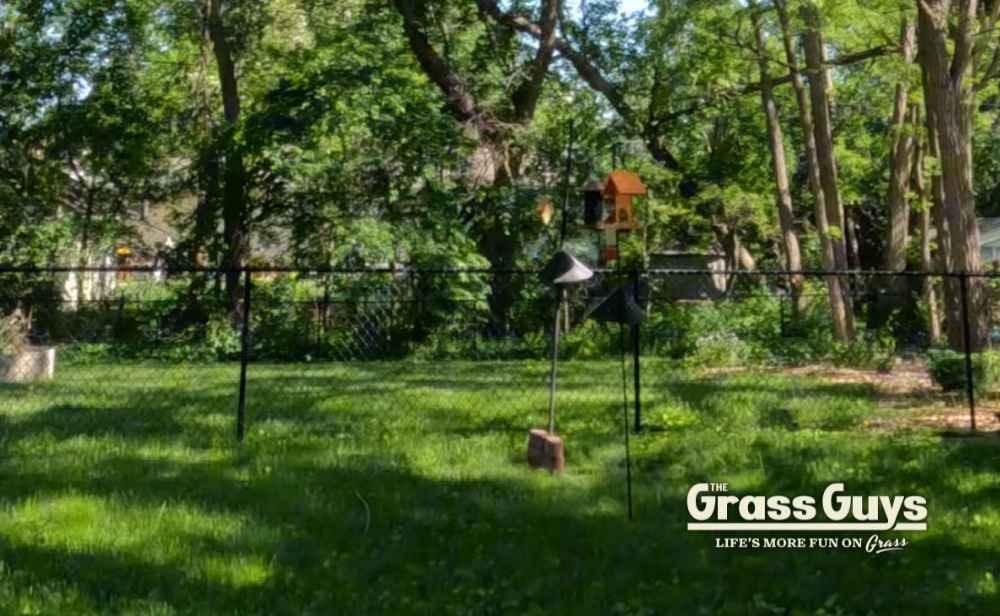
If you remember one thing from this article, remember this:
Fine fescue dominates in shade.
Fine fescue includes:
- Creeping red fescue
- Chewings fescue
- Hard fescue
Why Fine Fescue Wins in Shade
- Very thin blades require less sunlight
- Lower fertilizer demand
- Performs well in cooler soil
- Handles partial to moderate shade extremely well
Fine fescue is built for:
- Tree-lined yards
- Woodland properties
- North-facing lawns
If your yard gets 3–4 hours of filtered light, fine fescue is your best bet.
Second Option: Shade-Heavy Seed Blends
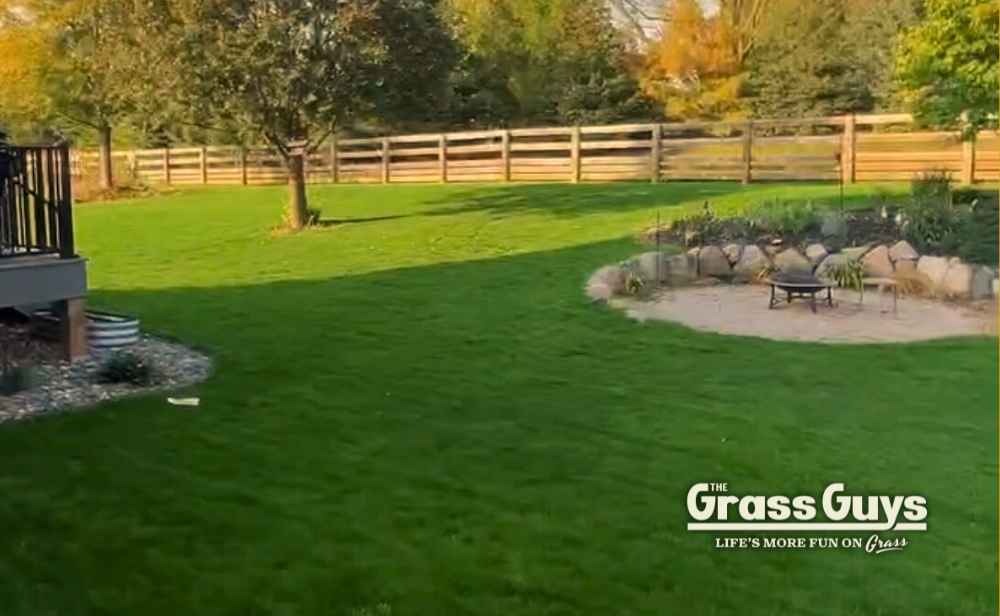
Most homeowners don’t seed with one single grass.
They use blends.
A quality shade blend typically contains:
- 50–70% fine fescue
- Some perennial ryegrass
- Occasionally a small percentage of Kentucky bluegrass
Blends work because they:
- Germinate faster
- Fill in quicker
- Provide resilience
If you want the safest bet for shaded cool-season lawns:
👉 See: Our top Shade Tolerant Grass Seed Blend
Tall Fescue for Light to Moderate Shade
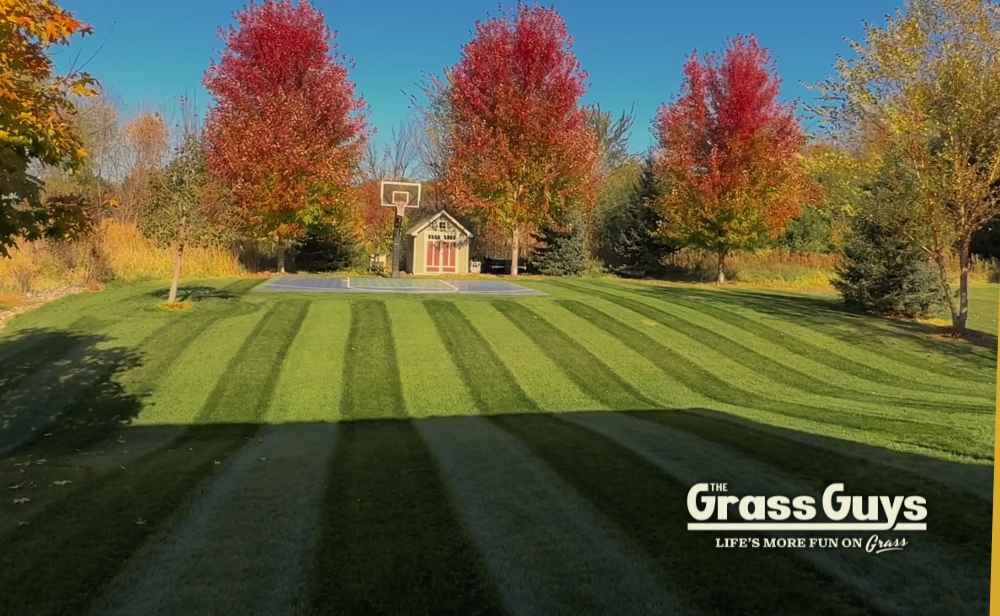
Tall fescue can handle:
- Low to moderate shade
- 4–6 hours of sun
- Drier soil conditions
But it’s not ideal for deep shade.
If your lawn gets filtered afternoon sun, turf-type tall fescue blends can work well.
If it gets only 2–3 hours of light?
Fine fescue is stronger.
👉 See: Our top Sun & Shade Grass Seed Blend
What to Avoid in Shade
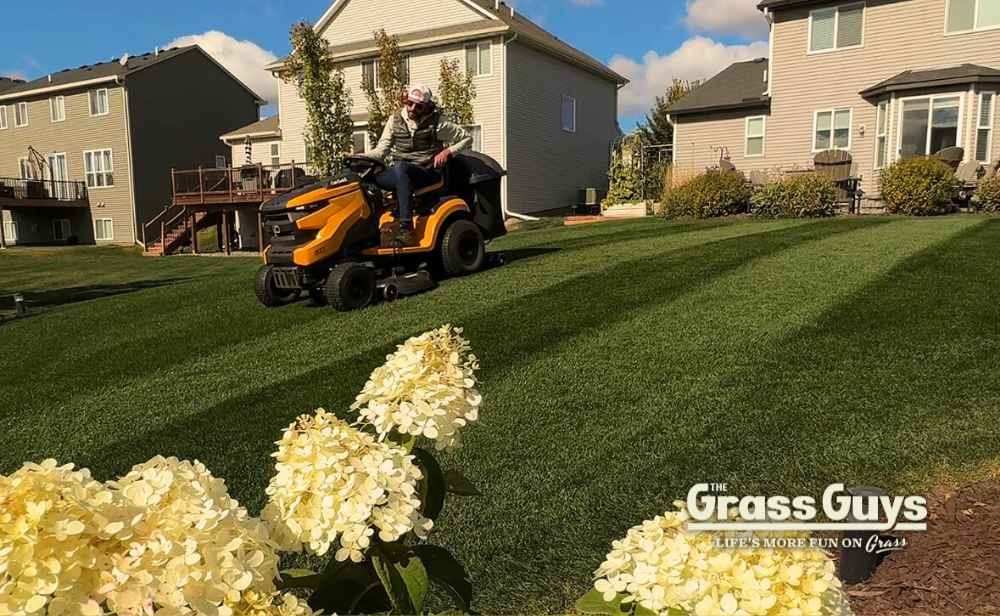
Kentucky Bluegrass
- Needs more sunlight
- Struggles under dense trees
- Thins quickly in low light
It works in partial sun.
But in heavy shade, it declines fast.
How Much Sun Does Grass Actually Need?
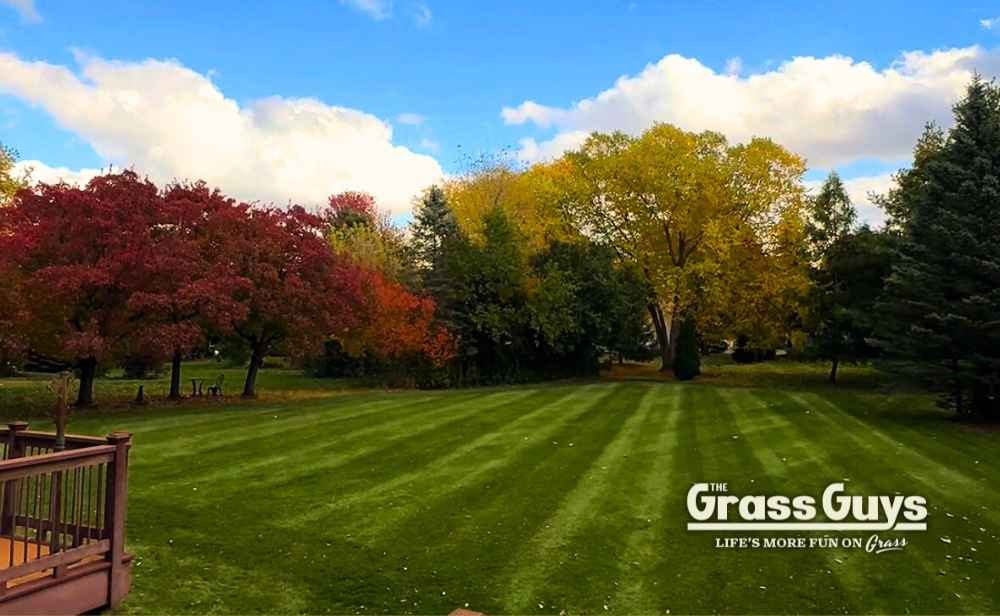
Here’s a realistic breakdown:
- 6+ hours direct sun → Most cool-season grasses thrive
- 4–6 hours → Use shade-tolerant blends
- 3–4 hours filtered light → Fine fescue dominant
- Under 3 hours → Grass may not be the best solution
Sometimes trimming trees improves more than reseeding does.
Be honest about your light conditions.
When to Seed in Shade
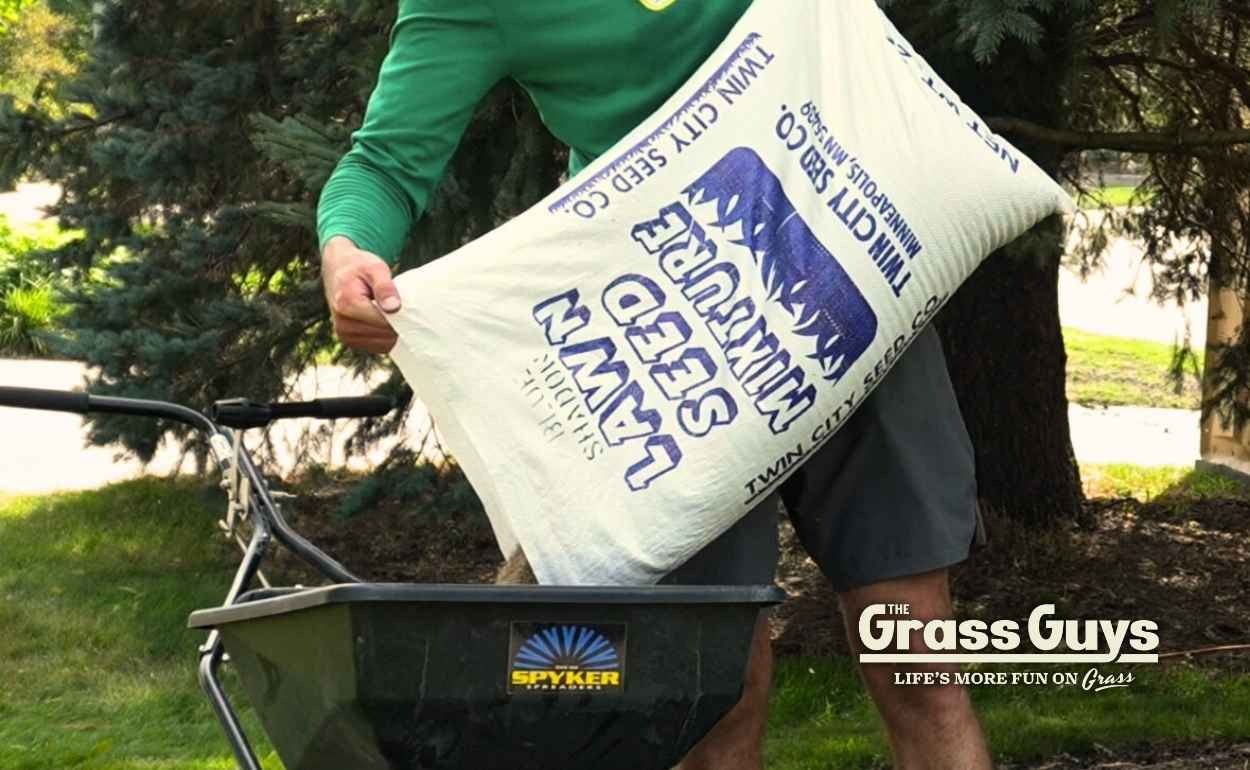
Timing matters even more in low light.
Best Time: Early Fall
Why?
- Soil temps are warm
- Air temps are cooler
- Less competition from weeds
- Ideal germination window
Shade lawns need maximum establishment time before winter.
👉 See: Cool-Season Lawn Calendar
👉 Deep Dive: How to Overseed Properly
How to Overseed in Shade Successfully
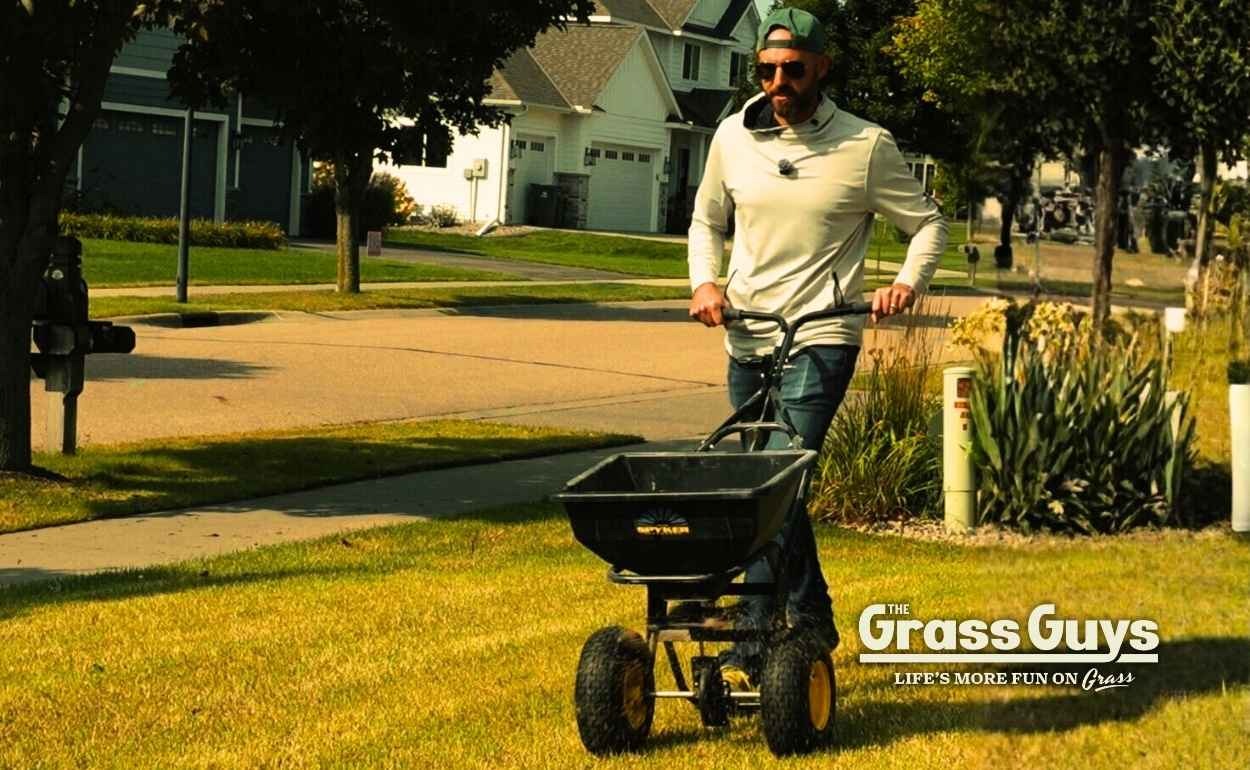
Shade lawns require a little extra care.
Here’s the simplified formula:
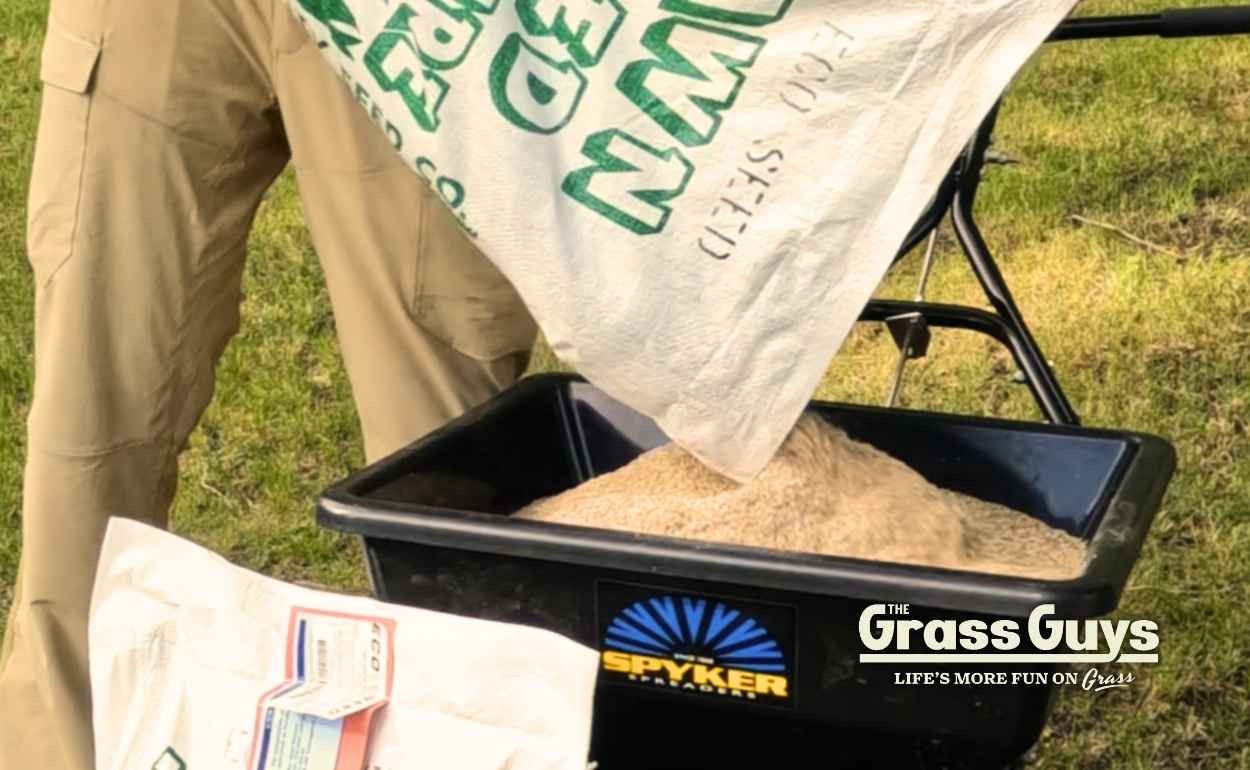
- Mow slightly shorter than normal
- Improve seed-to-soil contact
- Use a shade-tolerant blend
- Water consistently
- Avoid heavy nitrogen early
Shade grass grows slower...be patient.
Our Recommended Shade-Tolerant Blends
If you want our specific picks for:
- Heavy tree cover
- Filtered light
- Partial sun
- Dog-friendly shaded yards
👉 Download our free guide: What Grass is Best for Me?
Inside you’ll get:
- Our top shade blends
- Low-maintenance options
- Premium lawn picks
- Region-specific recommendations
Want to Skip the Guide?
If you already know your yard is shaded and just want solid picks:
👉 See Our Recommended Shade-Tolerant Seed Blends
We’ve tested dozens. These are the ones that actually perform.
Common Shade Lawn Mistakes
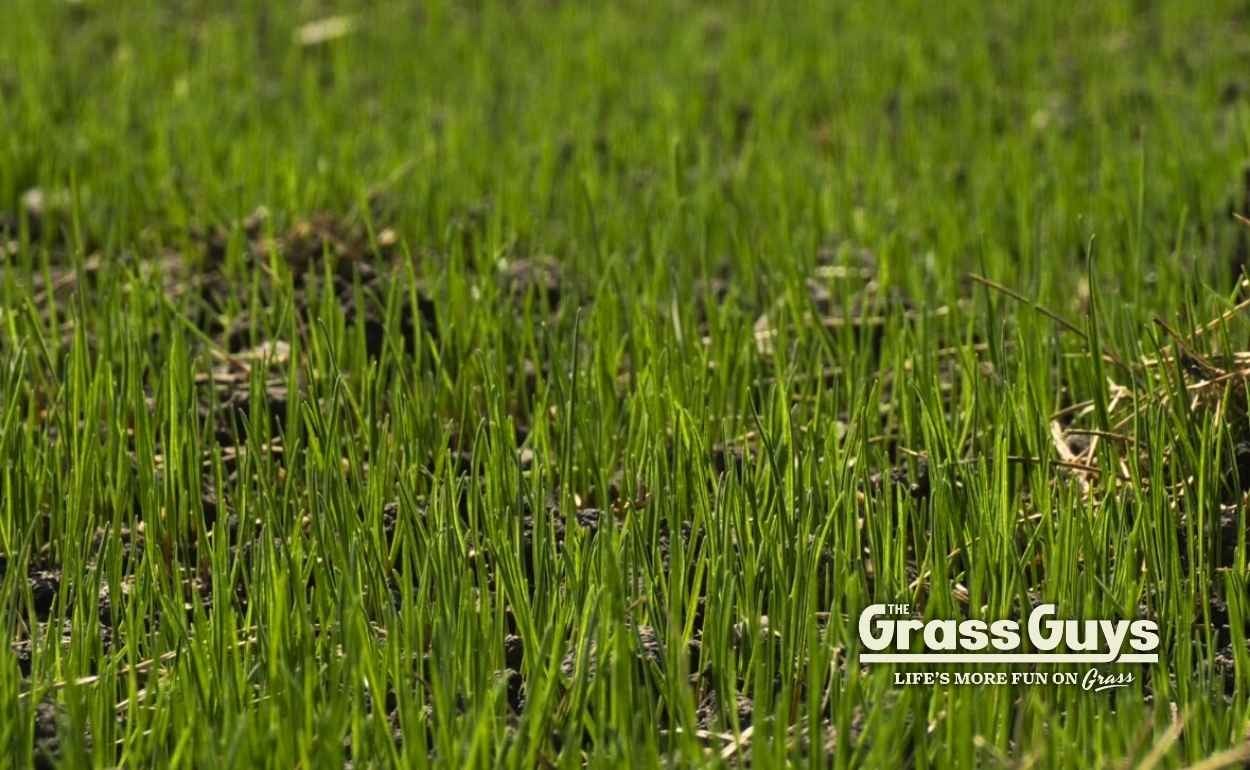
Avoid these and your odds improve dramatically:
- Using full-sun seed in heavy shade
- Over-fertilizing
- Cutting too short
- Letting leaves smother turf
- Expecting dense bluegrass under mature trees
Shade lawns need:
- Patience
- Realistic expectations
- The right genetics
Not more product.
What If Nothing Grows?
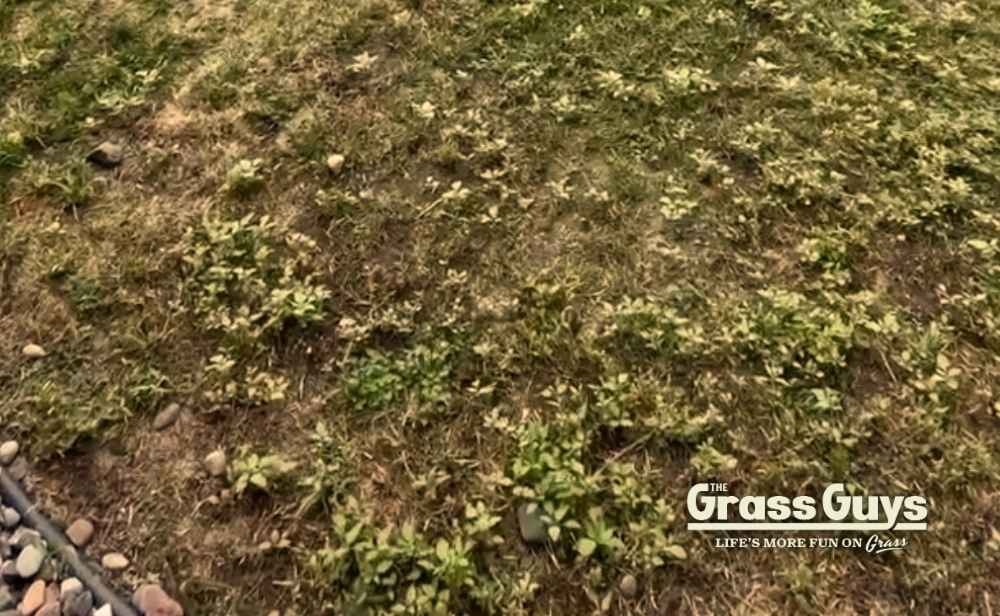
If your yard gets:
- Less than 2–3 hours of light
- Extremely dense canopy
- Constant root competition
Grass may never thrive.
Alternatives include:
- Mulch beds
- Ground cover
- Landscape redesign
Sometimes the smartest lawn move is not forcing grass where it won’t win.
Where to Go Next
If shade is your main challenge, here’s your next move:
- 👉 How to Overseed Properly
- 👉 Lawn Care Starter Kit
- 👉 What Grass Type Do I Have?
- 👉 Cool-Season Lawn Calendar
These will help you turn knowledge into results.
Final Thoughts
Shade isn’t a death sentence for your lawn.
But it does require:
- The right grass type
- Realistic expectations
- Strategic timing
- Consistency
Fine fescue is your best friend in low light.
Choose the right blend, seed in fall, stay patient — and your shaded lawn will improve season by season.
Get Personalized Shade Recommendations
Still unsure which blend fits your yard?
👉 Download: What Grass is Best for Me? (Free Guide)
It includes:
- Our top shade blends
- Sun vs shade comparisons
- Dog-friendly picks
- Maintenance-level breakdowns
Plus seasonal lawn tips delivered straight to your inbox.