Organic vs Synthetic Fertilizers
What’s the Difference and Which Is Right for Your Lawn?
One of the most common lawn questions is:
Should I use organic fertilizer or synthetic fertilizer?
The answer is not emotional. It is strategic.
Both can grow a healthy lawn.
Both can be misused.
Both have strengths and trade-offs.
The key is understanding how each works.
What Is Organic Fertilizer?
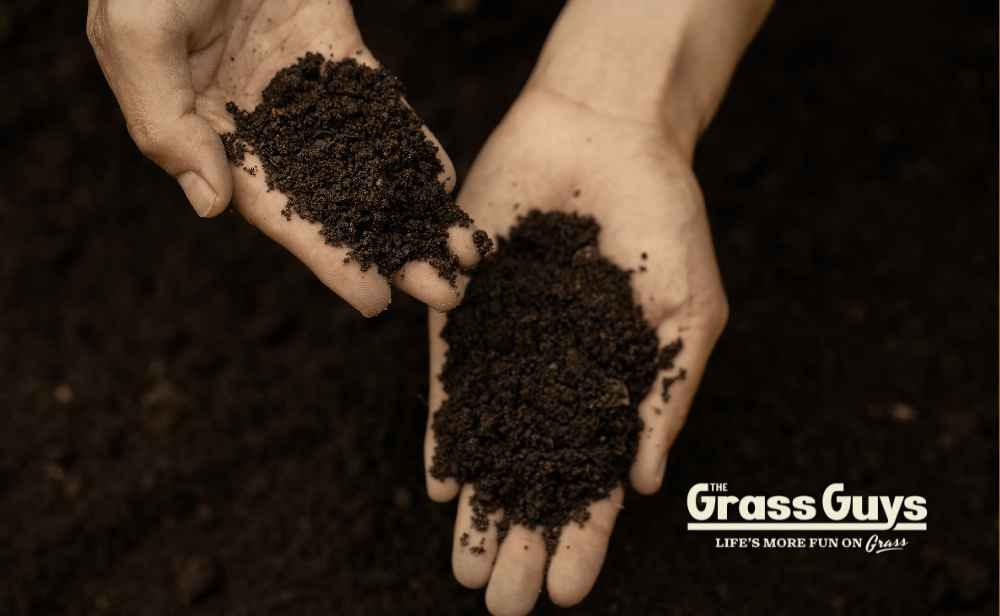
Organic fertilizers are derived from natural sources such as:
- Compost
- Manure
- Bone meal
- Feather meal
- Plant-based materials
They contain nutrients that must be broken down by soil microbes before grass can use them.
That breakdown process takes time.
How Organic Fertilizer Works
Organic fertilizers rely on soil biology.
Microorganisms in the soil:
- Break down organic material
- Convert nutrients into plant-available forms
- Improve soil structure over time
This process releases nutrients gradually.
Organic feeding is slower but builds soil health.
What Is Synthetic Fertilizer?

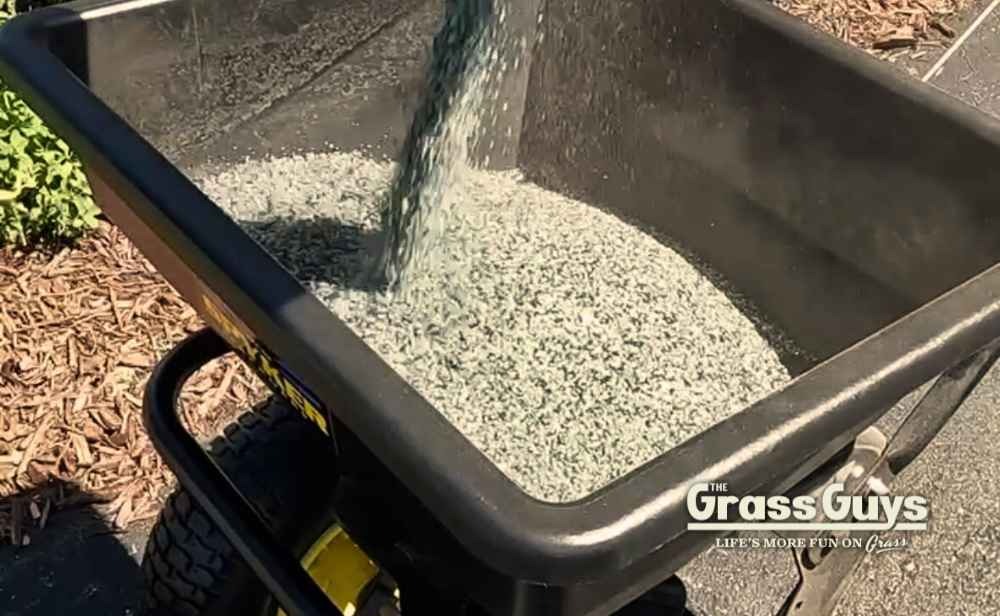
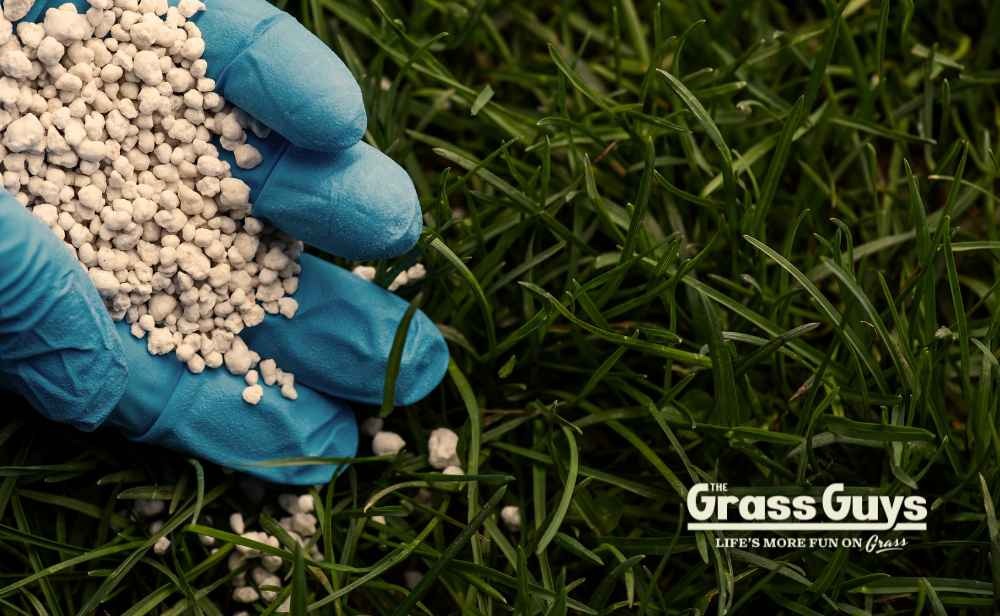
Synthetic fertilizers are manufactured to provide nutrients in immediately plant-available forms.
They are chemically formulated to deliver specific NPK ratios.
These nutrients are ready for plant uptake shortly after application.
How Synthetic Fertilizer Works
Synthetic fertilizers:
- Dissolve quickly in water
- Deliver nutrients directly to roots
- Provide fast green-up
- Offer precise nutrient ratios
They do not rely on microbial breakdown to release nutrients.
Speed of Results

Synthetic fertilizers typically produce visible greening within days.
Organic fertilizers produce slower, more gradual improvement.
If you want immediate color correction, synthetic works faster.
If you want gradual soil improvement, organic builds over time.
Impact on Soil Health
This is where the biggest difference appears.
Organic fertilizers:
- Add organic matter
- Support microbial life
- Improve soil structure
- Enhance long-term soil health
Synthetic fertilizers:
- Feed the plant directly
- Do not add organic matter
- Do not directly improve soil structure
However, synthetic fertilizers do not automatically harm soil when used responsibly.
The damage usually comes from overuse, not from the product itself.
Risk of Overapplication
Synthetic fertilizers carry higher burn risk if applied incorrectly.
Because nutrients are immediately available, overapplication can:
- Burn grass
- Increase disease risk
- Cause excessive growth
Organic fertilizers release nutrients slowly, which reduces burn risk.
However, applying excessive amounts of any fertilizer can create imbalance.
Nutrient Precision

Synthetic fertilizers allow precise control of NPK ratios.
This is useful when:
- Following a structured fertilization plan
- Correcting specific deficiencies
- Applying seasonal strategies
Organic fertilizers are often less precise in nutrient percentages.
They are more about building overall soil health than targeted nutrient correction.
Environmental Considerations
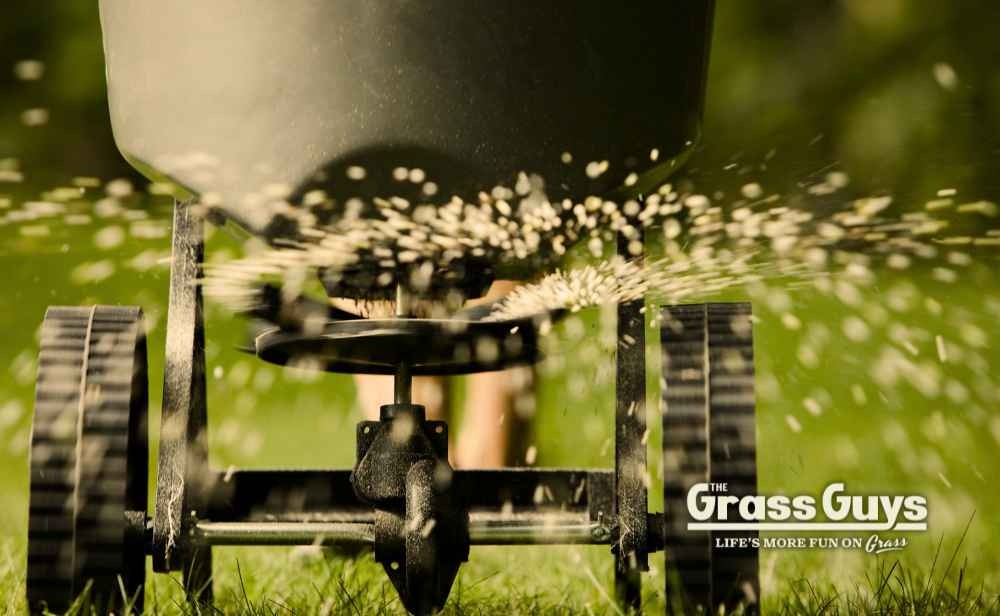
Improper use of synthetic fertilizers can increase runoff risk if:
- Applied before heavy rain
- Applied excessively
- Not watered in correctly
Organic fertilizers also contribute nutrients that can move with runoff if misused.
The key factor is the application method, not simply the label.
Responsible use matters more than category.
Cost Differences
Synthetic fertilizers often provide:
- Lower cost per pound of nitrogen
- Higher nutrient concentration
Organic fertilizers often require:
- Higher application volume
- Higher upfront cost
However, organic programs may improve soil long term, which can reduce reliance on heavy inputs over time.
Which Is Better for Cool-Season Lawns?
The better choice depends on your goals.
Choose synthetic if:
- You want fast results
- You follow a structured seasonal program
- You need precise nutrient ratios
Choose organic if:
- You want to build soil health long term
- You prefer slower, steady feeding
- You want reduced burn risk
Many homeowners use a hybrid approach.
The Hybrid Approach
A practical strategy for many lawns:
- Use synthetic fertilizers strategically in spring and fall
- Incorporate organic matter through compost and mulching
- Focus on soil health over time
You do not need to choose extremes.
Healthy soil and smart nutrient timing work together.
The Bigger Picture

Fertilizer type is only part of the system.
Lawn performance also depends on:
- Mowing height
- Watering habits
- Soil structure
- Compaction
- Seasonal timing
Fertilizer cannot compensate for poor mowing or watering.
👉 See: Fertilizing & Soil Health Guide
👉 See: 4 Lawn Care Fundamentals
Common Myths
Myth: Organic fertilizer is always safer.
Truth: Overapplication of any fertilizer causes problems.
Myth: Synthetic fertilizer destroys soil.
Truth: Misuse and overuse create issues, not responsible application.
Myth: Organic means immediate results.
Truth: Organic works more gradually.
Final Thoughts
Organic and synthetic fertilizers are tools.
Neither is magic. Neither is evil.
The best program is:
- Seasonally timed
- Measured correctly
- Matched to your soil
- Supported by good mowing and watering habits
Feed intentionally.
Build soil health over time.
Avoid extremes.
Strong lawns are built through balance, not labels.