How to Get Lawn Stripes
The Complete Guide to Professional Lawn Striping at Home
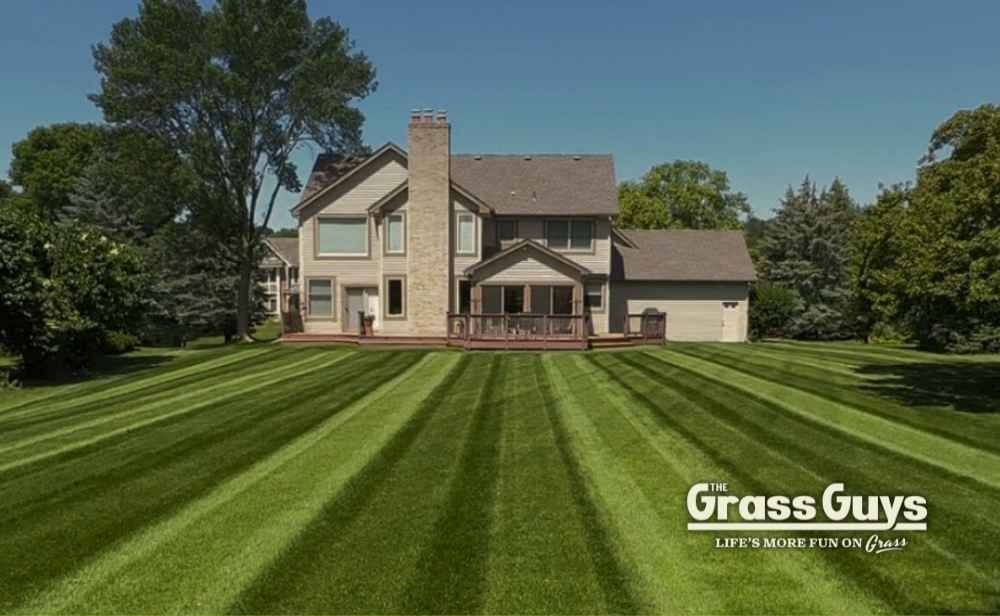
Nothing transforms a lawn visually faster than stripes.
It makes your yard look:
- Thicker
- Darker
- More uniform
- Professionally maintained
And here’s the best part.
Stripes are not paint.
They are not special grass.
They are not a different seed type.
They are technique.
Once you understand how striping works, you can do it in your own yard consistently.
Let’s break it down.
What Causes Lawn Stripes?
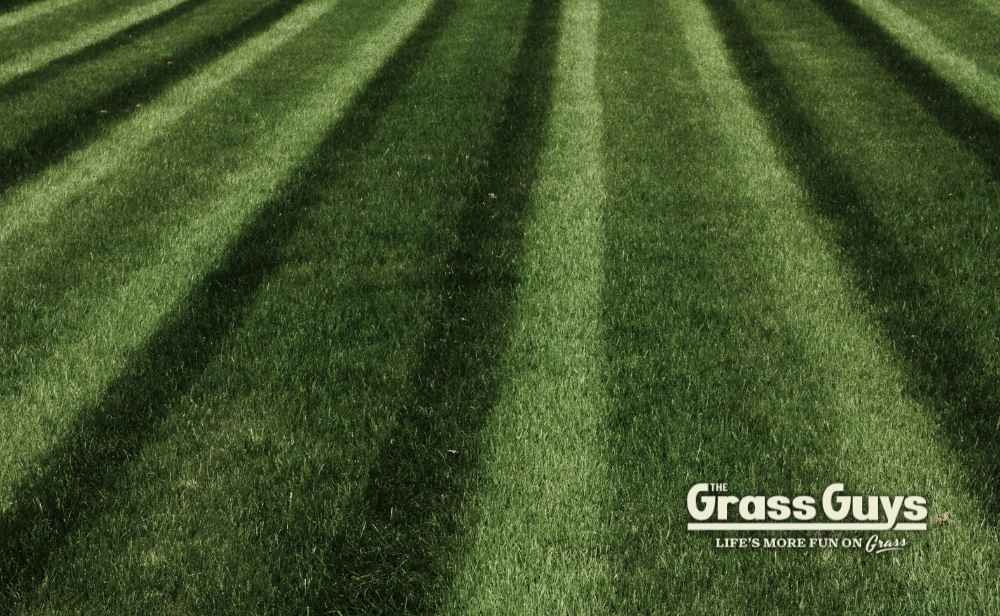
Lawn stripes happen when grass blades are bent in opposite directions.
When grass bends away from you, it reflects light from the sun differently and appears lighter.
When grass bends toward you, it absorbs more light and appears darker. That contrast creates the stripe pattern.
Lawn stripes are most defined when the sun is located behind you.
Alternatively, they will pop if you are in between the sun and your lawn.
You are not cutting different heights with each pass, nor is the grass painted two different colors. You are bending grass consistently and it’s all about how the light hits them.
Can Any Grass Be Striped?
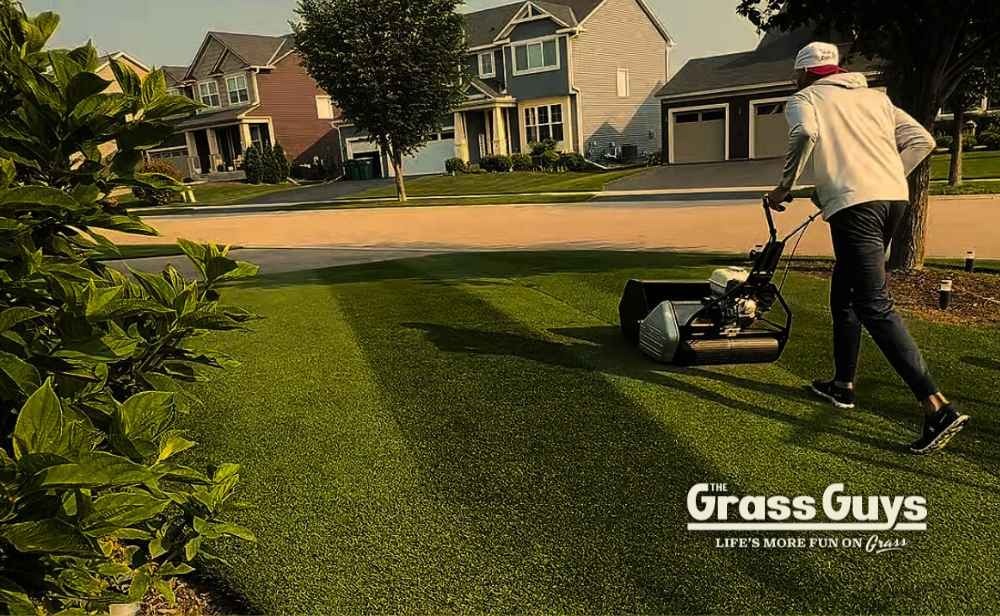
Yes, with a caveat.
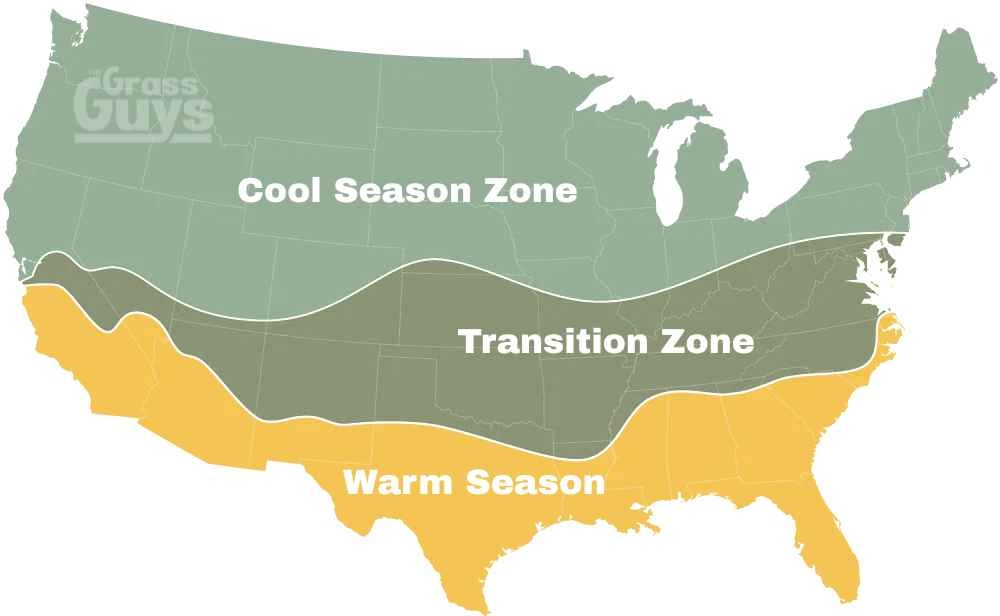
All cool-season grasses can stripe, warm-season grasses can be more difficult.
However, some stripe better than others.
Best performers:
- Kentucky bluegrass
- Perennial ryegrass
- Dense tall fescue
These grasses:
- Grow upright
- Have flexible blades
- Show light contrast clearly
Fine fescue can stripe, but it is more subtle.
Traditionally, if you are in the south with warm-season grasses, these grass types will not stripe nearly as well compared to cool-season grasses.
If you want bold, dramatic stripes, density matters more than grass type.
👉 See: Lawn Mowing Mastery
👉 See: Best Mowing Height by Grass Type
Step 1: Mow at the Right Height
For cool-season lawns:
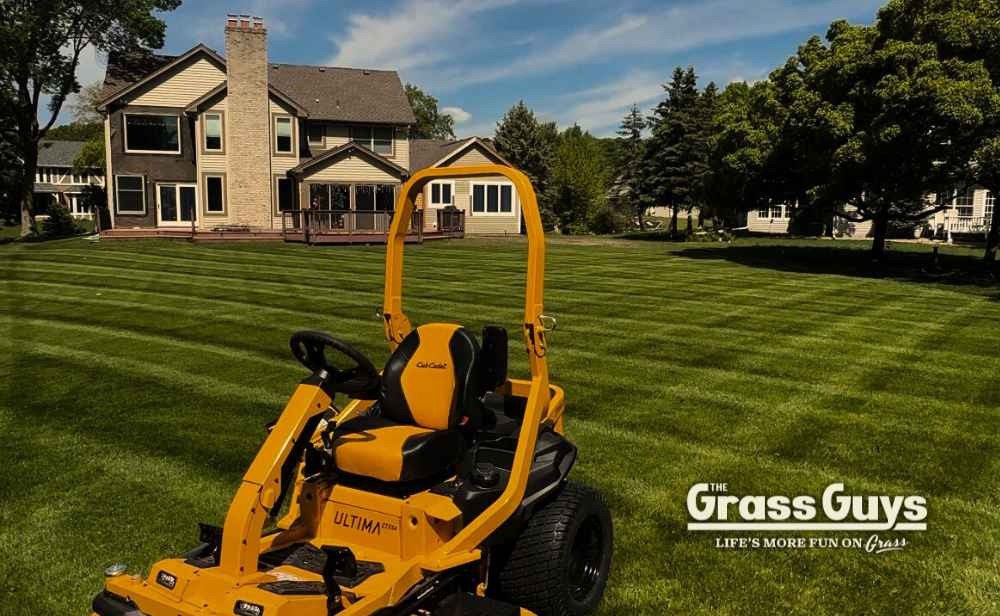
3 to 4 inches produces the best striping results.
Why?
Taller grass:
- Bends more easily
- Creates stronger contrast
- Shows deeper visual definition
Short grass does not hold a stripe well.
If you are mowing at 2 inches, your stripes will be faint.
Step 2: Mow in Straight, Consistent Lines
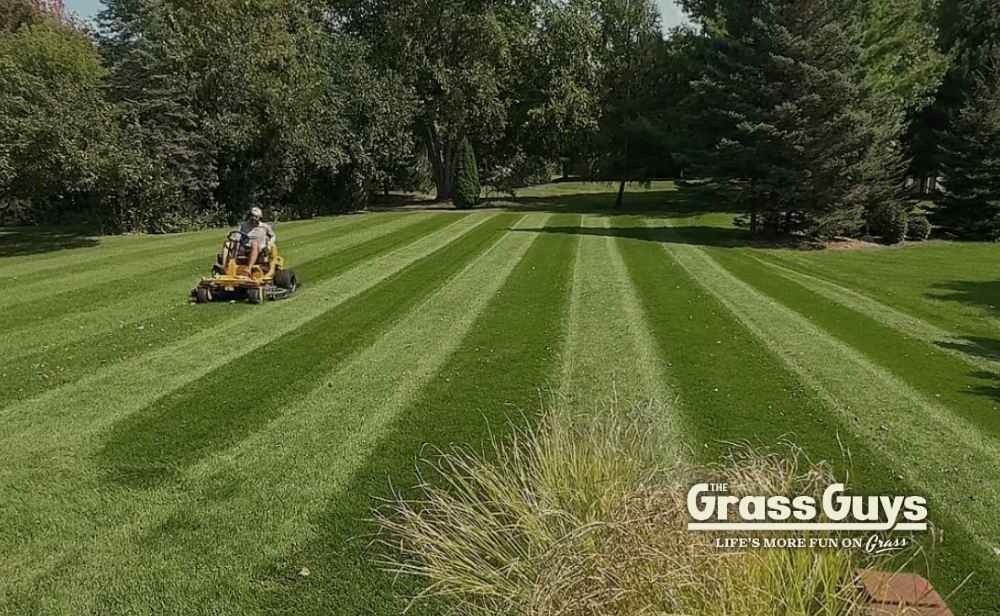
Start with a clean edge as your reference point.
Pick:
- Driveway edge
- Sidewalk
- Fence line
Mow straight down the yard.
Then turn carefully and mow back in the opposite direction directly beside your first pass.
Consistency is what creates contrast.
Overlapping randomly reduces definition.
Step 3: Use a Striping Kit for Stronger Definition
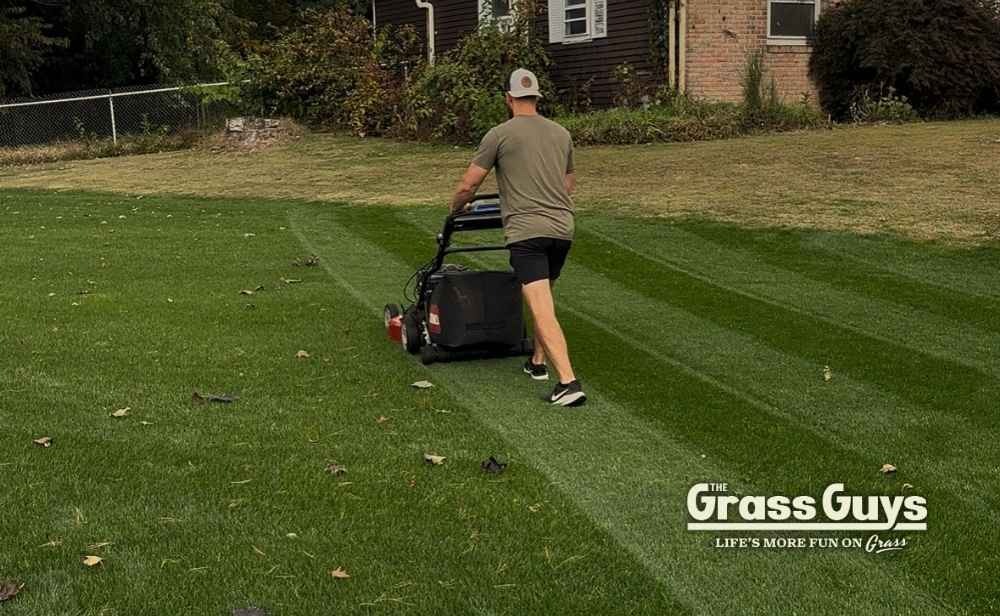
You can stripe without a kit.
But if you want bold, professional-level stripes, a striping roller makes a huge difference.
A striping kit:
- Adds weight behind the mower
- Bends grass more consistently
- Creates deeper light contrast
- Improves pattern sharpness
We exclusively partner with Big League Lawns because their striping kits are:
- Built solid
- Designed for homeowners
- Compatible with most mower setups
- Easy to install
If you want your lawn to stand out, this is the upgrade that makes it happen.
👉 Use code GRASSGUYS15 to save 15% off your Big League Lawns order.
Step 4: Alternate Your Pattern Weekly
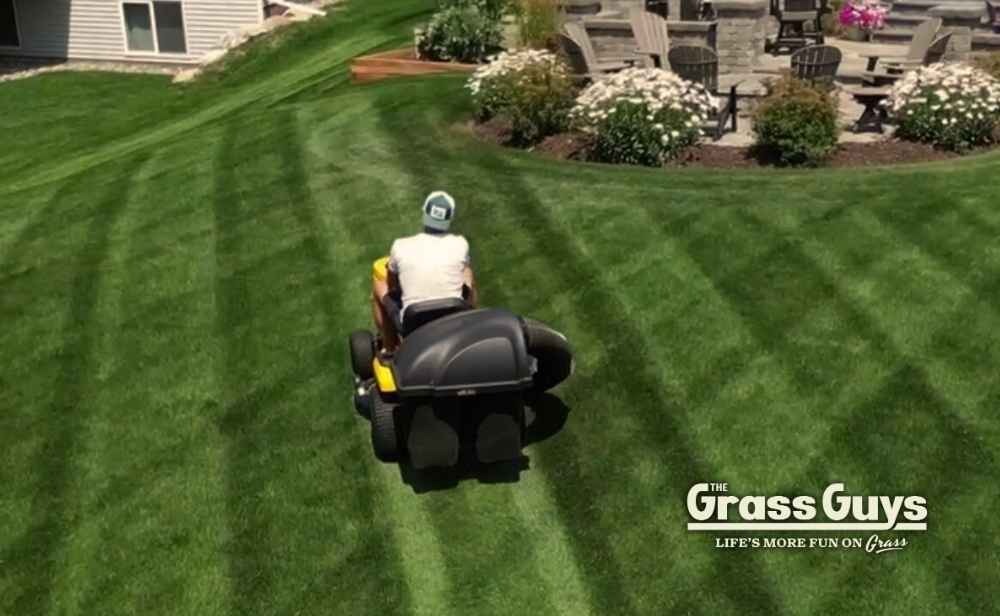
If you mow the same direction every time:
- Grass starts leaning permanently
- Soil compacts in wheel paths
- Pattern fades
Alternate patterns:
- Straight stripes
- Diagonal
- Checkerboard
- Diamond
- Perimeter frames
Changing direction strengthens turf and keeps stripes crisp.
Popular Striping Patterns
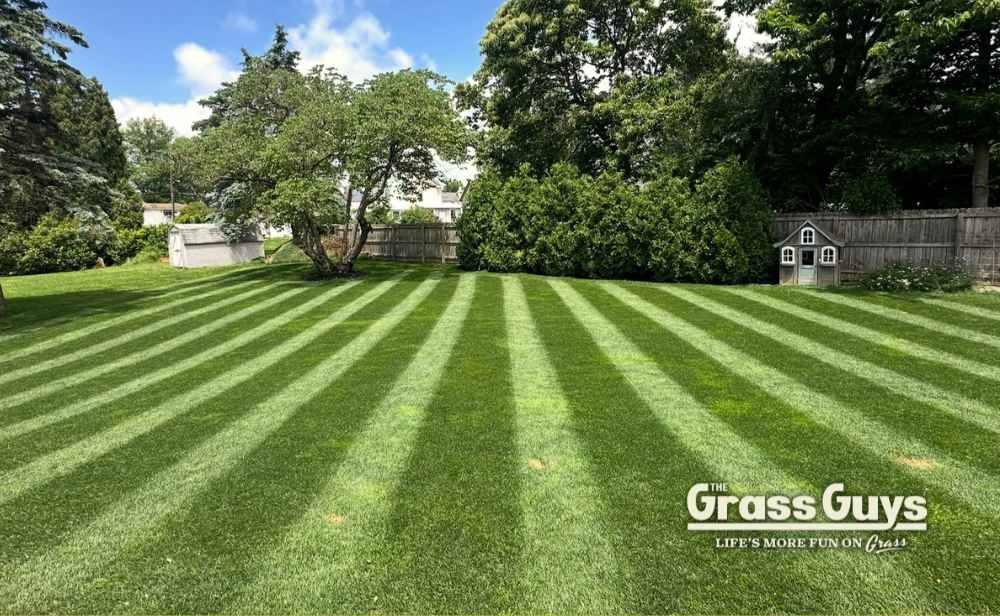
1. Straight Lines
Clean and classic.
Great for most suburban lawns.
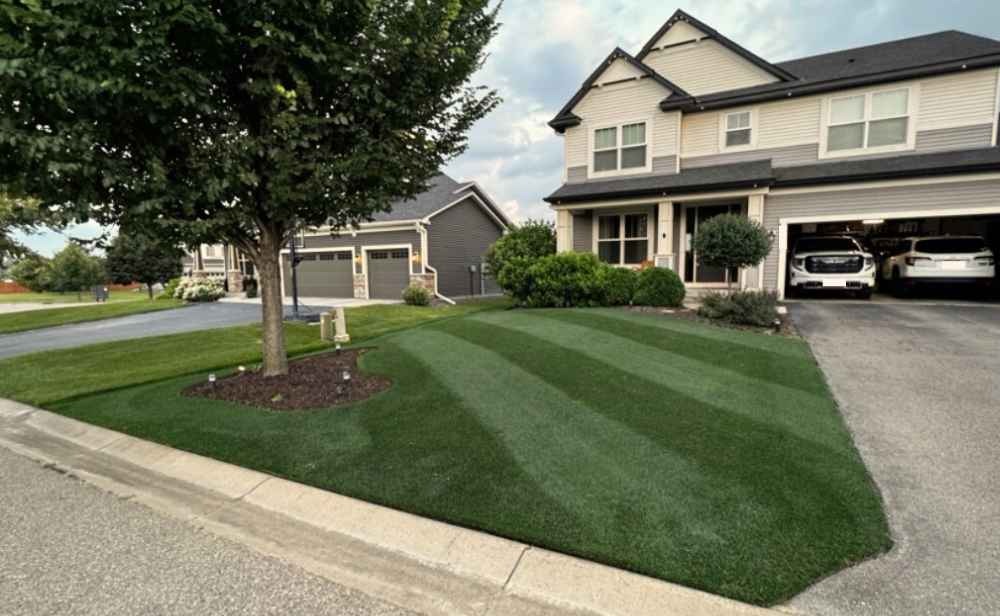
2. Diagonal Stripes
Makes the yard look larger.
3. Checkerboard
Mow vertical, then horizontal.
Creates bold contrast.
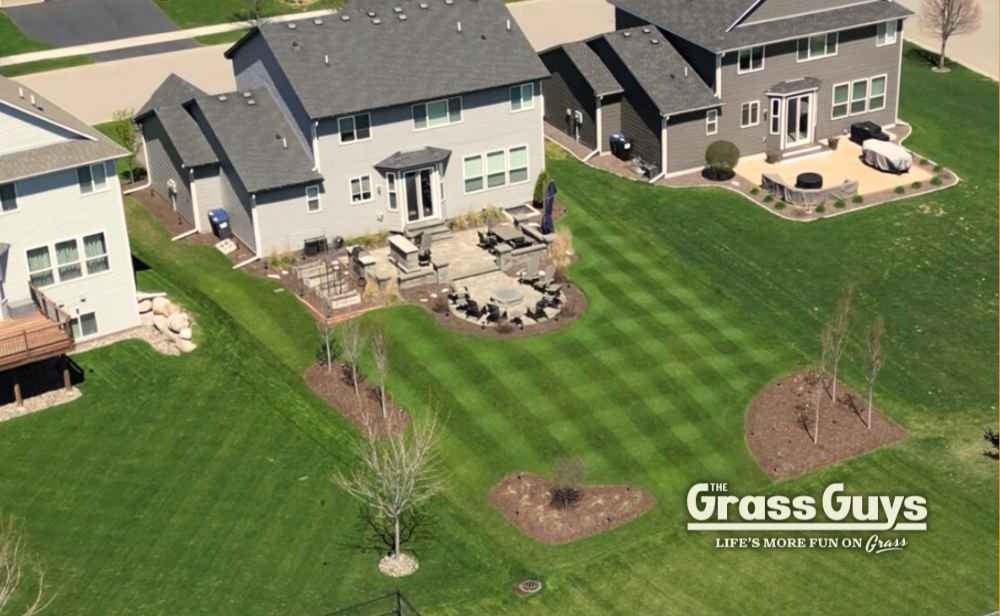
4. Diamond Pattern
Mow diagonally both directions.
Professional ball field look.
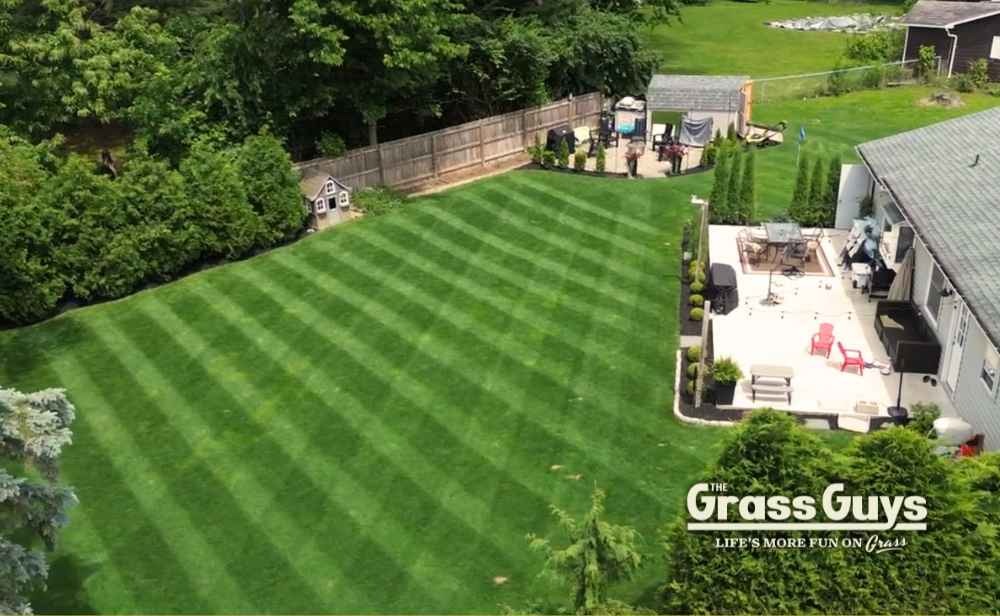
Start simple. Build from there.
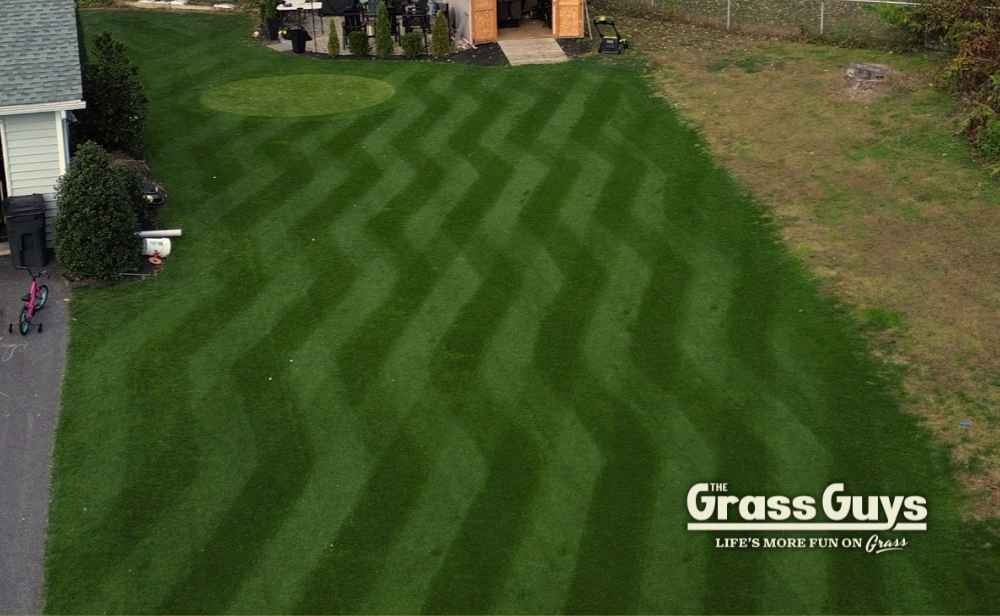
5. Wacky Patterns
Who says you can’t have fun in the yard?
Non-traditional patterns can make your yard stand out even more!
Common Striping Mistakes
Avoid these:
- Cutting too short
- Inconsistent spacing
- Dull mower blades
- Mowing when grass is dry and brittle
- Not using a straight visual reference
Sharp blades and proper height matter.
👉 See: Lawn Mowing Mastery
When Stripes Look Their Best
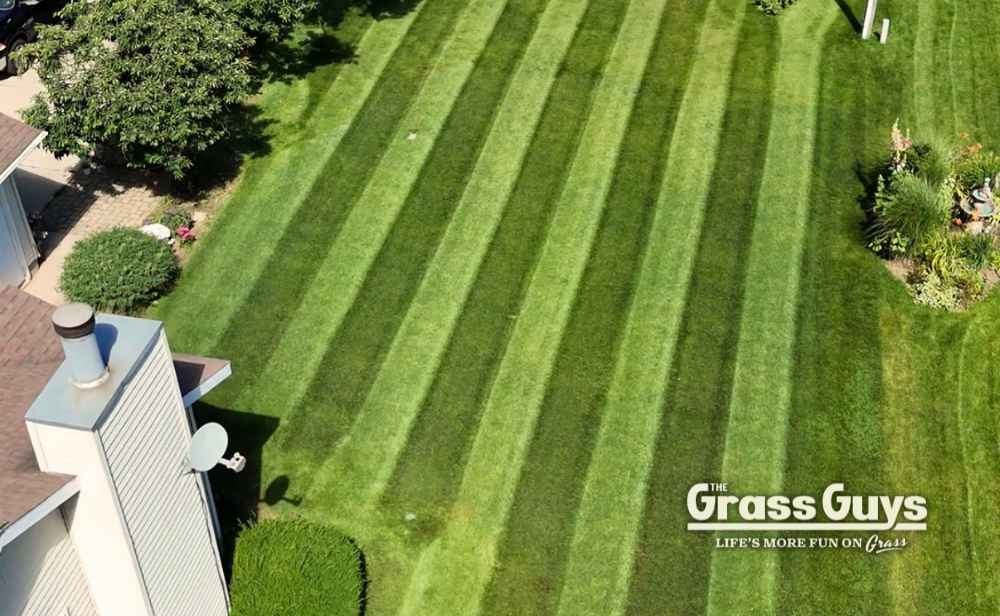
Stripes are most dramatic when:
- Lawn is thick
- Grass is well-watered
- You mow consistently
- When the sun is at your back
Thin lawns do not stripe well.
If your lawn lacks density, fix that first.
👉 See: How to Overseed
👉 See: Grass Seed & Seeding Guide
Do Stripes Harm the Lawn?
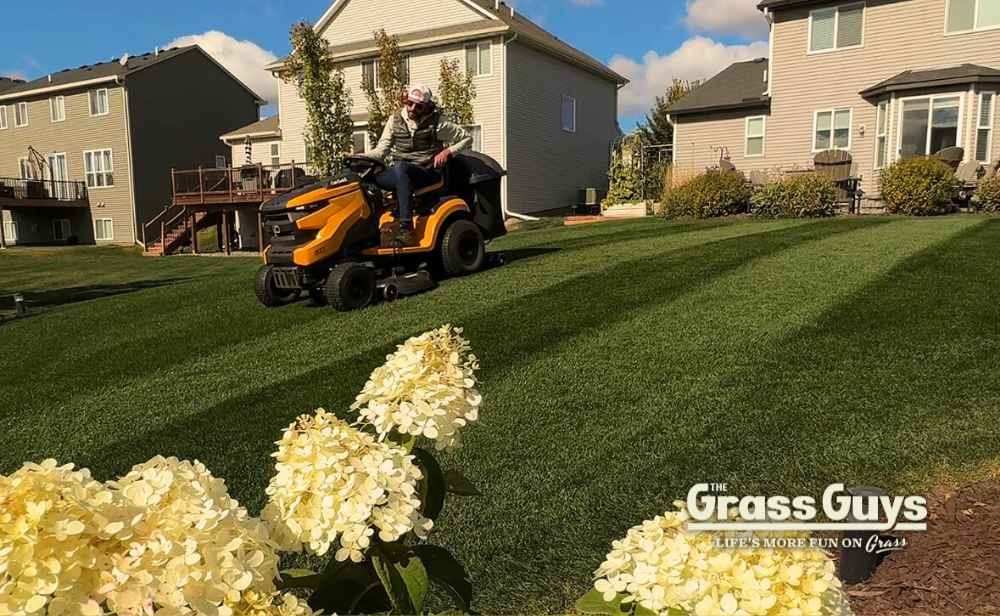
No, but again there is a caveat.
Striping does not damage grass.
You are simply bending blades, not cutting differently.
The only risk comes from:
- Repeated compaction in the same direction
- Mowing too short
Rotate patterns and maintain proper height.
The Equipment That Makes the Biggest Difference
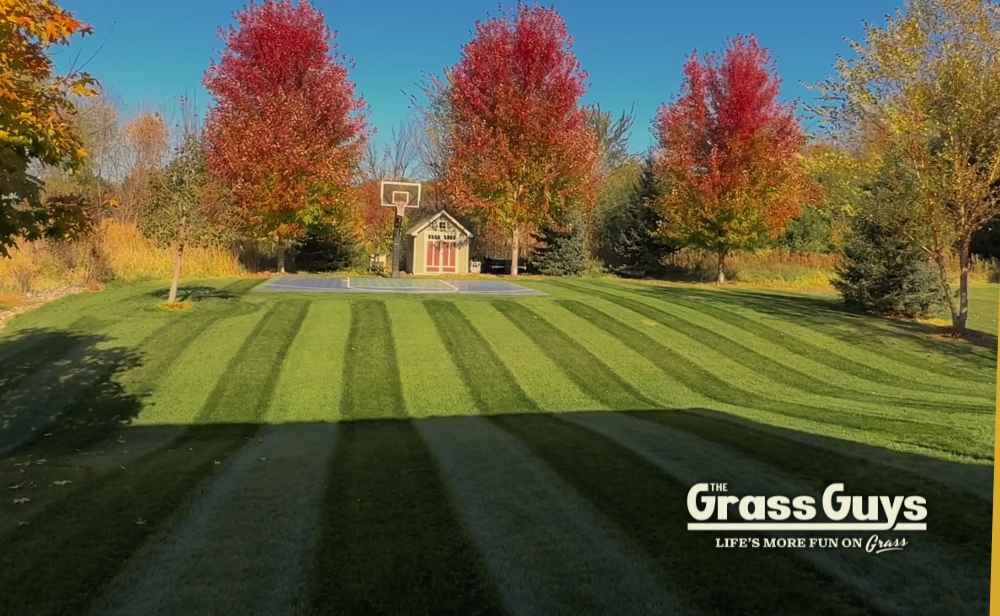
If you want subtle stripes:
Technique alone works.
If you want bold, professional-level stripes:
A striping kit changes everything.
GG's #1 Pick:
We use and recommend the Big League Lawns Checkmate Lawn Striping Kit because they fit virtually every mower and consistently produce incredible results without overcomplicating the process.
If you are ready to upgrade your lawn’s look:
👉 Save 15% with code GRASSGUYS15 at Big League Lawns.
Want a Lawn That Stripes Even Better?
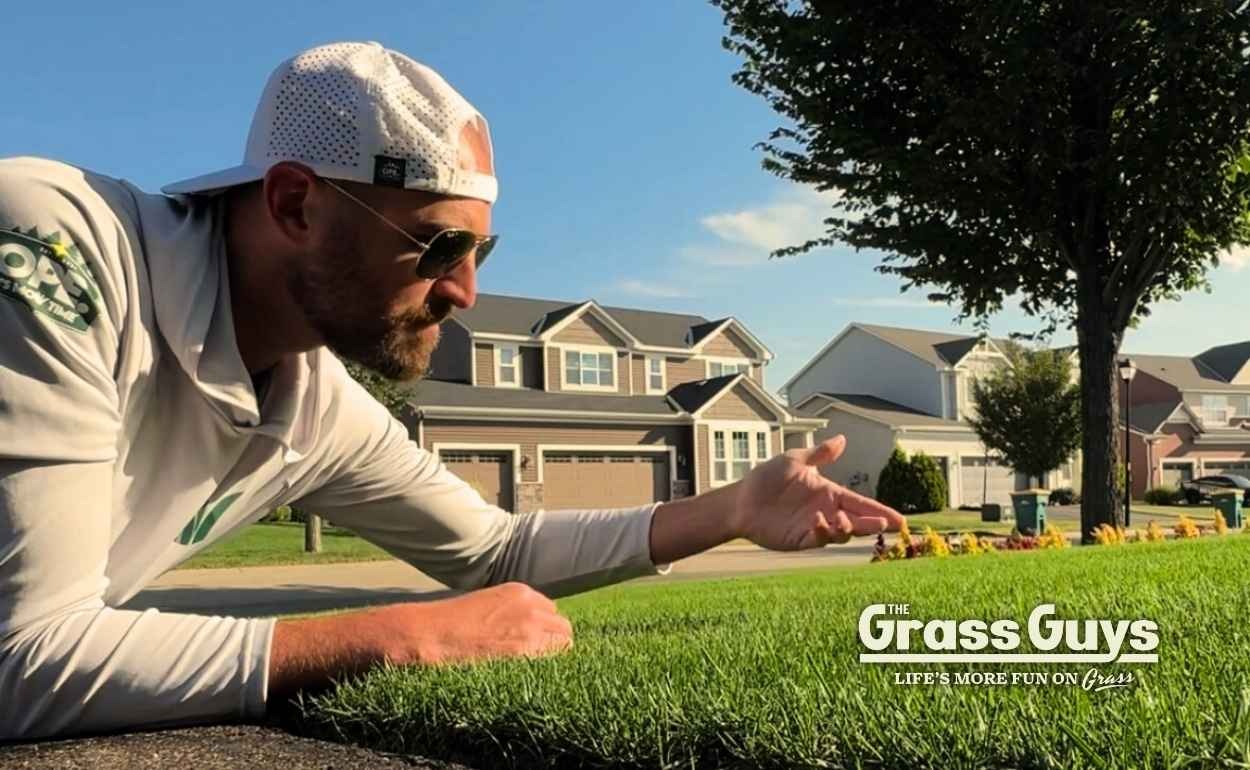
Lawn striping highlights density and density highlights stripes
If your lawn is thin, stripes expose it.
To build density:
- Overseed in fall
- Mow consistently
- Fertilize properly
- Water deeply and infrequently
If you are unsure what grass will stripe best in your yard:
👉 Download our free guide: What Grass is Best for Me?
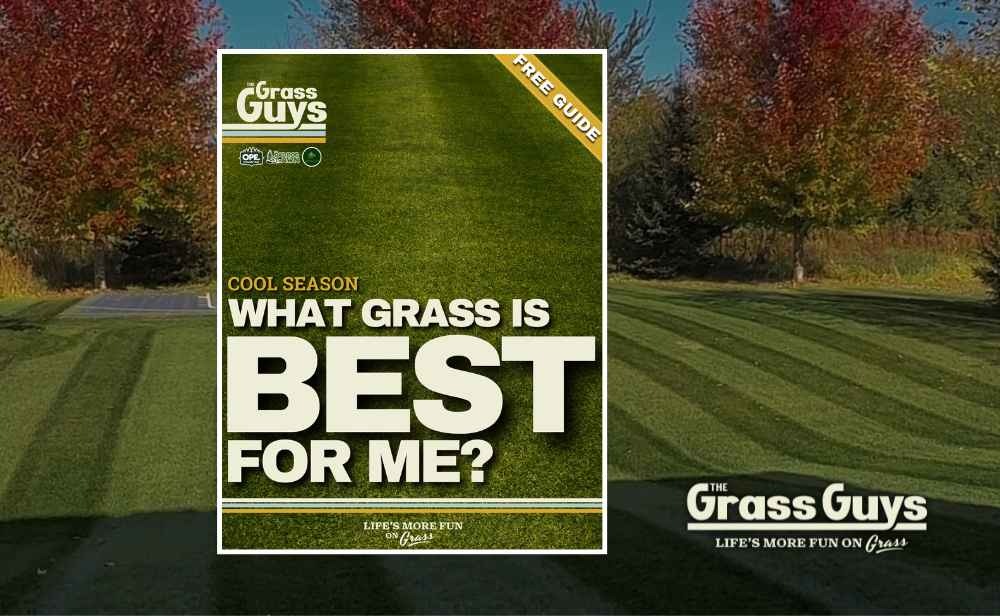
It includes:
- Sun vs shade recommendations
- Traffic vs drought picks
- Premium lawn options
- Our recommended blends
Plus seasonal reminders so you do not miss your window.
Final Thoughts
Lawn striping is not complicated.
It is controlled mowing and consistent direction.
Master mowing first.
Add a striping kit when you are ready to elevate.
Mow high.
Stay consistent.
Upgrade density.
Then watch your lawn separate itself.