What is the Difference Between a Rotary Mower vs Reel Mower?
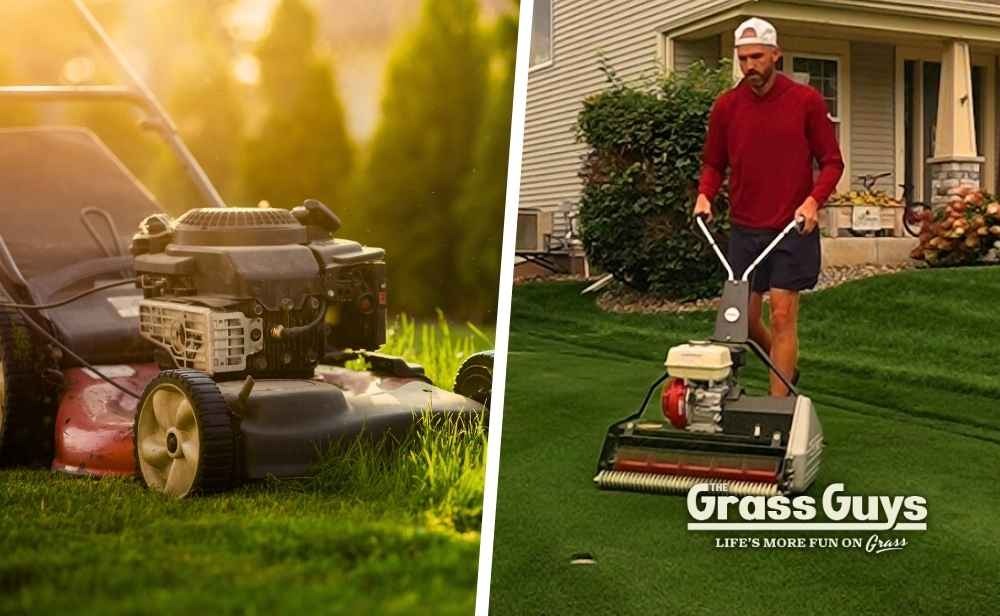
Which One Is Right for Your Lawn?
If you’ve ever seen a golf course cut and thought:
“How do they get it that clean?”
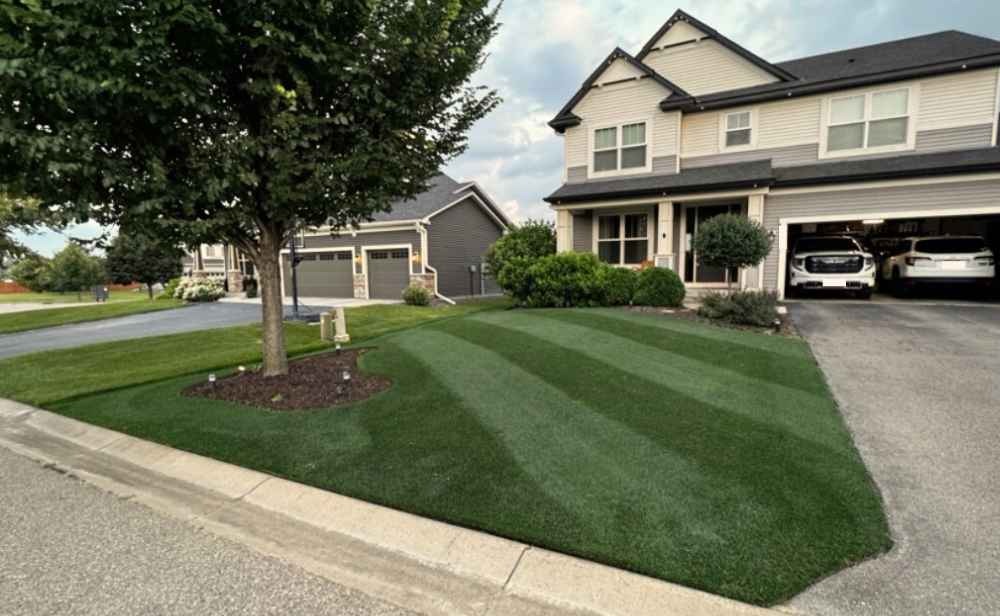
You’ve probably seen a reel mower in action.
But does that mean you need one? Not necessarily.
Both rotary and reel mowers have their place. The right choice depends on your grass type, lawn goals, and how much effort you want to put in.
Let’s break this down clearly.
What Is a Rotary Mower?
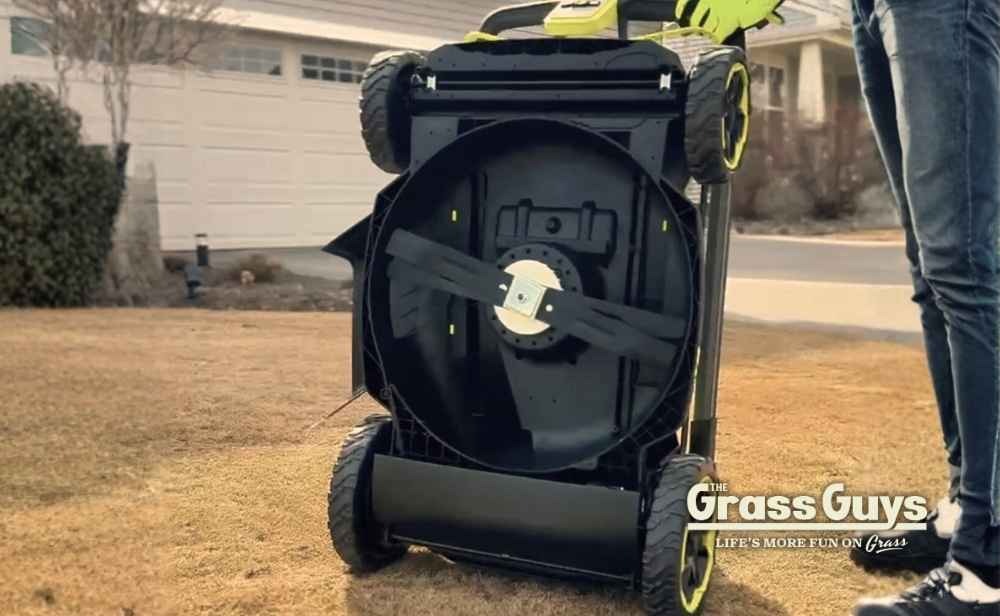
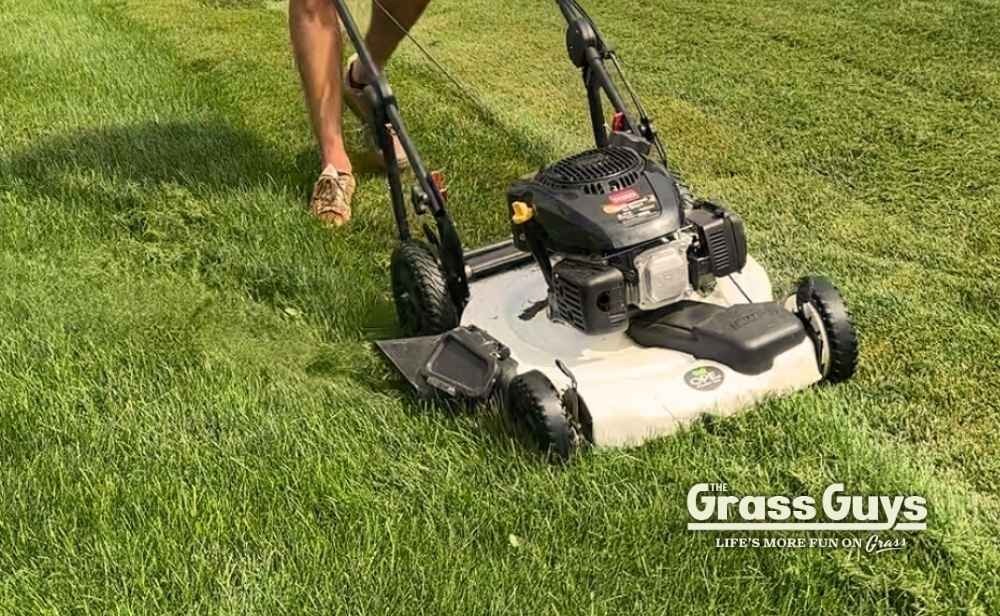
A rotary mower is what most homeowners use.
It has:
- One horizontal blade
- A high-speed spinning motion
- A vacuum effect that pulls grass upward
- A slicing cut
It is versatile, durable, and forgiving.
Most push mowers, self-propelled mowers, and zero-turns are rotary.
Pros of Rotary Mowers
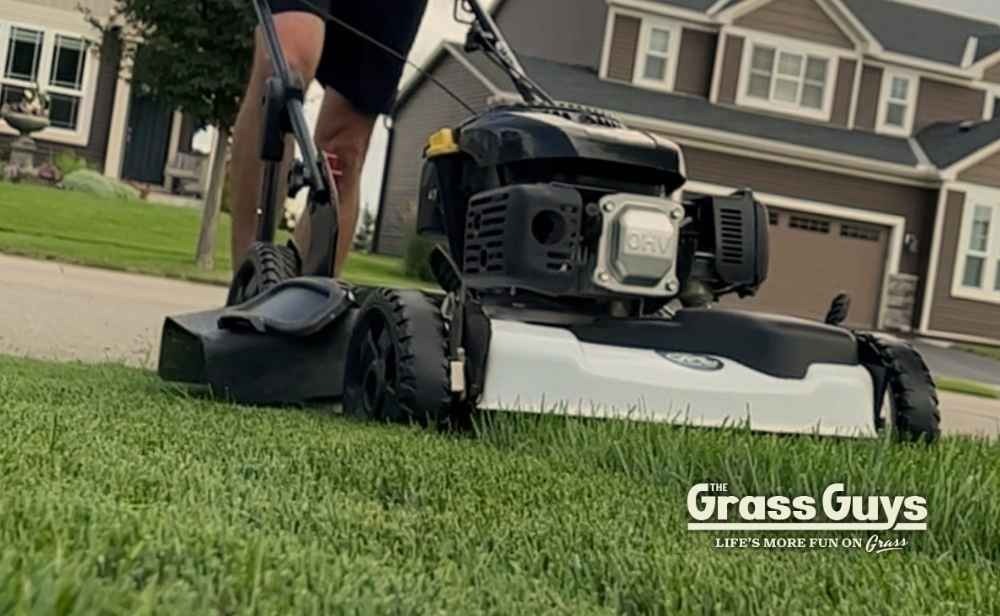
What Rotary Mowers can provide:
- Handles taller grass well
- Works on uneven terrain
- Good for most cool-season lawns
- Lower maintenance
- Easier learning curve
Rotary mowers are extremely practical.
They work well at heights between 2.5 to 4 inches, which is ideal for most cool-season lawns.
Cons of Rotary Mowers
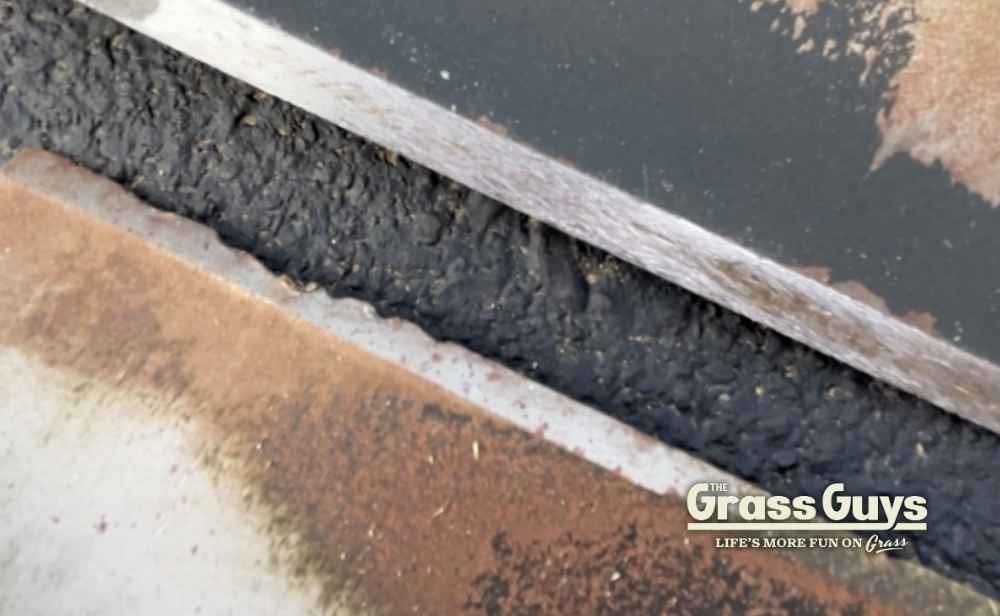
Potential Issues with Rotary Mowers to be mindful of:
- Can tear grass if blades are dull
- Less precise at very low heights
- Not ideal for sub-1-inch cuts
- Cut quality depends heavily on blade sharpness
If you mow high and sharpen blades regularly, rotary mowers produce excellent results.
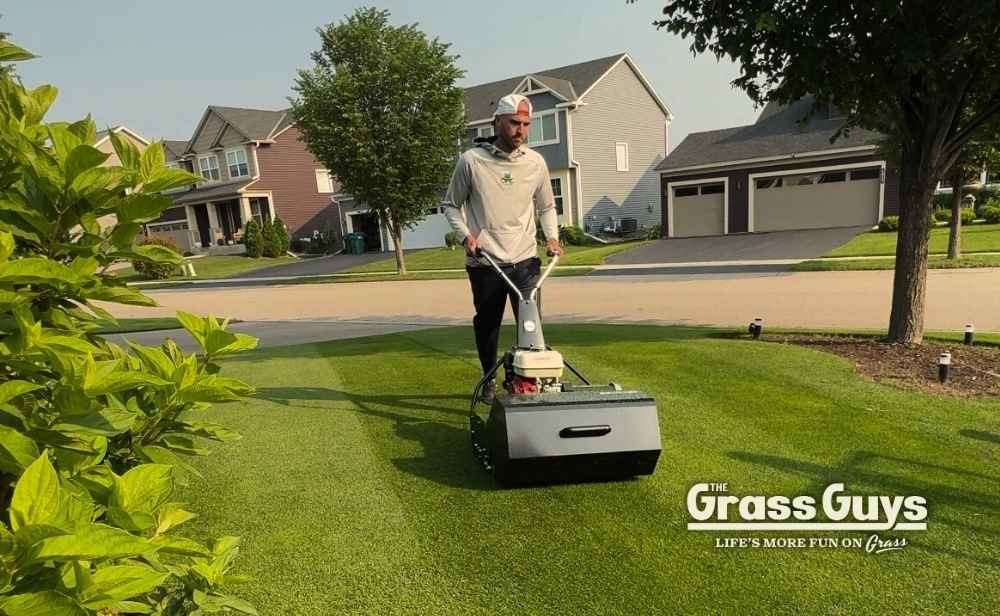
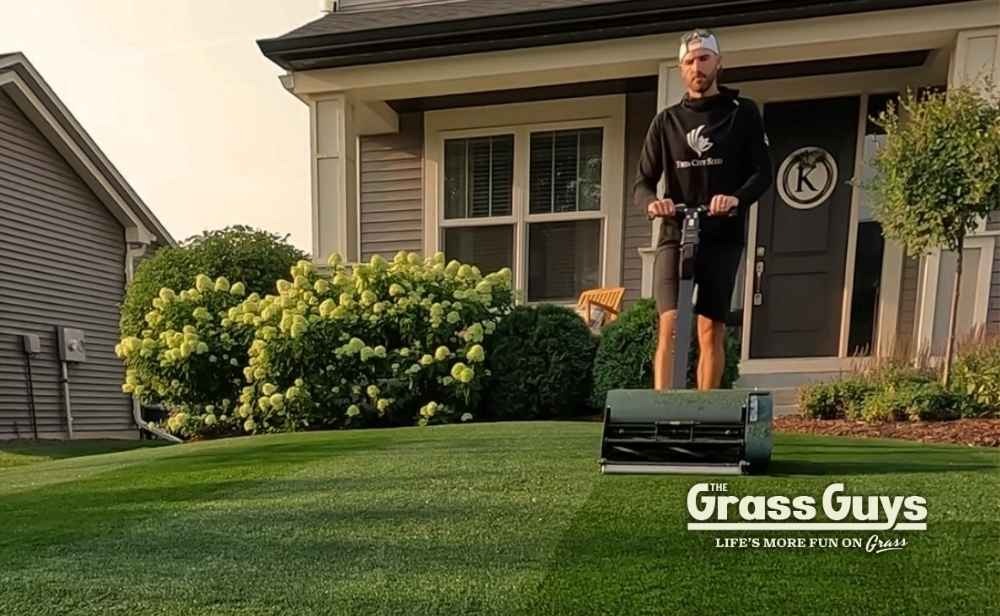
What Is a Reel Mower?
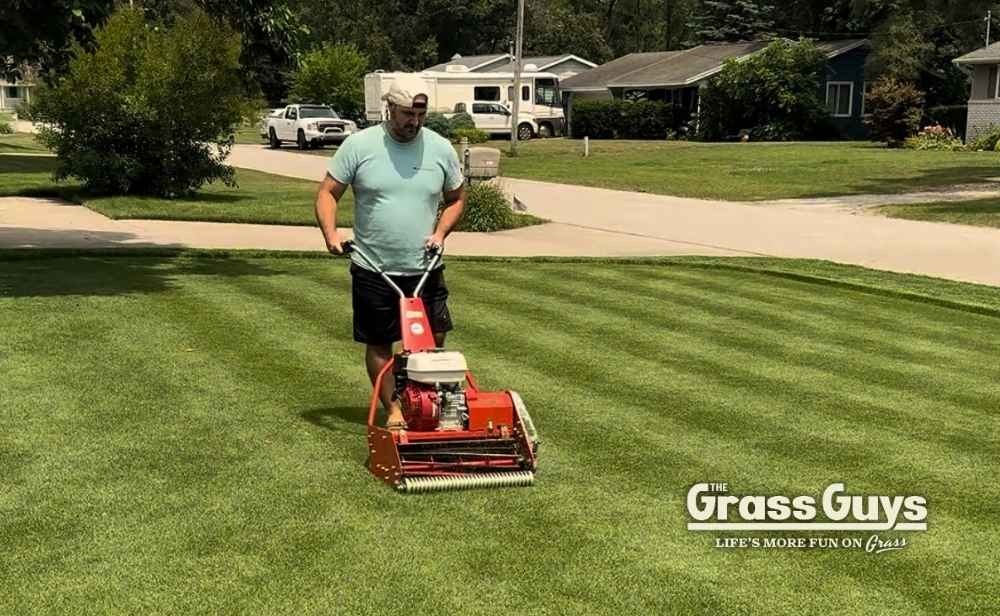
A reel mower uses:
- Multiple curved blades
- A scissor-like cutting action
- A fixed bed knife
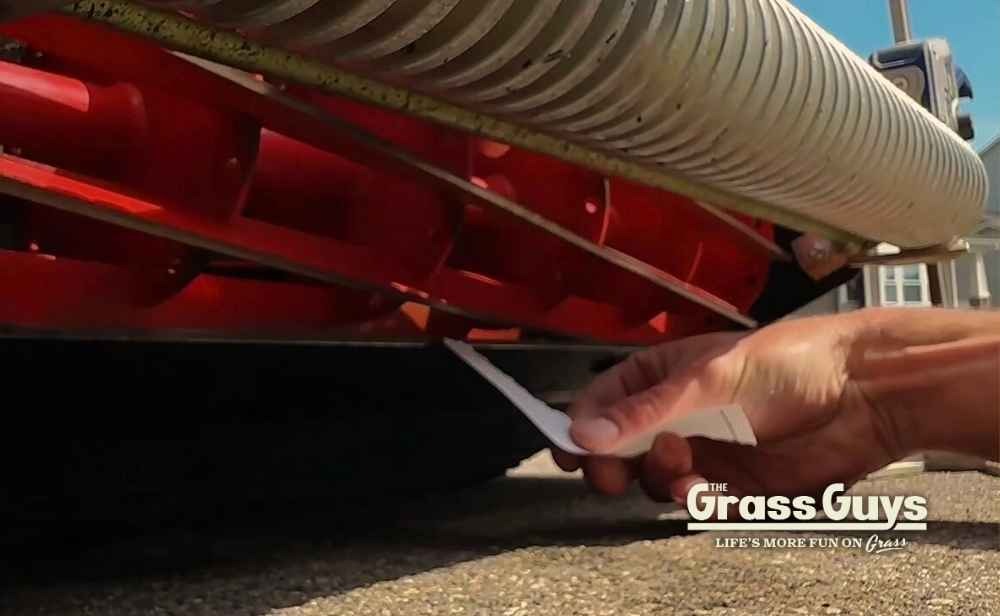
Instead of tearing through grass, it cuts cleanly like scissors.
This produces a very precise cut.
Reel mowers are common on:
- Golf courses
- Sports fields
- Premium residential lawns
Pros of Reel Mowers
- Extremely clean cut
- Ideal for low mowing heights
- Promotes dense turf when maintained properly
- Professional appearance
If you are mowing under 1.5 inches regularly, reel mowing becomes almost necessary.
Cons of Reel Mowers
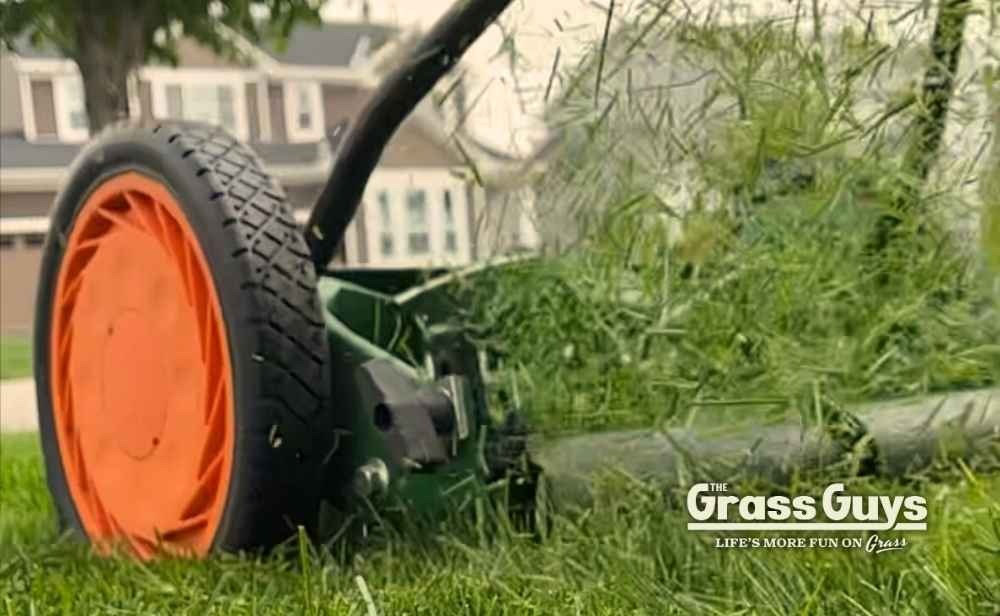
- Cannot handle tall grass well
- Struggles with uneven terrain
- Requires frequent mowing
- More maintenance and adjustments
- Higher learning curve
Reel mowing is a commitment.
You cannot mow once every ten days and expect good results.
Cut Quality Comparison
Reel mower:
- Clean scissor cut
- Minimal blade tearing
- Healthier appearance at low heights
Rotary mower:
- High-speed slice
- Slight tearing possible if dull
- Excellent at normal residential heights
If you keep rotary blades sharp, the difference is minimal at 3 to 4 inches.
The difference becomes more noticeable as mowing height drops below 2 inches.
Which Grass Types Work Best With Each?
1. Tall Fescue
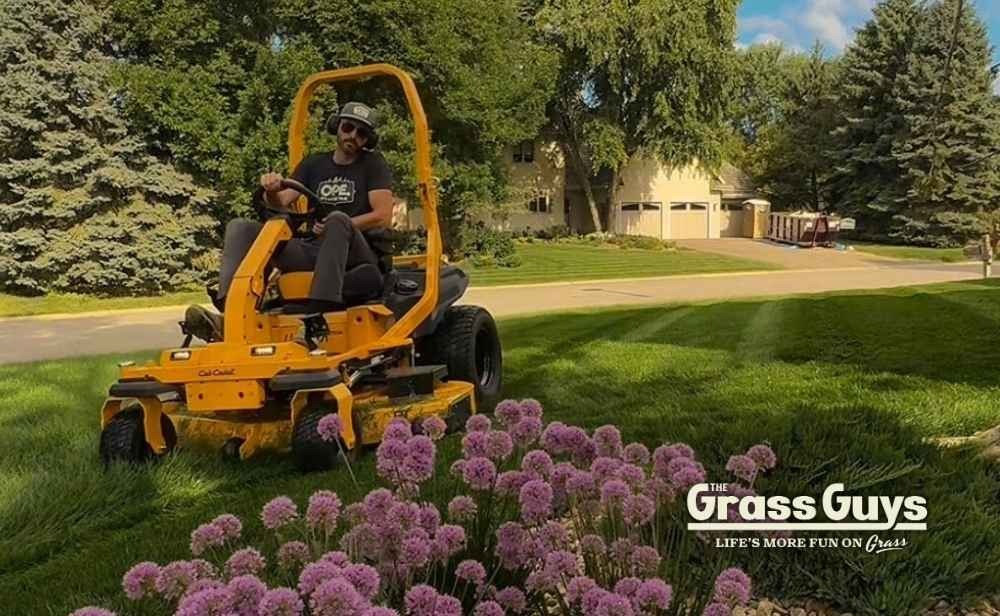
Best with rotary mower.
It is usually kept at 3 to 4 inches and does not require reel mowing. That said, it is not impossible to reel mow tall fescue, as some of the elite cultivars will allow it to be manicured at a lower height.
2. Kentucky Bluegrass
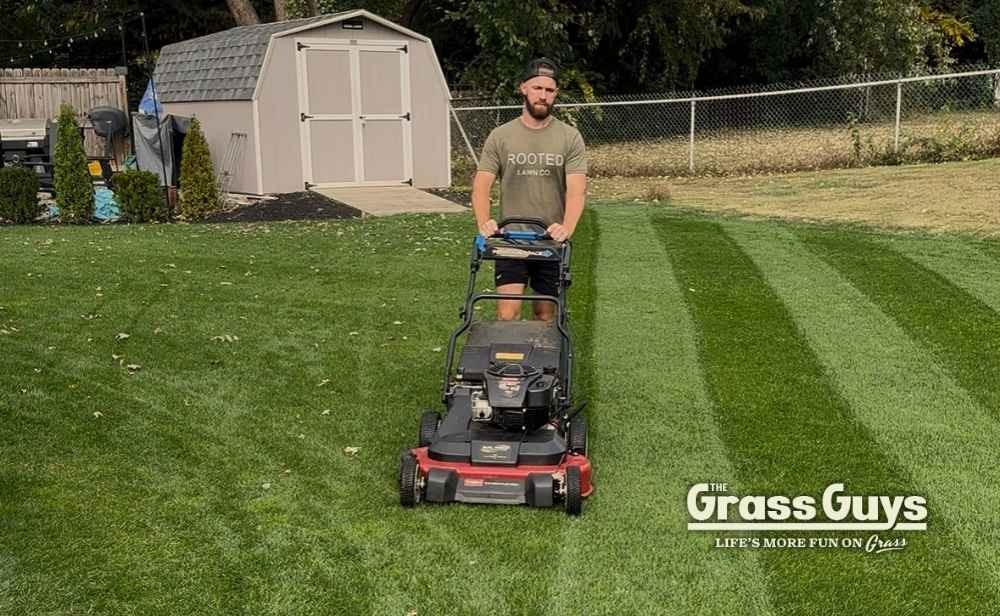
Can be rotary or reel.
If mowing above 2.5 inches, rotary works great.
If mowing very low for a premium look, reel improves finish.
3. Perennial Ryegrass
Works well with either, depending on height.
4. Fine Fescue
Usually better suited to rotary due to texture and shade use.
For the extreme enthusiasts, certain fine fescues have been tested on performance on golf green settings to install in areas that experience more shade which are obviously maintained with greens mowers. That said, for the average homeowner with a reel mower, there are much better options as noted above.
Height Is the Real Decision Maker
Here is the honest rule:
If you mow above 2.5 inches, a rotary mower is completely sufficient.
If you want to mow below 2 inches consistently, you’re leaning towards a reel mower.
Most cool-season homeowners should not mow below 2.5 inches anyway.
👉 See: Best Mowing Height by Grass Type
Maintenance Considerations
Rotary maintenance:
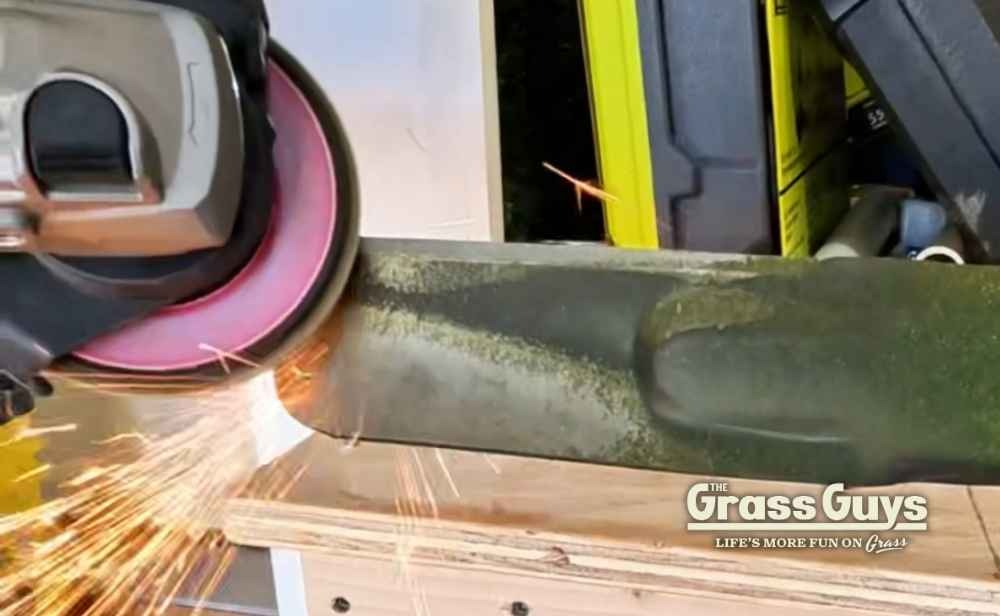
- Sharpen blade 1 to 2 times per season
- Basic engine maintenance
- Simple upkeep
Reel maintenance:
- Backlapping
- Blade to bed knife adjustment
- More frequent mowing
- More mechanical precision
Reel mowing is more hands-on.
Who Should Choose a Rotary Mower?
Choose rotary if:
- You want practicality
- You mow 3 to 4 inches
- You have uneven terrain
- You want low maintenance
- You mow once per week
This is the majority of homeowners.
Who Should Choose a Reel Mower?
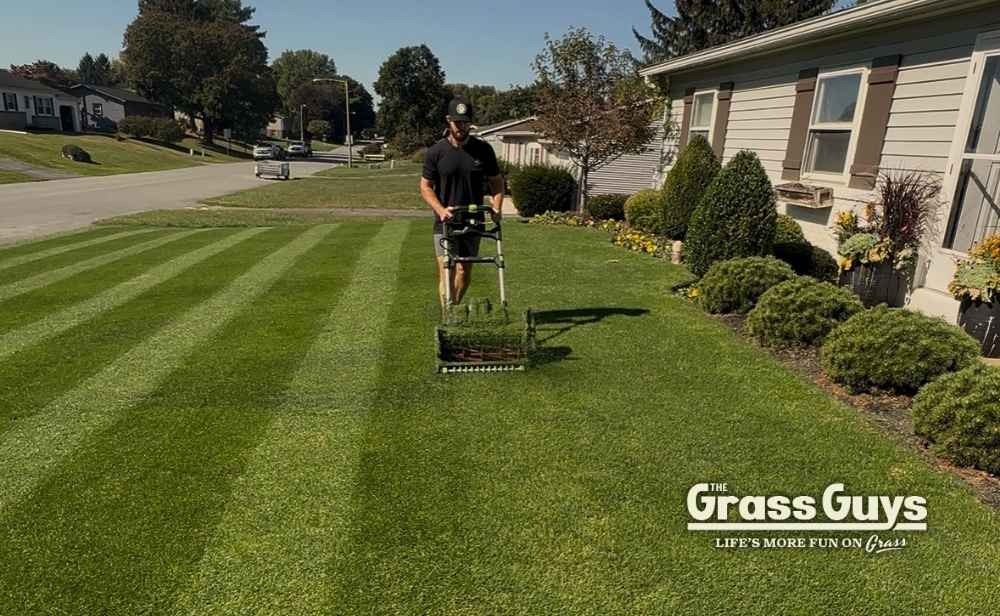
Choose reel if:
- You want golf-course-level finish
- You mow very low
- You are committed to frequent mowing
- You enjoy the process
Reel mowing is a hobby-level commitment.
Can You Stripe With Both?
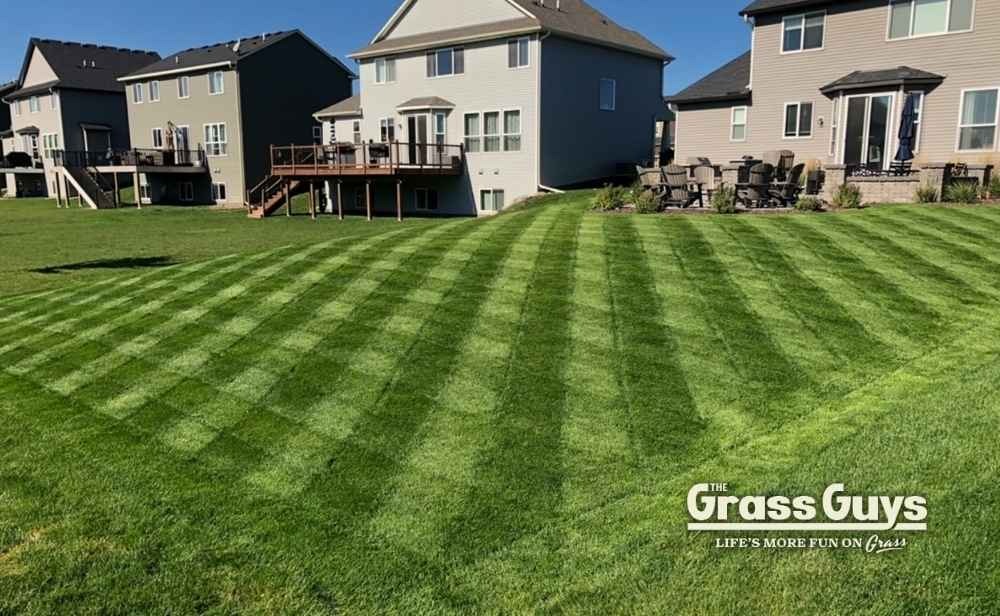
Yes.
Striping is about bending grass, not mower type.
However:
Reel mowers often create slightly more defined stripes at lower heights.
Rotary mowers with striping kits create bold stripes at residential heights.
👉 See: How to Get Lawn Stripes
The Honest Take
For most cool-season homeowners:
A well-maintained rotary mower is more than enough.
Reel mowing becomes relevant when:
- You want extremely low cuts
- You want maximum precision
- You are willing to manage it consistently
The mower does not make the lawn elite.
Consistency does.
Final Thoughts
Choosing between rotary and reel is not about status.
It is about:
- Mowing height
- Maintenance commitment
- Lawn goals
If you mow high and stay consistent, rotary wins for practicality.
If you want ultra-low, ultra-clean cuts and are ready for the work, reel delivers.
Master your mowing first.
Then upgrade intentionally.