Coated vs Non-Coated Grass Seed
What’s the Difference? And, Does It Actually Matter?
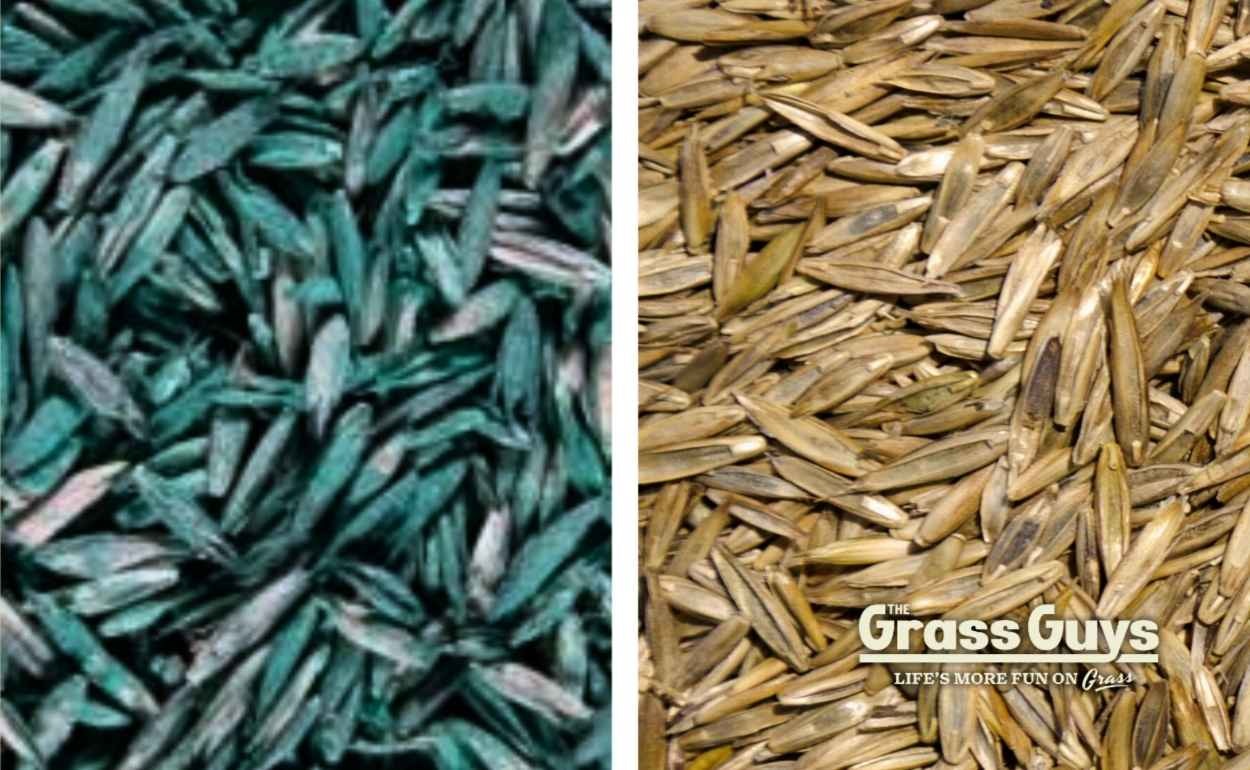
If you’ve ever looked at a grass seed bag and noticed words like:
- “Coated seed”
- “Water-saving coating”
- “Starter fertilizer included”
- “50% mulch coating”
Or, wondering why some are blue and some aren’t? You’re not alone.
One of the most confusing parts of buying grass seed is understanding what you’re actually paying for.
Because here’s the reality:
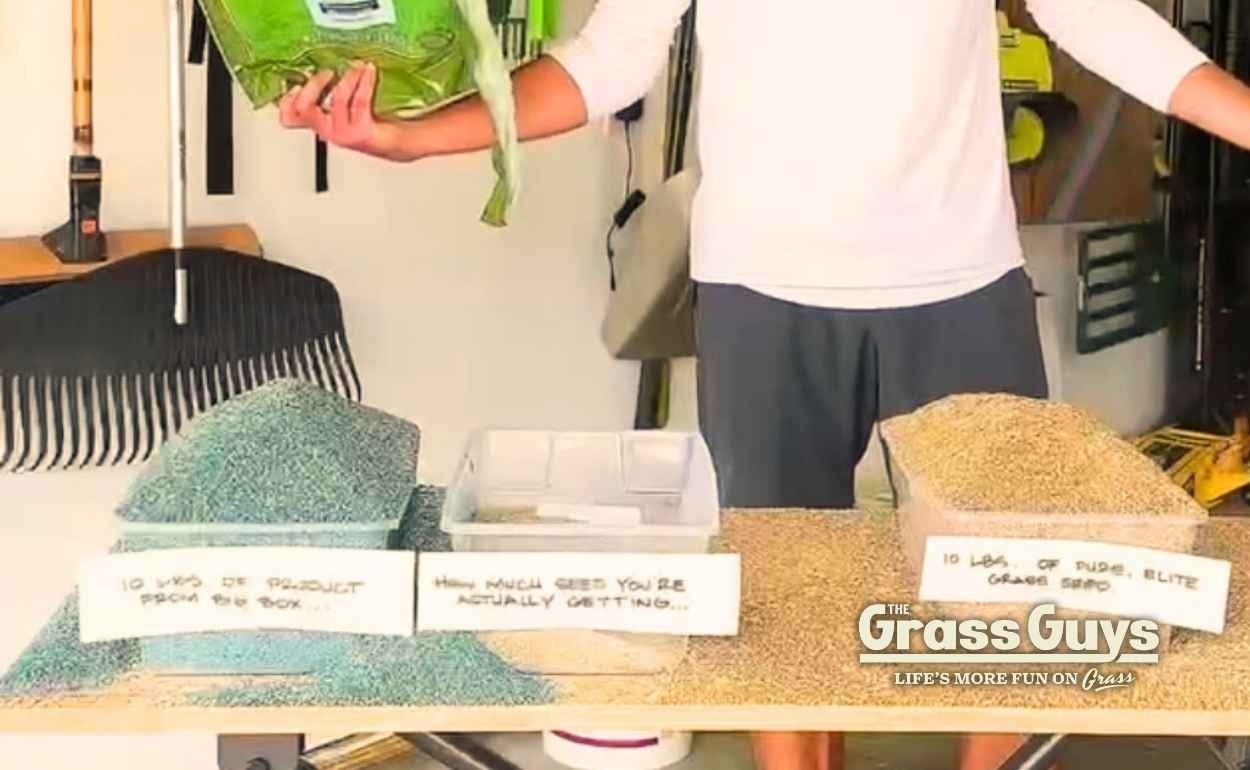
A 50 lb bag of seed is not always 50 lbs of actual seed.
Let’s break down the difference between coated and non-coated grass seed — and how it impacts homeowners.
What Is Coated Grass Seed?
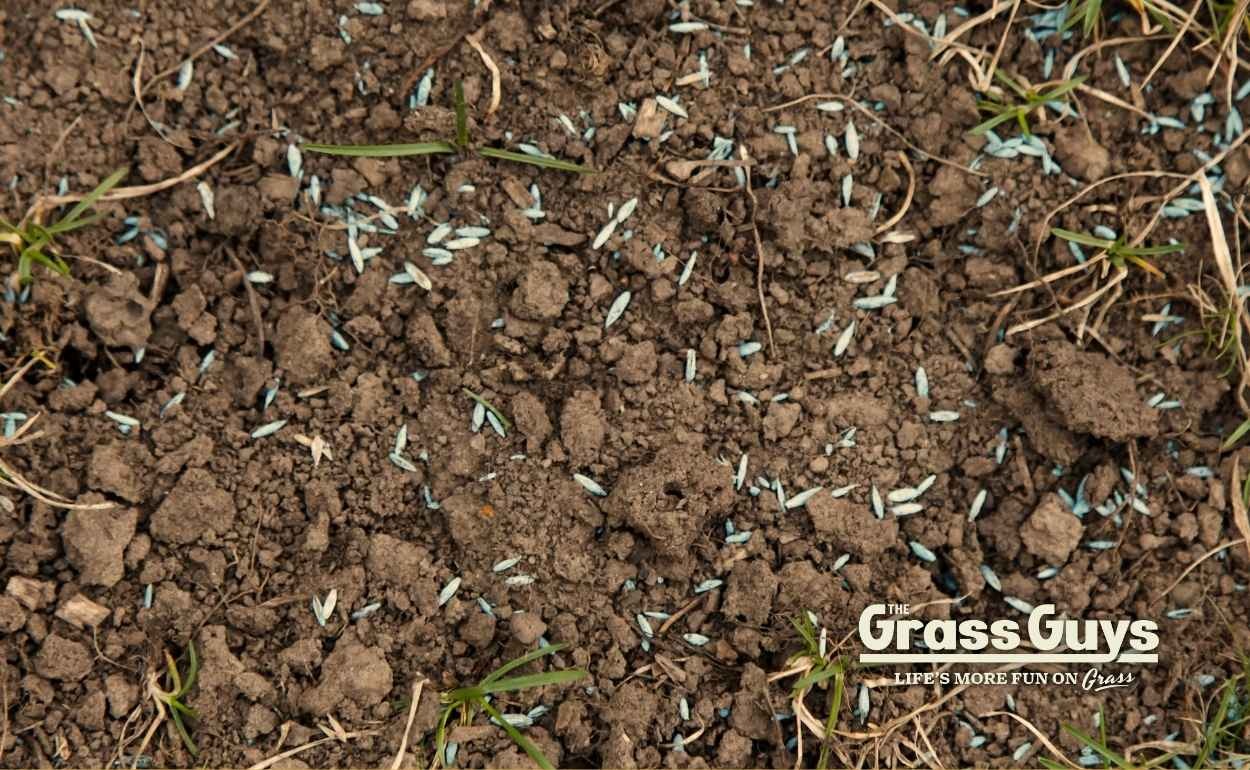
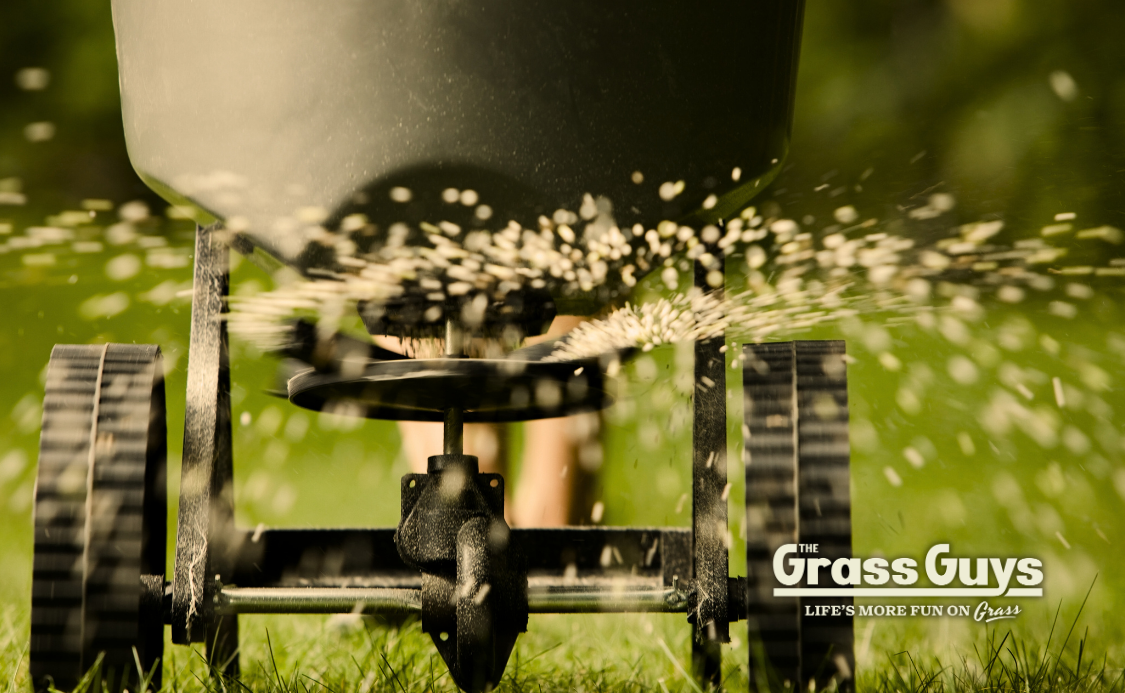
Coated grass seed has a visible outer layer surrounding each seed.
That coating may include:
- Starter fertilizer
- Moisture-retaining polymers
- Mulch or protective material
- Fungicide or seed protectants
The goal of coating is to:
- Improve moisture retention
- Enhance early establishment
- Reduce beginner error
- Protect seedlings during germination
The Potential Upside of Coated Seed
For many homeowners, coated seed claims to:
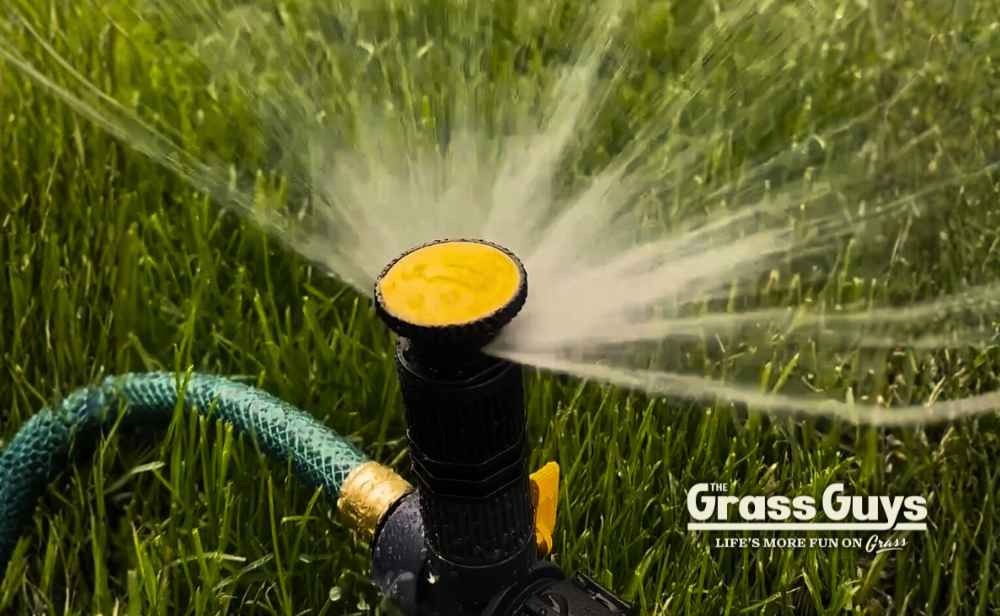
1. Help with moisture management
The coating can retain water near the seed during germination.
2. Improve beginner success
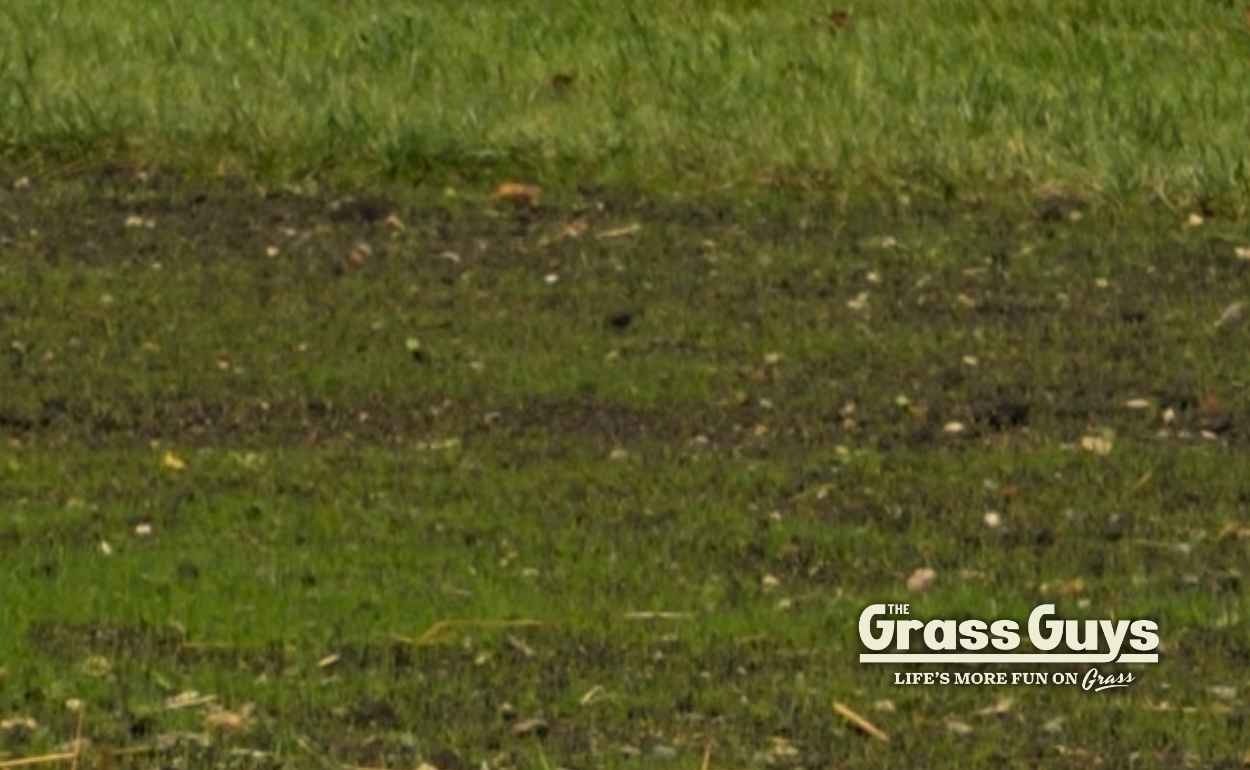
Most notably in small patch repair projects.
3. Include starter nutrients
Some blends incorporate fertilizer into the coating.
4. Improve seed visibility
Coated seeds are often larger and easier to see when spreading.
For first-time seeders, coated seed can offer a little forgiveness.
The Huge Downside of Coated Seed
What the big box stores don’t want you to know
Here’s where people get surprised.
You’re not buying 100% seed.
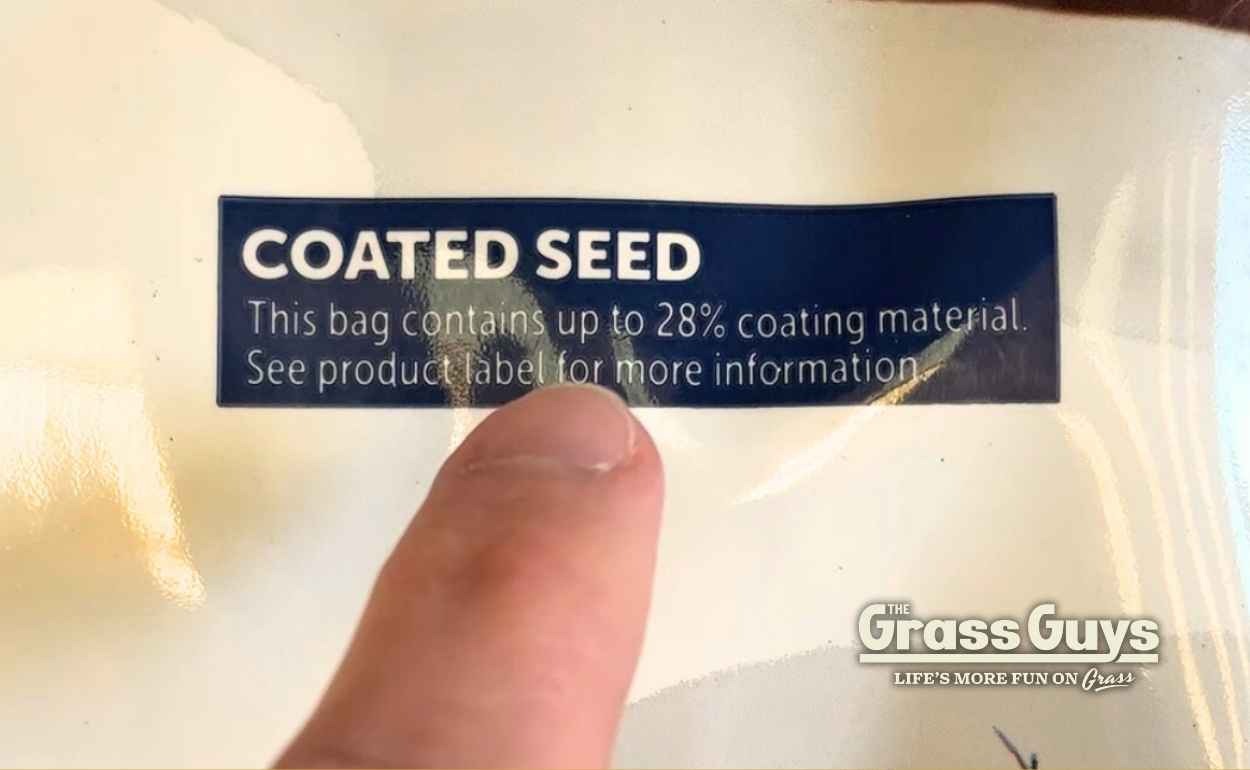
Did you know that all bags of grass seed have labels?
Yes, even bags of grass seed are required to have labels on them, telling you exactly what is inside the bag you’re about to buy.
Just like how Nutritional Facts are required to be placed on food products we buy, the same goes for grass seed.
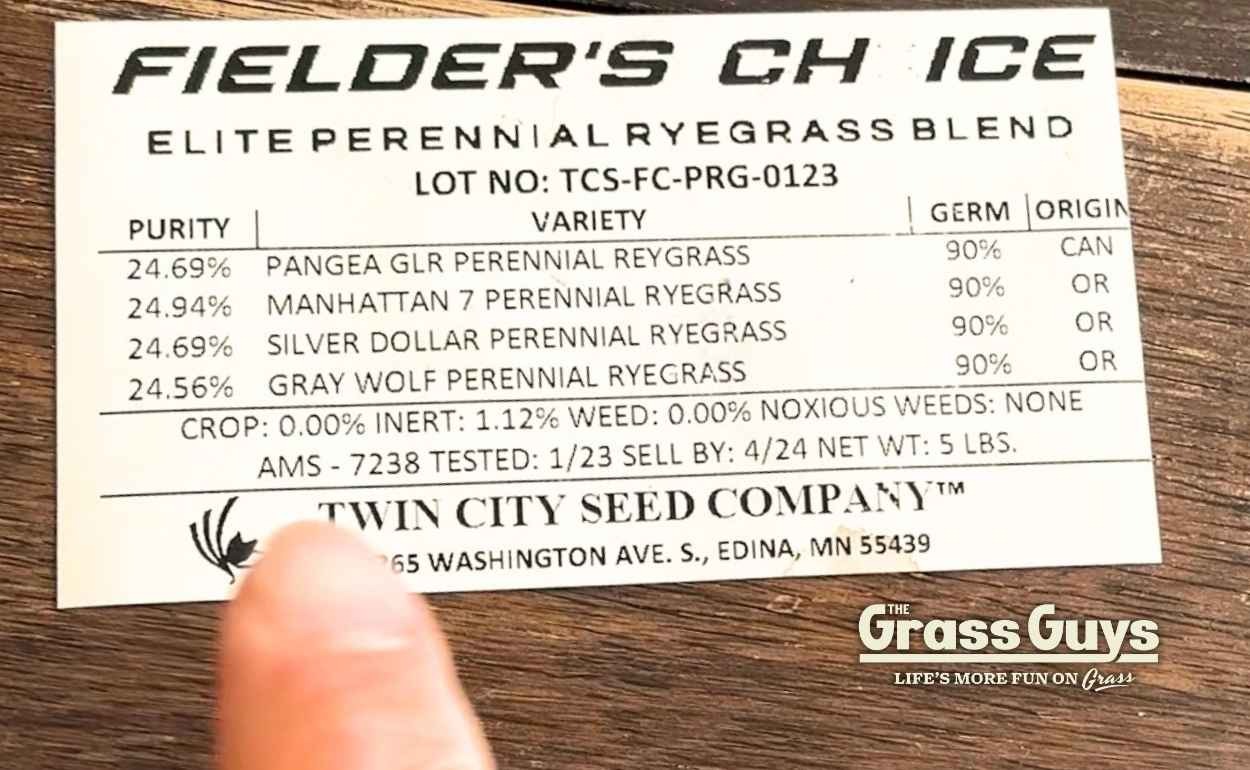
The label tells us things like:
- The kind of grass seed included in the bag
- Where the grass seed originated from
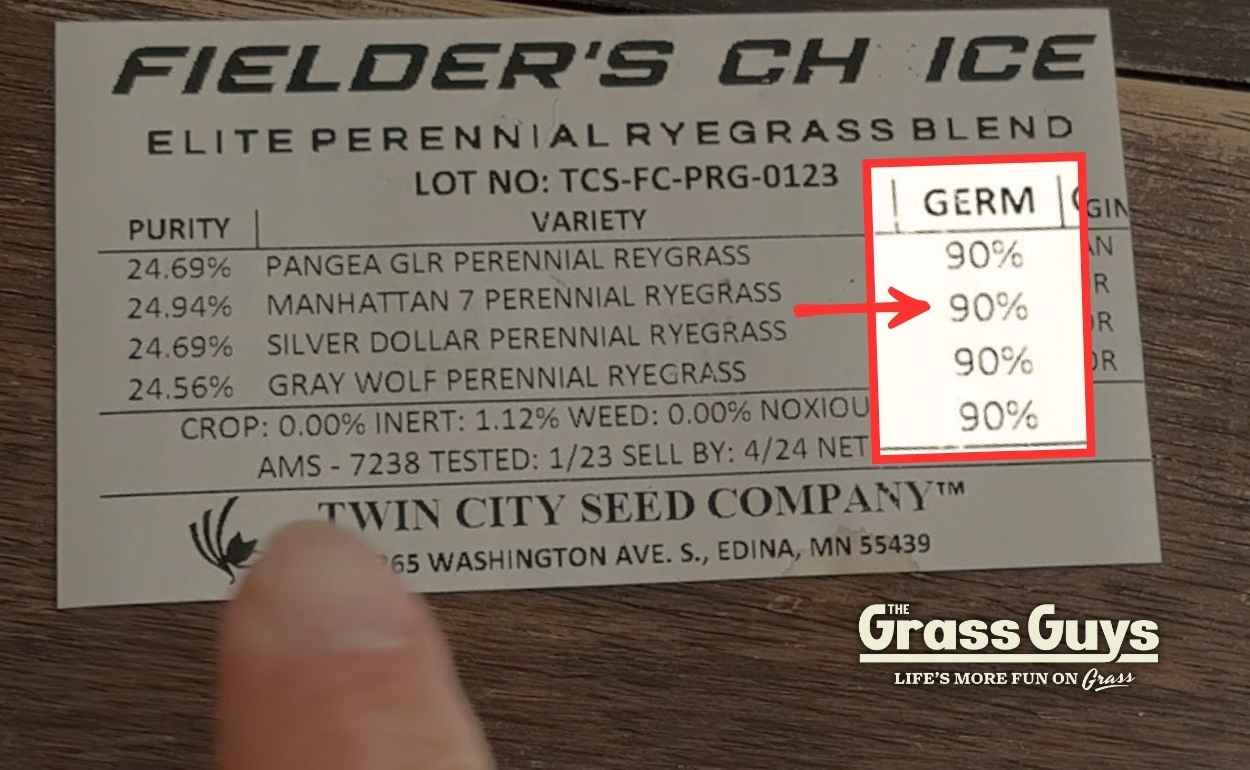
- The expected germination percentage for the cultivars in the bag
But it also tells us things like:
- The overall purity of grass seed in the bag
These should all be 100% grass seed, right? …Wrong!
Some coated products are:
- 25% coating
- 50% coating
- Occasionally even higher
That means:
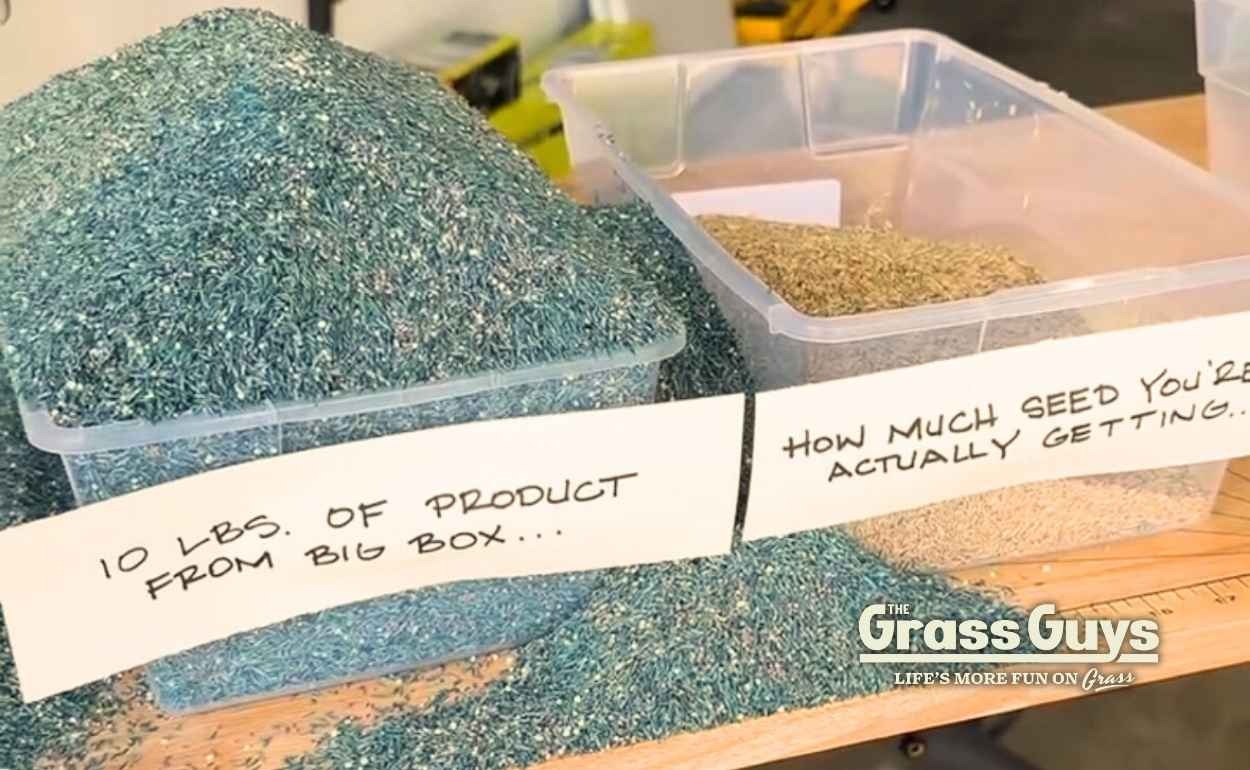
A 50 lb bag may only contain 25–35 lbs of actual seed.
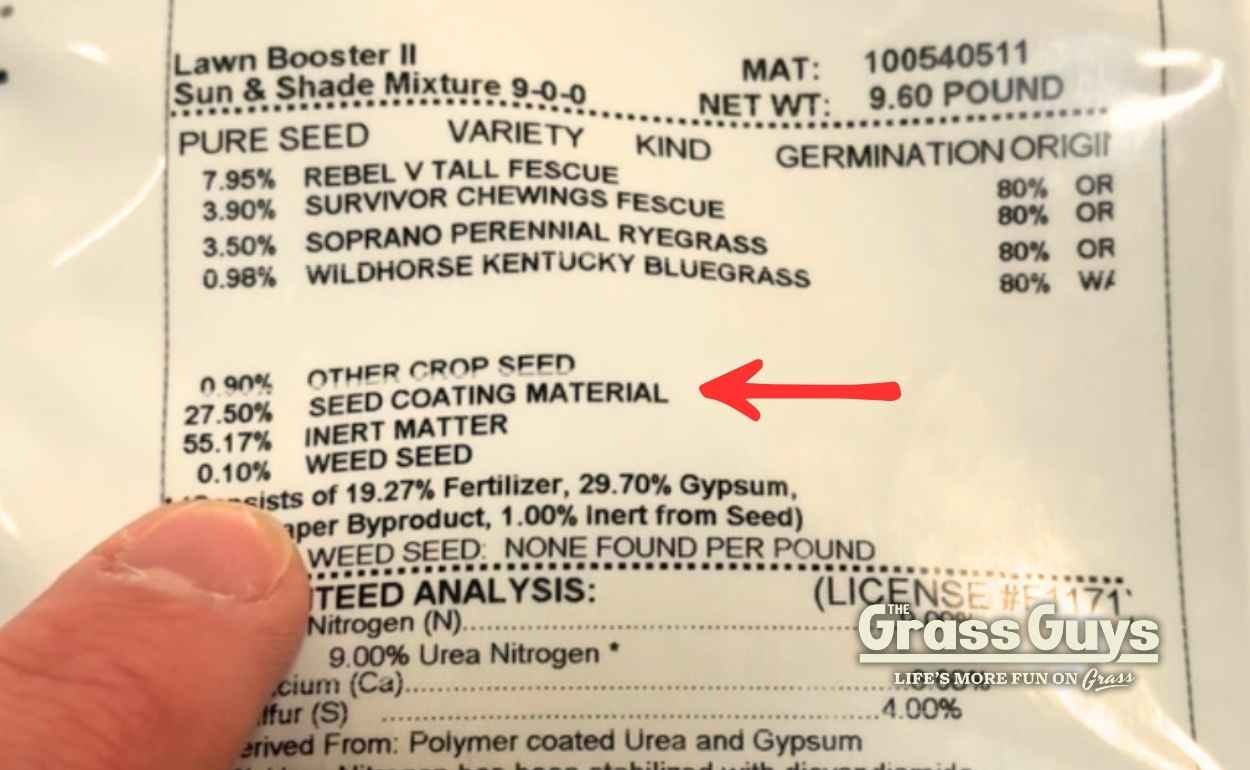
This impacts:
- Cost per pound of seed
- Seeding rates
- Coverage calculations
You’re paying for coating weight, not just seed.
In the bag above:
- Only 16.33% of this ~10 lbs. bag of grass seed is grass seed.
- A whopping 83.67% of this bag is filled with things other than grass seed.
Feel robbed? You’re not alone.
However, with all of that said, there is a time and a place to consider using coated grass seed.
What Is Non-Coated Grass Seed?
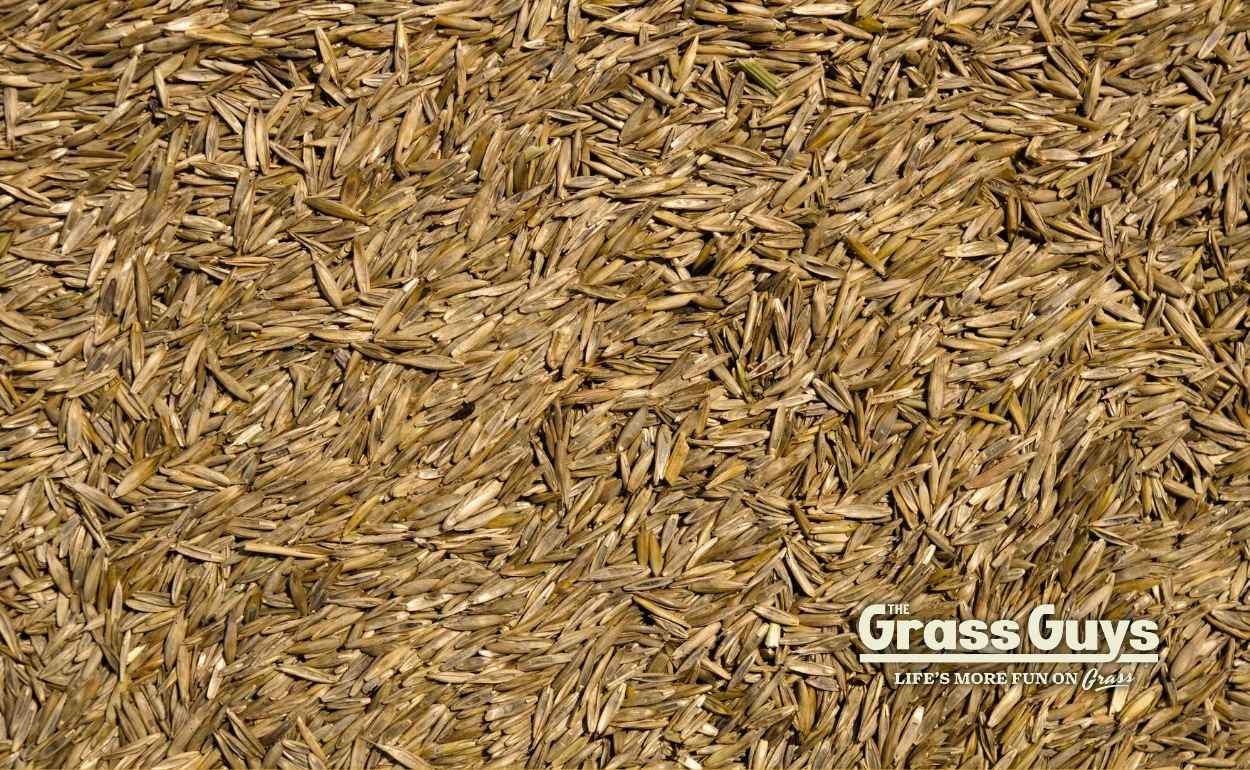
Non-coated seed is exactly what it sounds like:
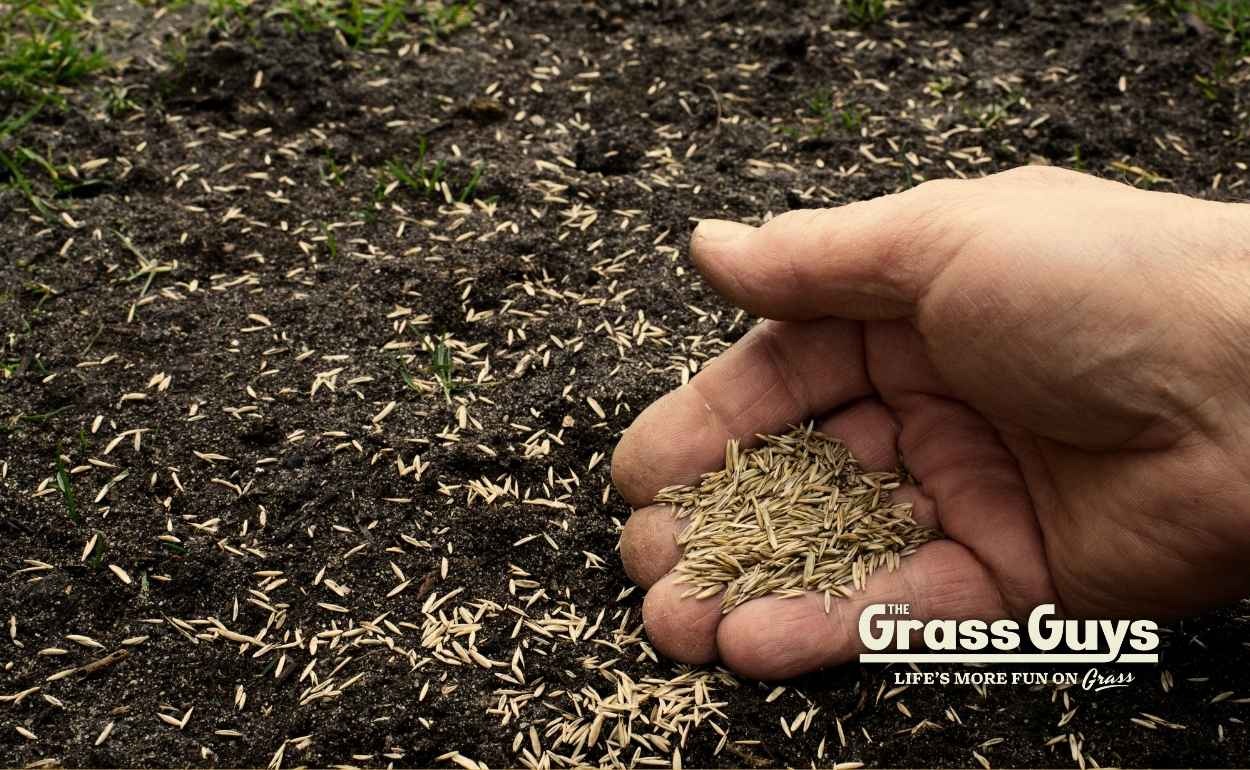
Pure seed. No added outer layer. What you see is what you plant.
The Upside of Non-Coated Seed
1. More seed per pound
You’re buying actual seed weight.
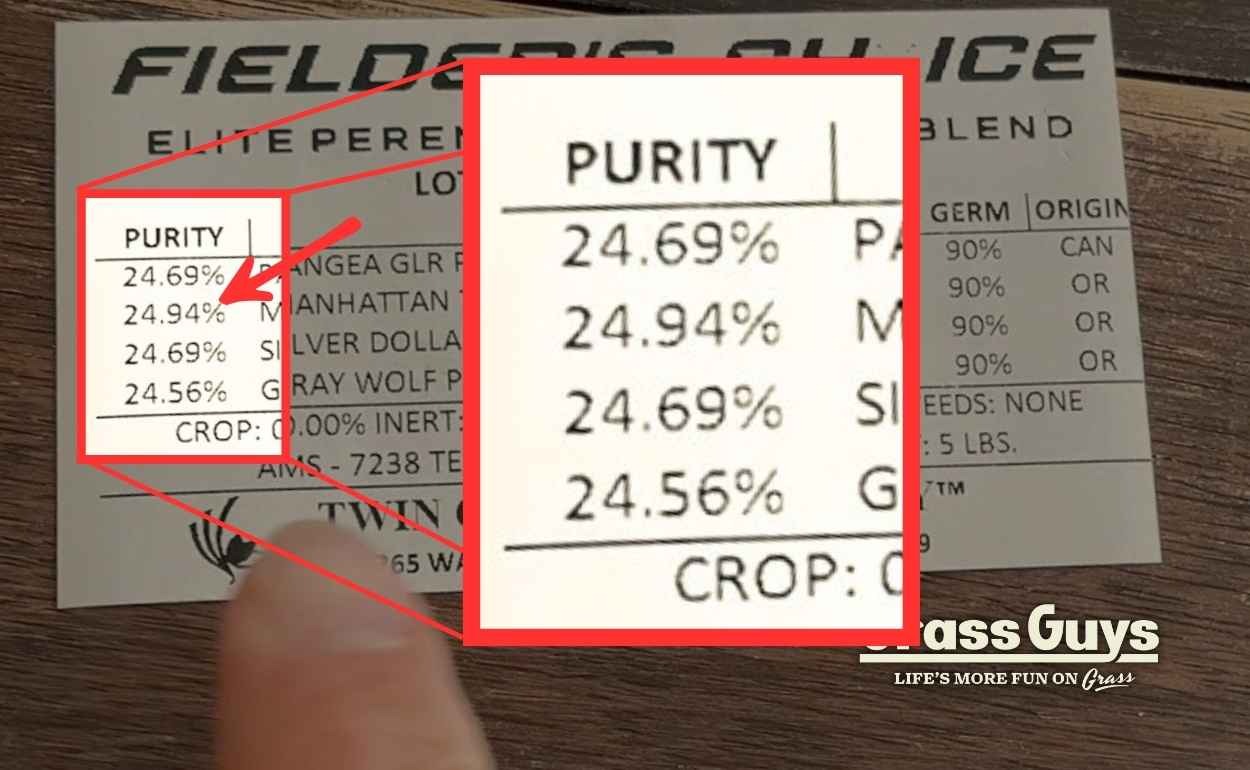
2. Purity (above):
The proportion of the specific, intended grass seed in the mix, not the overall quality or viability of the seed itself. A higher purity ensures a more consistent, uniform lawn without significant weed contamination or undesirable grass types (below).
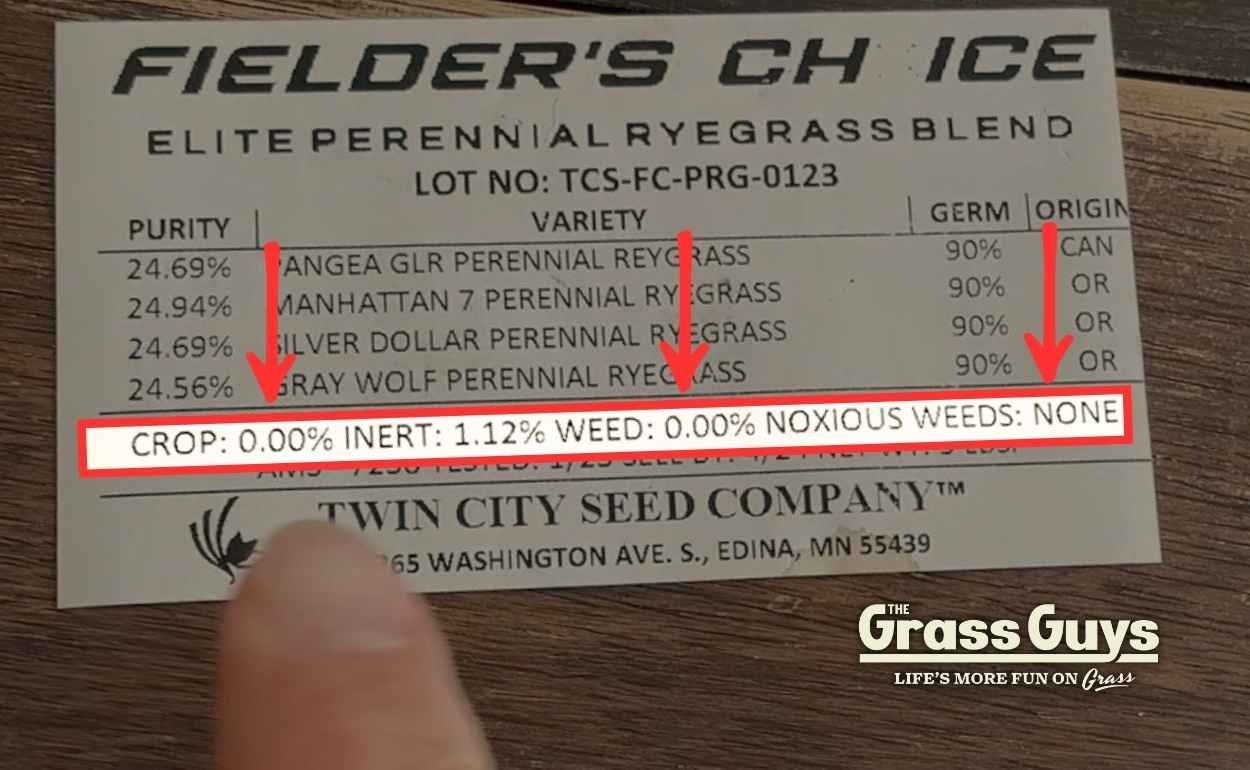
3. Other Impactful Components (below):
The remaining percentage of what is in the bag, other than grass seed.
These include:
- Other Crop: refers to agricultural seeds, such as forage grasses or legumes, present in a turfgrass mix, often considered contaminants if they differ in color or texture from the desired law
- Inert Matter: Non-living, non-seed components, such as dirt, sand, stems, and broken seed parts that will not germinate.
- Weed Seeds: Undesirable, often non-native plant seeds, such as dandelion, crabgrass, and other common weeds.
- Noxious Weeds: Legally defined plants that can be detrimental crops, health, and/or property
4. More predictable seeding rates
Less guesswork on coverage.
5. Often better value per square foot
Especially when buying premium blends.
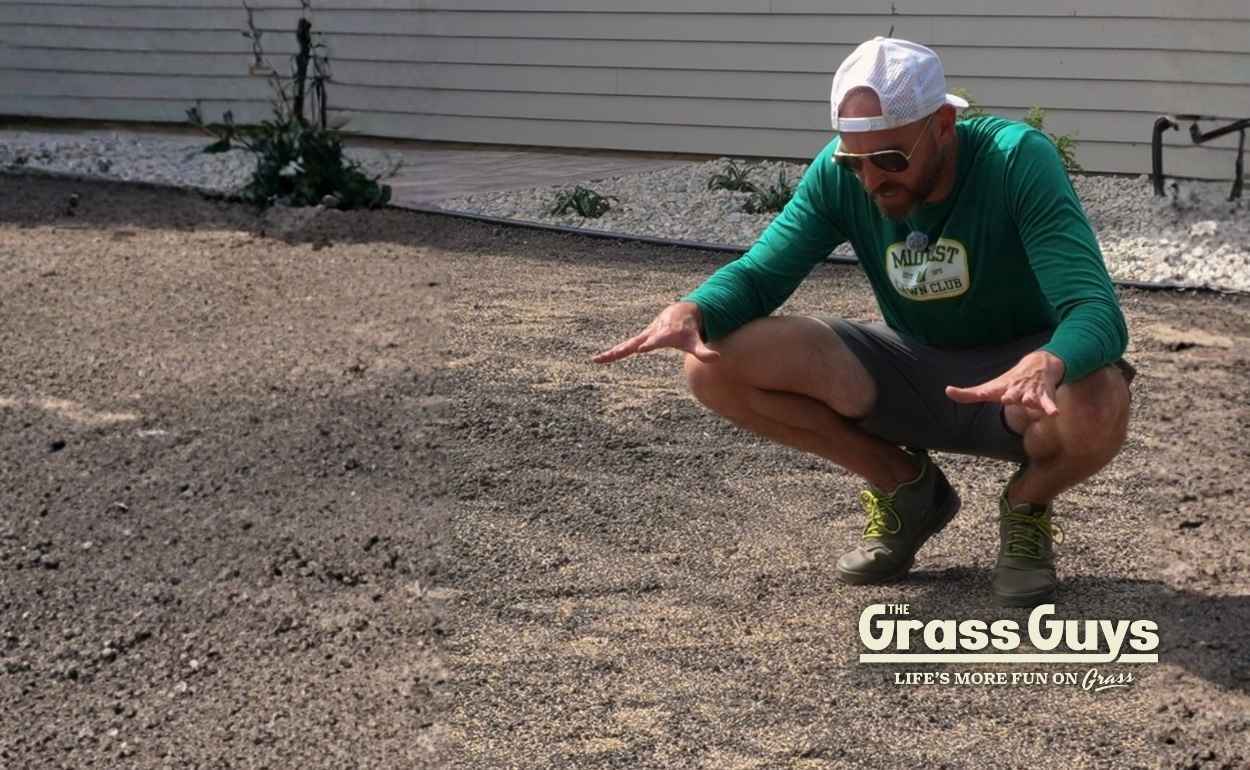
6. Faster soil contact
No barrier between seed and soil.
This is why many experienced homeowners prefer non-coated seed.
The Downside of Non-Coated Seed
It requires:
- Proper soil contact
- Consistent watering
- More careful application
It can be less forgiving if:
- You skip soil prep
- You under-water
- You spread unevenly
Non-coated seed rewards when proper preparation has been completed paired with consistent care throughout the germination process.
We say that about non-coated seed, but the truth is that both coated and non-coated seed need proper preparation along with consistent care. If you’re willing to spend more for less seed with coated seed, you might be able to get away with the accidental “oh crap, I forgot to water!”
Which Should You Choose?
Here’s the honest breakdown.
Choose Coated Seed If:
- You’re only repairing small bare spots
- You’re required additional moisture support
- You enjoy spending more money for less grass seed
Coated seed adds convenience, but comes at a price.
Choose Non-Coated Seed If:
- You’re overseeding large areas
- You want maximum value per pound
- You’re buying premium blends
- You understand watering requirements
Most serious lawn renovations use non-coated seed, but you don’t need to be a pro to get results.
Does Coating Improve Drought Tolerance?
This is important:
The coating itself does not change the genetics of the grass.
Drought tolerance comes from:
- Grass type (tall fescue vs bluegrass, etc.)
- Root depth
- Establishment timing
- Watering practices
Coating only claims to impact early germination — not long-term performance.
If drought tolerance is your priority:
👉 See: Best Grass for Drought
Seeding Rates: Why Coating Matters
When using coated seed:
You may need to apply more total weight to reach proper seed density.
Always check:
- Percentage of coating listed on the label
- Recommended pounds per 1,000 sq ft
If the bag says 50% coating, you’re effectively getting half seed weight.
That’s why label reading matters.
Our Recommendation Strategy
First, find the best grass seed that's best for you by downloading our free guide "What Grass is Best for Me!?" for our exact seed recommendations for you.
Small Patch Repair
Coated seed can work well, but is not required.
Large Overseeding Project
High-quality non-coated seed preferred
Full Lawn Renovation
Premium non-coated blend
Beginner Homeowner
High-quality non-coated seed preferred
Often seeking maximum value per pound, non-coated seed wins 100% of the time.
Want Our Exact Seed Recommendations?
If you’re unsure whether coated or non-coated is right for your project:
👉 Download our free guide: What Grass is Best for Me?
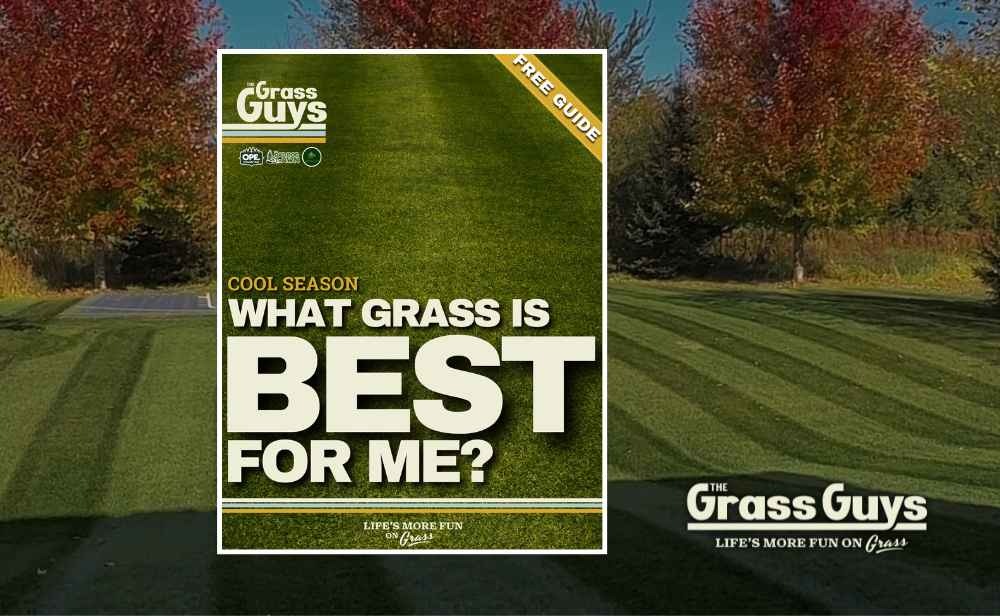
It includes:
- Our favorite premium blends
- Shade vs sun breakdown
- Traffic vs drought picks
- Beginner-friendly options
Plus seasonal reminders delivered to your inbox.
Common Homeowner Mistakes With Seed
- Assuming coated = better
- Ignoring coating percentage
- Using cheap contractor seed
- Seeding at the wrong time
- Under-watering during germination
Most failures aren’t about coating.
They’re about timing.
👉 See: Cool-Season Lawn Calendar
👉 Deep Dive: How to Overseed Properly
Final Thoughts
Coated seed isn’t necessarily a gimmick. Any seed can be coated, not making the actual quality of the grass seed any better or worse…
But…
They just serve entirely different purposes and one (Spoiler alert: the blue one) is heavily marketed by big box stores to homeowners who are often casual buyers who are unaware of the difference to gain a much, much higher profit margin.
There is a reason the first bags of grass seed you see in a big box store are the coated bags of seed. Don’t believe us? Flip the bags over and look at the labels, then let us know how long it took you to find a non-coated bag of grass seed.
If you understand what you’re buying (and why), you’ll make the right decision for your lawn.
Focus on:
- Quality genetics
- Proper timing
- Consistent watering
That’s what separates good lawns from great ones.