Best Grass Seed for Sun & Shade
Cool-season grasses for Cool-Season and Transition Zones
How to Grow a Thick, Healthy Lawn Where Light Varies
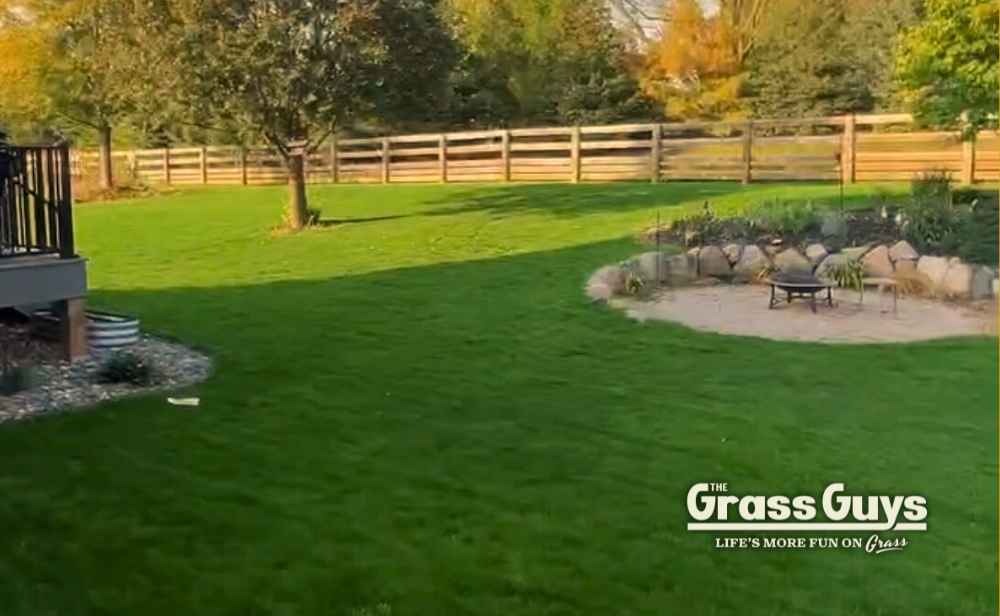
Most yards don’t get full sun everywhere. Maybe:
- One side of the yard gets morning sun, afternoon shade
- A big tree casts shadows most of the day
- A house blocks direct light in spots
That’s when a sun-and-shade grass seed mix becomes one of the smartest decisions you can make.
The goal isn’t a “one-size-fits-all” seed — it’s a balanced blend that performs both in full sun and in partial shade. You want a seed that fills in bare patches, germinates well, and adapts to your lawn’s micro-climates.
Below is your complete guide to picking, timing, and applying sun & shade grass seed for cool-season lawns.
What “Sun & Shade” Really Means
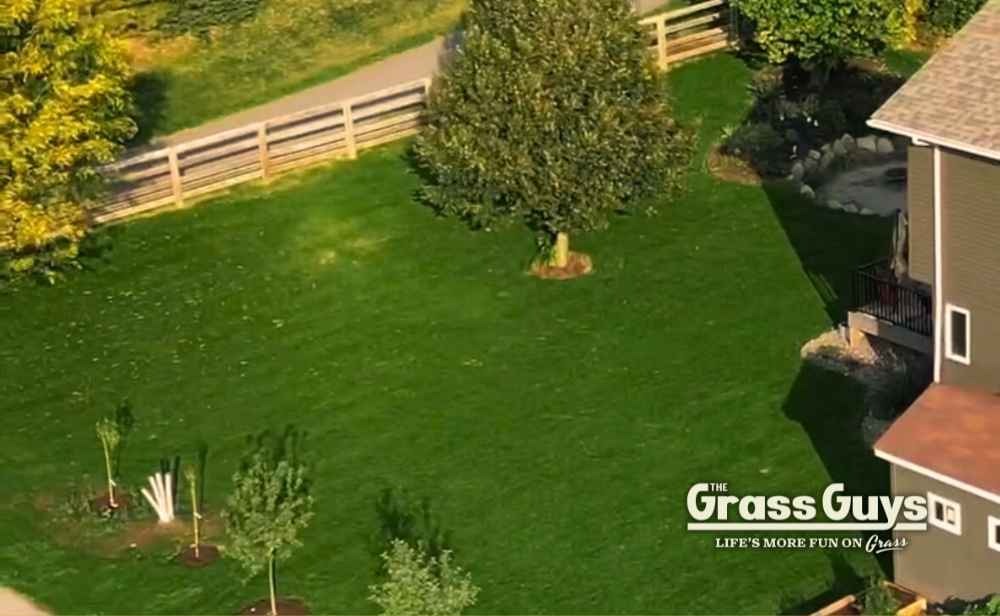
In lawn terms:
- Full sun: 6+ hours of direct sunlight
- Partial sun/shade: 3–6 hours direct sunlight or filtered light
- Dense shade: Less than 3 hours direct sunlight
Sun & shade seed mixes are generally formulated for yards with 4–6 hours of sun daily or shifting light conditions throughout the day.
Why Mixed Sun & Shade Lawns Need a Blend
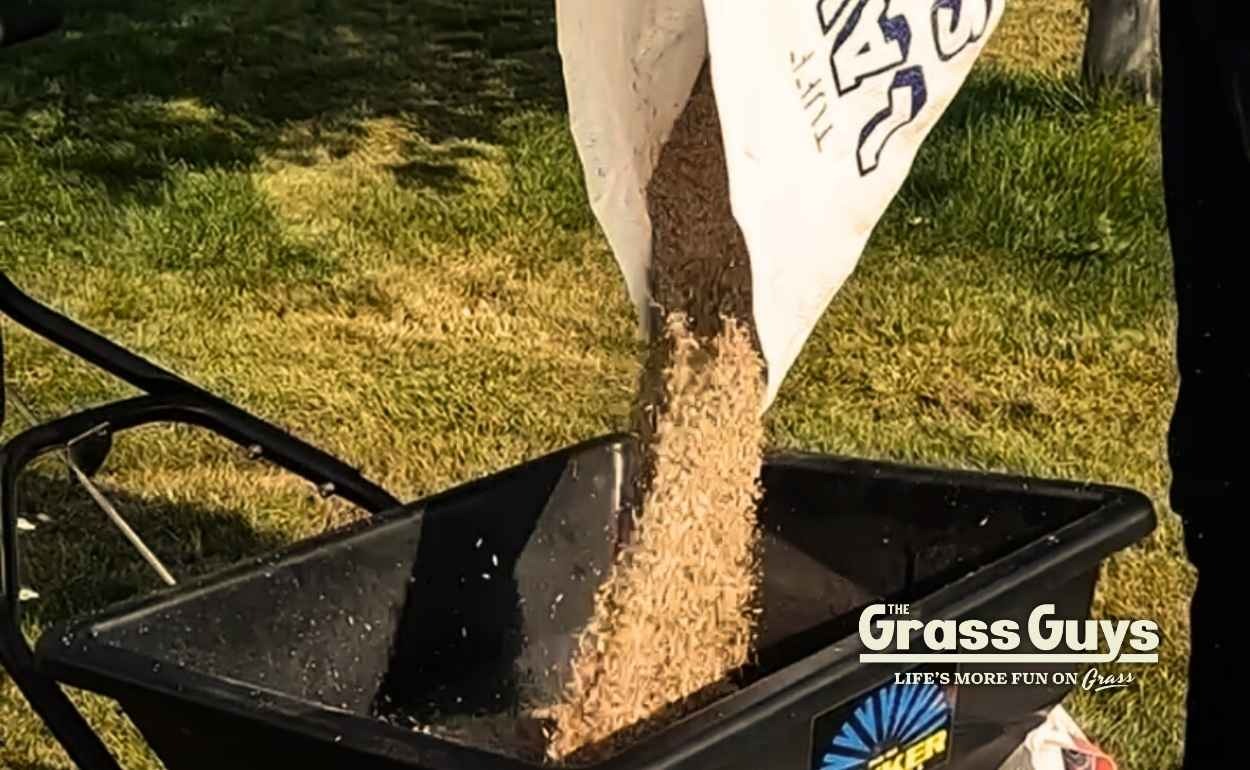
No single grass type does everything equally well.
- Sun-loving grasses (like some Kentucky bluegrass) struggle in low light
- Shade-tolerant grasses (like fine fescue) may thin out in full sun
- A balanced blend gives you coverage and adaptability
Better seed genetics mean:
- Faster establishment
- Even color across sun/shade transitions
- Resilience to stress (heat, drought, foot traffic)
The Best Grass Types for Mixed Sun & Shade
Most effective sun & shade mixes combine the strengths of several grasses:
Turf-Type Tall Fescue
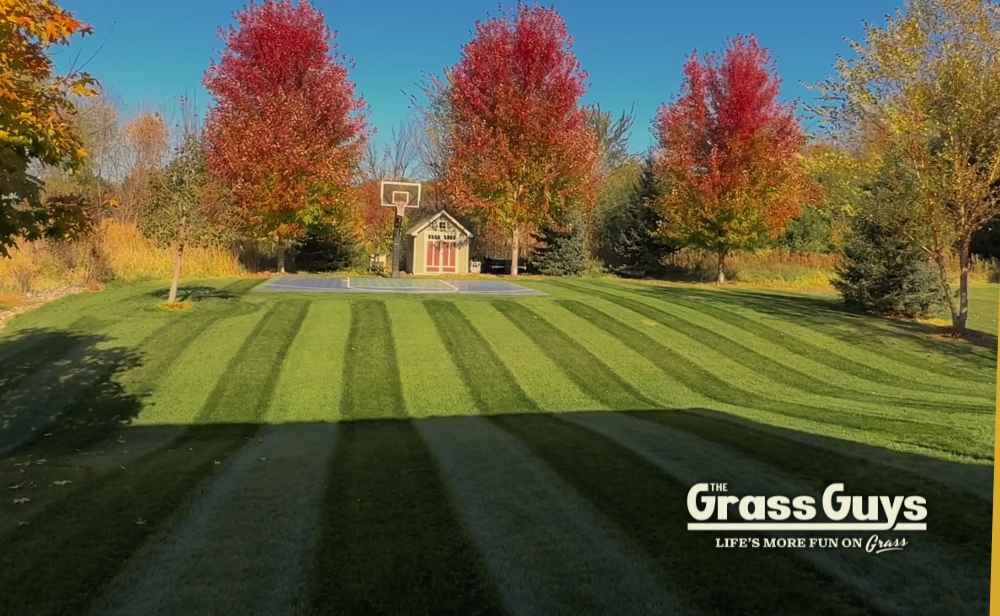
- Solid performance with 4–6 hours of sun
- Good drought tolerance
- Deep roots help survive heat
- Often the backbone of versatile mixes
Tall fescue is widely recommended for lawns that move between sun and shade.
Perennial Ryegrass
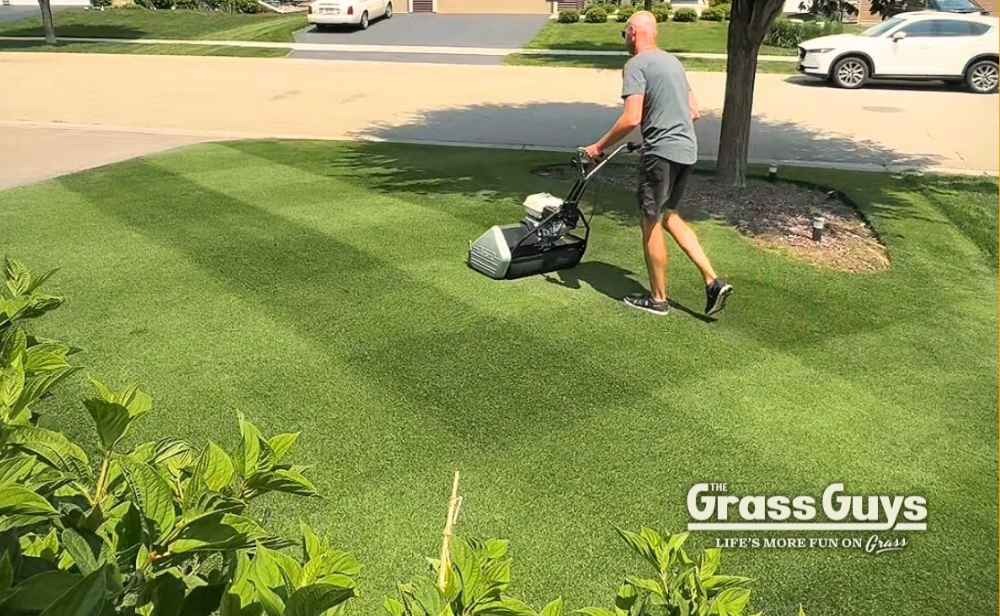
- Fast germination
- Good color and early cover
- Tolerates light shade
Often included in sun & shade blends to speed early establishment.
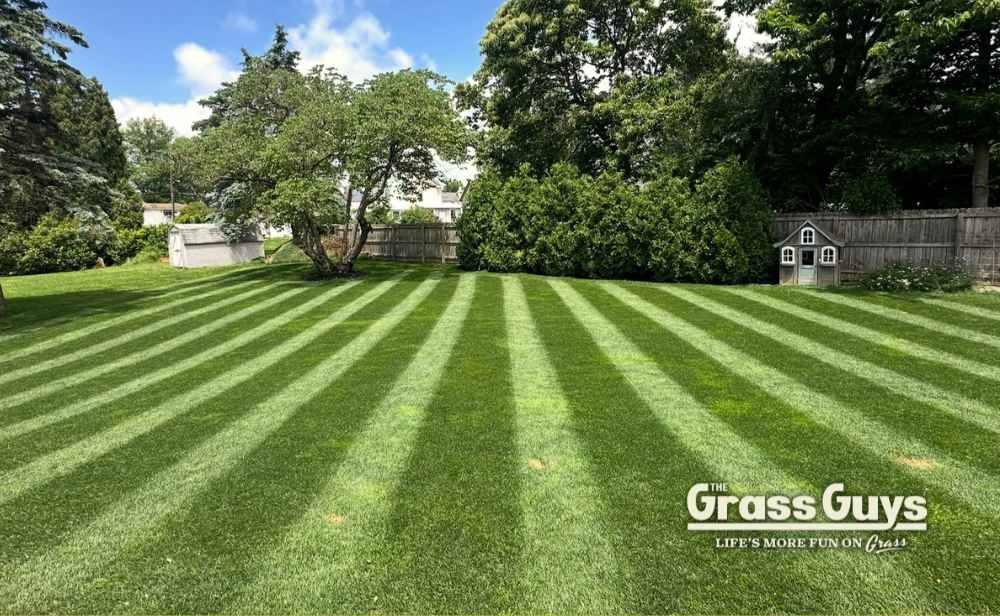
Kentucky Bluegrass
- Excellent color and turf density
- Performs best in sun but still survives in partial shade
In sun & shade mixes, bluegrass helps provide richness without dominating.
Fine Fescue
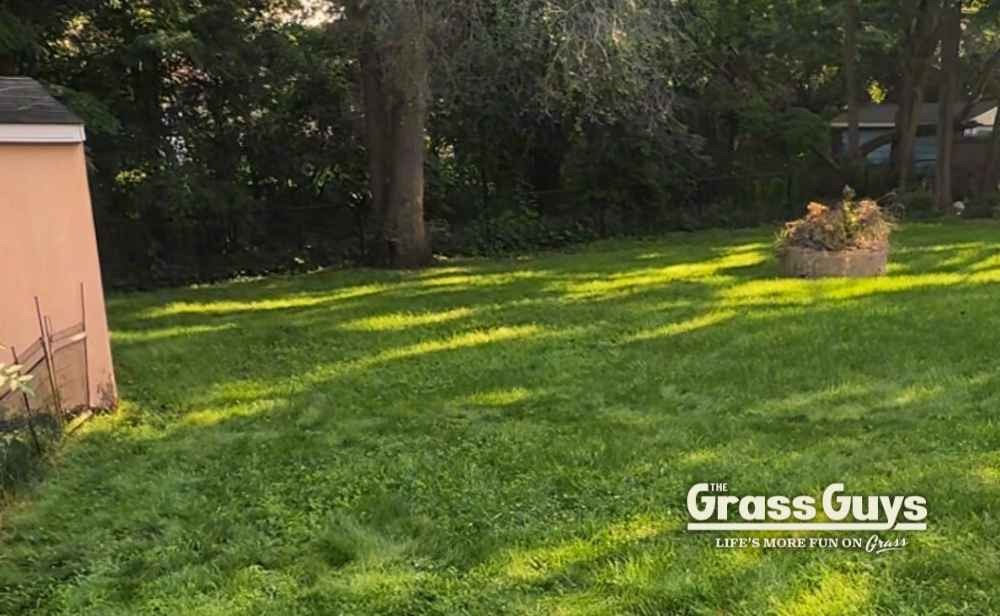
- Excellent shade tolerance
- Fine texture blends well with other grasses
Great in cooler shady pockets, but alone may not hold up as well in sun.
How a Sun & Shade Mix Works
The idea is balance:
- Tall fescue + ryegrass: Fast establishment + resilience
- Bluegrass: Turf density and color
- Fine fescue: Shade tolerance and lower input
These combinations help lawns transition seamlessly between sunny and partially shaded areas.
When to Seed for Best Results
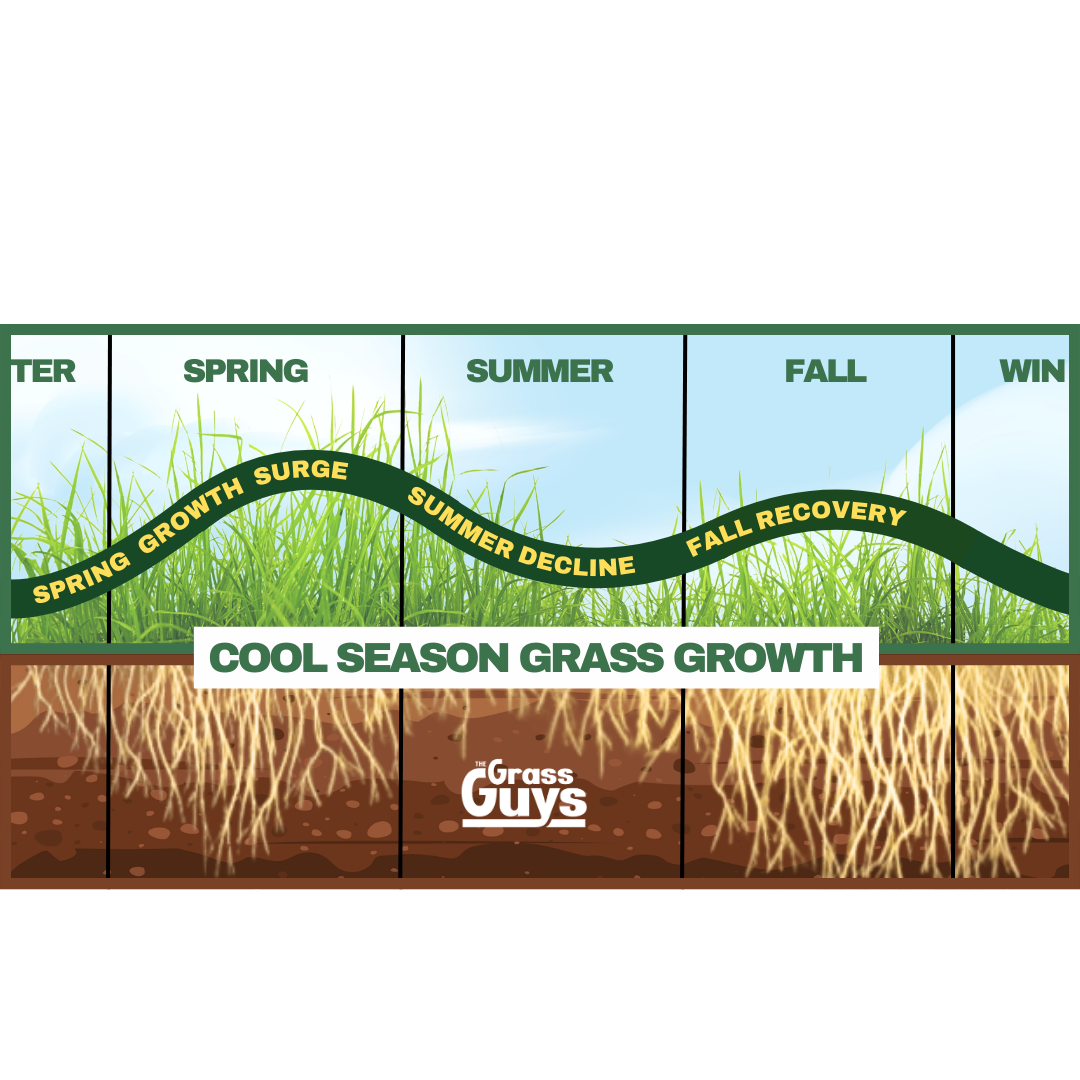
Optimal Seeding Timing for Cool-Season Lawns
Early fall
warm soil + cool air = fastest germination and best establishment before winter.
Fall seeding helps seedlings build deeper roots before the next spring and summer stress period.
👉 See: Cool-Season Lawn Calendar
Spring Seeding
Possible, but:
- Higher weed competition
- Less time before summer stress
Fall remains the priority.
How Much Seed You Need
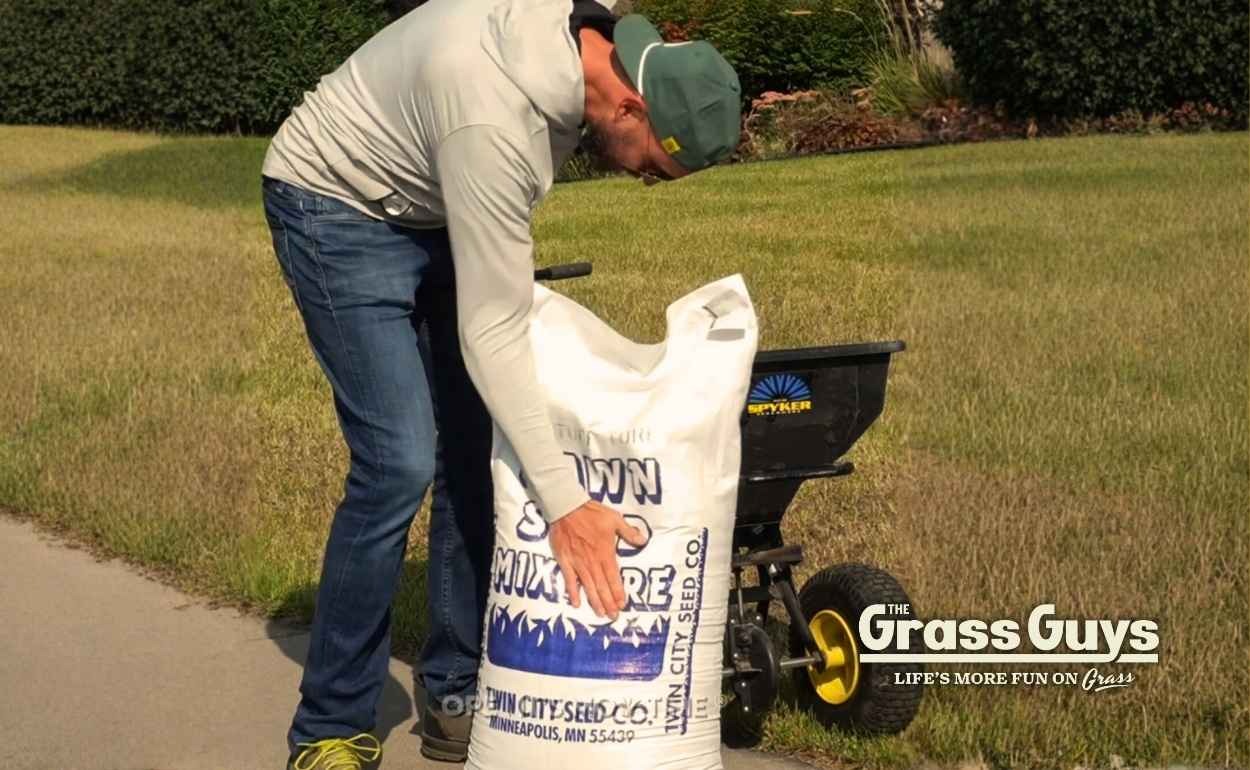
Guideline for sun & shade mixes:
- Overseeding existing turf: ~3–5 lbs per 1,000 sq ft
- Brand-new lawns: ~5–8 lbs per 1,000 sq ft
Always check the seed label, do not go cheap on grass seed.
👉 Deep Dive: Seeding Rate Guide
How to Apply Sun & Shade Grass Seed
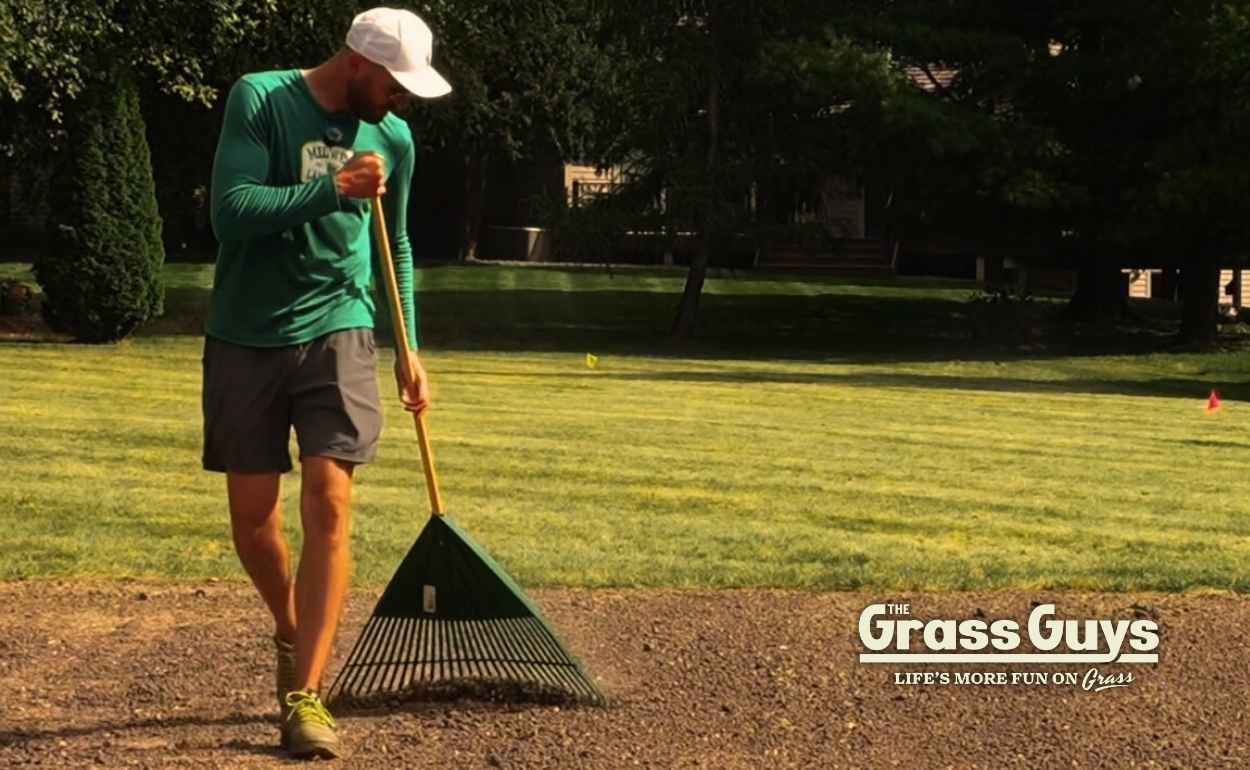
- Prep soil – rake or lightly loosen soil surface
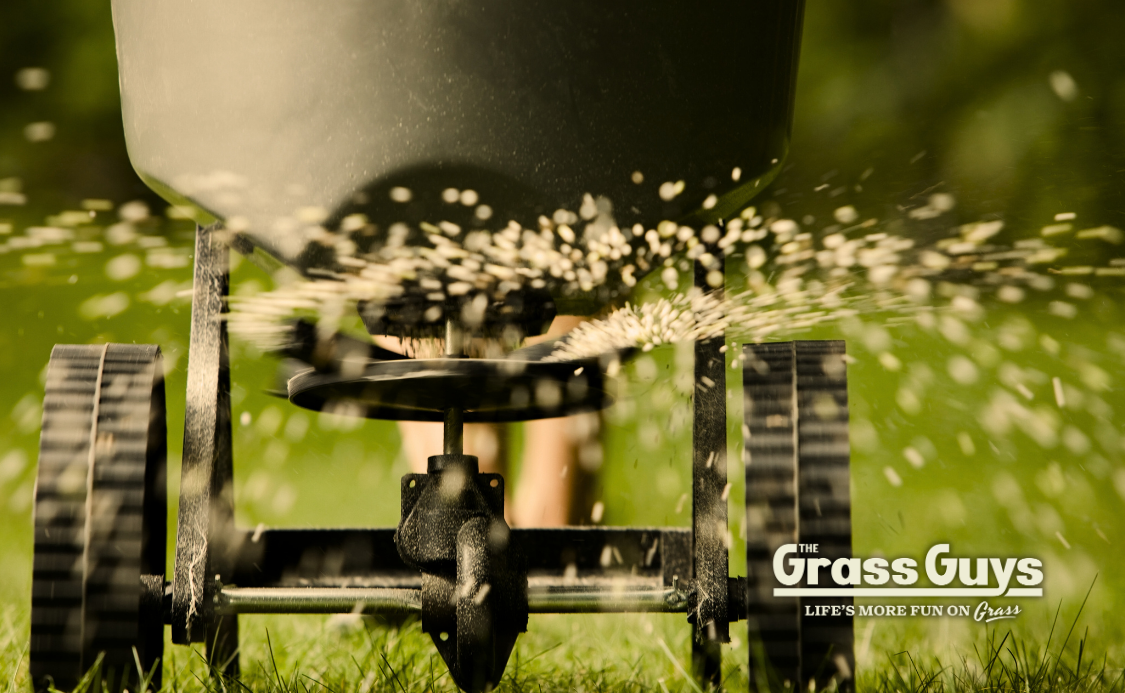
- Spread seed evenly – use a broadcast spreader
- Add starter fertilizer (optional but helpful)
- Keep soil consistently moist until germination
- Transition to deeper, infrequent watering once seedlings establish
Seeds want good soil contact, that’s how they succeed.
Our Top Picks for Sun & Shade Grass Seed
1. Top Sun & Shade Lawn Seed

Twin City Seed | Blue Resilience: Elite Turf Type Tall Fescue & Kentucky Bluegrass Seed Mixture
- Elite tall fescue + Kentucky bluegrass combo for resilience and beauty
- Rhizomatous tall fescues for lateral spread and self-repair
- Blue Gem bluegrass improves winter survival and color retention
- Superior drought & traffic tolerance for active family lawns
- Thrives in full sun to moderate shade across diverse soil types
- Perfect for high-use areas like neighborhood play zones, dog yards, and front lawns
2. All-Purpose Sun & Shade Mix
Twin City Seed | Tuff Turf Seed Mixture
- Combination of improved turf-type tall fescues with perennial ryegrass and Kentucky bluegrass
- Excellent drought tolerance, wear tolerance, and will perform nicely in a variety of soil conditions.
- Adapts to full sun to reasonably heavy shade conditions.
- Best used where budgets dictate that input levels are low and in fact low levels of input are preferred.
- Approved by the Turfgrass Water Conservation Alliance.
3. Budget Sun & Shade Option
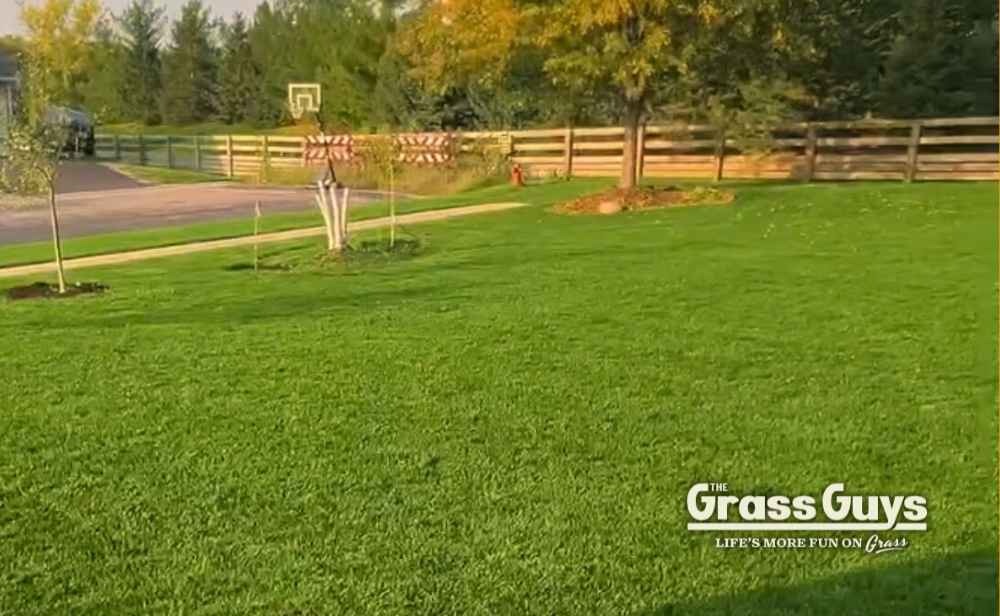
Twin City Seed | Sun/Shade Seed Mixture
- Designed a quality turf stand that requires normal to low maintenance practices.
- Can be used where conditions provide medium (50% to 30%) amounts of sun and shade.
- Proudly approved by the Turfgrass Water Conservation Alliance.
Common Mistakes With Sun & Shade Lawns
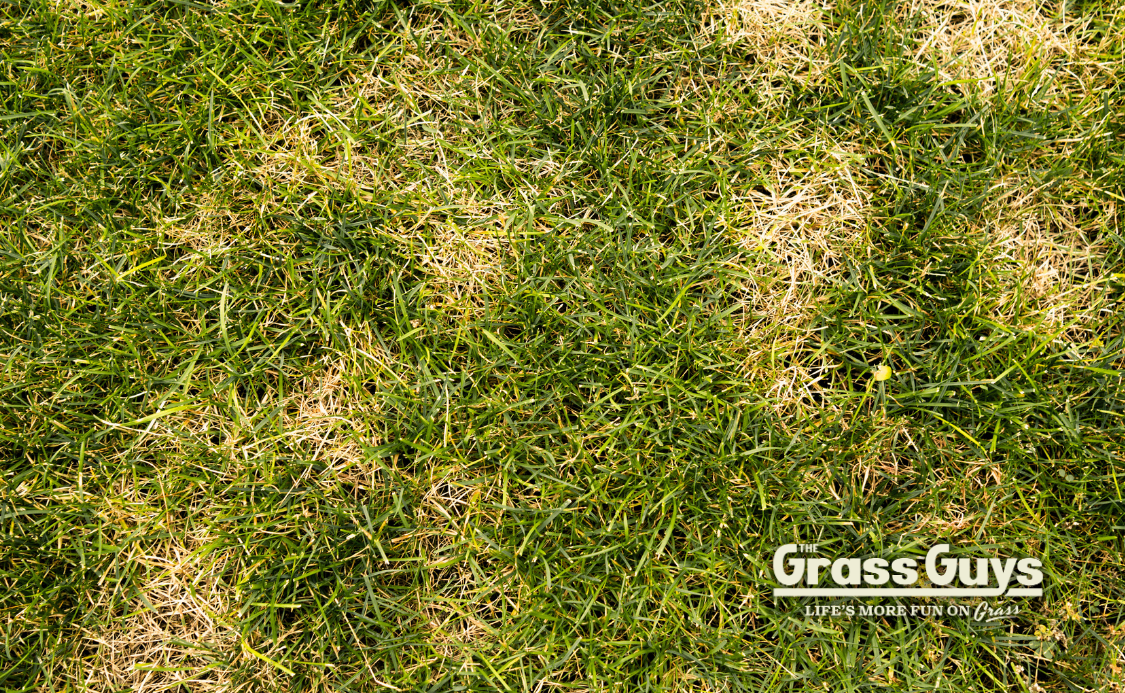
- Using full sun seed only → Thin, patchy shade areas
- Planting in heat stress without watering
- Skipping soil prep before seeding
It’s not always the seed, it’s also how you plant it.
Where to Go Next
To maximize your lawn success, follow up with these guides:
- 👉 Lawn Care Starter Kit
- 👉 How to Overseed Properly
- 👉 Best Grass for Shade
- 👉 Best Grass for High Traffic & Pets
Final Thoughts
Most lawns aren’t uniformly sunny or shady.
A versatile sun & shade grass seed mix gives you adaptability — blending genetics that thrive across your yard’s entire light range. That means:
- Better germination
- Fewer thin patches
- Smoother transitions
- Year-round look
Plant at the right time, follow the steps above, and your lawn will blend sun and shade beautifully.