How Often Should You Change Your Mowing Pattern?
Why Direction Matters More Than You Think
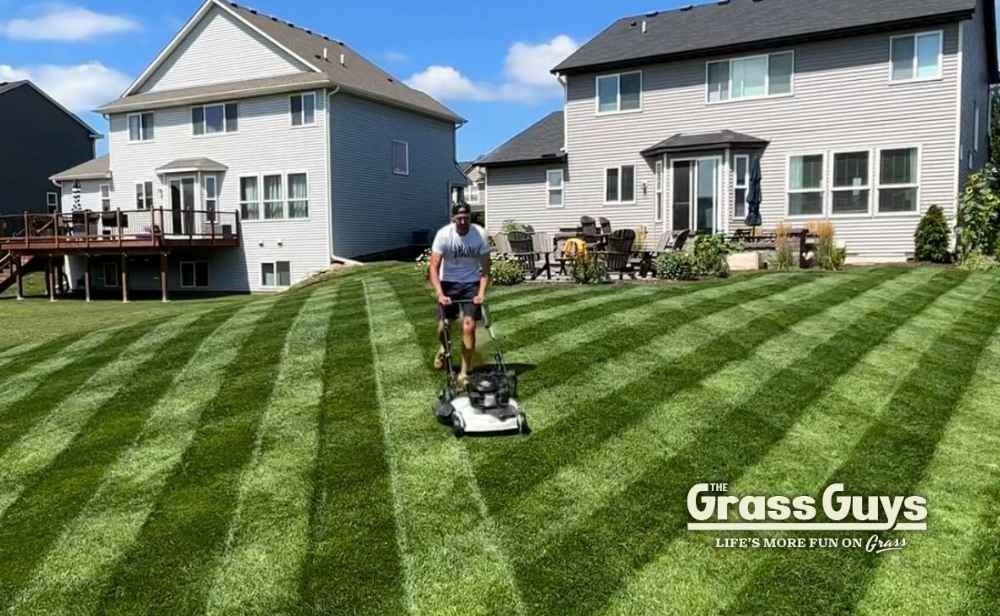
Most homeowners mow the same direction every week.
Straight up and down.
Same starting edge.
Same turn pattern.
It feels consistent.
But long term, mowing the exact same direction every time can weaken your lawn.
So how often should you change mowing patterns?
Short answer:
Change your mowing direction every time or at least every other mow.
Here’s why.
Why Mowing Direction Matters

Grass grows toward light and adapts to pressure.
If you mow in the same direction repeatedly:
- Grass begins leaning permanently
- Wheel tracks compact soil
- Ruts form over time
- Striping definition weakens
- Turf density becomes uneven
Changing direction prevents all of that.
It promotes upright growth and more uniform turf.
How Often Should You Rotate Patterns?
Ideal:
Rotate every mow.
Acceptable:
Rotate every other mow.
Not recommended:
Same direction for weeks at a time.
During peak spring growth when mowing weekly, that means you are changing direction weekly.
Consistency in rotation builds healthier turf.
Simple Rotation System to Follow
You do not need complex patterns.
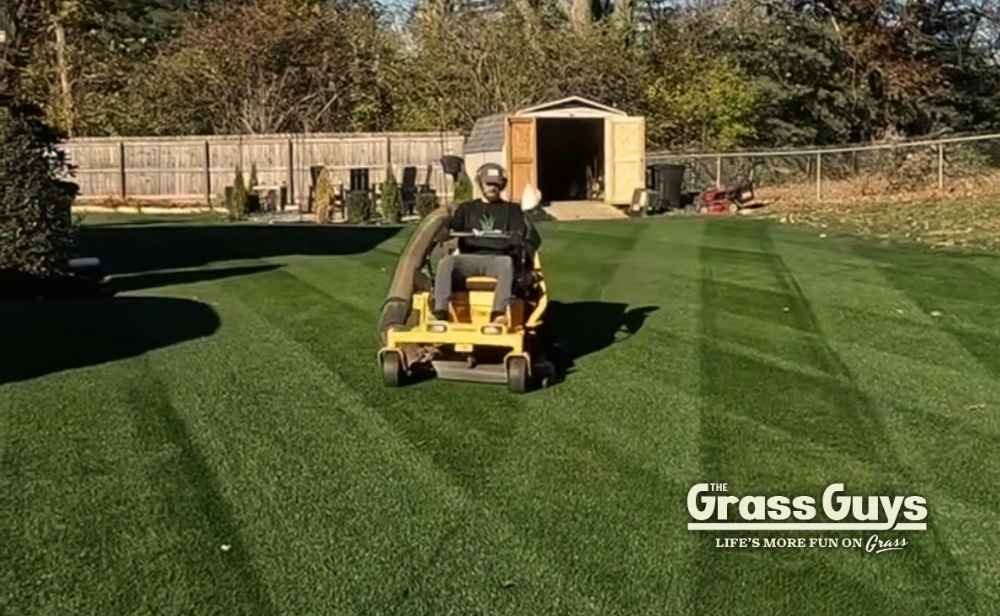
Just rotate between:
Week 1: North to south
Week 2: East to west
Week 3: Diagonal one direction
Week 4: Diagonal opposite direction
Then repeat. This keeps grass upright and soil pressure distributed evenly.
Does Changing Patterns Help Lawn Health?
Yes.
Rotating patterns:
- Reduces compaction in wheel tracks
- Encourages upright blade growth
- Improves light exposure
- Reduces permanent lean
- Strengthens density over time
It is a subtle change that compounds over seasons.
What Happens If You Never Change Patterns?
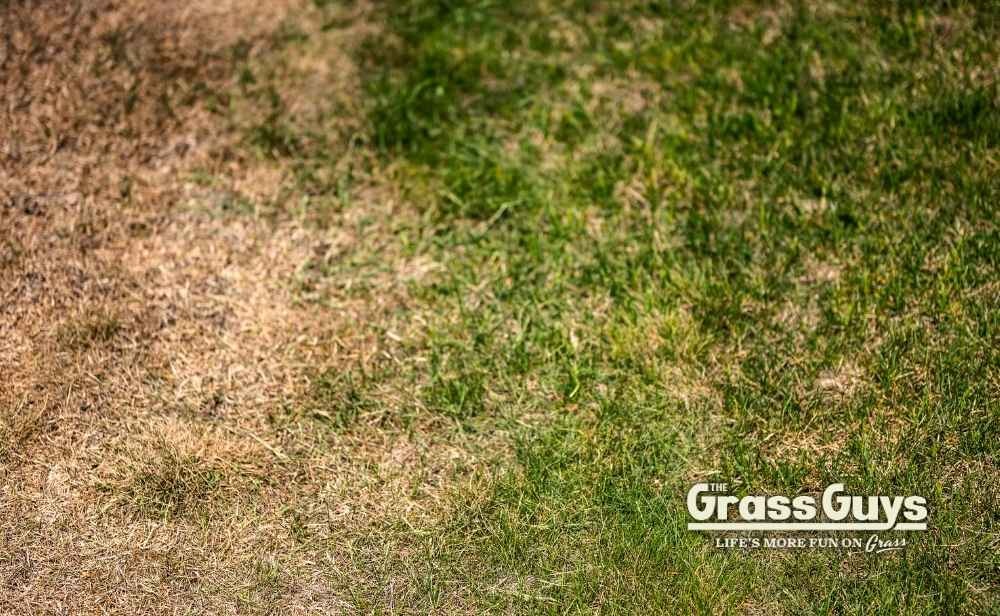
Over time you may notice:
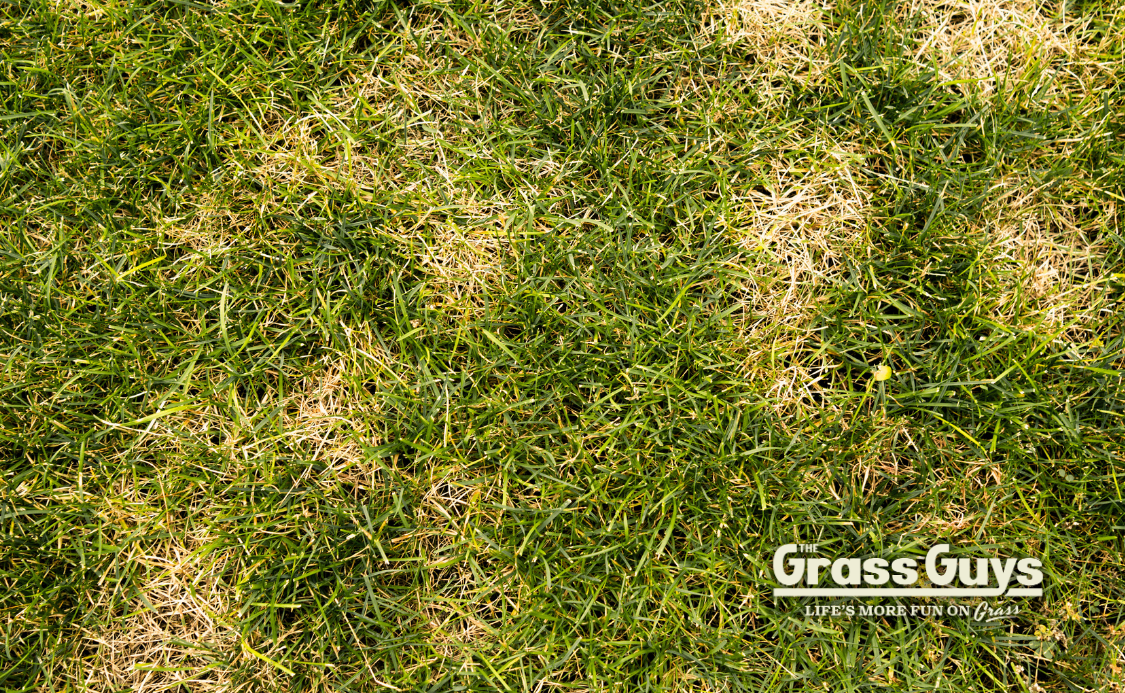
- Permanent mower tracks
- Grass leaning in one direction
- Uneven growth patterns
- Slight thinning in tire paths
It does not ruin your lawn overnight.
But over months and years, it affects quality.
Does This Matter More With Striping?
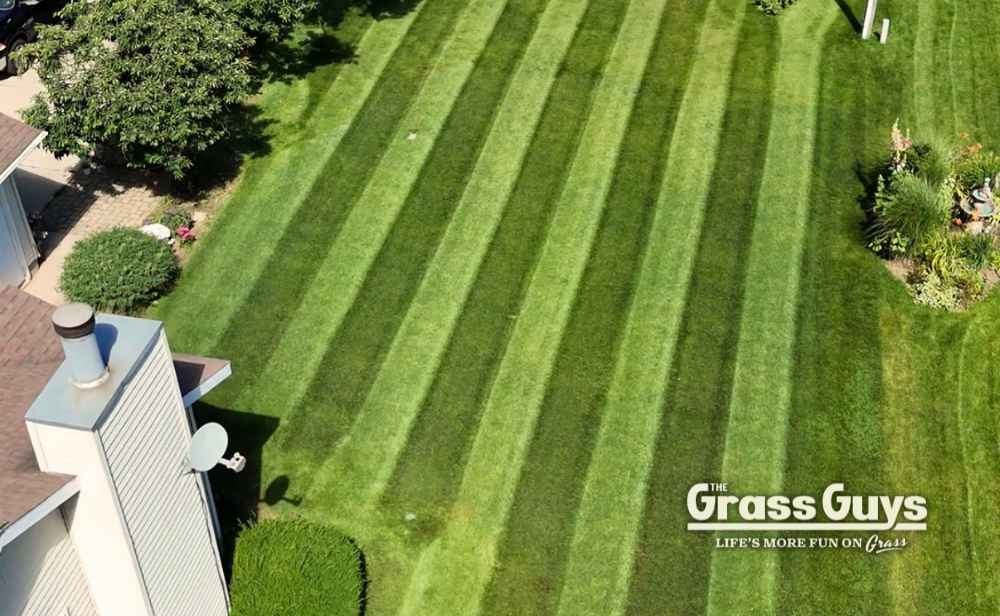
Yes.
If you are striping your lawn, pattern rotation becomes even more important.
Striping works by bending grass in one direction.
If you stripe the same direction repeatedly:
- Grass can permanently lean
- Contrast fades
- Patterns become less defined
Changing striping direction keeps the effect crisp.
👉 See: How to Get Lawn Stripes
What About Small Yards?
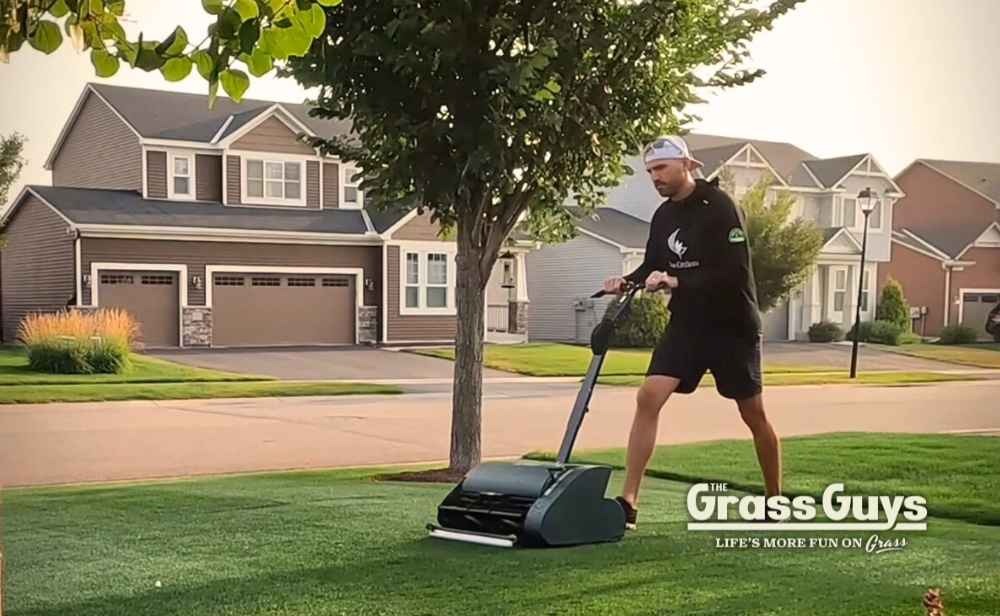
Even small lawns benefit from rotation.
You may not have space for elaborate patterns.
But you can still alternate:
- Vertical one week
- Horizontal the next
That alone makes a difference.
What About Large Properties or Zero Turns?
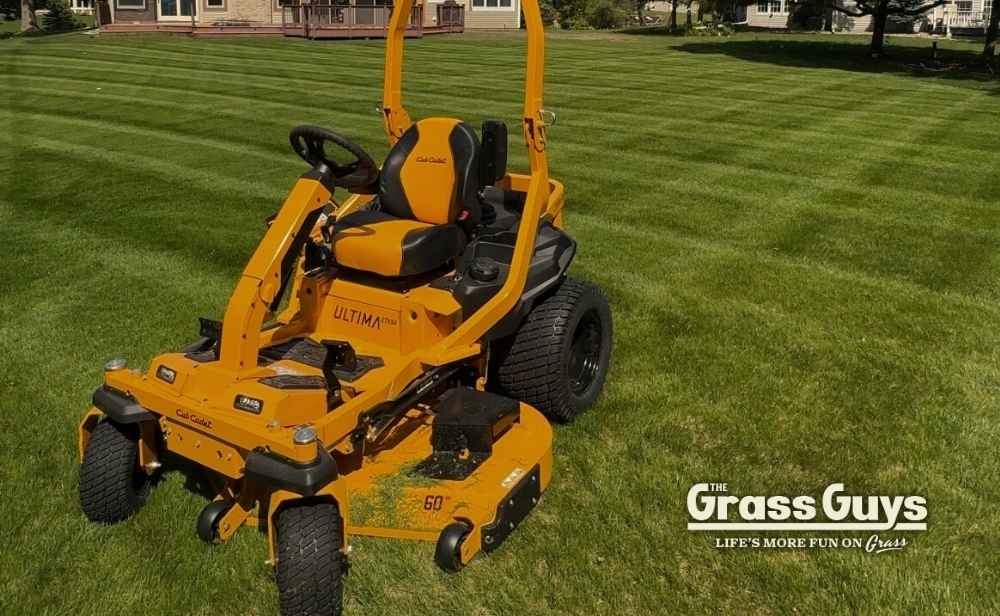
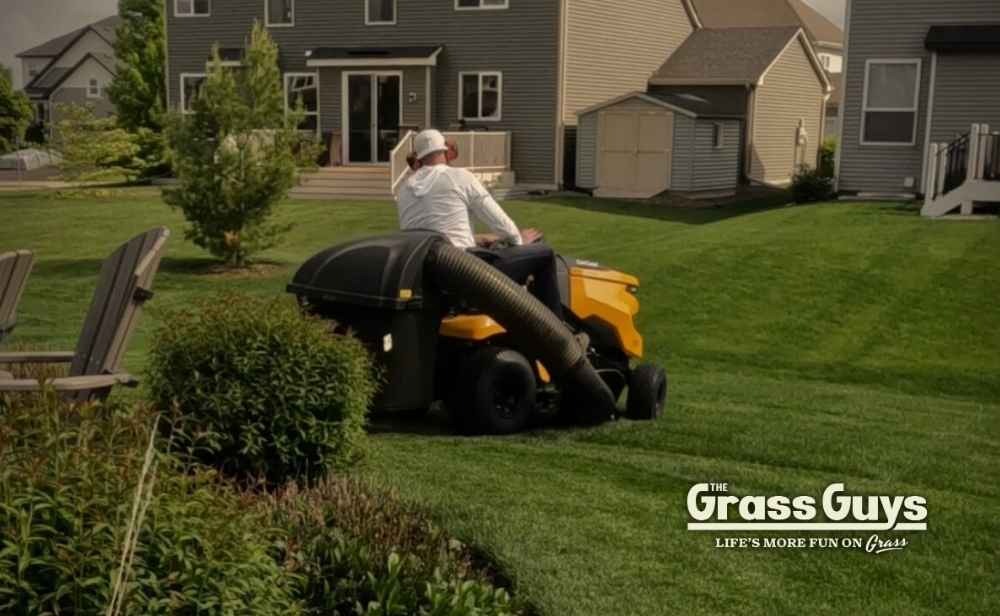
On larger properties, wheel compaction matters even more.
Rotating patterns helps:
- Prevent ruts
- Reduce soil compression
- Maintain smoother appearance
If you have heavy equipment, pattern rotation is critical.
Seasonal Considerations
1. Spring
Rotate frequently during heavy growth.
Grass adapts quickly in peak season.
2. Summer
Continue rotating, but avoid aggressive tight turns during drought stress.
3. Fall
Maintain rotation through final mow.
The Bigger Picture
Changing mowing patterns is not about aesthetics.
It is about:
- Long-term turf health
- Soil protection
- Upright growth
- Consistent density
It takes no extra equipment.
Just intentional direction.
Final Thoughts
If you want a simple mowing upgrade:
Change direction every mow.
It prevents long-term issues and improves overall lawn performance.
Small habits create long-term results.
Mow consistently.
Rotate patterns.
Protect your turf.
Your lawn will separate itself.