The Basics of Dethatching Your Lawn
When to Dethatch
The best time to dethatch your cool-season lawn is in the early spring or fall, when the grass is actively growing. Dethatching in the spring helps to prepare your lawn for the growing season, while dethatching in the fall helps to remove the thatch buildup that can occur over the summer months.

Signs Your Lawn Needs Dethatching
- Your lawn has a spongy feel: If your lawn feels spongy when you walk on it, it may be a sign that you have too much thatch.
- Your lawn has a Visible Thatch Layer: A thatch layer of more than half an inch thick is considered excessive and may need to be removed.
- Your lawn has poor water and nutrient absorption: If water and nutrients are not being absorbed by your lawn, it may be a sign that the thatch layer is too thick.
Why Dethatching is Important
Promotes Healthy Growth
Dethatching helps to promote healthy grass growth by allowing water, air, and nutrients to reach the roots of your grass.
Prevents Disease and Pest Infestation
A thick thatch layer can create an ideal environment for disease and pests to thrive. Removing the thatch helps to reduce the risk of these problems.
Improves Lawn Appearance
Dethatching can help to improve the appearance of your lawn, making it look lush and green.
How to Dethatch Your Lawn
1. Mow the Lawn
Before dethatching, mow your lawn to a short height to make it easier to remove the thatch.

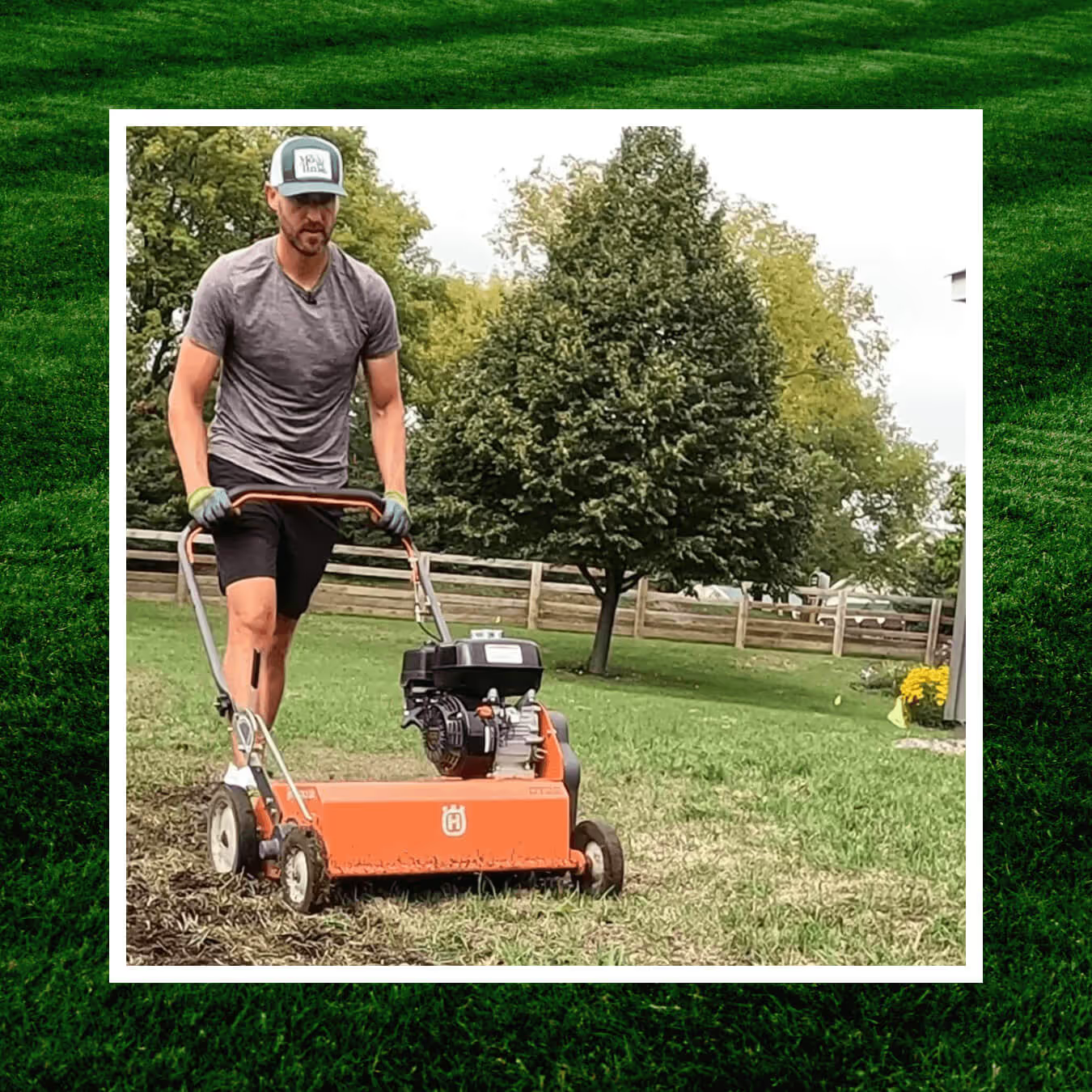
2. Use a Dethatching Rake or Dethatcher
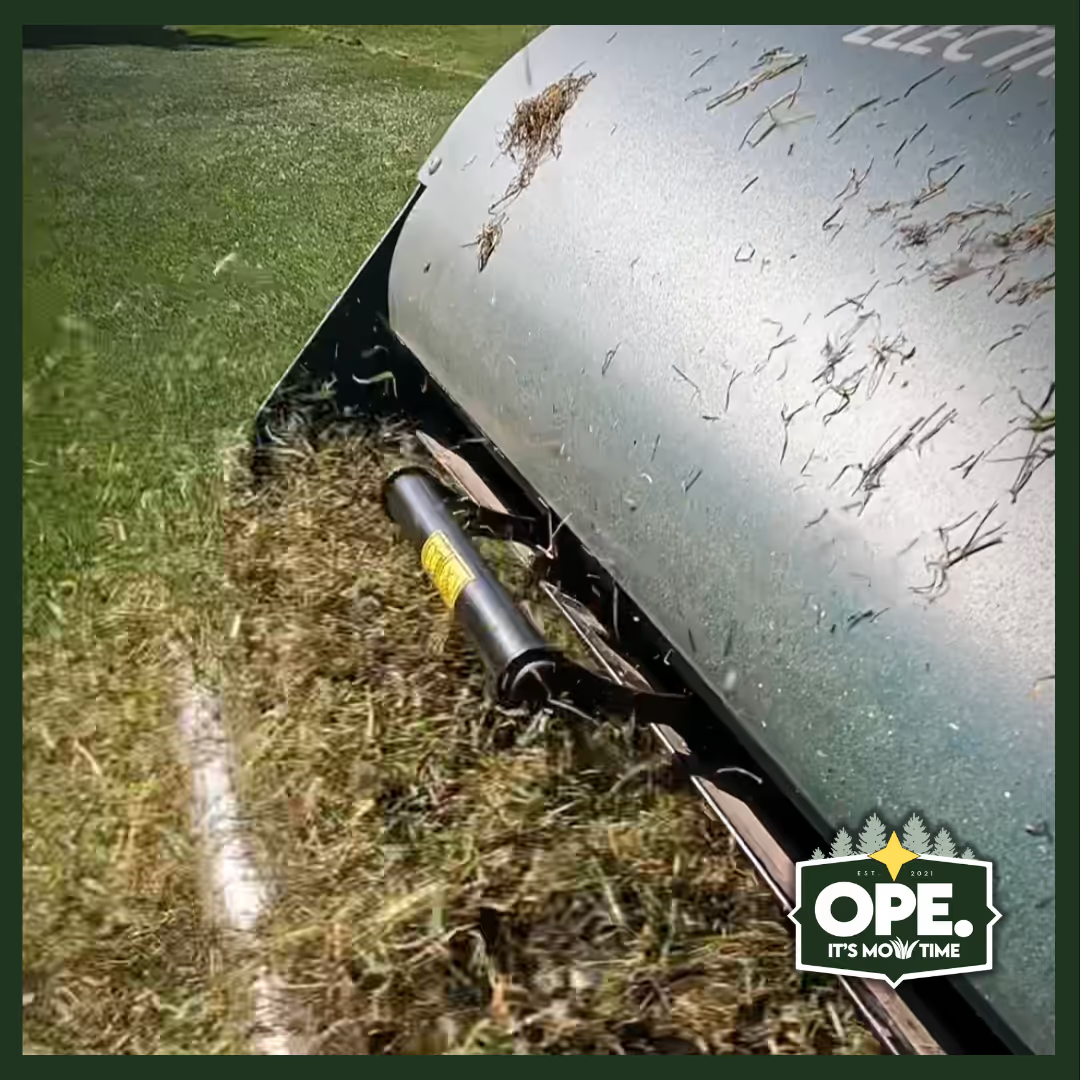
You can dethatch your lawn manually using a dethatching rake or using a dethatcher for larger areas. Once thatch is lifted, bag up the thatch using your lawn mower to get it off the lawn.
3. Maintain Proper Cultural Practices
After dethatching, water your lawn to help it recover from the stress of the process.
Dethatching is an important part of maintaining a healthy, beautiful lawn. By understanding when and why to dethatch your cool-season lawn, you can ensure that your lawn remains lush and green year-round.