Best Time to Aerate Your Lawn

Best Time to Aerate Your Lawn
When and Why Lawn Aeration Works Best
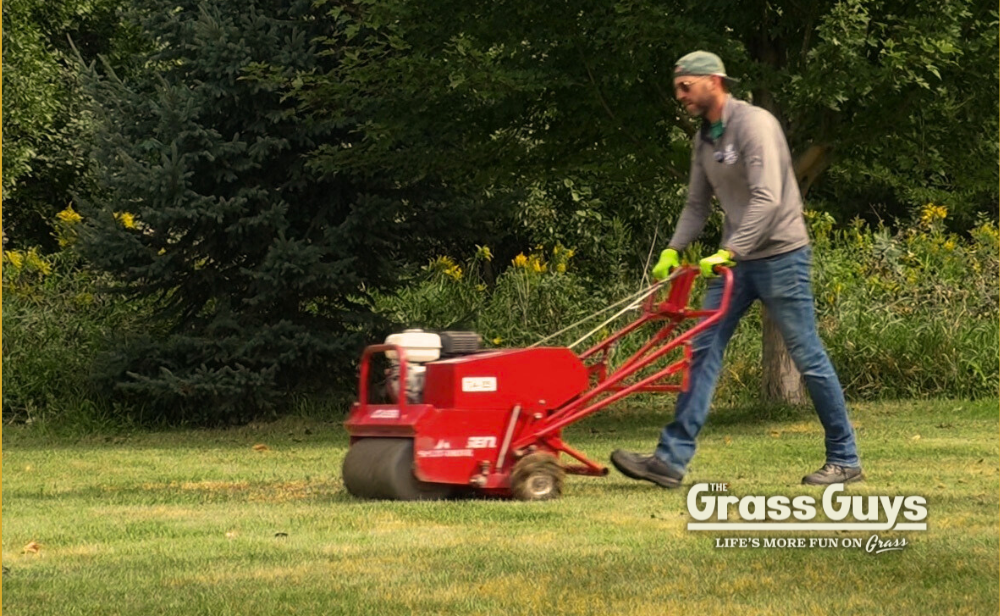
Lawn aeration is one of the most beneficial cultural practices homeowners can perform to improve turf health. Over time, soil naturally becomes compacted from foot traffic, mowing equipment, rainfall, and normal settling. Compacted soil limits the movement of water, air, and nutrients into the root zone.
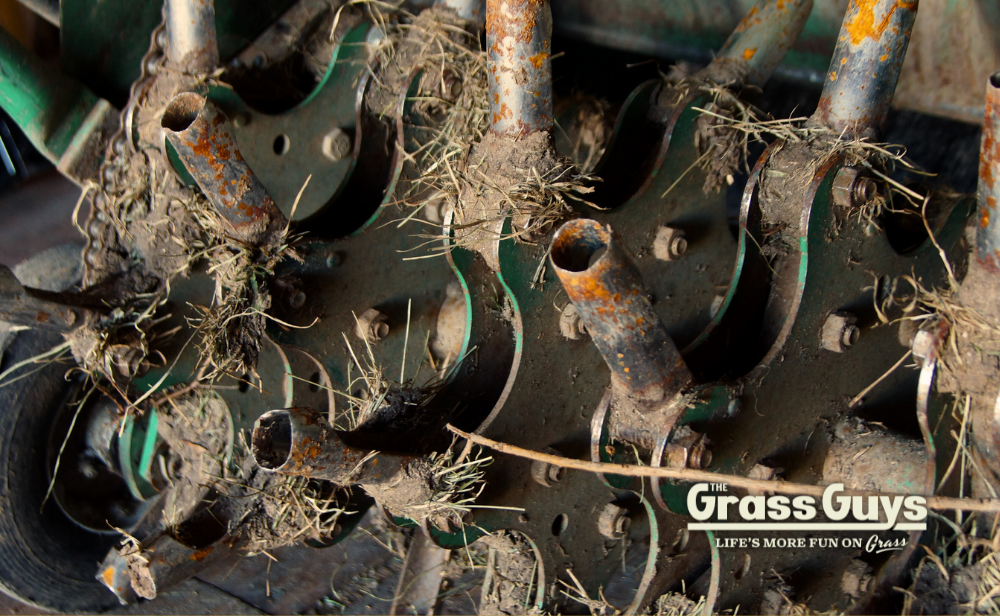
There are two common methods for aeration, core aeration and spike aeration. Core aeration removes small plugs of soil from the lawn using hollow tines, opening channels that allow roots to grow deeper and soil to function more efficiently. Spike aeration accomplishes a slightly different approach by using solid metal tines to puncture holes into the soil.
- To learn more of the differences read Core Aeration vs Spike Aeration
Regardless of method, timing matters. Aerating at the wrong time of year can reduce the benefits and may even slow turf recovery. Understanding when to aerate your lawn depends largely on the type of grass growing in your yard.
Why Lawn Aeration Is Important
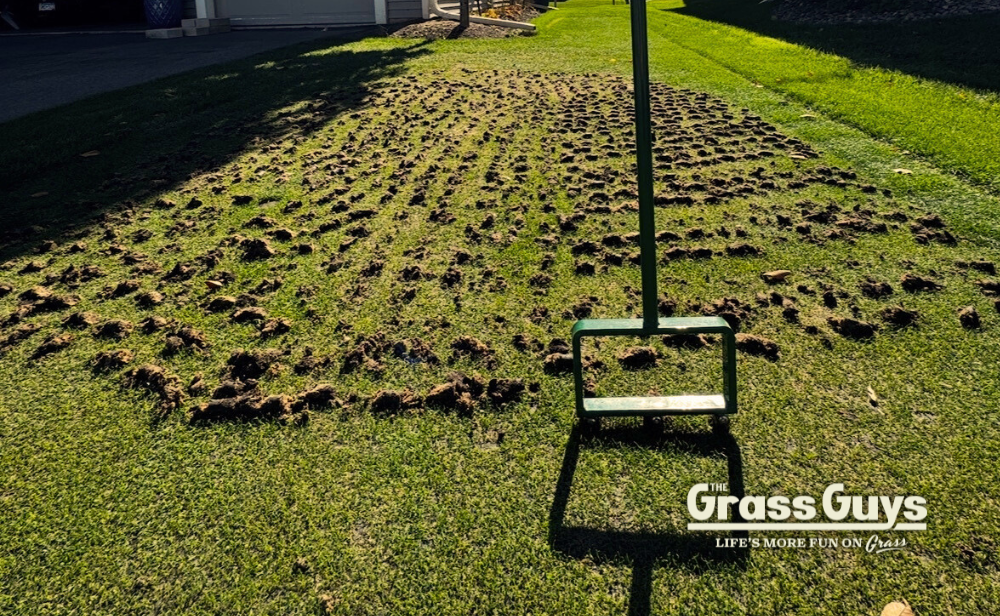
Healthy turf depends on a well-functioning soil structure. When soil becomes compacted, grass roots struggle to expand and access the resources they need.
Aeration helps correct these issues by improving several aspects of soil health.
Benefits of Aerating Your Lawn
• Relieves soil compaction that restricts root growth
• Improves water infiltration into the soil
• Enhances oxygen movement in the root zone
• Helps fertilizer reach deeper into the soil
• Improves seed-to-soil contact when overseeding
Aeration is often one of the most impactful lawn care practices homeowners can perform to improve turf density and resilience.
Best Time to Aerate Cool-Season Lawns
For cool-season grasses such as Kentucky bluegrass, perennial ryegrass, tall fescue, and fine fescue, the best time to aerate is early fall.
During fall, soil temperatures remain warm enough to encourage root growth while cooler air temperatures reduce stress on the grass plant.
Ideal Fall Aeration Window
• Late August through mid-September in northern climates
• Early September through early October in milder regions
This window provides the best conditions for the lawn to recover quickly after aeration.
Why Fall Aeration Works Best
Fall aeration is effective because:
• Grass is entering an active growth period
• Cooler temperatures reduce plant stress
• Overseeding can occur at the same time
• Roots have time to develop before winter
Many lawn care professionals consider fall aeration to be one of the most beneficial services for cool-season lawns.
Spring Aeration for Cool-Season Lawns
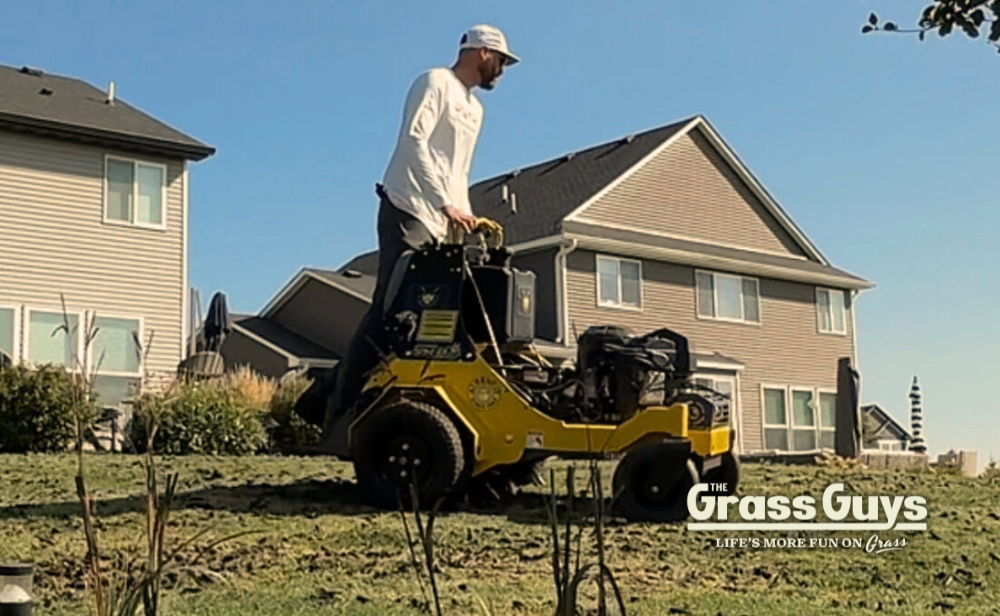
Spring aeration can also be beneficial in some situations, though it is generally considered the second-best option.
When Spring Aeration Makes Sense
Spring aeration may be useful when:
• Soil compaction is severe
• Fall aeration was not possible
• Heavy winter traffic damaged the lawn
However, spring aeration has some drawbacks.
Potential Downsides of Spring Aeration
• Encourages weed germination
• Can interfere with pre-emergent herbicide timing
• Less ideal for overseeding success
Because of these factors, many homeowners prioritize fall aeration whenever possible.
Best Time to Aerate Warm-Season Lawns
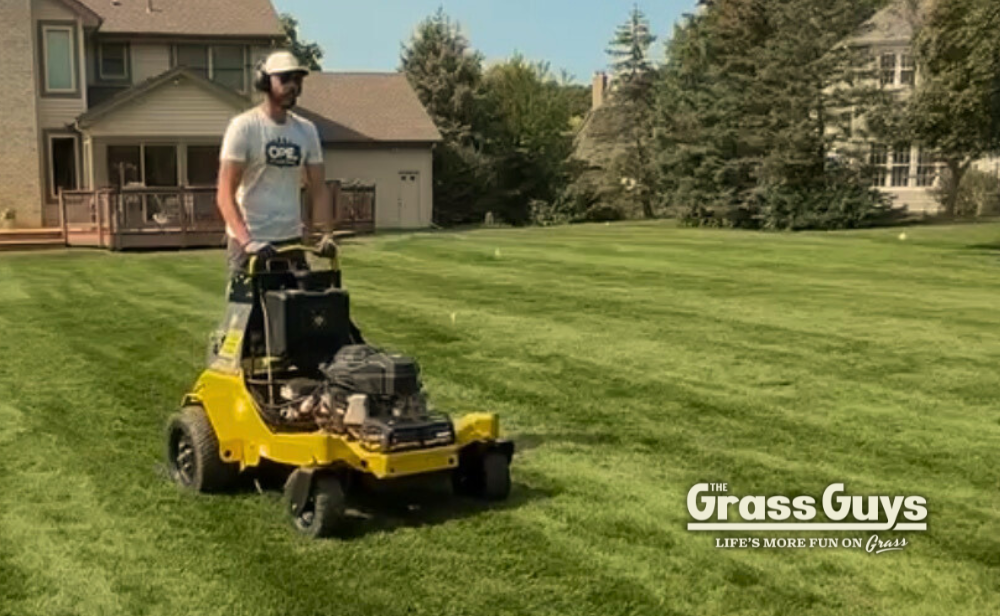
For warm-season grasses such as bermudagrass, zoysia, and centipedegrass, aeration should occur during the active growing season.
Ideal Aeration Window for Warm-Season Turf
• Late spring through early summer
Warm-season grasses recover quickly during this period because they are actively growing and spreading.
Aerating too early in spring or too late in fall can delay recovery for warm-season turf.
Signs Your Lawn Needs Aeration
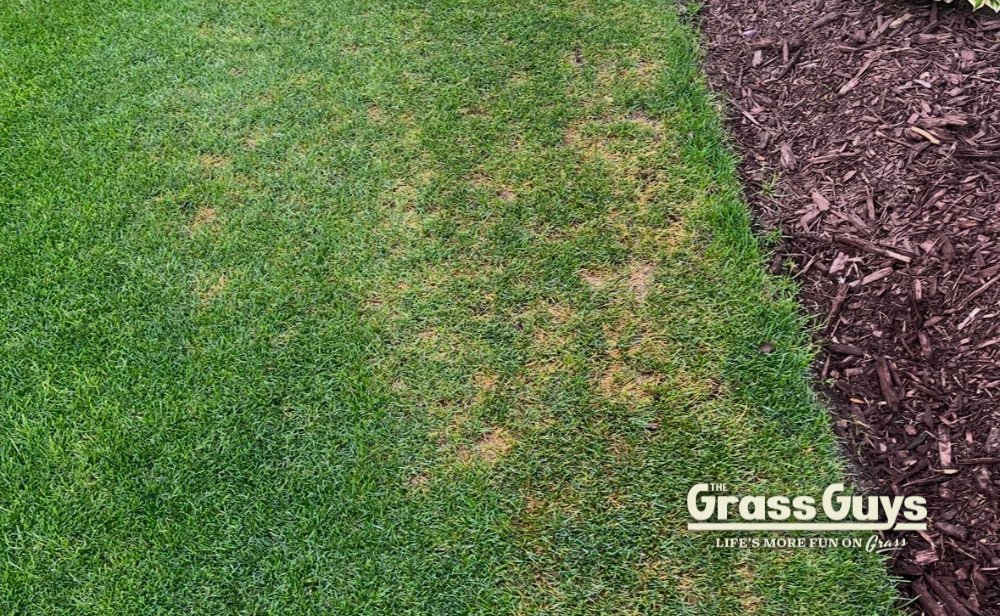
Not every lawn requires aeration every year. However, several signs indicate that soil compaction may be limiting turf health.
Common Indicators of Compacted Soil
• Water pooling or running off the lawn
• Soil that feels hard or difficult to penetrate
• Thin or struggling grass growth
• Heavy foot traffic areas
• Excessive thatch buildup
If these issues are present, aeration can often help restore soil function.
How Often Should You Aerate Your Lawn?
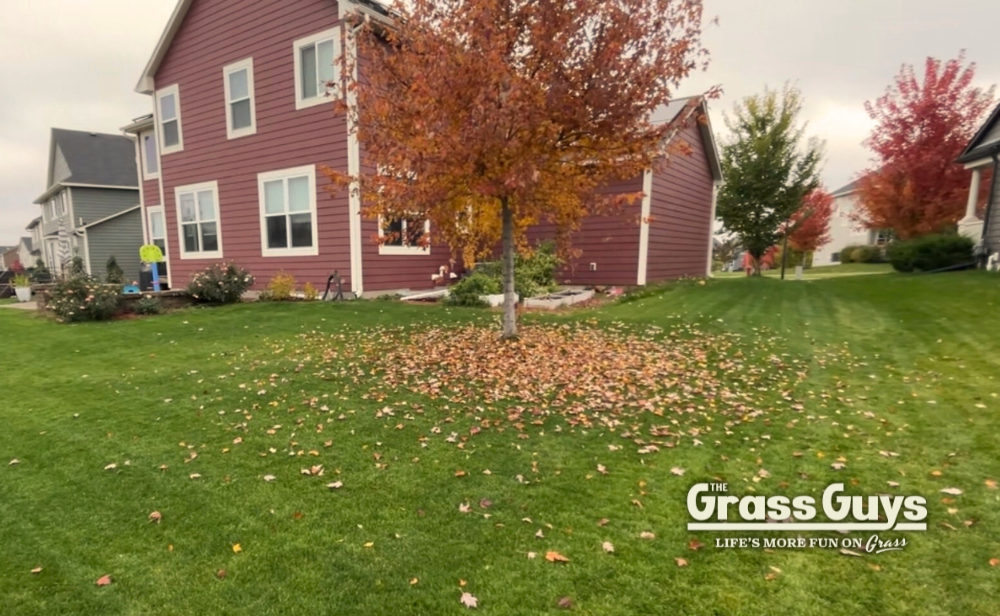
Aeration frequency depends on soil type, traffic levels, and lawn condition.
General Aeration Guidelines
• Lawns with heavy clay soil: Aerate once per year
• Lawns with moderate traffic: Aerate every one to two years
• Sandy soils with low traffic: Aerate as needed
Clay soils tend to compact more easily and typically benefit from more frequent aeration.
Combining Aeration with Overseeding
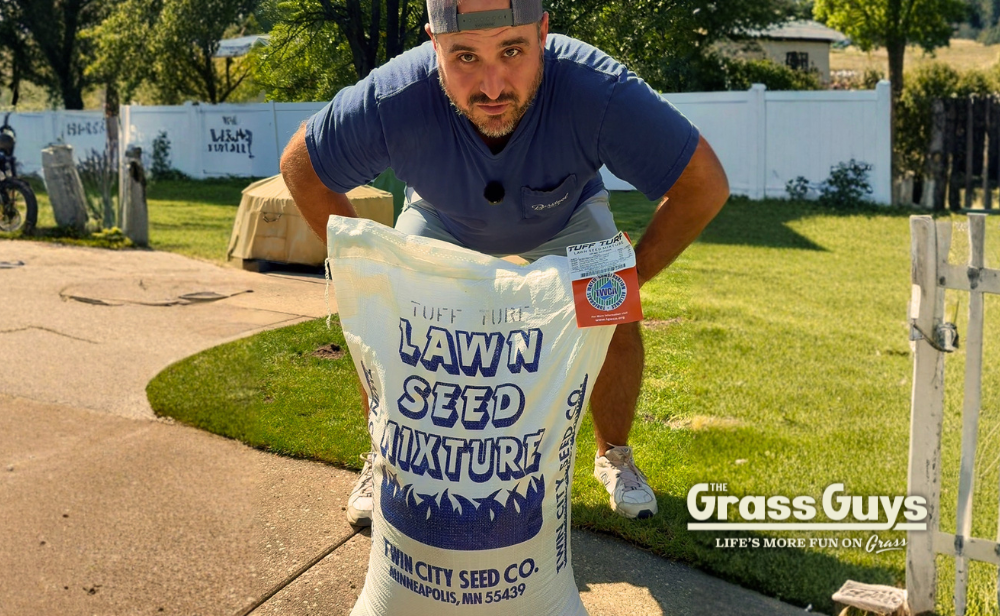
Aeration and overseeding are often performed together because aeration holes create ideal locations for grass seed to settle and germinate.
When overseeding is performed immediately after aeration, it improves:
• Seed-to-soil contact
• Germination success
• Turf density
This combination is one of the most effective ways to improve thin or struggling lawns.
What to Do After Aerating
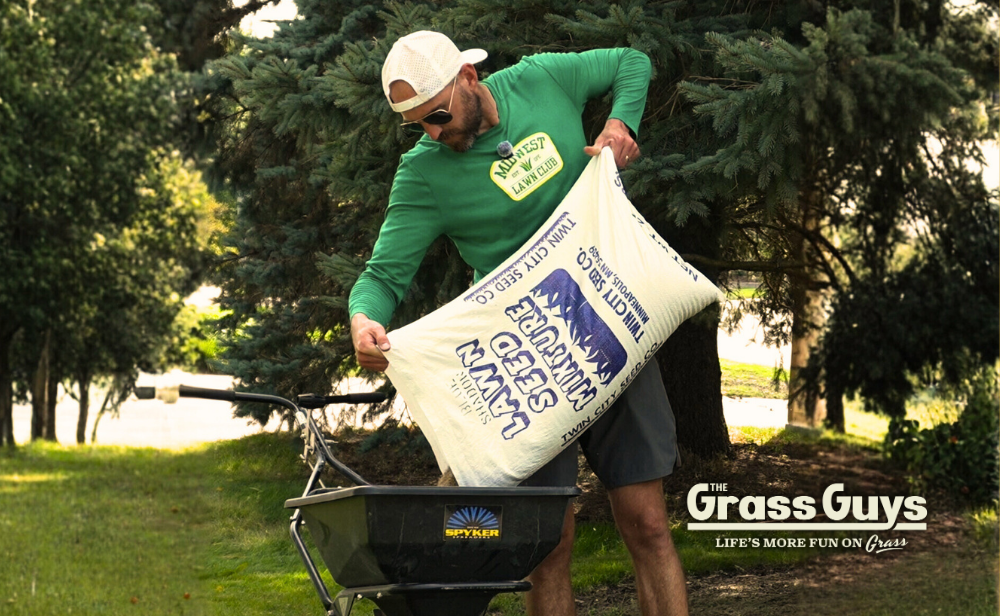
Once aeration is complete, the soil plugs will break down naturally over time.
Homeowners can take advantage of the aeration process by performing additional lawn care practices.
Helpful Follow-Up Practices
• Overseed the lawn
• Apply fertilizer
• Topdress with compost or soil
• Maintain consistent watering
These steps help maximize the benefits of aeration.
When Not to Aerate

While aeration is beneficial, there are times when it should be avoided.
Avoid Aerating During
• Extreme summer heat for cool-season lawns
• Severe drought conditions
• Frozen soil conditions
Aerating during stressful conditions can slow turf recovery and reduce the benefits.
Final Thoughts
Lawn aeration plays an important role in maintaining healthy soil and strong turf.
For cool-season lawns, early fall provides the best opportunity for aeration because grass is actively growing and able to recover quickly. Spring aeration can still provide benefits when necessary, though fall remains the ideal season.
By timing aeration correctly and pairing it with overseeding and fertilization, homeowners can dramatically improve lawn density, root health, and long-term turf performance.
Where to Go Next
• How to Overseed Your Lawn
• Signs of Compacted Soil and How to Fix It
• Lawn Care 101 Guide